
Every June, without fail, my skin stages a minor revolt. I get a patch of tiny itchy bumps along my jawline, my scalp starts flaking even when it does not feel dry, and the body acne that stayed quiet through spring begins to reappear along my upper back. For years I blamed stress, food, or a random “bad skin phase.” Then I began looking at it through Ritucharya, the Ayurvedic discipline of seasonal adaptation, and the pattern became clearer: this was not random skin misbehavior. It was my body responding to the damp, unstable, digestion-weakening atmosphere of Varsha Ritu.
Monsoon is one of the most beautiful seasons in the Indian climate cycle, but it is also one of the trickiest seasons for skin. Humidity, sweat, wet clothing, slow drying, fungal growth, fluctuating temperature, and reduced digestive strength all combine to create the classic monsoon skin pattern: oiliness with irritation, clogged follicles with itching, and flaking that does not behave like simple dryness. Ayurveda approaches this season not by adding more products, but by changing the entire rhythm of cleansing, drying, oiling, diet, and daily care.
What Ayurveda Says About Skin in Monsoon Season
Classical Ritucharya describes Varsha Ritu as a season in which Agni becomes weak and Vata is easily disturbed by the rainy, windy, unstable environment. Charaka also advises that rainy-season food and lifestyle should be selected carefully to protect Agni, reduce excess moisture, and maintain balance across the doshas. For the skin, this means that external care alone is not enough; monsoon skincare must also support digestion, dryness where needed, clean clothing, and a less humid daily routine.
- Agni weakens: When digestion is low, the skin often looks dull, congested, reactive, or easily irritated.
- Vata is aggravated: Wind, temperature shifts, irregular routines, and poor sleep can increase itching, sensitivity, and roughness.
- Kleda increases: Dampness, sweat, and slow drying create a moist surface environment that can aggravate itching, stickiness, and fungal-prone areas.
- Pitta requires care: Heat, sweat, friction, sour foods, and fermented foods can aggravate redness, burning, acne-like eruptions, and scalp irritation in susceptible people.
The Monsoon Skin Barrier Problem
The modern skin barrier is maintained by the stratum corneum, surface lipids, corneocytes, sweat, sebum, and the acid mantle. Healthy skin surface pH is mildly acidic, and that acidity supports barrier function and discourages unwanted microbial overgrowth. During monsoon, repeated sweating, damp clothing, friction, humidity, and incomplete drying can disturb this balance, especially in folds, the scalp, the upper back, the groin, and the spaces between the toes.
- Sweat and humidity can leave the skin feeling greasy while still making it more reactive.
- Wet-dry cycles can irritate areas already prone to eczema, acne, folliculitis, or fungal rashes.
- Warm, humid, covered areas are more favorable for tinea and other superficial fungal problems.
- Heavy creams, thick oils, tight synthetic clothing, and sleeping with wet hair can worsen congestion in many people.
In Ayurvedic language, this is a season where excess kleda must be managed without over-drying the skin, and Vata must be pacified without smothering the skin under heavy layers. The goal is clean, dry, lightly protected skin.
Morning Cleansing Protocol: Adapting for June-July Conditions
Your usual summer cleanser may not be enough during monsoon if your skin is prone to itching, follicular bumps, oily flaking, or back acne. The monsoon cleansing strategy is gentle but more deliberate: remove sweat, reduce stickiness, avoid harsh stripping, and finish with complete drying before clothing or sunscreen.
Face Cleansing
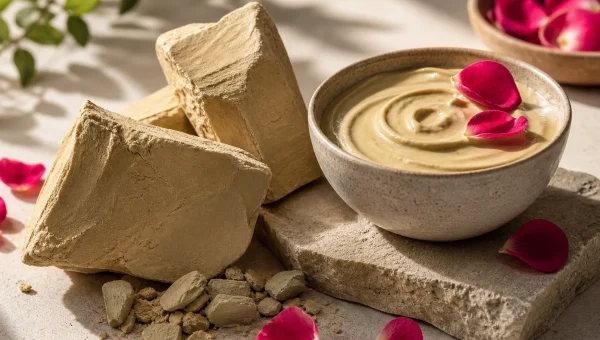
A simple Ayurvedic paste cleanser can be used on alternate mornings for oily, congested, or monsoon-reactive skin. Keep the texture smooth, apply gently, and do not scrub inflamed or broken skin.
- 1 tablespoon fine chickpea flour or barley flour
- 1/4 teaspoon neem leaf powder
- A pinch of turmeric powder
- Enough rose water or plain water to make a thin paste
- Apply for 30-60 seconds, rinse fully, and pat dry
For sensitive skin, reduce the neem and turmeric, avoid rubbing, and patch-test before regular use. Turmeric can stain, and neem can irritate very sensitive or barrier-damaged skin.
Body Cleansing
For the body, monsoon care should focus on sweat-prone and friction-prone zones: underarms, chest, upper back, groin folds, feet, and toe webs. Ayurveda’s rainy-season regimen includes bathing, friction massage, dry massage, clean light clothing, and living in a place free from dampness; this translates very practically into daily cleansing and careful drying.
- Use a gentle body wash or neem-based cleanser if your skin tolerates it.
- After bathing, dry folds and toe webs completely before dressing.
- Change out of wet clothes quickly, especially after rain, gym, or commuting.
- Choose loose cotton or breathable fabrics when possible.
- Use a separate towel for feet if you are prone to fungal infections.
Monsoon-Specific Toning and Hydration
Monsoon hydration is different from summer hydration. The skin may already be sitting in a humid environment, so the priority is not heavy layering or extra surface water. The priority is a light, calming, non-sticky routine that keeps the barrier comfortable without trapping sweat.
Khadira-rose water rinse: Simmer 1 teaspoon Khadira bark in 1 cup water for 10-15 minutes, cool, strain well, and mix with 1-2 tablespoons rose water. Use as a wipe or rinse for oily, sweat-prone areas if tolerated. Prepare small quantities and refrigerate; discard if the smell, color, or texture changes.
Light moisturizer approach: Use fresh aloe vera gel or a light non-comedogenic moisturizer on the face when needed. If your skin is dry or Vata-prone, 1-2 drops of a suitable facial oil may be pressed over damp skin at night, but acne-prone, fungal-prone, and very oily skin should avoid heavy oil layering during peak humidity.
Anti-Fungal Support: Addressing Dadru-Prone Skin Patterns
Dadru is discussed in Ayurveda under skin disorders with itching, circular lesions, redness, and raised edges, and it overlaps practically with the way many people recognize ringworm-like fungal eruptions. A spreading, ring-shaped, itchy, scaly rash should be assessed by a dermatologist, because fungal infections often need proper antifungal treatment and can worsen with inappropriate steroid creams. Ayurvedic herbs can be used as supportive skin care, prevention, and hygiene aids, but they should not replace medical diagnosis for active infection.
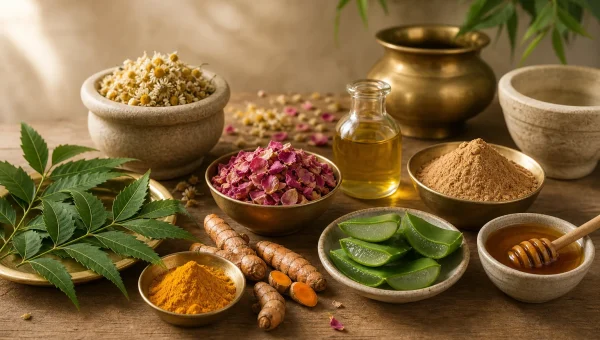
| Herb | Traditional Skin Use | Practical Monsoon Use | Caution |
|---|---|---|---|
| Neem (Azadirachta indica) | Used traditionally for itching, skin eruptions, and microbial-prone skin | Diluted leaf decoction wash or small amount in cleansing paste | Can irritate sensitive skin; avoid eyes and open wounds |
| Haridra (Curcuma longa) | Used for inflammatory and itchy skin patterns | A tiny pinch in face or body paste | Can stain and may irritate if overused |
| Khadira (Acacia catechu) | Astringent and traditionally valued in skin conditions | Weak decoction as a rinse for oily, sweaty areas | May feel drying; avoid overuse on eczema-prone skin |
| Daruharidra (Berberis aristata) | Used in classical and traditional practice for skin and inflammatory patterns | Use only in properly prepared formulations under guidance | Do not self-apply concentrated extracts |
| Karanja (Pongamia pinnata) | Used traditionally in skin disorders and medicated oils | Use only as a diluted, practitioner-recommended oil for prone areas | Can be strong; patch-test and avoid irritated skin |
The most important anti-fungal monsoon habit is not an herb; it is dryness. Dry the skin fully, keep footwear dry, rotate shoes, wash towels frequently, and avoid sharing towels, socks, razors, or clothing.
Scalp Care in Monsoon: The Often-Neglected Area
Scalp problems are extremely common in monsoon because sweat, sebum, humidity, and delayed drying can aggravate dandruff-prone and seborrheic patterns. Ayurveda’s head-care methods should be adapted here: less overnight oiling, more regular cleansing, and complete drying of the scalp after washing.
- Pre-wash oiling: If your scalp is dry or Vata-prone, apply a small quantity of Bhringraj or plain sesame-based hair oil for 30-45 minutes before washing. Avoid overnight oiling if your scalp is oily, flaky, itchy, or fungal-prone.
- Herbal wash: Shikakai and reetha can be used as a mild herbal cleansing base because they contain natural saponins. Use carefully, keep away from the eyes, and avoid if your scalp is inflamed or cracked.
- Amla rinse: A weak amla rinse may be used after washing for people who tolerate it well. Rinse again with plain water if it causes stinging or dryness.
- Tea tree caution: Tea tree oil should never be applied neat. If used, it must be properly diluted or used in a formulated shampoo, and discontinued if itching, burning, or rash develops.
For full scalp health context, the post on Ayurvedic scalp detox and deep cleansing covers the foundational scalp purification protocol that works year-round.
Internal Skincare for Monsoon: What You Eat Changes What Your Skin Does
Varsha Ritu skincare begins with Agni. Charaka’s rainy-season guidance emphasizes protecting digestion, using old grains such as barley, wheat, and shali rice, taking lighter preparations, and using honey in small quantity where appropriate. For skin, this means avoiding the heavy, sticky, cold, excessive, and poorly digested foods that make the body feel sluggish and damp.
- Favor warm, freshly cooked meals: Light khichadi, old rice, barley, wheat preparations, mung soup, and cooked vegetables are easier for many people in this season.
- Use bitter and astringent tastes wisely: Karela, methi, leafy greens, turmeric, and small amounts of astringent herbs can support the monsoon pattern when digestion allows.
- Be careful with curd at night: Classical Ayurvedic dietary rules discourage night-time curd. During monsoon, heavy curd, especially at night, can be too sour, damp, and Kapha-Pitta aggravating for many skin-prone people.
- Drink boiled and cooled water: This aligns with classical rainy-season advice and is also a sensible hygiene habit in monsoon.
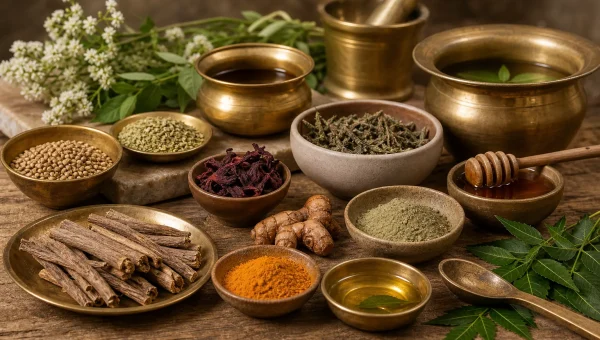
- Use internal herbs only with guidance: Neem, Khadira, and other bitter herbs are not casual daily teas for everyone and should be taken internally only under a qualified practitioner’s advice.
The broader Ayurvedic anti-inflammatory dietary framework that supports skin health through multiple seasons is covered at the Ayurvedic anti-inflammatory diet.
Body Oiling in Monsoon: Less Is More
Abhyanga can still be useful in monsoon for Vata, stiffness, dryness, and irregular sleep, but it must be lighter than winter oiling and cleaner than dry-season oiling. Too much oil in humid weather can trap sweat, worsen follicular congestion, and make the skin feel sticky.
- Use a small quantity of sesame oil if your constitution tolerates it.
- Apply oil 20-40 minutes before bathing rather than leaving it on all day.
- Use less oil on the chest, upper back, groin, and underarms if those areas are acne-prone or fungal-prone.
- After bathing, dry the body completely before dressing.
- Use medicated oils such as Karanja-based preparations only with professional guidance.
Troubleshooting Common Monsoon Skin Issues
Monsoon skin problems often look confusing because the skin can be oily, flaky, itchy, and sensitive at the same time. The useful Ayurvedic question is not “Should I moisturize more?” but “Is this area damp, congested, irritated, Vata-dry, Pitta-red, or Kapha-sticky?”
Forehead bumps and tiny jawline eruptions: These are often worsened by sweat, hair products, helmets, occlusive sunscreen, and incomplete cleansing. Use lighter products, wash after sweating, and keep hair oil away from the face.
Upper-back body acne: Change sweaty clothing quickly, avoid heavy body oils on the back, use breathable fabrics, and cleanse after exercise or commuting. If lesions are itchy and uniform, consider fungal folliculitis and seek dermatological advice.
Toe-web itching and peeling: Keep the feet dry, rotate footwear, avoid wearing damp socks, and do not share towels. Persistent peeling, cracking, odor, or itching needs medical assessment.
Scalp flaking with oiliness: Reduce overnight oiling, wash regularly, dry the scalp completely, and consider a medicated anti-dandruff shampoo if flakes persist.
The detail on how Kumkumadi oil and other Ayurvedic facial treatments should be layered and adapted seasonally is covered in the comprehensive guide at Kumkumadi complete guide: how to use, layer, and customize.
The irony of monsoon skincare is that it usually requires fewer products and more discipline. Less layering, more drying. Less random moisturizing, more precise cleansing. Less heavy oil, more seasonal judgment. Ayurveda understood that skin does not live separately from weather, digestion, sleep, clothing, sweat, and daily rhythm. Once Varsha Ritu is treated as its own clinical season, monsoon skin stops feeling like a surprise and starts becoming manageable.
Note: Individual skin types and dosha constitutions vary significantly. If you experience persistent fungal infections, spreading rashes, inflammatory skin conditions, severe acne, open wounds, or barrier disruption, consult a dermatologist and a qualified Ayurvedic practitioner for personalized guidance. The herbal applications described here are general educational protocols and may need adaptation for sensitive, allergic, pregnant, medicated, or medically complex individuals.
Nothing in this article diagnoses or treats a medical condition. Consult a qualified Ayurvedic practitioner or physician before starting herbs, supplements, detoxes, medicated oils, or therapeutic protocols, especially if pregnant, breastfeeding, managing a health condition, or taking medication.
References
- Charaka Samhita — Tasyashiteeya Adhyaya
- Easyayurveda (easyayurveda.com)
- Ijdvl (ijdvl.com)
- NCBI
- Dermnetnz (dermnetnz.org)
- Pathogenesis, Immunology and Management of Dermatophytosis (2021), PubMed Central
- World Health Organization
- NCBI
- Malassezia, dandruff and seborrhoeic dermatitis: an overview (2011), PubMed
- Treatment of dandruff with 5% tea tree oil shampoo (2002), PubMed
- Natural alternatives from your garden for hair care: Revisiting the benefits of tropical herbs (2023), PubMed Central
- The Antimicrobial Potential of the Neem Tree Azadirachta indica (2022), PubMed Central
- Therapeutics Role of Azadirachta indica (Neem) and Their Active Constituents in Diseases Prevention and Treatment (2016), PubMed Central
- Researchgate (researchgate.net)
- Acacia catechu (L.f.) Willd.: A Review on Bioactive Compounds and Their Health Promoting Functionalities (2022), PubMed Central
- Ijpsjournal (ijpsjournal.com)
- Jaims (jaims.in)
- Curcumin, an active component of turmeric (Curcuma longa), and its effects on health (2017), PubMed
- Berberine: Botanical Occurrence, Traditional Uses, Extraction Methods, and Relevance in Cardiovascular, Metabolic, Hepatic, and Renal Disorders (2018), PubMed Central
- Scalable extraction of pongamol from Pongamia pinnata for synthesis and application of colloidally stable iron nanoparticles (2025), PubMed Central
- Easyayurveda (easyayurveda.com)
- NCCIH
the article treats all monsoon skin issues as Kapha-driven but fungal infections in humid conditions can happen to any dosha type. tbh
for someone with sensitive Pitta skin, is the Neem steam still recommended or could it aggravate?
for oily skin in monsoon, is Multani mitti (fuller’s earth) mask weekly enough or does the article recommend more frequent use?
I never realized my jawline bumps were linked to monsoon humidity until reading this.
Does the neem paste cleanser work for sensitive skin or should I dilute it more?
I tried the Khadira rose toner and my forehead feels less oily after two days.
The idea of using raw milk as a cleanser on alternate mornings sounds interesting, I’ll give it a try.
I’m skeptical about the claim that sesame oil is better than coconut oil in humid weather; has anyone tested both?
the gut-skin axis section explains why my skin flares every monsoon when I eat heavy foods. the Kapha-pacifying monsoon diet has helped more than topical treatments.
My scalp flaking stopped after I added the bhringraj neem tea tree pre wash oil routine.
the humidity protection section mentions Lodhra powder. where is this typically available? I’m in Mumbai and cant find it.
some of the DIY preparations described (especially fermented ones) need clearer hygiene guidelines. homemade preparations can grow the wrong organisms.
the Eladi Keram recommendation for humid skin is spot on. switched from my regular moisturizer and fungal breakouts near hairline resolved.
@Jessica is Triphala water rinse appropriate for all skin types in monsoon or primarily for Kapha-type skin?
the Neem-Tulsi face steam for nonsoon fungal conditions was something I tried this season. skin barrier issues I had every July have been much milder.
The article mentions avoiding nighttime yogurt; I’ve stopped eating curd after dinner and see fewer back breakouts.
For body acne on the upper back, the neem soap plus loose cotton clothing tip makes sense; I’ll switch to cotton tees.
Is the triphala powder amount safe for daily use or should I limit it to a few times a week?
I appreciate the detailed herb table; the vidanga paste twice daily seems doable for my ankle fungus.
The internal neem leaf tea tastes bitter but I noticed less itching after a week.
I wonder if the 40 to 60 percent increase in fungal infections cited applies to coastal cities as well.
the Neem-Tulsi face steam for monsoon fungal conditions was something I tried this season. skin barrier issues I had every July have been much milder.
is Triphala water rinse appropriate for all skin types in monsoon or primarily for Kapha-type skin?
does the barrier protocol change if you have air conditioning all day? the humidity context shifts entirely.
@Aman for someone with sensitive Pitta skin, is the Neem steam still recommended or coukd it aggravate?
The jawline breakout pattern in monsoon season is so specific and I’d never connected it to Pitta aggravation until this. I tried switching to a lighter, non-comedogenic oil during the humid months last year but it still flared. Now I’m wondering if the internal dietary adjustments the article mentions would make more difference than the topical changes I keep chasing.
@Mark the Eladi Keram recommendation for humid skin is spot on. switched from my regular moisturizer and fungal breakouts near hairline resolved.
Same here.
the article treats all monsoon skin issues as Kapha-driven but fungal infections in humid condirions can happen to any dosha type. tbh
Doing this.
@Indira is Triphala water rinse appropriate for all skin types in monsoon or primarily for Kapha-type skin?
for oily skin in monsoon, is Multani mitti (fullrr’s earth) mask weekly enough or does the article recommend more frequent use?
@Rachel for someone with sensitive Pitta skin, is the Neem steam still recommended or could it aggravate?
the Eladi Keram recommendation for humid skun is spot on. switched from my regular moisturizer and fungal breakouts near hairline resolved. tbh
@Karen the Neem-Tulsi face steam for monsoon fungal conditions was something I tried this season. skin barrier issues I had every July have been much milder.
The scalp flaking in monsoon with no dryness is exactly what I get too and I could never explain it. The bit about excess moisture disrupting the skin’s microbial balance rather than drying it out finally made that make sense to me.
Will try!
for someone with sensitive Pitta skin, is the Neem steam still recommended or could it aggravate? 🙏
for someone with sensitive Pitta skin, is the Neem steam still recommended or could it aggravate? tbh
Makes sense.
Does anyone know whether the Neem-based external application mentioned here is better as a diluted oil or an herbal wash during monsoon? I’ve been using a Neem water rinse but not sure if I’m applying it at the right point in the routine.