
Nobody warned me that breastfeeding would be the hardest physical thing I ever did. Not the birth itself, not the sleepless weeks that followed. Breastfeeding. Specifically, the constant anxiety about whether my milk was enough, and whether what I was eating actually mattered to the baby on the other end of things.
My mother-in-law, visiting from Thrissur, had no such uncertainty. She arrived with a bag of specific ingredients and a list of what I should eat, what I should avoid, and when. She knew which foods were traditionally used to support milk flow, which meals would keep a postpartum mother warm and nourished, and which habits could disturb the baby’s digestion. She had learned this from her own mother, who had learned it from hers. What none of them called it by name, but what she was practicing, was the Ayurvedic science of Stanya Poshana: nourishing the mother so that breast milk remains adequate, clean, digestible, and strengthening for the infant.
I later studied this tradition formally. What I found is that classical Ayurveda has a detailed language for breast milk, maternal digestion, postpartum recovery, and infant response. Its practical tools are most useful when they support, rather than replace, skilled lactation care.
Stanya in Classical Ayurveda
Stanya is the Ayurvedic term for breast milk. Classical Ayurvedic sources describe it as closely connected with Rasa dhatu, the first body tissue formed after digestion and the primary nutritive stream of the body. In the common Ayurvedic explanation, breast milk is treated as an upadhatu or secondary tissue related to Rasa; some traditions also describe its formation through the transformation of well-nourished blood after childbirth. The practical meaning is simple: the mother’s food, digestion, hydration, rest, and emotional steadiness all influence the nourishment available for milk.
Ayurveda therefore does not treat lactation as a matter of taking one “milk-increasing” herb. It begins with Agni, the mother’s digestive capacity. When a postpartum mother eats warm, digestible, nourishing food at regular times, rests adequately, receives affection and reassurance, and feeds the baby frequently with an effective latch, the body is better supported in producing healthy Stanya.
Signs of Healthy and Impaired Stanya
Classical descriptions of healthy Stanya emphasize purity, homogeneity, sweetness, and a good response in the infant. In practical terms, healthy breastfeeding also shows through infant satisfaction after feeds, steady weight gain, and appropriate wet and dirty diapers.
- Classically described healthy milk is whitish, clean, and homogeneous when examined in water.
- It is described as naturally sweet, pleasant, light, and cooling in quality.
- It nourishes the infant without causing obvious digestive distress.
- The infant feeds effectively, releases the breast contentedly, and remains alert and active between sleep periods.
- Modern breastfeeding assessment also looks for adequate feeding frequency, audible swallowing, wet diapers, stools, and return to birth weight by about 10 to 14 days.
Ayurveda classifies impaired Stanya according to doshic disturbance. These descriptions are traditional clinical patterns and should be used alongside pediatric and lactation assessment.
- Vata-impaired Stanya: Milk may be scanty, thin, difficult to express, or foamy in tendency. The infant may seem unsatisfied, cry frequently, or show poor growth, while the mother may feel dry, anxious, depleted, and irregular in appetite or sleep.
- Pitta-impaired Stanya: Milk may show heat, discoloration, or sharpness in quality. The mother may have breast heat, tenderness, inflammation, thirst, or irritability, while the infant may show heat signs such as loose yellow stools, rash, or discomfort that requires proper evaluation.
- Kapha-impaired Stanya: Milk may be heavy, sticky, excessively thick, or stagnant. The mother may feel heaviness or congestion, and the infant may show sluggish digestion, excess sleepiness, mucus, or a tendency toward regurgitation.
The Foundation: Postpartum Diet for Stanya Quality
Before herbal intervention, Ayurveda places the foundation in Sutika Paricharya, the postpartum regimen. The early postpartum period is treated as a time of Vata vulnerability, tissue depletion, digestive weakness, and high nutritional demand. Food is therefore kept warm, moist, freshly cooked, easy to digest, and strengthening.
Foods That Support Stanya Poshana
The best lactation diet is not a harsh restriction plan. It is a steady, warm, nourishing rhythm that protects digestion while rebuilding the mother’s tissues.
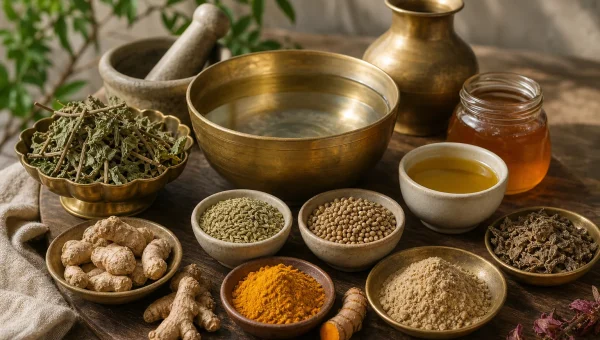
Warm rice gruel, rice porridge, or khichdi: Soft rice preparations with ghee, cumin, fennel, dill, or mild digestive spices are classic postpartum foods because they are easy to digest and can be made more nourishing without becoming heavy. Mung dal khichdi with ghee is often suitable when appetite is low but nourishment is needed.
Milk and ghee, when tolerated: Sweet, unctuous foods prepared with milk and ghee are traditionally used to nourish Rasa and support postpartum strength. They should be warm, freshly prepared, and adjusted to the mother’s digestion. If dairy causes heaviness, mucus, bloating, or intolerance, it should be modified under guidance rather than forced.
Sesame seeds (Tila): Sesame is a valued nourishing food in postpartum cooking. Black sesame, sesame laddoo, sesame paste, or sesame added to porridges can provide warmth, oiliness, and mineral-rich nourishment. It is best taken in moderate culinary amounts and balanced with digestion-supporting spices.
Garlic (Lashuna): Cooked garlic in ghee is a traditional postpartum food in many Indian households. Garlic flavor can pass into breast milk, and food-level use is generally treated as compatible with breastfeeding. It should be cooked rather than taken raw in excess, especially in mothers with acidity, bleeding risk, strong Pitta symptoms, or infants who seem sensitive.
Dates (Kharjura): Dates are sweet, strengthening, and convenient during night feeds. They pair well with warm milk, porridges, sesame preparations, or soaked nuts. Their role is nourishment and sustained energy rather than an instant milk-supply effect.
Fenugreek seeds (Methi): Fenugreek is widely used as a galactagogue in household traditions. It can be taken as a food spice, soaked seed, or mild decoction when suitable. It is not ideal for everyone: mothers with legume allergy, diabetes medication, anticoagulant use, loose stools, strong body heat, or infant gassiness should use it only with professional guidance.
Fennel and dill seeds: Fennel is Mishreya or Saunf, while Shatapushpa or Satahva classically refers to dill. Both are used in postpartum cooking for digestive comfort. A light seed infusion after meals can support the mother’s digestion, but concentrated essential oils and strong infant dosing should be avoided unless prescribed.
Turmeric in warm food or milk: Turmeric is useful as a culinary spice in postpartum meals, especially when cooked with ghee or added in small amounts to warm milk. It should be treated as a food-level support for comfort and digestion, not as the primary galactagogue. Mothers taking blood thinners, those with gallbladder issues, or those prone to acidity should use concentrated turmeric supplements only with medical guidance.
Foods and Patterns That Can Disturb Stanya
Ayurveda gives as much attention to what weakens digestion as to what increases nourishment. The goal is not fear-based restriction but careful observation of the mother’s digestion and the baby’s response.
- Skipping meals, under-eating, fasting, or eating at irregular times can reduce postpartum nourishment.
- Cold drinks, refrigerated leftovers, very dry snacks, and raw-heavy meals may aggravate Vata when digestion is weak.
- Excessively pungent, sour, salty, or heating foods may aggravate Pitta signs such as breast heat, acidity, irritability, or infant heat symptoms.
- Very heavy, fried, stale, excessively sweet, or mucus-forming meals may worsen Kapha signs such as heaviness, sluggish digestion, or milk stagnation.
- Excessively bitter or pungent intake is traditionally avoided when milk quantity is already low.
- Beans, cabbage, onion, and similar foods do not need to be universally banned; they should be cooked well, spiced appropriately, and reduced only if they clearly disturb the mother or infant.
- Alcohol is best avoided while breastfeeding. If alcohol is taken, timing and infant safety should be discussed with a healthcare provider, because alcohol passes into breast milk and can affect feeding, sleep, and caregiving safety.
Herbs for Stanya Enrichment
Herbs work best when the fundamentals are already in place: frequent milk removal, effective latch, adequate calories, hydration, rest, and maternal reassurance. Ayurvedic herbs should be selected by constitution, symptoms, digestion, medical history, and infant status.
Shatavari: The Main Stanyajanana Herb
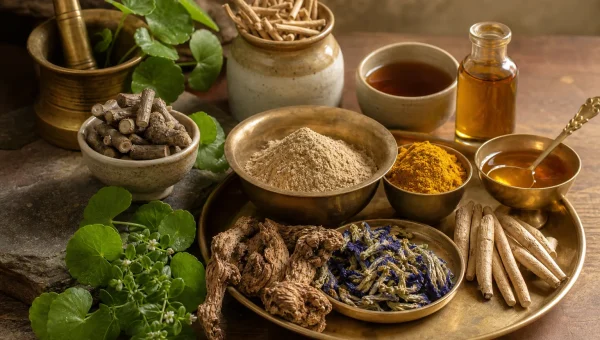
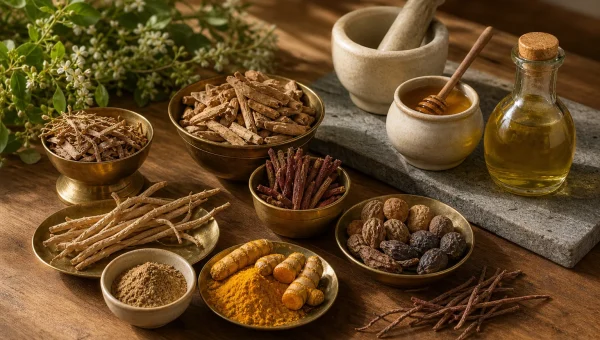
Shatavari (Asparagus racemosus) is one of the best-known Ayurvedic herbs for lactation support. It is traditionally chosen when low supply appears with depletion, dryness, heat, poor recovery, or emotional strain. It is commonly prepared with warm milk and ghee when digestion and dairy tolerance allow. Contemporary lactation references describe shatavari as a long-used Indian galactagogue with small controlled observations suggesting benefit, while also emphasizing that galactagogues should not replace evaluation of latch, feeding frequency, maternal health, and infant weight gain.
Vidari for Depletion and Vata-Type Insufficiency
Vidari or Vidarikanda is classically represented in the Ayurvedic Pharmacopoeia as Pueraria tuberosa. It is a sweet, nourishing, strengthening herb used when the postpartum picture is marked by depletion, dryness, weight loss, fatigue, poor sleep, and Vata-type low milk. Because trade names can vary regionally, the botanical identity and product quality should be checked before use.
Rose for Pitta-Soothing Comfort
Satapatrika, represented in the Ayurvedic Pharmacopoeia as the dried flower of Rosa centifolia, is a gentle cooling and pleasant postpartum support. Rose preparations such as small amounts of gulkand or rose water in milk may be suitable when the mother has heat, irritability, thirst, or Pitta-type discomfort. It should be understood as a cooling and comforting support, not the primary milk-producing herb.
Digestive Seeds: Fennel and Dill
Fennel (Foeniculum vulgare) and dill (Anethum sowa) are commonly used as postpartum digestive seeds. Their role is to keep the mother’s digestion comfortable, reduce bloating, and make heavier nourishing foods easier to tolerate. A mild tea or culinary use is usually preferred over strong extracts during breastfeeding.
The Daily Stanya Protocol: Practical Implementation
A daily rhythm should be simple enough for a tired mother to follow. The following is a practical Ayurvedic template that can be adjusted for appetite, digestion, climate, culture, and professional advice.
| Time | Practice | Purpose |
|---|---|---|
| Morning | Warm water or a mild fennel/dill seed infusion | Gently wakes digestion and supports hydration |
| Breakfast | Warm rice porridge or oats with ghee, dates, and sesame | Builds Rasa and provides steady postpartum nourishment |
| After feeds | Rest, skin-to-skin contact, and frequent effective nursing or pumping when needed | Supports letdown, bonding, and milk removal |
| Lunch | Khichdi or soft rice with mung dal, ghee, cumin, turmeric, and cooked garlic | Combines nourishment with digestibility |
| Afternoon | Dates, soaked almonds, sesame laddoo, or warm milk if tolerated | Prevents depletion during long feeding periods |
| Evening | Shatavari or Vidari preparation only when suitable and advised | Targeted support for low supply with depletion |
| Bedtime | Warm milk with a small amount of turmeric and ghee, or a non-dairy warm alternative | Supports comfort, warmth, and night recovery |
Breast Care and Local Practices
External care complements internal nourishment. The postpartum breast should be treated gently, with warmth, cleanliness, and attention to milk flow.
- Warm compress before nursing: A warm cloth over the breast before feeding can support comfort and letdown, especially when the breast feels full or tense.
- Gentle breast massage: Light circular massage toward the nipple may help comfort and milk movement. Deep, forceful pressure should be avoided because it can worsen inflammation or tissue pain.
- Avoid sudden cold exposure: Classical postpartum care emphasizes warmth. Cold bathing, cold compresses without indication, and chilled exposure to the chest may be uncomfortable for some mothers and can aggravate Vata-type tension.
- Respond early to stagnation: A painful lump, redness, fever, chills, or flu-like symptoms should be addressed promptly with a healthcare provider or lactation consultant.
Special Considerations: When to Seek Help
Ayurvedic support for breastfeeding works best as a complement to professional lactation care. Seek help from a certified lactation consultant, pediatrician, or qualified healthcare provider if any warning signs appear.
- The infant is not feeding at least 8 times in 24 hours in the early weeks.
- You do not hear swallowing during feeds, or the baby remains fussy and unsatisfied after most feeds.
- The baby continues losing weight after day 5 or has not returned to birth weight by about 10 to 14 days.
- By day 5, the baby has fewer than 6 wet diapers or fewer than 3 stools in 24 hours.
- The baby shows jaundice, lethargy, poor suck, dehydration, or inadequate weight gain.
- You have severe nipple pain, cracked bleeding nipples, recurring blocked ducts, mastitis symptoms, fever, or a hot red painful breast.
- Milk supply concerns persist despite frequent effective milk removal and adequate maternal nourishment.
The herbs and dietary measures described here are supportive. They do not correct structural breastfeeding issues such as tongue-tie, poor latch mechanics, retained placental fragments, endocrine disorders, severe anemia, or medication-related milk suppression.
For related reading on Ayurvedic approaches to women’s postpartum health, see our guide on Ayurvedic women’s health protocols and our discussion of Shatavari’s documented properties.
Important safety note: This article is educational and is not a substitute for medical care, pediatric assessment, or skilled lactation support. Herbs, even familiar food herbs, can interact with medicines and may affect infants. Consult a qualified Ayurvedic practitioner, lactation consultant, pediatrician, or healthcare provider before using herbs during breastfeeding, especially if the baby is premature, low birth weight, jaundiced, ill, or not gaining weight; if the mother has diabetes, bleeding risk, allergies, mastitis, thyroid disease, hormonal disorders, or takes prescription medicines; or if concentrated extracts, essential oils, or multiple supplements are being considered.
Priya Nair is a women’s wellness specialist and Ayurvedic health educator. She works with women through fertility, pregnancy, postpartum recovery, and midlife transitions, integrating classical Ayurvedic principles with evidence-informed women’s health practice.
References
- Charaka Samhita — Stanya
- Jaims (jaims.in)
- CDC
- CDC
- NCBI
- NCBI
- NCBI
- NCBI
- Monell (monell.org)
- NCBI
- The Ayurvedic Pharmacopoeia of India, development and perspectives (2017), PubMed
- Ayurvedic Pharmacopoeia of India
- Ayurvedic Pharmacopoeia of India
- Ayurvedic Pharmacopoeia of India
- Ayurvedic Pharmacopoeia of India
The Thrissur mother-in-law arriving with a bag of specific ingredients is exactly my experience. She didn’t explain, she just knew. My milk supply improved within a week of her dietary protocol.
Is the Shatavari-ghee-ashwagandha protocol safe for mothers whose infants have dairy sensitivity? I’m not sure if anything consumed affects breast milk composition in the ways described.
For Breast Milk Quality, consistency seems like the hard part. This would be easier to follow with a one-week sample plan.
The anxiety about milk quality is so real and almost nobody talks about it. My mother kept telling me what to eat and I kept half-ignoring her. I wish I had taken the dietary guidance more seriously from the beginning instead of only starting in week four. Did anyone notice a difference in the baby’s digestion or sleep when they made the dietary changes the article recommends?
Reading about how Stanya is linked to Rasa dhatu made me rethink my postpartum meals.
The tip about black sesame paste in the morning sounds easy to try.
I wonder if fenugreek tea really boosts supply as the study mentioned.
Warm turmeric milk with ghee at bedtime seems like a soothing ritual.
Avoiding raw onions and cabbage while nursing could help keep the baby comfortable.
The idea that garlic flavor in milk might encourage longer nursing is interesting.
I tried adding dates to my oatmeal and noticed more energy during night feeds.
Shatavari powder mixed with warm milk and ghee feels like a traditional tonic worth exploring.
Checking with a lactation consultant alongside these Ayurvedic practices feels balanced.
Useful
the language is accessible which is rare for classical Ayurveda writing
been following this blog for six months and the quality is consistently high.
thanks for the clear writing. This isnt easy material to explain simply.
the depth here is unusual for a blog. reads more like a textbook chapter.
I’m in the US and getting authentic herbs here is hard. Any trusted online sources?
as someone who does both allopathy and Ayurveda I appreciate that this article doesn’t demonize either.
Do the ratios change if you are doing this as preventive care versus active treatment?
My western trained MD friend looked at this and said the pharmacology section was reasonable.
Is there a difference in the recommended protocol for PCOS with insulin resistance versus without?
Can this be done alongside an allopathic treatment or should there be a gap? धन्यवाद
the Hindi terms alongside English make this usable in both languages.
for Pitta-Kapha dual constitution which aspects of the protocol take priority?
The Breast Milk Quality section feels grounded enough to try carefully. I would still ask a practitioner before changing medicines.
starting today. Fingers crossed.
what brand of triphala do you recommend? So many options and quality varies greatly.
this article connected the dots between things my vaidya told me over several years.
The article mentions trimester-specific herbs but doesn’t give exact dose ranges for the first trimester.
Going to share this at my wellness group meeting next week. Very useful.
Can this be done alongside an allopathic treatment or should there be a gap?
how does weather and season affect the protocol? Im in a hot humid climate.
skeptical but curious. trying the minimal version first. 🙏
found this article after searching for 3 days. Exactly what I needed.
Just found this through Google. Is this still the current recommendation?
i was prescribed this by a practitioner 2 years back but never understood why. now i do.
skeptical but curious. trying the minimal version first.
My doctor actively discouraged this after I mentioned it. Getting conflicting guidance is difficult to navigate.
how does weather and season affect the protocol? Im in a hot humid climate. धन्यवाद
this article finally explained why my cycles were irregular in winter. The Vata-cold connection makes sense.
the combination of classical reasoning and practical steps is exactly what I was looking for.
the postpartum protocol you described is what my grandmother practiced without knowing the formal name for it.
do the ratios change if u r doing this as preventive cr versus active treatment?
I came for Breast Milk Quality and this answered the main question. The article avoids making it sound like a quick fix.
The balance between Sanskrit terminology and plain English is really well done.
any recommendation for online vaidya consultations for those of us not near an Ayurvedic clinic?
real information. Not fluff. Rare.
shared with my family group and three people are already trying it.
Helpful
so much misinformation out there. Good to find something grounded. ❤️
shared this with my midwife who was actually interested in the classical postpartum care framework.
never thought I’d become an Ayurveda convert but here I am reading every article. नमस्ते
the morning versus evening split for herbs is something I always get confused about. Clear here. ✨
no mention of how these herbs interact with hormonal contraceptives. That’s an important omission.
pitta burning its way through this article and finding useful info 🔥 just kidding but yes helpful.
the comments section here is almost as useful as the article itself
I would like more detail on Breast Milk Quality. This would be easier to follow with a one-week sample plan.
Tried. Liked. Continuing.
The dose specificity here is what makes this actionable. Vague ‘take regularly’ instructions are useless.
Is the guidance here applicable for elderly patients or is it designed for younger adults?
first comment here. been lurking for months. this is the one that made me want to say thank u
Does this protocol need modification for someone who is fasting during Navratri?
For Breast Milk Quality, consistency seems like the hard part. I would like to know how long to try it before judging results.
Skeptical about Ayurveda in general but this is presented honestly enough that I’ll try it.
late to this discussion but the question in the first comment is still unanswered anyone have more info? 🙏
Been meaning to try this for two years. This article finally pushed me to start.
The writing assumes India-based readers. Temperature/herb availability differs greatly outside India.
late to this discussion but the question in the first comment is still unanswered anyone have more info?
would like to see the contraindications section expanded. Too brief for something being suggested for health issues.
u said it better than my 45-min consult with the vaidya tbh
is the guidance here applicable for elderly patients or is it designed for unger adults? 🙌
finally something that explains the why, not just the what.
the question about brand quality is important. not all suppliers are equal.
for an old post this is still very relevant. good information doesnt expire.
Shared this with my 68-year-old father. He said it’s exactly what his vaidya prescribed 30 years ago.
Old post but still helpful. for Kapha-dominant types is the warm water recommendation essential or can it be room temp?
How does weather and season affect the protocol? I’m in a hot humid climate. 🙌
as someone who does both allopathy and Ayurveda I appreciate that this article doesnt demonize either.
I appreciate the acknowledgment that this isn’t a substitute for professional consultation. 🙌
I took notes from this and created a personal protocol. Three weeks in, positive changes.
Sharing this
I was looking for a plain explanation of Breast Milk Quality. This would be easier to follow with a one-week sample plan.
the article mentions trimester-specific herbs but doesnt give exact dose ranges for the first trimester.
my Ayurvedic practitioner of 12 years said this is one of the better online resources she’s seen on the topic.
quality content. Keep writing like this.
Tried this for 6 weeks without the results described. Maybe the protocol needs personalizing.
can the Shatavari protocol be continued during early pregnancy or should it be stopped?
the classical text quotes are helpful context but I’d like to understand the modern interpretation better.
Reading this in 2027, just found this through Google. Is this still the current recommendation?
i appreciate that the dosages are given in actual mg not just ‘a pinch’ or ‘as needed’.
at what age should girls start learning about seasonal adjustments for their constitution?
late to this but i dont comment usually but this was actually helpful
three months later: the results held. Happy to report. 🙌
late to this but first comment here. been lurking for months. this is the one that made me want to say thank u
The PCOS section oversimplifies a complex hormonal condition. Not all PCOS responds to the same approach.
Thanks for the clear writing. This isn’t easy material to explain simply.
too theoretical without enough concrete steps. The ‘what’ is clear but the ‘how exactly’ is missing.
this site is different from other ayurveda blogs. feels researched not just copied. 🌿
People should know this. Sharing everywhere.
practical + scientific = rare combo in Ayurveda content. Good work.
late to this but just found this through Google. Is this still the current recommendation?
started the Shatavari protocol during perimenopause and the hot flashes have reduced significantly.
old post but still helpful. the depth here is unusual for a blog. reads more like a textbook chapter.
my experience perfectly matches what is described in the long-term use section.
I would like more detail on Breast Milk Quality. Good starting point for a cautious reader.
finally something that explains the why, not just the what. 💯
old post but still helpful. this is now my reference article for explaining this topic to friends.
the sourcing of quality herbs in my city is impossible. Makes these protocls academic for many readers.
does anyone know a practitioner in Hyderabad who works with this kind of protocol?
is the guidance here applicable for elderly patients or is it designed for younger adults? 🙌
the before-and-after in my experience matches what the article predicts. That’s meaningful.
so much misinformation out there. Good to find something grounded.
For Breast Milk Quality, consistency seems like the hard part. The main idea is clear even if someone is new to Ayurveda.
started following this a month ago. small but real difference. thank u
brilliant breakdown. Forwarding this.
What brand of triphala do you recommend? So many options and quality varies greatly. 🙏
late to this but the practical implementation section is what separates this from other Ayurveda sites.
reading this in 2027, the question about brand quality is important. not all suppliers are equal.
The Breast Milk Quality explanation is clearer than most short posts. This feels more usable than a long list of herbs.
the reference to Ashtanga Hridayam which Sutrasthana chapter? Would like to read the original.
i asked my dr about this. she said she doesnt have enough info on it but didnt say no ठीक है
late to this but my grandma was right about all of this. just didnt have the explanation.
Late to this but does anyone know a practitioner in Hyderabad who works with this kind of protocol?
reading this in 2027, reading this in 2027 are the herb sourcing recommendations still valid?
The safest part of the Breast Milk Quality advice is keeping it simple. The main idea is clear even if someone is new to Ayurveda.
too theoretical without enough concrete steps. The ‘what’ is clear but the ‘how exactly’ is missing. ❤️
Will try 🙏
old post but still helpful. will come back to this when I hit the cooling phase very detailed.
will come back to this when I hit the cooling phase very detailed.
as someone who does both allopathy and Ayurveda I appreciate that this article doesnt demonize either. ✨
the side effects mentioned are minimal. i appreciate that you’re honest about what to watch for.
reading this in 2027, the dose specificity here is what makes this actionable. Vague ‘take regularly’ instructions are useless.
my doctro actively discouraged this after I mentioned it. Getting conflicting guidance is difficult to navigate.
the seasonal protocl is smart. Most people try to use the same routine all year.
reading this in 2027, the balance between Sanskrit terminology and plain English is really well done.
this is the clearest explanation of this topic Ive found. Bookmarked for reference.
the sourcing of quality herbs in my city is impossible. Makes these protocols academic for many readers.
shared this with my 68-year-old father. He said its exactly what his vaidya prescribed 30 years ago.
Doing this
Old post but still helpful. shared this with my 68-year-old father. He said it’s exactly what his vaidya prescribed 30 years ago.
The Breast Milk Quality angle is useful here. This feels more usable than a long list of herbs.
reading this in 2027, skeptical about Ayurveda in general but this is presented honestly enough that I’ll try it.
Good reminder on Breast Milk Quality. The examples make the advice less abstract.
Just found this via Google, at what age should girls start learning about seasonal adjustments for their constitution?
I came for Breast Milk Quality and this answered the main question. The main idea is clear even if someone is new to Ayurveda.
forwarded to my whole family WhatsApp group. Three replies already asking for more details.
The classical text reference to Charaka Samhita gave this article more credibility in my eyes.
Just found this via Google, too theoretical without enough concrete steps. The ‘what’ is clear but the ‘how exactly’ is missing.
Found this searching for answers, this is the clearest explanation of this topic I’ve found. Bookmarked for reference.
This makes sense for Breast Milk Quality. I would still ask a practitioner before changing medicines.
some of the preparation methods are too time-intensive for working adults. Needs a quick-version alternative.
Just found this via Google, skeptical about Ayurveda in general but this is presented honestly enough that I’ll try it.
old post but still helpful. this is the clearest explanation of this topic Ive found. Bookmarked for reference.
this is now my reference article for explaining this topic to friends.
How long does a typical protocol like this take to show results?
for an old post this is still very relevant. good information doesn’t expire.
Found this searching for answers, never thought I’d become an Ayurveda convert but here I am reading every article.
I appreciate the acknowledgment that this isn’t a substitute for professional consultation.
i wish there were more clinical studies cited here. Traditional use is valuable but not sufficient evidence alone. 🌿
would love a video version of the preparation method 🙌
late to this but my western trained MD friend looked at this and said the pharmacology section was reasonable.
my practitioner mentioned this approach last week. Nice to find a detailed written explanation.
The dosage for children per kg bodyweight would be useful to add.
old post but still helpful. as someone who does both allopathy and Ayurveda I appreciate that this article doesnt demonize either.
My yoga teacher recommended this site and now I see why. ❤️
Found this searching for answers, the classical text quotes are helpful context but I’d like to understand the modern interpretation better.
Good info
The combination of theory and practical steps is what I appreciate most about this blog.
never thought I’d become an Ayurveda convert but here I am reading every article.
just found this via Google, the comments section here is almost as useful as the article itself
my grandma was right about all of this. just didn’t have the explanation.
Can someone here who has tried this protocol confirm the timeline? Two weeks vs six weeks?
just found this via Google, can the Shatavari protocol be continued during early pregnancy or should it be stopped?
coming from a conventional medicine background this article impressed me with its rigor.