
Ayurvedic Meal Prep: A Week of Dosha-Balanced Lunches
Ayurveda gives great importance to food that is warm, freshly prepared, suitable to the eater, taken in proper quantity, and eaten after the previous meal has digested. A modern workweek does not always allow fresh midday cooking, so Ayurvedic meal prep works best as a compromise: prepare foundations in advance, keep cooked food as fresh as practical, and finish each lunch with fresh garnishes, appropriate spices, and mindful reheating.
The aim is not to cook five complete meals on Sunday and forget about them. A more Ayurvedic approach is to batch durable components: wash and chop hardy vegetables, soak legumes, prepare dry spice blends, cook grains and dal for the next day, and schedule a short midweek refresh. This keeps the convenience of meal prep while honoring the classical preference for warm, recently prepared food.
Ayurveda’s Stance on Reheated and Stored Food
Classical Ayurvedic food guidance emphasizes ahara vidhi, the method of eating: food should be warm, unctuous enough for the person, taken in proper quantity, and eaten only when the earlier meal has digested. Warm food is described as supportive of agni, while overly stale, impure, or decomposed food is avoided in the broader sattvic-yogic food tradition.
This does not mean that every kind of preparation must be rejected. Dry spice powders, ghee, roasted seeds, whole grains, soaked legumes, pickles, and certain condiments have long been part of Indian kitchens. The practical distinction is between preparing ingredients ahead and repeatedly eating old, heavy, reheated meals. For a sattvic diet plan, the best strategy is to prep intelligently, cook in small batches, and keep the final meal as close to lunchtime as possible.
Smart Storage Guidelines
Use storage as a support, not as the center of the diet. Refrigerate cooked items promptly in shallow, clean, airtight containers, label them clearly, and reheat only the portion that will be eaten.
- Cooked grains, dals, and curries: For an Ayurvedic freshness standard, prepare only one to two days at a time. A conservative food-safety approach is to use refrigerated cooked food within 12-24 hours whenever possible.
- Cooked vegetables: Root vegetables and dry sabzis hold their texture better than leafy greens. Leafy greens are best added fresh or cooked the morning of eating.
- Chopped vegetables: Store hardy vegetables such as carrots, beans, beetroot, cauliflower, and gourds separately, dry and unseasoned. Cut watery vegetables and fruits close to eating.
- Spice blends: Dry roasted and powdered spices can be prepared ahead and kept in a dark, airtight jar. Make small batches so the aroma remains strong.
- Chutneys and wet pastes: Fresh herb, coconut, and yogurt-based preparations should be made in small quantities and eaten the same day or the next day.
- Reheating rule: Reheat gently and thoroughly, preferably on the stovetop with a splash of water. Reheat a portion only once, then finish with fresh herbs, lemon, ginger, or ghee according to the dosha and season.
Prep-Ahead Spice Blends
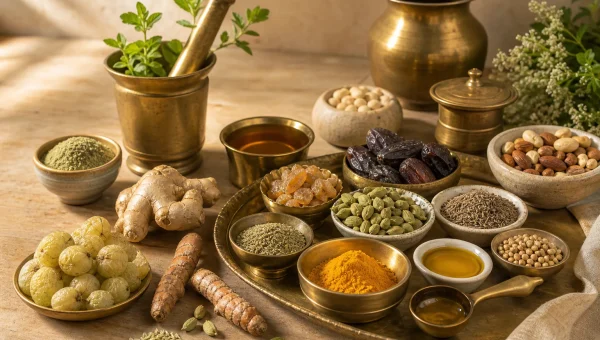
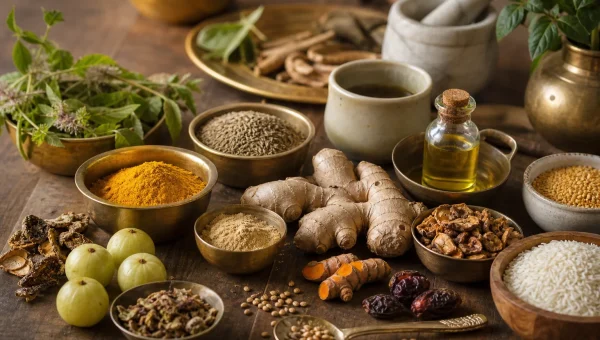
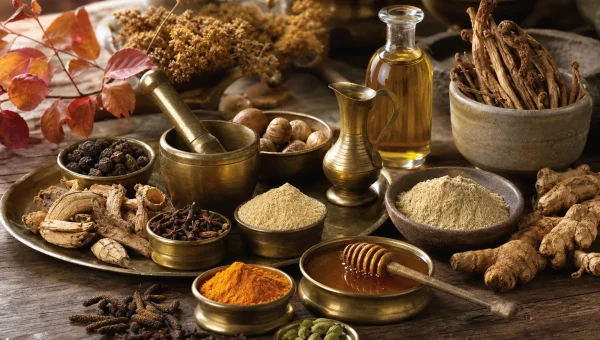
Spice blends are the safest and most useful part of Ayurvedic meal prep. They save time without forcing you to rely heavily on old cooked food, and they let one base meal be adjusted for Vata, Pitta, or Kapha. A well-stocked Ayurvedic spice box is the foundation.
Vata-Pacifying Blend
Combine ground cumin, dry ginger, cinnamon, cardamom, and a small pinch of asafoetida. This warming, aromatic blend suits Vata’s cold, dry, mobile tendency, especially when used with ghee or sesame oil in soft, moist foods such as dal, kitchari, rice, and cooked root vegetables.
Pitta-Cooling Blend
Mix ground coriander, fennel, turmeric, cardamom, and dried mint. Use this blend for meals that need flavor without excess chili, garlic, sourness, or sharp heat. It works well with mung dal, rice, gourds, coconut-based curries, cilantro, and cooling seasonal vegetables.
Kapha-Stimulating Blend
Combine black pepper, dry ginger, turmeric, mustard seed powder, and a very small amount of cayenne. This is a kitchen masala for Kapha-type heaviness, not classical Trikatu. Classical Trikatu is based on dry ginger, black pepper, and long pepper; this lunch blend borrows the same pungent logic while staying practical for everyday cooking.
The Sunday Prep Session: A 2-Hour Timeline
A useful Sunday prep session should create foundations for Monday and Tuesday, plus clean ingredients for quick cooking later in the week. Add a short Wednesday refresh for Thursday and Friday so the lunches stay closer to Ayurvedic freshness.
- 0:00-0:15: Rinse grains and dals. Soak chickpeas if using dried. Wash vegetables, dry greens well, and sort ingredients by meal.
- 0:15-0:45: Cook a small batch of mung dal or kitchari for the first one or two lunches. Roast hardy root vegetables such as carrots, beetroot, and sweet potato with ghee and mild spices.
- 0:45-1:15: Cook basmati rice or millet for the next day. Prepare a simple tadka base with ghee, cumin, mustard seed, curry leaves, and asafoetida. Keep it separate so it can freshen reheated dal.
- 1:15-1:45: Prepare one dry sabzi, such as cauliflower-potato or green beans with coconut. Chop hardy vegetables for the midweek refresh, but keep watery vegetables, yogurt, and fresh chutneys for the day of eating.
- 1:45-2:00: Cool cooked food quickly, portion only Monday and Tuesday meals, and label each container. Store spice blends, chopped vegetables, and soaked legumes separately.
On Wednesday evening or Thursday morning, repeat a shorter 30-40 minute refresh: cook the soaked legumes, prepare fresh greens, make a small chutney or raita, and cook a new grain base. This keeps the full five-lunch plan realistic without relying on old cooked food.
Five Dosha-Balanced Lunch Recipes
Each lunch includes protein-rich legumes or pulses, grains or millets, vegetables, digestive spices, and a suitable fat. The dosha notes are general; a proper Prakriti assessment is the best way to know which variation suits your constitution, season, and digestive strength.
Lunch 1: Golden Mung Dal with Basmati Rice and Seasonal Vegetables
Green gram, or mung, is one of the most valued pulses in Ayurvedic dietetics. It is considered light compared with many legumes and is especially useful when cooked soft with warming spices. Because dry or under-oiled pulses may disturb Vata, Vata versions should be moist, well-cooked, and finished with ghee.
Base recipe: Cook yellow split mung dal with turmeric, cumin, a bay leaf, and enough water until very soft. Prepare a ghee tadka with cumin seeds, mustard seeds, curry leaves, and a pinch of asafoetida. Serve with basmati rice, steamed seasonal vegetables, and fresh cilantro or lemon according to constitution.
- Vata modification: Add extra ghee, fresh ginger, hing, and soft root vegetables such as carrot or sweet potato. Keep the dal soupy.
- Pitta modification: Reduce chili and mustard seed, garnish with cilantro, and pair with cucumber raita or coconut if digestion allows.
- Kapha modification: Reduce the rice portion, add black pepper and ginger, and use bitter or astringent vegetables such as greens, broccoli, or beans.
Lunch 2: Kitchari Bowl with Roasted Vegetables
Kitchari is a simple one-pot meal based on grain, pulse, fat, salt, and digestive spices. It is one of the easiest lunches to refresh because it can be loosened with hot water and revived with fresh tadka just before eating.
Base recipe: Cook equal parts basmati rice and split mung dal with turmeric, cumin, coriander, fresh ginger, hing, and ghee. Separately roast diced sweet potato, zucchini, or carrots with cumin. Layer the kitchari in a container and keep roasted vegetables separate until serving.
- Vata modification: Use more ghee, more water, and soft-cooked carrots or beets. Avoid dry, crunchy toppings.
- Pitta modification: Use coriander, fennel, cilantro, zucchini, asparagus, or bottle gourd. Keep chilies and sour pickles low.
- Kapha modification: Use less rice and more mung, or use a lighter grain such as barley or millet. Add black pepper, mustard seed, ginger, and steamed greens.
Lunch 3: Spiced Chickpea and Spinach Stew
Chickpeas are more substantial and drier than mung dal, so this lunch suits Kapha-type heaviness or people with strong digestion better than delicate Vata digestion. Preparing the chickpea base ahead and adding greens fresh gives a better texture and a lighter feel.
Base recipe: Cook soaked chickpeas until soft. Sauté ginger, cumin, coriander, turmeric, and a small amount of tomato in ghee or oil. Add chickpeas and simmer until the stew thickens. Stir in fresh spinach or chard near the end, and finish with lemon only if it suits your digestion and Pitta condition.
- Vata modification: Mash some chickpeas, add extra ghee, use hing and ginger, and keep the stew moist. Avoid raw onion garnish.
- Pitta modification: Reduce garlic, chili, and tomato. Use chard, cilantro, and a milder coriander-fennel profile.
- Kapha modification: Use less oil, add ginger and black pepper, increase greens, and skip or reduce rice.
Lunch 4: Coconut Vegetable Curry with Millet
This lunch is moist, gentle, and naturally suited to Pitta or Vata when prepared with mild spices. Coconut is rich and heavy, so Kapha versions should be lighter, thinner, and more pungent.
Base recipe: Sauté mustard seeds, curry leaves, cumin, and a little ginger in coconut oil or ghee. Add green beans, carrots, cauliflower, peas, bottle gourd, or ash gourd. Pour in coconut milk diluted with water, add turmeric and coriander, and simmer until tender. Serve with foxtail millet, barnyard millet, barley, or rice according to dosha.
- Vata modification: Use full-fat coconut milk, ghee, cinnamon, and well-cooked sweet vegetables such as pumpkin or sweet potato.
- Pitta modification: Use cilantro, coriander, fennel, curry leaves, gourds, and mild vegetables. Avoid excess tomato, chili, and sourness.
- Kapha modification: Dilute coconut milk, use barley or millet, add black pepper and ginger, and keep the vegetable portion larger than the grain portion.
Lunch 5: Sesame-Ginger Grain Bowl with Pickled Vegetables
This bowl uses the Ayurvedic idea of including the six tastes: sweet, sour, salty, pungent, bitter, and astringent. It works best when components are stored separately and assembled warm, with sour or salty items used in small amounts.
Base recipe: Layer warm brown rice, barley, millet, or quinoa with cooked lentils, sautéed greens, toasted sesame seeds, and ginger. Add a small portion of lightly pickled carrot or radish, then finish with sesame oil, cilantro, and lemon if appropriate.
- Vata modification: Use warm rice, extra oil or tahini, soft greens, and only a small amount of pickle.
- Pitta modification: Use cucumber, mint, cilantro, coconut, and mild sesame. Reduce sour pickle and ginger.
- Kapha modification: Use barley, millet, or quinoa in a smaller portion, increase greens, add ginger and black pepper, and keep sesame oil light.
Complete Lunch Comparison Table
The storage notes below favor Ayurvedic freshness and conservative food safety. When in doubt, cook less, refresh more often, and avoid repeated reheating.
| Lunch | Key Ingredients | Best for Dosha | Storage Approach | Reheating Notes |
|---|---|---|---|---|
| Golden Mung Dal & Rice | Mung dal, basmati rice, seasonal vegetables, ghee, cumin, turmeric | Tri-doshic with modifications | Best same day or next day refrigerated | Add hot water and ghee; finish with fresh cilantro or lemon if suitable |
| Kitchari Bowl | Rice, mung dal, roasted vegetables, ginger, coriander, hing | Vata and Pitta; adjustable for Kapha | Best same day or next day refrigerated | Reheat to a soft porridge consistency with fresh tadka |
| Chickpea Spinach Stew | Chickpeas, greens, cumin, coriander, ginger, turmeric | Kapha and strong digestion | Store chickpea base; add greens fresh when possible | Reheat base thoroughly, then stir in fresh greens |
| Coconut Vegetable Curry | Coconut milk, seasonal vegetables, curry leaves, millet or barley | Pitta and Vata; lighter version for Kapha | Best next day; keep grain separate | Reheat gently; coconut may separate, so stir well |
| Sesame-Ginger Grain Bowl | Grain, lentils, sesame, greens, ginger, small pickle portion | Tri-doshic with modifications | Store components separately; assemble fresh | Warm grain and lentils; add fresh toppings after heating |
The Complete Shopping List
This list covers five lunches for one person, assuming a Sunday prep and a midweek refresh. Adjust quantities according to appetite, season, constitution, and whether lunch is your main meal.
Grains and Legumes
Choose grains according to dosha: rice is gentle for many Vata and Pitta meals, while barley and millets are useful when Kapha needs a lighter, drier base.
- Basmati rice: 500 g
- Foxtail, barnyard, or little millet: 200 g
- Barley or quinoa: 200 g
- Yellow split mung dal: 400 g
- Chickpeas: 300 g dried, or 2 cans
- Red or brown lentils: 150 g
Vegetables
Favor seasonal vegetables. Use roots and gourds for moist, grounding meals; use greens and cruciferous vegetables when the lunch needs to be lighter.
- Sweet potato: 2 medium
- Carrots: 4 medium
- Spinach, chard, or seasonal greens: 2 bunches
- Cauliflower: 1 small head
- Green beans: 200 g
- Zucchini, bottle gourd, or ash gourd: 2 medium portions
- Bell pepper: 1
- Beetroot: 2 small
- Daikon radish or regular radish: 1 small
- Onions: 3-4 medium, optional according to diet style
- Tomatoes: 2-3 medium, optional and used lightly for Pitta
- Fresh ginger root: 100 g
- Garlic: 1 head, optional and used lightly for Pitta or sattvic cooking
- Peas: 200 g
Fats, Dairy, and Pantry
Use fats to match the meal: ghee for Vata and Pitta-style softness, lighter oil use for Kapha, and fresh yogurt only when season, digestion, and food combining are appropriate.
- Ghee: 250 g
- Coconut oil: 100 ml
- Coconut milk: 1 can, 400 ml
- Sesame oil: 100 ml
- Sesame seeds: 50 g
- Plain yogurt for raita: 200 g, optional
- Lemons or lime: 4
- Fresh cilantro: 2 bunches
- Fresh curry leaves: 1 sprig
- Jaggery: small piece, optional and used sparingly
Spices
Keep the spice list simple and fresh. A few well-used spices are more valuable than many old powders with little aroma.
- Turmeric powder, cumin seeds, cumin powder, coriander powder, mustard seeds, black pepper, cinnamon, cardamom, asafoetida, dried red chilies, bay leaves, fennel seeds, dry ginger powder, and long pepper if preparing classical Trikatu separately
Container and Tiffin Recommendations
Food storage should protect freshness, prevent leakage, and avoid unnecessary contact with hot food and unsuitable materials. Traditional tiffin planning also helps keep dal, rice, vegetables, and chutney separate until eating.
- Stainless steel tiffin: Three- or four-tier tiffins keep components separate and are useful for warm lunches, dry sabzis, rice, and dal.
- Glass containers with locking lids: Good for refrigerator storage, especially for wet preparations. Let hot food cool safely before sealing and refrigerating.
- Small spice and garnish box: Carry fresh cilantro, roasted cumin, lemon, ginger, or sesame separately so the meal can be finished fresh.
- Copper water vessel: Use only for plain drinking water if it suits you. Do not treat copper water as medicine, and avoid it if a clinician has advised you to restrict copper.
- Avoid for hot food: Thin plastic containers, reheating plastic, and packing very hot oily food directly into plastic.
Reviving Prepped Food: The Ayurvedic Way
Reheating is not only about temperature. The Ayurvedic aim is to restore warmth, moisture, aroma, and digestive friendliness without repeatedly heating the same food.
- Reheat only one portion: Take out only what you will eat, heat it thoroughly, and do not return reheated leftovers to storage.
- Use the stovetop when possible: Add a little hot water to dal, kitchari, rice, or curry and warm slowly until the texture becomes soft again.
- Add a fresh element: Cilantro, lemon, grated ginger, mint, curry leaves, or freshly roasted cumin can brighten food that was cooked earlier.
- Use ghee appropriately: A small spoon of ghee restores softness to rice, dal, and kitchari, especially for Vata. Kapha meals may need less ghee and more ginger or black pepper.
- Use ginger with discretion: A thin slice of ginger with a little rock salt is a traditional digestive support for many people, but it may not suit active acidity, heat, ulcers, or strong Pitta aggravation.
- Do not repeatedly reheat: Repeated heating makes food heavier and less desirable from both Ayurvedic and food-safety perspectives.
Adapting Meal Prep for Each Season
Ayurvedic ritucharya, or seasonal regimen, should influence weekly meal prep. The same five lunches can be adjusted by changing grain, fat, spice intensity, sourness, and vegetable choice.
- Spring: Kapha tends to need lighter, warmer, drier meals. Favor barley, millets, greens, ginger, black pepper, legumes, and bitter or astringent vegetables. Reduce cold, heavy, sweet, oily, and curd-heavy lunches.
- Summer: Pitta tends to need cooling, gentle meals. Favor rice, mung, coconut, coriander, fennel, cilantro, gourds, and mild vegetables. Reduce chilies, garlic, sour pickles, fermented foods, and excess salt.
- Rainy season: Vata and digestive irregularity often need warm, moist, well-spiced food. Favor soft kitchari, soups, old grains, ghee in moderation, ginger, and freshly cooked preparations.
- Autumn: Pitta-clearing meals can emphasize sweet, bitter, and astringent tastes with rice, barley, mung, gourds, greens, and gentle spices. Keep sharp, sour, and very hot foods low.
- Late winter and winter: Stronger appetite can handle more nourishing lunches. Favor warm dals, kitchari, root vegetables, ghee, sesame, and warming spices while still respecting quantity and digestion.
An understanding of Ayurvedic food combining principles also refines meal prep decisions. Certain combinations are treated as viruddha ahara, or incompatible foods, and should be avoided even when they seem convenient.
Midday Eating: Why Lunch Matters Most
Ayurveda connects the middle of the day with Pitta and stronger digestive activity, making lunch the natural place for the most complete meal. A work lunch should therefore be warm, satisfying, and balanced rather than a rushed snack. Regular daylight-aligned eating also supports a steady routine, which is especially helpful when meals are prepared in advance.
By approaching meal prep with Ayurvedic intelligence, the modern lunchbox becomes more than bulk cooking. Dry spice blends, small-batch grains and dals, fresh garnishes, careful storage, and dosha-specific adjustments make it possible to eat practically while still respecting freshness, digestion, season, and constitution.
Rohan Kapoor is a certified Ayurvedic nutritionist and food writer. This article is for educational purposes only and does not diagnose, treat, or cure any medical condition. Consult a qualified Ayurvedic practitioner, nutrition professional, or physician before making major dietary changes, especially if pregnant, managing a health condition, taking medication, or following a medically restricted diet.
References
- Charaka Samhita — Rasa Vimana
- Charaka Samhita — Ahara vidhi
- Charaka Samhita — Dosha
- Holy-bhagavad-gita (holy-bhagavad-gita.org)
- Sharefood (sharefood.eatrightindia.gov.in)
- Charaka Samhita — Nitya sevaniya – asevaniya dravya
- Link (link.springer.com)
- An Ayurvedic formulation ‘Trikatu’ and its constituents (1992), PubMed
- Charaka Samhita — Viruddha Ahara
- Charaka Samhita — Tasyashiteeya Adhyaya
- Iron Absorption: Factors, Limitations, and Improvement Methods (2022), PubMed Central
- Ajcn (ajcn.nutrition.org)
- NCCIH
I’m a chef and I’ve been incorporating these principles into my menu development. The food combining guidance especially has influenced how I think about recipe creation.
Finally addressed my ghee confusion! I’d been avoiding it thinking fat is fat. Understanding it as medicine rather than just a cooking fat completely changes things.
Useful post on Meal Prep. The practical details matter more than people think.
It’s wonderful to see both believers and skeptics engaging respectfully in the comments. That’s how we all learn
The timing guidance around eating is new to me. I’d never considered when I eat as significant as what I eat. Already experimenting with making lunch my biggest meal.
Useful post on Meal Prep. I would still ask a practitioner before changing medicines.
the grandmothers always knew! I keep finding that traditional knowledge holds up to modern scrutiny
I was resistant to giving up raw salads, feels counterintuitive when you’ve been told salads are healthy. But three weeks of warm cooked vegetables and my digestion is so much calmer.
I had a very similar experience! The first few weeks are the adjustment period, it really does get better.
I’ve been following this for three weeks. The first week was an adjustment but by week two I felt notably more energized. The midday slump I used to have has mostly disappeared.
the meal plan here is so practical. I was intimidated by Ayurvedic cooking but seeing it broken down like this makes it feel achievable for a busy working parent.
the seasonal eating section is so logical once you read it. Eating what grows locally and seasonally is the original human diet. We just forgot somewhere along the way
thank you so much for sharing your experience! It’s really encouraging to hear from others on this journey.
the explanation of why to avoid cold water was the first thing I implemented. Such a small change but I genuinely feel it makes a difference in how I digest my meals.
The food combining rules here helped me understand why certain meals left me feeling heavy and uncomfortable even when the individual foods were healthy.
Would love to see a version of this for people who travel frequently. Maintaining Ayurvedic eating habits while eating out or at hotels is really challenging.
The kitchari prep tip for batch cooking is the one I’ve actually used. I was skeptical that three-day-old kitchari would still be worth eating but the article’s suggestion to undercook slightly and finish fresh each time really works. Lunch this week has been faster than buying food and I’m not dragging through the afternoon the way I usually do.
The combination approach you described is exactly what my practitioner recommended too. Validation always feels good
I tried the morning routine recommended here including the warm water with lemon and ginger and within a week my afternoon energy crash was noticeably better
The spice information here overlaps beautifully with what I learned from my Indian mother-in-law. She always cooked this way intuitively. Now I understand the science behind it.
I love how this connects food to season rather than giving one-size-fits-all advice. I always felt worse eating the same things in winter as in summer. Now I understand why
This is so helpful to read. I’m just starting out with this and hearing positive experiences helps me stay motivated.
For Meal Prep, consistency seems like the hard part. This would be easier to follow with a one-week sample plan.
I run a small Ayurvedic cooking class in my city and I share resources with participants. This article is going on the required reading list immediately.
My nutritionist and my Ayurvedic practitioner have me working together and articles like this help me bridge the two frameworks in my own cooking
I’m a registered dietitian and while I approach nutrition from a Western evidence-based perspective, I find the Ayurvedic framework fascinating as a complementary lens
Your grandmother sounds like an amazing woman! Traditional knowledge passed through families is so precious.
I appreciate that you explained WHY these foods are recommended, not just what they are. Understanding the reasoning helps me make better choices when I’m in situations not covered by the list
The Sunday evening prep concept maps onto what I already do but the ayurvedic framing of batching by dosha-appropriate foods is new. Making a large batch of kitchari base and varying the spicing during the week is a practical way to keep Agni stable on busy days.
The Vata-pacifying meal prep emphasis on warm and oily foods is straightforward but I’m wondering about storage. Some oils and ghee degrade at room temperature. Does Ayurveda have any guidance on storage vessels and duration for prepped meals?
In our house the Sunday prep used to include making a week’s worth of rice and dal. My wife started adding Panchphoron to the dal base and reheating portions with different vegetables each day. This article validates what she was already doing instinctively.
The Pitta-type meal prep guidance says to include cooling ingredients but bitter gourd and neem are not foods most people will prep in volume. The suggestions are ayurvedically correct but not particularly practical for weekday cooking.
Three months in, still waiting for the promised results. I’m not giving up yet but I’m managing my expectations now
Is it better to prep full meals or just prep components? I’ve been making spice mixes and chopped vegetables ahead of time rather than fully cooked meals. Cooking fresh each evening seems more aligned with the Ayurvedic principle of freshly prepared food but the time constraint is real.
Thank you for the honest feedback. You’re absolutely right that individual responses vary, and we should emphasize that more. We’ll update the article to include stronger caveats about individual variation.
The digestive enzyme activity in freshly cooked food versus refrigerated leftovers is a real consideration and this article correctly flags it. Western nutrition mostly ignores this because calorie and macronutrient counts don’t change with refrigeration but bioavailability does.
I’m cautiously interested but the lack of dosage specificity concerns me. ‘A pinch of this, some of that’ isnt how effective medicine works.
The general advice is sound but the claim that this ‘cures’ or ‘fixes’ the condition is irresponsible wording. ‘May help manage’ is more accurate.
The lifestyle changes recommended here are excellent. The supplement recommendations, less so. Hard to know what dose actually works.
The emphasis on taaza bhojan really resonates, especially the note about prana fading after a few hours.
Appreciate you keeping us honest. We’ve noted your feedback about dosage specificity and will address it in a revised version of this article.
Your skepticism is healthy and welcome. We never intend for our content to replace medical advice, and we’ll make that clearer going forward.
Four months of doing Sunday prep the ayurvedic way, meaning fresh spice bases, pre-cooked grains reheated with fat, and avoiding raw salads for lunch. Digestion noticeably better on weeks i follow it compared to weeks i revert to salads and sandwiches.
I wonder how the spice paste shelf life of five to seven days compares to homemade ghee’s longevity.
How does reheating affect the Prana quality that Ayurveda associates with fresh food? This seems like a genuine tension in the meal prep concept that the article doesn’t fully address.
A practical tip: labeling containers with the intended day helps avoid guesswork during busy weekdays.
The safest part of the Meal Prep advice is keeping it simple. I would like to know how long to try it before judging results.
Such a clear breakdown of which vegetables keep longer, root veggies beat leafy greens every time.
The Sunday two hour timeline looks doable, though I’d need to pre soak lentils the night before.
I tried the Kapha-pacifying prep week and found that eating light spiced foods for five consecutive days left me feeling depleted by Friday. Either my constitution is not Kapha-dominant or the protocol needs caloric adjustment for someone doing physical work.
Question: does reheating with a splash of water and ghee truly restore enough prana for a sattvic diet?
After reading about the three gunas, I’m reconsidering how I store leftover dal for more than a day.
Having tried the Vata pacifying blend, I noticed the ginger and cinnamon keep my hands warm on chilly mornings.
It’s helpful that the article distinguishes oil based chutneys from fresh herb ones for storage planning.
Maybe the millet based coconut curry would work better for my Kapha friendly lunch rotation.
The research citations add credibility, especially the PMID links on spice preservation and iron bioavailability.
I appreciate the reminder to avoid plastic containers when reheating, opting for glass or stainless steel instead.
My vaidya prescribed something nearly identical. Good to see the classical basis. Results are slow but steady.
Is prepping kitchari for 3 days in the fridge OK or does reheated food create Ama?
Anyone else tried combining this with Ashwagandha? My practitioner is monitoring.
The avoidance of cold foods during treatment is something my body confirmed independently. My sleep improved first, then energy.
One thing I’d love to see is a printable shopping list grouped by aisle for quicker trips.
Three months in and the improvement is steady if slow. The quality of the herb matters a lot.
Kitchari base works for all doshas with minor adjustments should be meal-prep gospel.
The seasonal variation advice is the part most Ayurveda articles skip. More research needed but encouraging.
The avoidance of cold foods during treatment is something my body confirmed independently. Combining with dietary changes.
The spice oil tempering (tadka) tip for Vata transforms the digestibility of any vegetable.
Three months in and the improvement is steady if slow. My practitioner is monitoring.
The diet changes listed here are harder to follow than the herbs but more impactful. Consistency seems to be the key.
Is this safe with antacids? Combined with yoga practice for better results.
I’ve tried multiple approaches before landing on what the article recommends. The timing of doses matters more than I expected.
My integrative doctor agrees with this approach, which surprised me. Started with half the dose initially.
The seasonal variation advice is the part most Ayurveda articles skip. Still a work in progress.
Anyone else tried combining this with Guduchi? Combining with dietary changes.
Would love to see a version of this article aimed at practitioners. More research needed but encouraging.
Does anyone know if this applies for a Vata-Pitta dual prakriti? My practitioner is monitoring.
Been researching this for my father. The practical tips are what he can actually follow. Results are slow but steady.
The seasonal variation advice is the part most Ayurveda articles skip. The quality of the herb matters a lot.
I’ve tried multiple approaches before landing on what the article recommends. Took 3 weeks before I noticed anything.
Just discovered this on 2026-09-05. Is the herb protocol still considered current?
Anyone else tried combining this with Ashwagandha? The timing of doses matters more than I expected.
I’ve tried multiple approaches before landing on what the article recommends. More research needed but encouraging.