Post-Monsoon Gut Repair: Why Varsha Ritu Weakens Agni
Post-monsoon gut repair in Ayurveda belongs to Ritucharya, the seasonal discipline of adjusting food, routine, and therapeutic supports according to changing climate. Classical seasonal calendars describe Varsha Ritu as the rainy season and Sharad Ritu as the clear autumn period that follows it, though the exact dates vary by region and monsoon pattern. The purpose of a post-monsoon reset is not aggressive cleansing; it is to help the gut move from the damp, heavy, Agni-weakening qualities of the rains into autumn with steady appetite, cleaner elimination, and properly sequenced nourishment.
Ashtanga Hridayam describes digestive fire as vulnerable during Varsha because the body has already been depleted by the preceding hot season and the rains further disturb the doshas through cold wind, clouds, rain-affected water, and seasonal heaviness. The classical rainy-season response is therefore protective: warm and light foods, old grains and pulses, boiled water, mild sour-salty digestive support when appropriate, and avoidance of habits that further weaken digestion such as day sleep, excessive exertion, and unsuitable water.
In the Grahani framework, the digestive seat holds food until digestion is complete and releases it only after proper processing. When Agni is weak, food may remain partially digested or move irregularly, creating heaviness, coated tongue, bloating, distaste, erratic appetite, constipation, loose stools, sour or foul belching, and fatigue. For that reason, the post-monsoon approach must follow a careful order: lighten first, kindle next, nourish only after appetite returns, and then stabilize for Sharad and the colder months ahead.
The 14-Day Post-Monsoon Reset Protocol
This 14-day plan is a gentle, food-first application of seasonal transition principles. It is not Panchakarma and does not replace individualized care. The protocol begins with Langhana and Pachana to reduce digestive burden, moves into Deepana to strengthen Agni, then adds nourishment and mild Rasayana support only after signs of heaviness and Ama have reduced.
| Phase | Days | Food Focus | Digestive Support | Goal |
|---|---|---|---|---|
| Langhana-Pachana | 1-3 | Warm water, peya, thin mung soup, light kichdi | Fresh ginger, small Trikatu dose if suitable | Lighten the gut and reduce Ama-forming heaviness |
| Deepana-Pachana | 4-7 | Mung soup, old rice, cooked vegetables, roasted grains | Jeeraka, Shunthi, takra; Chitrak only in prepared formulas under guidance | Kindle Agni without overheating Pitta |
| Poshana | 8-11 | Kichdi with ghee, well-cooked lentils, cooked root vegetables | Cumin, coriander, cardamom; Shatavari only when dryness and depletion predominate | Rebuild strength after appetite becomes reliable |
| Rasayana-Ritusandhi | 12-14 | Sharad-friendly diet: light rice, mung, amalaki, bitter and astringent vegetables | Triphala or Chyawanprash only if suitable and well tolerated | Stabilize digestion and prepare for seasonal strength |
Days 1-3: Langhana-Pachana Phase for Ama Lightening
The first three days are designed to create digestive space. When Agni is weak, heavy nourishment can increase the same dullness and coating that the reset is meant to correct. A better first step is Langhana: warm, simple, easy-to-digest meals that reduce load while still providing gentle nourishment.
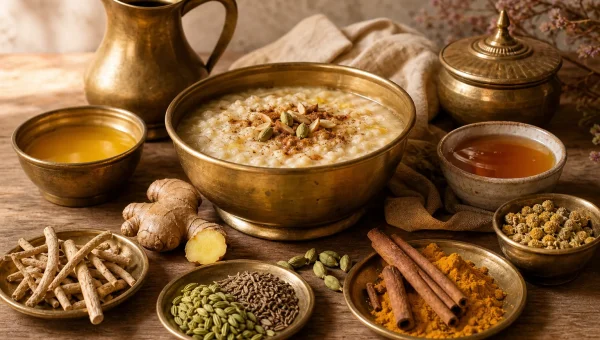
Morning ritual: Begin the day with warm or boiled water. If there is no acidity, burning, mouth ulceration, or loose stool tendency, add a small slice of fresh ginger or a pinch of dry ginger. Wait until true hunger appears before breakfast. This simple pause helps separate habit-appetite from genuine digestive readiness.
- Use warm water through the day instead of cold drinks.
- Avoid raw salads, chilled foods, fried snacks, heavy sweets, cheese, and late-night meals.
- Keep dinner earlier and lighter than lunch.
- Rest after meals without sleeping during the day.
Trikatu support: Trikatu is the classical three-pungent combination of dry ginger, black pepper, and long pepper. It is warming, sharp, and Agni-kindling, so it should be used carefully. For a gentle home reset, a small pinch to 1/4 teaspoon with honey or warm water before the main meal is enough for many people. Avoid Trikatu in pregnancy, active acidity, ulcers, burning sensations, bleeding tendency, loose stools, strong Pitta symptoms, or when taking regular medicines unless a qualified practitioner or healthcare provider approves it.
Main food for Days 1-3: Use peya, a thin rice gruel prepared traditionally with one part rice and fourteen parts water, cooked until soft and fluid. Add a little rock salt and a small amount of ghee if tolerated. From Day 2, thin mung dal soup may be added if hunger is strong and there is no bloating. This phase should feel light but not depleting; dizziness, weakness, shakiness, or strong hunger means the plan is too restrictive for the person.
Days 4-7: Deepana-Pachana Phase for Agni Kindling
Move into this phase when the tongue coating is lighter, bloating has reduced, and appetite feels cleaner. The aim is to kindle Agni without creating autumn Pitta aggravation. Food remains warm, cooked, and moderate, while digestive spices are used in culinary doses rather than as a harsh cleanse.
Jeeraka and Shunthi: Cumin is classically described with Deepana, Pachana, Ruchya, and Grahi actions, making it suitable for appetite, taste, and digestive steadiness. Dry ginger is also described as Deepana and Pachana, especially when Kapha-type heaviness and Vata-type sluggishness are present. Use them lightly: roasted cumin in soups and kichdi, or a mild cumin-ginger water sipped warm during the day.
Chitrak caution: Chitrak is a strong classical Deepana-Pachana herb used in prepared formulas such as Chitrakadi Vati, but raw Chitrak is not a casual kitchen herb. The Ayurvedic Pharmacopoeia of India specifically notes that purification processing is required before use. People with acidity, burning, pregnancy, active inflammation, or medication use should not self-prescribe Chitrak-based formulas.
Takra at lunch: Fresh, thin, well-churned takra may be introduced at lunch, seasoned with roasted cumin and a little rock salt. Classical rainy-season guidance includes whey-like preparations with digestive spices and salts, which makes takra a useful bridge between the lightening phase and normal meals. It should be fresh, not overly sour, and not taken cold or at night.
Food for Days 4-7: Continue mung soup, soft rice, light kichdi, cooked gourds, carrots, and well-cooked greens. Add small amounts of roasted grain or old rice if appetite is stable. Keep lunch as the main meal, and keep dinner simple enough that the next morning begins with genuine hunger.
Days 8-11: Poshana Phase for Tissue Rebuilding
Nourishment begins only after Agni is steady. In Ayurveda, rebuilding too early can thicken Ama, while delaying nourishment too long can aggravate Vata. The sign to proceed is simple: hunger returns at regular times, the tongue is cleaner, stools are more formed, and meals no longer create heaviness.
Ghee reintroduction: Begin with about one teaspoon of good-quality ghee in warm kichdi or rice-mung soup. Increase only if digestion remains light and comfortable. Ghee is especially useful when dryness, roughness, fatigue, and Vata-type depletion appear after the rains, but it should be reduced if coating, nausea, heaviness, or sluggish stools return.
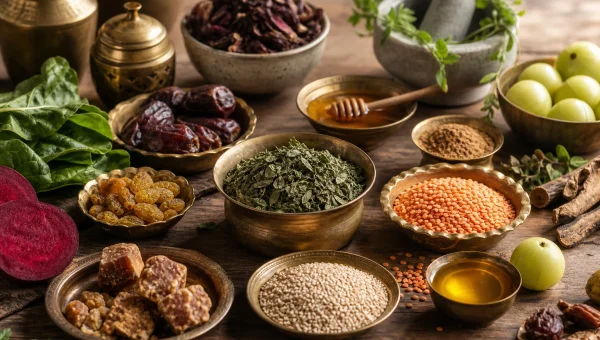
Cooked root vegetables: Sweet potato, carrot, beetroot, pumpkin, and similar foods can be added in well-cooked form with cumin, coriander, ginger, or a little black pepper according to tolerance. This gives more substance to the diet without suddenly returning to heavy, fried, cold, or raw foods.
Shatavari when suitable: Shatavari is described as sweet-bitter, cooling, nourishing, Balya, Rasayana, Pittahara, and Vatahara. It is best suited when the person feels depleted, dry, undernourished, or overheated after the initial lightening phase. It is not ideal when the tongue is thickly coated, Kapha heaviness is dominant, digestion is dull, or there is nausea. A small dose in warm milk or warm water may be used under guidance, especially when there is a clear need for cooling nourishment.
Days 12-14: Rasayana and Ritusandhi Stabilization
The final phase shifts from repair to rhythm. Classical Ritusandhi teaches that the last seven days of one season and the first seven days of the next should be handled gradually, with the previous regimen tapered and the new one introduced step by step. This is especially important after Varsha because Sharad brings Pitta provocation, even while the sky clears and appetite may feel sharper.
Sharad-friendly diet: Favor foods that are light, cooked, and easy to digest, with sweet, bitter, and astringent emphasis. Rice, mung, amalaki, patola-type bitter vegetables, cooked gourds, and gentle spices are more suitable than sour, salty, fried, fermented, and excessively pungent foods. Eat when hungry, stop before heaviness, and keep the evening meal smaller than lunch.
Triphala: Triphala is the combination of Amalaki, Bibhitaki, and Haritaki and is traditionally used in Ayurveda for gastrointestinal and rejuvenative support. In this reset, it should be treated as a gentle maintenance support, not an aggressive purge. A small bedtime dose in warm water, a few nights per week, may suit people with sluggish bowels, but it should be avoided or individualized in loose stools, dehydration, pregnancy, severe weakness, or medication use.
Chyawanprash: Chyawanprash is a classical Avaleha centered on Amalaki and prepared with herbs, ghee, sesame oil, sugar, honey, and aromatic ingredients. It belongs best after Agni has stabilized, not during the heavy-coated phase. Start with a small amount in the morning with warm water or milk. People with diabetes, significant acidity, allergies, strong Kapha congestion, or active digestive heaviness should use it only with professional guidance.
Fermented Food Reintegration Strategy
Fermented foods should return gradually after the rainy season. The goal is not to overload the gut with sourness, but to reintroduce fresh, warm, well-tolerated preparations in the correct order. This is especially important because Sharad is a Pitta-sensitive season, and very sour or aged foods can disturb heat, acidity, skin sensitivity, and loose stools.
- Days 4-7: Use only fresh takra at lunch in small quantity, seasoned mildly with roasted cumin and rock salt.
- Days 8-11: Add warm idli, soft dosa, or lightly fermented rice-lentil preparations if there is no bloating, burning, or loose stool tendency.
- Days 12 onward: Reintroduce the normal fermented food range slowly, keeping portions modest and observing appetite, stool, tongue coating, and acidity.
Avoid very sour curd, aged ferments, vinegar-heavy foods, kombucha-like sour drinks, and cold fermented foods until digestion is steady and Pitta signs are calm. Freshness, warmth, and moderation are more important than variety during this transition.
When to Pause or Personalize the Reset
This protocol should be adapted to constitution, age, strength, digestive history, climate, and existing illness. Stop the reset and seek medical care if there is fever, repeated vomiting, blood in stool, black stool, severe diarrhea, dehydration, severe abdominal pain, unexplained weight loss, faintness, or persistent worsening symptoms. People with diabetes, inflammatory bowel disease, irritable bowel syndrome, ulcers, reflux, kidney disease, eating disorder history, pregnancy, lactation, or long-term medication use should not follow herb-based or restrictive protocols without professional supervision.
Medical Disclaimer: This article provides general educational information and does not constitute medical advice, diagnosis, or treatment. Consult a qualified Ayurvedic practitioner and a healthcare provider before starting herbs, supplements, fasting, detox practices, Trikatu, Chitrak, Triphala, Shatavari, Chyawanprash, or major diet changes, especially if pregnant, managing a medical condition, or taking medication. Panchakarma procedures such as Virechana, Basti, and Raktamokshana should be undertaken only under qualified clinical supervision.
Nothing in this article diagnoses or treats a medical condition. Use it as educational information and consult a qualified practitioner or healthcare provider before beginning any therapeutic protocol.
References
- Charaka Samhita — Ritucharya
- Easyayurveda (easyayurveda.com)
- Pocketayurveda (pocketayurveda.com)
- Easyayurveda (easyayurveda.com)
- Fssai (fssai.gov.in)
- An Ayurvedic formulation ‘Trikatu’ and its constituents (1992), PubMed
- Ayurvedic Pharmacopoeia of India
- Ia800501 (ia800501.us.archive.org)
- Therapeutic Uses of Triphala in Ayurvedic Medicine (2017), PubMed
- Sciencedirect (sciencedirect.com)
- NCCIH
- Betterhealth (betterhealth.vic.gov.au)
- Piperine, a major constituent of black pepper, inhibits human P-glycoprotein and CYP3A4 (2002), PubMed