Neuroprotective Herbs in Ayurveda: What Cognitive Aging Research Reveals
Cognitive aging includes several different processes: ordinary age-related changes in memory and processing speed, mild cognitive impairment (MCI), vascular injury,...

Where Ayurveda meets modern science — research, mechanisms, and the evidence behind traditional practices.
Cognitive aging includes several different processes: ordinary age-related changes in memory and processing speed, mild cognitive impairment (MCI), vascular injury,...
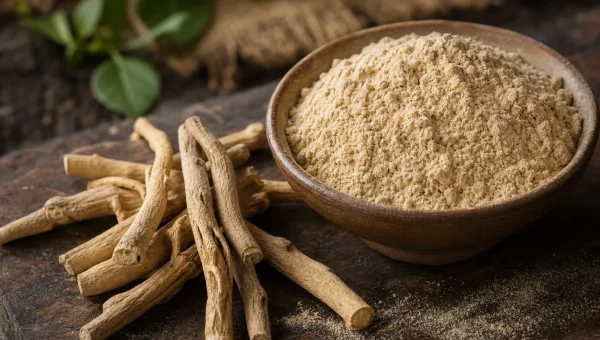
Ashwagandha (Withania somnifera (L.) Dunal) is promoted for stress, anxiety, sleep, cognition, hormones, thyroid function, and exercise performance. The evidence...
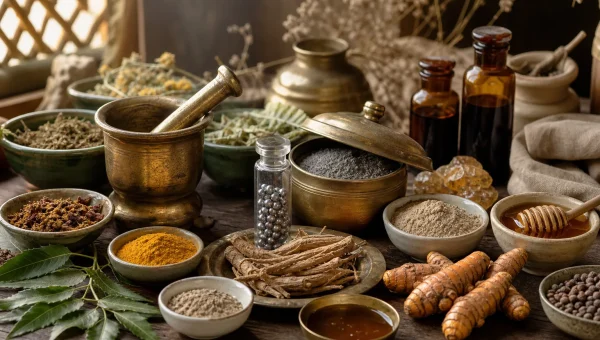
Rasa Shastra is the Ayurvedic discipline concerned with the pharmaceutical processing and therapeutic use of minerals, metals, gems and related...
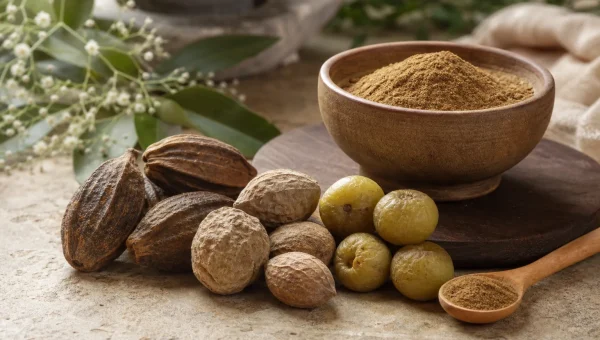
Triphala is often presented as a supplement for bowel regularity, but its Ayurvedic identity is broader and more specific than...
In a 2014 mouse elevated-plus-maze study, an ethanolic extract of Convolvulus pluricaulis given orally at 500 mg/kg produced a mean...
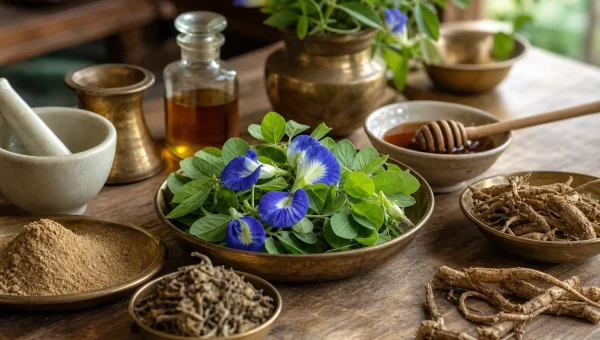
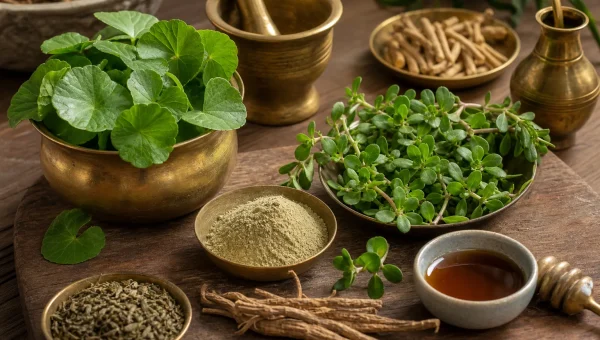
In Indian herbal commerce, the name Brahmi may be used for either Bacopa monnieri or Centella asiatica. The two plants...
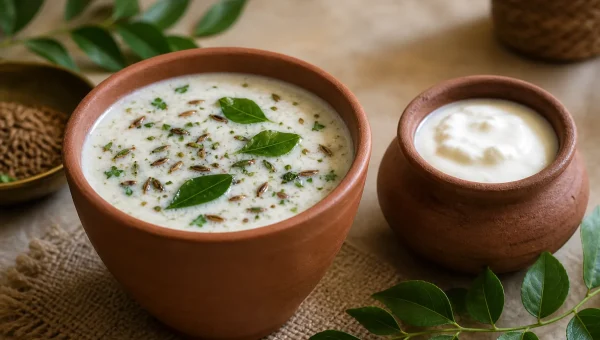
Takra, the churned-curd preparation used in Ayurveda, and a commercial probiotic supplement are not interchangeable. Takra is a perishable fermented...
Antimicrobial resistance (AMR) is a major public-health threat because bacteria, fungi, viruses, and parasites can become less responsive to medicines...
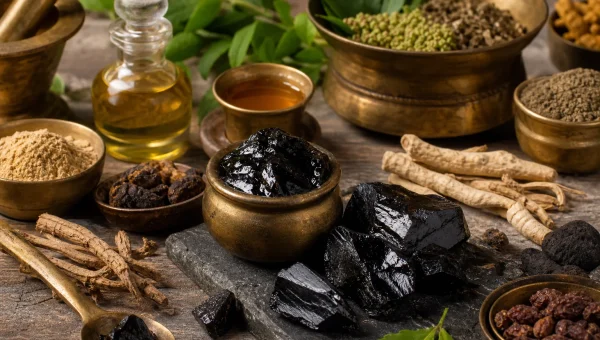
Few substances in Ayurvedic medicine attract as much marketing language as Shilajit. Labels commonly call it a “mineral-rich superfood,” advertise...
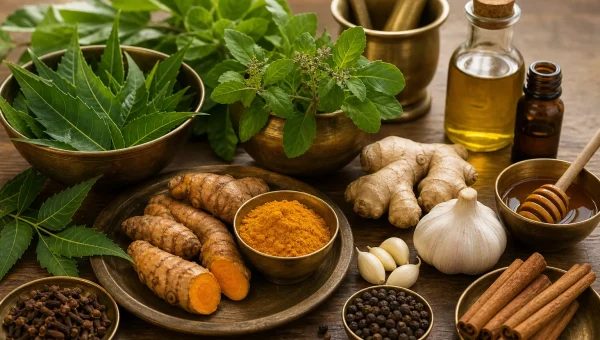
Low and variable oral exposure can limit the interpretation of laboratory findings for isolated plant constituents such as curcumin, andrographolide...