Gout Diet Ayurveda Vatarakta: The Food Rules That Change Attack Frequency
Gout is a crystal-related inflammatory arthritis in which monosodium urate crystals can form in and around joints when serum urate remains above its saturation point. Ayurveda discusses a closely overlapping clinical pattern under vatarakta, a disorder in which aggravated vata and vitiated rakta affect the joints and produce severe pain, burning, redness, swelling and tenderness. The practical value of the gout diet ayurveda vatarakta approach is that it gives clear food rules: reduce uric-acid load, calm heat and inflammation in the blood tissue, keep elimination steady, and avoid the heavy, hot, sour, salty, fermented and alcohol-heavy patterns repeatedly linked with flare triggers.
Caraka Samhita describes vatarakta as beginning commonly in the hands, feet, fingers and joints, with intense pain, burning, swelling, reddish or coppery discoloration and disturbed movement. Its dietary and lifestyle causes include excess sour, salty, pungent, alkaline, fatty and hot foods; alcohol; certain fish, aquatic meats, fermented sour items, curd, vinegar-like preparations and incompatible food combinations; eating again before the previous meal is digested; day sleep, night vigil, anger, over-exertion and starvation. This makes the classical teaching highly practical for gout-prone people: avoid overload and extremes, keep meals light and regular, and choose foods that are cooling, simple, hydrating and easy to digest.
The First Rule: Remove the Strongest Uric-Acid Triggers
The fastest dietary improvement comes from removing the foods and drinks most likely to raise uric-acid burden or provoke flares. In modern gout care, the highest-priority restrictions are organ and glandular meats, meat extracts and gravies, anchovies, sardines, herring, mackerel, mussels, scallops, frequent red meat, beer, spirits and sugary drinks sweetened with fructose. In Ayurvedic terms, these sit in the same practical direction as the vatarakta warning against heavy, heating, fermented, sour-salty and channel-clogging patterns.
Avoid first: liver, kidney, sweetbreads, rich meat gravies, meat extracts, anchovies, sardines, herring, mackerel, mussels, scallops, beer, spirits and high-fructose sweet drinks. These are the foods and drinks most worth eliminating during an active gout phase and keeping rare or absent during prevention.
Reduce by portion and frequency: beef, lamb, pork, rich meat soups, shellfish and large portions of tuna or other dense animal protein. A small occasional serving may be tolerated by some people, but daily use is usually the wrong direction for recurrent gout or vatarakta tendencies.
Do not over-restrict the wrong foods: vegetables are not the main problem in gout prevention. Even vegetables that contain purines are treated differently from organ meats and seafood in modern gout guidance. A plant-forward diet with cooked vegetables, low-sugar fruits, suitable grains, low-fat dairy if tolerated, eggs if used, and modest portions of well-cooked legumes is usually more useful than a fear-based diet that removes most plant foods.
| Food Category | Example Foods | Instruction | Reason |
|---|---|---|---|
| Avoid during active gout and strongly limit long-term | Organ meats, meat extracts, anchovies, sardines, herring, mackerel, mussels, scallops, beer, spirits | Strict avoidance during flares; rare or absent in prevention | Highest-priority purine and alcohol triggers |
| Reduce significantly | Red meat, pork, lamb, shellfish, rich meat soups, large portions of tuna | Small portions only if tolerated | Moderate-to-high purine load and heavier digestion |
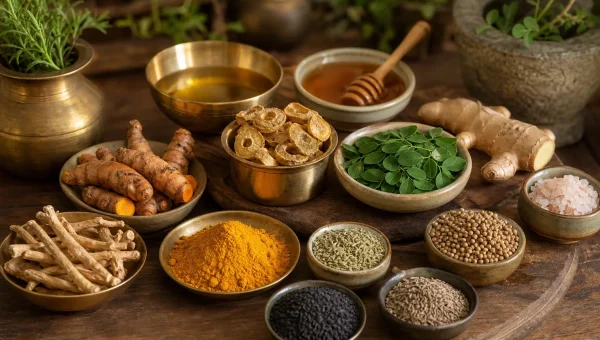
| Prefer for daily meals | Cooked vegetables, cucumber, gourds, rice, barley, wheat preparations, low-fat dairy if suitable, eggs if used, modest well-cooked legumes | Build most meals from these foods | Lighter, lower-trigger pattern for gout-prone digestion |
| Useful adjuncts | Unsweetened cherries, lemon water, plain water, coconut water if appropriate | Use without added sugar and according to tolerance | Supports hydration and a low-purine, fruit-and-vegetable pattern |
| Classical vatarakta emphasis | Guduchi under guidance, amalaki, draksha, bitter vegetables, simple grain and mung preparations | Individualize by digestion, dosha, season and medicines | Supports the vata-rakta pacifying direction of treatment |
Hydration and Urine pH: The Daily Foundation
Uric acid is cleared through elimination pathways in which the kidneys play a major role, so dehydration is one of the simplest flare-promoting factors to avoid. Spread fluids across the day rather than drinking a large amount at once. Plain water should be the foundation; warm or room-temperature water is often easier to maintain than iced drinks. People with kidney, heart or liver disease, swelling, low sodium, or fluid restrictions should follow their clinician’s fluid target rather than forcing water intake.
Uric-acid stones form more readily in acidic urine, and medical urine-alkalinising therapy uses specific pH targets under supervision. For everyday diet, the safer rule is not to self-dose alkali powders, but to maintain hydration, avoid alcohol binges and crash dieting, and keep meals plant-forward and moderate. Many gout flares begin at night or in the early morning, so people who tolerate it may benefit from not going to bed dehydrated.
Cherries, Lemon Water and Low-Purine Produce
Unsweetened cherries are a reasonable food adjunct for gout-prone people who tolerate fruit and do not need to restrict sugar tightly. Choose fresh or frozen cherries, or a small amount of unsweetened tart-cherry concentrate diluted in water, rather than sweetened cherry drinks or syrups. Cherries should be treated as a supportive food, not as a substitute for urate-lowering treatment when that treatment is medically needed.
Lemon water can be used as a low-sugar hydration habit when it suits the person’s digestion. It should be diluted, taken without added sugar, and reduced or avoided by people with reflux, gastritis, dental enamel sensitivity or citrus intolerance. Cucumber, gourds and most cooked vegetables fit well into a gout-prevention plate because they are water-rich, generally low in purines, and lighter than meat-heavy meals.
Guduchi for Vatarakta: Classical Use Without Self-Prescribing
Guduchi, also called giloy and botanically identified as Tinospora cordifolia, is a classical Ayurvedic herb used in vatarakta formulations. The Ayurvedic Pharmacopoeia of India lists guduchi stem with bitter and astringent taste, light quality, hot potency and sweet post-digestive effect; its actions include balya, dipana, rasayana, sangrahi, tridosha-shamaka, raktashodhaka and jvaraghna, and vatarakta is included among its therapeutic uses. Caraka Samhita also includes guduchi preparations in the vatarakta chapter.
For a gout diet ayurveda vatarakta plan, guduchi belongs under practitioner-guided care rather than casual self-prescription. Classical and pharmacopoeial dose ranges depend on the preparation, the person’s strength, digestion, liver and kidney status, medicines, and whether the condition is acute, chronic, dry, burning, swollen or associated with other disease. During a severe hot, red, swollen gout attack, urgent medical anti-inflammatory care should not be delayed while trying herbs at home.
Fasting, Crash Diets and Meal Timing
Long fasting, crash dieting and rapid weight loss are poor choices for gout-prone people. Ayurveda also warns against both starvation and eating again before the previous meal is digested in the context of vata-rakta disturbance. The middle path is regular, light, digestible meals: avoid overeating, avoid grazing all day, and avoid long dry fasts that leave the body dehydrated and stressed.
A practical vatarakta meal rhythm is warm water on waking, a simple breakfast if hungry, a main midday meal built from grains, vegetables and suitable protein, and a lighter evening meal. Heavy late dinners, salty snacks, alcohol, fried foods, sour pickles and rich meat soups are especially poor choices for people who notice night or early-morning flares.
A Simple Vatarakta Plate for Gout-Prone Days
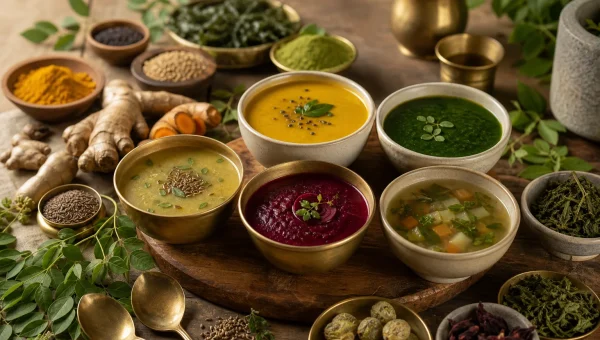
A useful plate template is half cooked vegetables, one quarter simple grain, and one quarter suitable protein. The vegetable side may include gourds, cucumber preparations, leafy vegetables if tolerated, carrots, pumpkin or other seasonal vegetables cooked with mild spices. The grain portion may be rice, barley, wheat preparations or another tolerated staple. The protein portion may be low-fat dairy if suitable, egg if used, or a modest portion of well-cooked mung or lentils adjusted to digestion.
For the Ayurvedic taste profile, emphasize naturally sweet, mildly bitter and astringent foods while reducing excess sour, salty, pungent, fermented, fried and oily foods. Amalaki, draksha, cooked bitter vegetables, simple soups and thin mung preparations may be used according to constitution and digestion. The goal is not a punishment diet; it is a steady pattern that lowers triggers while keeping strength, nourishment and elimination intact.
Medical disclaimer: Gout can require prescription urate-lowering therapy such as allopurinol or febuxostat and prompt treatment of acute flares. Dietary and Ayurvedic guidance here is educational and complementary. Consult a qualified physician and Ayurvedic practitioner before starting herbs, supplements, detoxes, fasting, or therapeutic protocols, especially if pregnant, managing kidney, liver or heart disease, taking medication, or having recurrent, severe or rapidly worsening gout attacks.
References
- Msdmanuals (msdmanuals.com)
- Charaka Samhita — Vatarakta Chikitsa
- Rheumatology (rheumatology.org)
- Mayoclinic (mayoclinic.org)
- Jstage (jstage.jst.go.jp)
- NHS
- NCBI
- Nocturnal risk of gout attacks (2015), PubMed Central
- Cherry consumption and decreased risk of recurrent gout attacks (2012), PubMed
- Lemon Water Reduces Serum Urate Levels in Gout Patients and Individuals With Hyperuricemia-A Pilot Study (2025), PubMed
- Miracledrinksclinic (miracledrinksclinic.com)