
Spring has long been treated in Ayurveda as a useful season for preparing the body, mind, diet, and daily routine for conception. It is not a magic guarantee, and it does not replace medical fertility care, but it can be a sensible time to strengthen digestion, clear heaviness left from winter, stabilize sleep, and nourish reproductive tissue without creating depletion.
If you and your partner have been trying to conceive, or plan to start, Vasanta can be approached as a practical pre-conception season: lighter than winter, warmer than the cold months, and well suited to routines that support agni, ojas, and healthy shukra dhatu.
The Spring Fertility Boost: Ayurveda’s Verified Lens
Classical Ayurveda does not describe Ritu Kala as the whole spring season. In the reproductive chapters, ritu kala refers to the fertile timing within the menstrual cycle. The deeper Ayurvedic principle is that conception is supported when the reproductive seed, the uterine field, timing, nourishment, and the parents’ overall vitality are properly prepared.
Charaka’s discussion of conception emphasizes the importance of unvitiated reproductive factors and preparatory regimens before conception. The text also describes nourishing measures for both partners, including sweet, strengthening preparations, while making clear that timing and bodily readiness matter together. In this sense, spring is best understood as a supportive seasonal window for pre-conception preparation, not as a replacement for the precise fertile window of the cycle.
Vasanta is also the season in which Kapha accumulated during the cold season is classically managed. That makes spring a good time to reduce heaviness, stagnation, oversleeping, and sluggish digestion while still preserving strength. For fertility, the goal is not harsh cleansing or depletion; it is clear digestion, steady routine, calm mind, and well-nourished reproductive tissue.
Modern Seasonal Fertility Patterns
Human fertility patterns can vary by climate, latitude, daylight, temperature, lifestyle, and individual health. Contemporary fertility literature includes seasonal observations in semen parameters and assisted reproduction outcomes, but the findings are not identical across regions. Some cohorts report seasonal differences in IVF outcomes, while other analyses find no clear independent seasonal effect after adjustment.
The practical takeaway is still useful: spring can be used to improve modifiable foundations that matter for conception in any season. Regular sleep, moderate movement, sunlight exposure, appropriate folate intake, a nutrient-dense diet, reduced heat exposure for men, and stress regulation all support reproductive health more reliably than relying on the calendar alone.
Spring is therefore best treated as a favorable preparation window: a time to align seasonal Ayurveda with sensible pre-conception care.
The Pre-Conception Spring Protocol: Her Side
For women, spring preparation should focus on steady nourishment, digestive clarity, menstrual-cycle awareness, and avoidance of extremes. A two- to three-cycle preparation period is ideal when possible, because reproductive health reflects the quality of daily habits over time.
Internal Nourishment
Ayurveda places special importance on building tissue quality through food, digestion, rest, and appropriate herbs. During spring, this nourishment should be warm, digestible, and not excessively heavy.
- Shatavari: Asparagus racemosus is one of Ayurveda’s major female reproductive tonics. The Ayurvedic Pharmacopoeia of India describes Shatavari as sweet and bitter in taste, heavy and unctuous in quality, cooling in potency, sweet in post-digestive effect, and traditionally associated with shukrala, balya, rasayana, vrishya, and stanyakara actions. Use practitioner-guided dosing rather than self-prescribing, especially while trying to conceive or undergoing fertility treatment.
- Folate support: Begin a prenatal approach that includes folic acid or folate as advised by your healthcare provider. Food support can include cooked leafy greens, lentils, beans, and other folate-rich foods.
- Gentle reproductive nourishment: Favor warm milk if tolerated, ghee in suitable quantity, soaked almonds, dates, rice preparations, mung dal, and sweet seasonal fruits. These foods are used to support steadiness and tissue nourishment without burdening digestion.
- Avoid harsh depletion: Strong fasting, aggressive cleansing, excessive exercise, and irregular meals may disturb vata and undermine the stable environment Ayurveda seeks before conception.
Ritu Kala Optimization
During the fertile window itself, the emphasis should shift from active cleansing to calm, nourishment, intimacy, and reduction of strain. This is where the classical idea of right timing becomes practically important.
- Track the fertile window using menstrual-cycle awareness, cervical mucus, ovulation testing, or clinical guidance when needed.
- Favor warm, sweet, nourishing foods such as milk with a few strands of saffron, rice, ghee, cooked fruits, and well-spiced digestible meals.
- Reduce vata-aggravating habits such as late nights, excessive travel, skipped meals, cold foods, and overexertion.
- Practice gentle abhyanga with a suitable warm oil if it agrees with your constitution, avoiding strong abdominal pressure.
- Use classical preparations such as Phala Ghrita only when prescribed by a qualified Ayurvedic practitioner after assessing constitution, digestion, cycle pattern, and medical history.
The Pre-Conception Spring Protocol: His Side
Fertility preparation is not only for women. Sperm development takes roughly two to three months, so a spring pre-conception routine for men should begin early and focus on heat reduction, sleep, stress regulation, nutrition, and individualized Ayurvedic support.
- Ashwagandha: Withania somnifera is widely used in Ayurveda for strength and reproductive vitality. Human clinical literature includes use of Ashwagandha root extract in men with impaired semen parameters, but it should still be used with qualified guidance, especially when there are thyroid, autoimmune, liver, medication, or fertility-treatment considerations.
- Kapikacchu: Mucuna pruriens seed is listed in the Ayurvedic Pharmacopoeia as vrishya, balya, and brimhana. It naturally contains 3,4-dihydroxyphenylalanine, so it should not be self-prescribed, particularly for anyone taking psychiatric, dopaminergic, blood-pressure, or hormone-related medicines.
- Gokshura: Tribulus terrestris is classically described with sweet taste, cooling potency, sweet post-digestive effect, and vrishya, brimhana, and urinary-supporting actions. It is best chosen constitutionally rather than taken as a generic testosterone product.
- Reduce heat exposure: Avoid frequent hot baths, saunas, prolonged laptop-on-lap use, and tight clothing that increases scrotal heat.
- Build rhythm: Consistent sleep, moderate exercise, warm meals, and reduced alcohol and smoking exposure support the same reproductive goals Ayurveda associates with healthy shukra dhatu.
Spring Diet for Fertility: What to Eat and What to Avoid
The spring fertility diet should balance two needs: reducing excess Kapha from the season and maintaining the nourishment required for reproductive tissue. The best diet is warm, cooked, digestible, mildly spiced, and satisfying without being heavy or stagnant.
Include generously:
- Warm cooked grains such as rice, old barley, wheat preparations if tolerated, millet, and quinoa
- Protein-rich, digestible foods such as mung dal, lentils, beans, paneer or milk if tolerated, and well-cooked seasonal vegetables
- Healthy fats in suitable quantity, especially ghee, soaked nuts, and seeds according to digestion and constitution
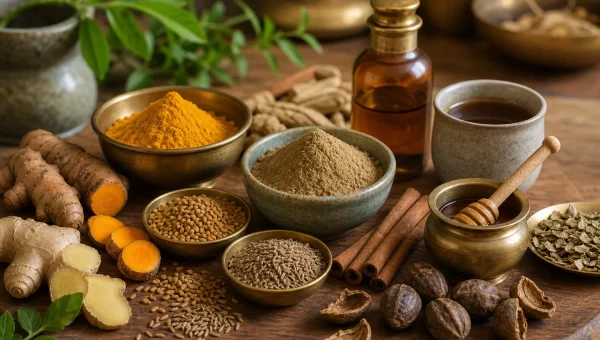
- Culinary spices such as cumin, coriander, fennel, cardamom, turmeric, ginger in moderation, and saffron in small culinary amounts
- Folate-supporting foods such as cooked leafy greens, lentils, beans, peas, and fortified grains where appropriate
- Warm water and herbal infusions instead of iced drinks
Reduce or avoid:
- Heavy fried foods, excess sweets, and frequent snacking that dulls appetite and digestion
- Large amounts of curd, cold smoothies, iced drinks, and raw foods when digestion is sluggish
- Alcohol, smoking, recreational drugs, and unnecessary heat exposure
- High caffeine intake; keep caffeine modest and discuss limits with your clinician if you are actively trying to conceive
- Overly pungent, very dry, or extreme weight-loss diets that may aggravate vata or disturb menstrual regularity
Lifestyle Factors That Amplify the Spring Fertility Window
Daily rhythm is one of the strongest bridges between Ayurveda and practical fertility care. Spring is an ideal time to make the routine lighter, steadier, and more consistent.
Light exposure: Spend time outdoors in morning light when possible. Natural light helps anchor circadian rhythm, supports sleep timing, and encourages regular daily movement.
Sleep: Keep sleep and wake times consistent. Ayurveda discourages excessive day sleep in spring because it can aggravate Kapha, while modern fertility care also values adequate, regular sleep for hormonal rhythm.
Stress regulation: Practice nadi shodhana, gentle breathwork, meditation, prayer, or quiet walking daily. Chronic stress can disturb reproductive signaling, and Ayurveda places equal importance on mental steadiness before conception.
Exercise: Choose moderate movement rather than extremes. Brisk walking, gentle yoga, light strength training, and relaxed swimming can be supportive, while excessive endurance training or severe caloric restriction may disturb ovulation in susceptible women.
Intimacy rhythm: During the fertile window, intercourse every one to two days is generally a practical approach for many couples, unless a clinician has advised a different plan.
When to Seek Additional Help
If you have been trying to conceive for 12 months and are under 35, or for 6 months if you are 35 or older, seek a fertility evaluation. Earlier evaluation is appropriate with irregular or absent periods, known endometriosis, PCOS, recurrent miscarriage, pelvic inflammatory disease, prior reproductive surgery, known male-factor concerns, or age over 40.
Ayurvedic fertility support works best as a complement to appropriate medical care, not a replacement for it. Work with a reproductive healthcare provider and a qualified Ayurvedic practitioner so that herbs, diet, cycle timing, semen evaluation, medications, and fertility treatments are coordinated safely.
Spring gives you an opportunity to prepare well. The season invites lighter routines, clearer digestion, steadier sleep, warm nourishment, and renewed vitality. Your role is to clear what is heavy, nourish what is depleted, protect what is subtle, and seek guidance when the path needs support.
Disclaimer: This article is for educational purposes only. Consult a qualified healthcare provider and a qualified Ayurvedic practitioner before beginning herbs, supplements, medicated ghee, fertility protocols, or major diet and lifestyle changes, especially if you are trying to conceive, pregnant, undergoing fertility treatment, taking medication, or managing a diagnosed reproductive, endocrine, liver, kidney, cardiac, or mental-health condition.
References
- Charaka Samhita — Jatisutriya Sharira
- Charaka Samhita — Tasyashiteeya Adhyaya
- Seasonal Influence on Assisted Reproductive Technology Outcomes: A Retrospective Analysis of 1409 Cycles (2021), PubMed Central
- Effects of seasonal variations and meteorological factors on IVF pregnancy outcomes: a cohort study from Henan Province, China (2022), PubMed Central
- Impact of Seasonal Variations on Semen Parameters: A Retrospective Analysis of Data from Subjects Attending a Tertiary Care Fertility Centre (2023), PubMed Central
- Vitamin D – roles in women’s reproductive health? (2011), PubMed Central
- Ayurvedic Pharmacopoeia of India
- CDC
- ASRM
- LWW Journals
- Spermatogenesis: The Commitment to Meiosis (2016), PubMed Central
- Clinical Evaluation of the Spermatogenic Activity of the Root Extract of Ashwagandha (Withania somnifera) in Oligospermic Males: A Pilot Study (2013), PubMed Central
- Withania somnifera (Indian ginseng) in male infertility: An evidence-based systematic review and meta-analysis (2018), PubMed
- Dravyaguna notes
- Ayurvedic Pharmacopoeia of India
- Academic (academic.oup.com)
- Male personal heat exposures and fecundability: A preconception cohort study (2022), PubMed Central
- Reproductivefacts (reproductivefacts.org)
- Aafp (aafp.org)
- ACOG
- ASRM
Been using fertility for about 3 months now and the difference in how I feel is real. My practitioner said the same things this article covers so good to have it spelled out.
My wife and I have been trying to conceive for 14 months. We’ve been working with a reproductive endocrinologist. The Vasanta timing concept is something neither of us had considered. How does this integrate with a medically supervised IVF protocol?
The part about Spring Fertility Boost feels realistic. This is the kind of detail readers can test slowly.
The reproductive endocrinology supporting data is what I needed to see alongside the Ayurvedic framework. The LH surge timing and its relationship to seasonal daylight changes is the bridge between traditional and modern explanations.
My doctor in Bangalore suggested something similar but used different herbs. Is there regional variation in how Ayurvedic practitioners approach this condition?
I conceived in April after two years of trying during other months. I had followed a Vasanta protocol that a practitioner recommended but I’d also changed my diet, reduced stress, and improved sleep. Can’t attribute it to one thing but I stopped asking which thing.
The part about Spring Fertility Boost feels realistic. This would be easier to follow with a one-week sample plan.
My gastroenterologist specifically said not to start any herbal protocols without telling him first because of potential liver enzyme effects. This kind of article should mention that.
The link between winter nourishment and spring Shukra quality makes sense when you think about how the body stores nutrients.
The circadian and seasonal rhythm research on reproductive hormones is underappreciated in clinical fertility discussions. Melatonin, LH, FSH all have seasonal variation patterns. The Ayurvedic observation is consistent with what chronobiology is documenting.
What’s the guidance for women in climates without pronounced spring? I’m in Singapore where the seasonal variation is minimal. Does the protocol still apply or is it specifically calibrated for temperate or subtropical climates?
I wonder if the melatonin suppression mechanism really shifts LH enough to affect ovulation timing.
The cultural mythology around spring fertility is nearly universal across human societies. The Ayurvedic systemization of what many cultures observed empirically is interesting from a comparative anthropology perspective.
The article handles a sensitive topic with appropriate care. Fertility advice can cause significant distress when it doesn’t acknowledge the complexity of infertility. The framing as optimizing conditions rather than guaranteeing outcomes is the correct register.
A morning walk at 7am sounds doable and could help with the photoperiod effect they mention.
The advice to take Shatavari with warm milk twice daily seems easy to add to a routine.
Curious about how much saffron in milk is actually needed to see any benefit.
The study showing higher IVF implantation rates in spring adds weight to the seasonal claim.
Reducing caffeine to one cup a day feels like a small change that could support fertility efforts.
the diet protocol in this article is the most specific Ayurvedic fertility guide I’ve found. tried 4 others before
✨ the Vasanta timing is interesting but what about couples doing IUI where the timing is controlled externally
i’ve tried every Ayurvedic fertility protocol over 3 years. none of it worked for me. please add disclaimer that unexplained infertility has many causes
the Vasanta timing is interesting but what about couples doing IUI where the timing is controlled externally asked this last week
the article doesn’t mention that some of these herbs are contraindicated once you are actually pregnant
✨ for male factor infertility specifically, which herbs here have the most evidence. the article covers both but I need to focus
started the shukra dhatu protocol 3 months before our IVF cycle. my sperm count improved significantly per the doctor
🙌 how long before conception should the shukra dhatu protocol ideally start. 3 months for sperm cycle makes sense but herbs take time
the Vasanta timing is interesting but what about couples doing IUI where the timing is controlled externally
for male factor infertility specifically, which herbs here have the most evidence. the article covers both but I need to focus at least in my case
for male factor infertility specifically, which herbs here have the most evidence. the article covers both but I need to focus
the Vasanta timing is interesting but what about couples doing IUI where the timing is controlled externally 🌿 for the Vata types specifically
unrelated question but has anyone found a good Ayurvedic practitioner in Hyderabad
the Vasanta timing is interesting but what about couples doing IUI where the timing is controlled externally asked this earlier
does the ashwagandha for sperm motility apply to all men or primarily those with Vata-type constitution
for male factor infertility specifically, which herbs here have the most evidence. the article covers both but I need to focus asked this earlier
seasonality is interesting but controlled trials for Vasanta-timed conception dont exist as far as I know
the Vasanta season timing insight was genuinely new. tried our TTC cycle in March and it worked after 18 months of trying 🙌
the diet protocol in this article is the most specific Ayurvedic fertility guide I’ve found. tried 4 others before asked this last week
the diet protocol in this article is the most specific Ayurvedic fertility guide ive found. tried 4 others before
does the ashwagandha for sperm motility apply to all men or primarily those with Vata-type constitution asked this just now
the Vasanta timing is interesting but what about couples doing IUI where the timing is controlled externally asked this recently
how long before conception should the shukra dhatu protocol ideally start. 3 months for sperm cycle makes sense but herbs take time
seasonality is interesting but controlled trials for Vasanta-timed conception dont exist as far as I know asked this just now
does the ashwagandha for sperm motility apply to all men or primarily those with Vata-type constitution asked this last week
for male factor infertility specifically, which herbs here have the most evidence. the article covers both but I need to focus asked this last week
the Vasanta timing is interesting but what about couples doing IUI where the timing is controlled externally asked this just now
for male factor infertility specificaly, which herbs here have the most evidence. the article covers both but I need to focus
the Vasanta season timing insight was genuinely new. tried our TTC cycle in March and it worked after 18 months of trying 🙌 asked this recently
the diet protocol in this article is the most specific Ayurvedic fertility guide I’ve found. tried 4 others before asked this earlier
how long before conception should the shukra dhatu protocol ideally start. 3 months for sperm cycle makes sense but herbs take time asked this earlier