
Hypothyroidism Meal Plans: Thyroid-Supporting Foods Through the Ayurvedic Lens
A thyroid-supporting meal plan for hypothyroidism works best when it respects both medical treatment and digestion. Conventional nutrition focuses on adequate iodine, selenium, zinc, iron, protein, and careful timing around levothyroxine. Ayurveda adds a practical lens: favor warm, cooked, digestible meals; keep agni steady; and reduce patterns of heaviness, coldness, stagnation, and excess kapha without aggravating vata or pitta.
Classical Ayurveda does not use the modern diagnostic category “hypothyroidism” as a one-to-one disease name. Galaganda is a classical condition of swelling in the throat or neck region and is often compared with goiter, while many people with hypothyroidism have no visible neck swelling. For meal planning, the useful Ayurvedic emphasis is still clear: assess the person’s dominant pattern, support digestion and elimination, and avoid making the daily diet cold, heavy, oily, excessively sweet, or irregular.
The Goitrogen Question: What Ayurveda Gets Right About Cooking
Brassica vegetables such as broccoli, cabbage, kale, cauliflower, mustard greens, turnips, and Brussels sprouts contain glucosinolates, compounds that can yield goitrogenic metabolites under some conditions. The practical concern is greatest with very large, frequent raw intakes, low iodine intake, or existing thyroid disease. Moderate portions of cooked cruciferous vegetables can remain part of a thyroid-supporting diet for most people, especially when iodine intake and thyroid medication are managed appropriately.
Ayurvedic cooking already points in the right direction: cook vegetables, season them, and eat them warm. Steaming, sautéing, stir-frying, and adding digestive spices make brassicas lighter on compromised digestion; boiling reduces glucosinolate content more strongly but also leaches water-soluble nutrients into the cooking water. For daily use, choose cooked greens over raw kale smoothies, keep portions moderate, and vary brassicas with carrots, pumpkin, gourds, spinach, mung beans, lentils, and well-cooked grains.
Meal Planning by Ayurvedic Presentation
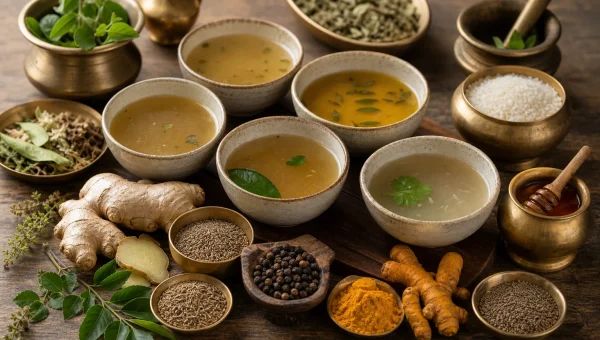
Kapha-predominant hypothyroid pattern: This pattern is marked by heaviness, slow digestion, low motivation, weight gain, water retention, and a dull kind of fatigue. The plate should be warm, light, and satisfying: cooked barley, millet, rice, mung dal, red lentils, steamed greens, vegetable soups, and spices such as dry ginger, cumin, coriander, and turmeric in culinary amounts. Reduce cold smoothies, excess dairy, refined wheat, sweets, fried foods, large dinners, and late-night eating. Kanchanara (Bauhinia variegata stem bark) is classically connected with glandular and neck swelling formulas such as Kanchanara Guggulu; it is a practitioner-prescribed herb, not a casual daily tea.
Vata-kapha hypothyroid pattern: This pattern combines sluggishness with dryness, constipation, anxiety, marked cold sensitivity, joint stiffness, or variable appetite. Use soups, stews, khichadi, sesame, cooked root vegetables, and small amounts of ghee or sesame oil so kapha is not increased by heaviness and vata is not aggravated by excessive dryness. Ashwagandha (Withania somnifera root) is classically described as rasayana, balya, and vata-kapha-pacifying, but it can influence thyroid hormone activity; use it only with qualified supervision, especially with thyroid medication, pregnancy, breastfeeding, autoimmune thyroid disease, liver concerns, or symptoms of overactive thyroid.
Pitta-kapha or Hashimoto-type pattern: This pattern may include hypothyroid sluggishness together with heat signs such as rashes, acidity, irritability, inflamed joints, or a history of autoimmune thyroiditis. The diet should still be kapha-light, but not aggressively heating. Use cooked bitter greens, zucchini, gourds, mung dal, red lentils, coriander, cumin, fennel, turmeric in culinary amounts, and moderate sourness from lemon if tolerated. Avoid excess heating spices, fried foods, alcohol, and high-iodine seaweeds such as kelp unless a clinician specifically recommends them.
Specific Thyroid-Supporting Meal Components
Iodine: Iodine is required to make T4 and T3. Adults generally need about 150 mcg daily, with higher needs in pregnancy and lactation. Iodized salt, seafood, dairy, eggs, and some seaweeds can contribute iodine. Seaweed varies widely: nori can be useful in measured culinary amounts, while kelp and some brown seaweeds can provide very high iodine. People with Hashimoto’s disease or other autoimmune thyroid conditions should avoid high-dose iodine and discuss iodine-rich foods or supplements with a healthcare provider.
Selenium: Selenium supports thyroid function through selenium-dependent enzymes involved in thyroid hormone metabolism. Brazil nuts are potent and variable, often providing about 68–91 mcg selenium per nut, so one nut is usually enough on a day it is used and handfuls are not appropriate as a daily habit. Other selenium sources include seafood, eggs, meats, and plant foods whose selenium content depends strongly on soil.
Zinc and iron: Zinc participates in thyroid hormone metabolism and immune function; useful vegetarian sources include pumpkin seeds, sesame seeds, chickpeas, lentils, and whole grains. Iron is also important for thyroid hormone synthesis and energy; lentils, beans, cooked greens, and iron-rich animal foods where used can help meet needs. Pair plant iron with lemon or other vitamin C-rich foods, and keep iron supplements several hours away from levothyroxine unless your prescriber gives different instructions.
A Sample Thyroid-Supporting Day
On waking: If levothyroxine has been prescribed, take it exactly as directed, usually with water on an empty stomach and separated from breakfast, minerals, coffee, soy, calcium, and iron as advised by your clinician. If you are not taking thyroid medication, warm water with a little dry ginger and lemon can be used when it suits your digestion and does not aggravate acidity.
Breakfast: Make a warm millet or oat porridge with dry ginger and a small pinch of turmeric. Add pumpkin seeds or sesame seeds, a few raisins if needed for vata, and one Brazil nut on days when you are using it for selenium. This breakfast is warm, steady, and easier on sluggish digestion than cold cereal, yogurt bowls, or raw smoothies.
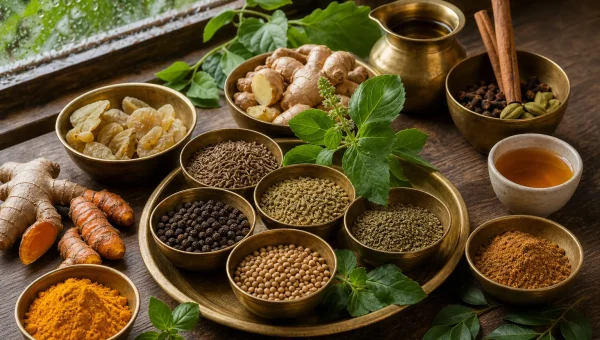
Lunch: Prepare red lentil and vegetable soup with cumin, coriander, turmeric, ginger, carrots, pumpkin, and cooked greens. Use iodized salt in normal culinary amounts if that is your household iodine source, or add a small measured amount of nori when appropriate for your iodine plan. Serve with a small portion of cooked rice, barley, or millet.
Dinner: Keep dinner lighter than lunch: steamed or sautéed broccoli, cauliflower, cabbage, or leafy greens with sweet potato or mung dal soup. Add a sesame-tahini or cumin-coriander dressing and eat it warm. This keeps cruciferous vegetables in the plan while honoring the Ayurvedic preference for cooked, seasoned, digestible evening food.
| Nutrient | Thyroid Function | Best Food Sources | Practical Target |
|---|---|---|---|
| Iodine | Required for T4 and T3 synthesis | Iodized salt, seafood, dairy, eggs, measured nori | About 150 mcg/day for most adults; avoid high-dose iodine unless prescribed |
| Selenium | Supports selenium-dependent thyroid hormone metabolism | Brazil nuts, seafood, eggs, meats, soil-dependent plant foods | 55 mcg/day for adults; keep total intake below 400 mcg/day unless medically directed |
| Zinc | Supports thyroid hormone metabolism and immune function | Pumpkin seeds, sesame, chickpeas, lentils, whole grains | 8 mg/day for adult women; 11 mg/day for adult men |
| Iron | Supports thyroid hormone synthesis and energy metabolism | Lentils, beans, cooked greens, iron-rich animal foods where used | 18 mg/day for premenopausal women; 8 mg/day for men and postmenopausal women |
The relationship between thyroid symptoms, appetite, and the agni-led metabolic framework is central to applying Ayurveda in a practical meal plan. Dosha-specific timing, meal size, and fasting tolerance should be individualized rather than forced into a single rule for everyone.
Medical Disclaimer: This meal plan is for educational purposes and does not replace diagnosis, thyroid blood testing, or treatment by a physician. If you take levothyroxine or another thyroid medication, keep medication timing consistent and discuss major dietary changes, iodine intake, herbs, and supplements with your prescribing clinician.
Nothing in this article diagnoses or treats a medical condition. Consult a qualified Ayurvedic practitioner and healthcare provider before starting herbs, supplements, detoxes, or therapeutic protocols, especially if pregnant, breastfeeding, managing Hashimoto’s disease or another autoimmune condition, or taking medication.
References
- Guidelines for the treatment of hypothyroidism: prepared by the american thyroid association task force on thyroid hormone replacement (2014), PubMed
- Btf-thyroid (btf-thyroid.org)
- Wisdomlib — classical text
- Easyayurveda (easyayurveda.com)
- Ayurvedic Pharmacopoeia of India
- Efficacy and Safety of Ashwagandha Root Extract in Subclinical Hypothyroid Patients: A Double-Blind, Randomized Placebo-Controlled Trial (2018), PubMed
- NCCIH
- Ashwagandha as a Unique Cause of Thyrotoxicosis Presenting With Supraventricular Tachycardia (2022), PubMed Central
- Do Brassica Vegetables Affect Thyroid Function?-A Comprehensive Systematic Review (2024), PubMed Central
- Lpi (lpi.oregonstate.edu)
- Cooking Methods for Preserving Isothiocyanates and Reducing Goitrin in Brassica Vegetables (2023), PubMed Central
- Effects of different cooking methods on health-promoting compounds of broccoli (2009), PubMed Central
- NIH Office of Dietary Supplements
- Thyroid (thyroid.org)
- NIDDK
- Ars (ars.usda.gov)
- Iodine in Foods and Dietary Supplements: A Collaborative Database Developed by NIH, FDA and USDA (2022), PubMed Central
- NIH Office of Dietary Supplements
- NIH Office of Dietary Supplements
- NIH Office of Dietary Supplements
- The Role of Nutrition on Thyroid Function (2024), PubMed Central
- NIH Office of Dietary Supplements
- Thyroid (thyroid.org)
- Mayoclinic (mayoclinic.org)
- Mayoclinic (mayoclinic.org)
dietary management alone for hypothyroidism is often insufficient. the article should more clearly state when medication is required.
That’s a fair point, and I’d add that for Pitta types the warming kapha-reducing diet may need adjustment anyway. I’m Pitta-dominant with hypothyroidism and my practitioner actually moderated the heating spices because my digestive fire was already strong. The article could probably address dual-dosha presentations more directly. 🙌
the article recommends avoiding raw cruciferous vegetables for thyroid. should this also apply to steamed versions or only raw?
Useful info.
the meal plan doesn’t address the interaction between goitrogenic foods and thyroid hormone levels with sufficient nuance.
hypothyroid meal plan by dosha is interesting, but thyroid meds timing with food should be front and center.
for Hashimoto’s (autoimmune hypothyroidism), does the meal plan account for gluten sensitivity which is comorbid in many autoimmune thyroid patients?
for subclinical hypothyroidism (TSH 4-10), is the Ayurvedic protocol recommended as primary treatment or adjunct to levothyroxine? ❤️
Good question. From what I understand, most practitioners recommend it as adjunct rather than primary treatment, at least initially, especially when TSH is clearly elevated. My own doctor was open to the dietary protocol running alongside levothyroxine as long as labs were monitored every 8 weeks. ❤️
the meal plan doesn’t address thr interaction between goitrogenic foods and thyroid hormone levels with sufficient nuance.
one week sample meal plan would help a lot. otherwise vata pitta kapha food advice becomes too broad.
timing is everything for thyroid tablets. tea, calcium and breakfast too soon can mess things up.
how long before diet changes show on TSH? people expect fast changes and then panic.