
There’s a specific kind of cold that hits at 6:30 AM in December. The floor freezes your feet through socks. Your breath clouds in the kitchen. And the idea of eating cold cereal or a smoothie makes your entire body reject the concept. This is when halwa becomes non-negotiable.
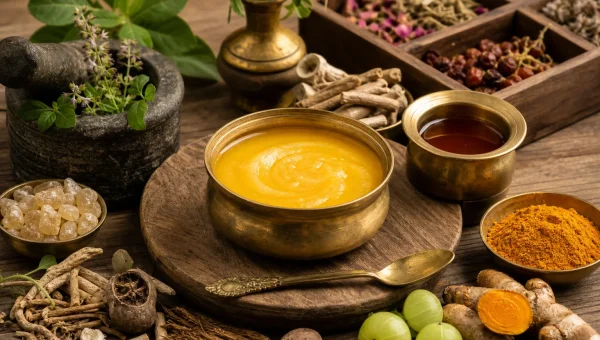
I grew up in a house where halwa was Sunday food—my father’s gajar ka halwa was legendary at every family gathering. But when I started studying Ayurvedic nutrition, I realized halwa does not have to be only dessert. Prepared with a sensible portion of ghee, milk, roots, grains, dates, nuts, and digestive spices, it can become a substantial winter breakfast: grounding, warm, sweet, and sustaining.
Why Halwa Works as Winter Breakfast
In Ayurvedic seasonal living, hemanta ritu and shishira ritu are cold-season periods when warm, nourishing, unctuous foods are traditionally favored. Charaka Samhita describes digestive strength as especially strong in hemanta because external cold restrains heat inward, and the same general regimen is extended into shishira with extra protection from cold wind, dryness, and light, cold foods.
Halwa fits that winter logic when it is made as breakfast rather than as an over-sweet dessert. The bowl should be warm, moist, freshly cooked or gently reheated, and rich enough to satisfy without being greasy. The sweetness should come mostly from the main ingredient—carrot, sweet potato, dates, beetroot, or semolina—with jaggery used modestly.
- Ghee supplies the snigdha, lubricating quality that winter food often needs.
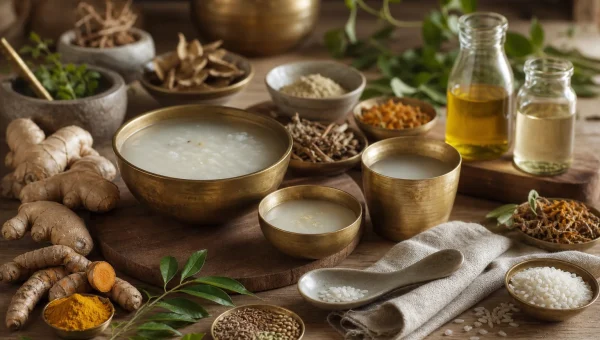
- Milk, coconut milk, or water turns dry ingredients into a soft, cooked preparation rather than a dry sweet.
- Roots, grains, and dates make the meal substantial and naturally sweet.
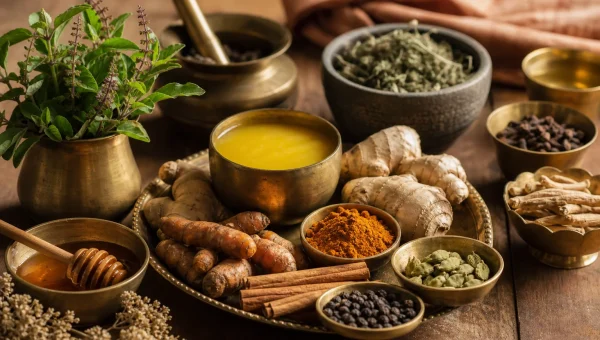
- Dry ginger, cinnamon, saffron, nutmeg, and cardamom add aroma and digestive support; dry ginger and cinnamon are the main warming spices here, while cardamom is used mainly for fragrance and lightness.
- Jaggery and dates are traditional sweeteners, but they are still concentrated sugars and should be portioned carefully, especially for people managing blood sugar.
Recipe 1: Classic Gajar Halwa for Cold, Dry Mornings
This is the familiar winter bowl: red carrots cooked slowly with milk until soft, finished with ghee, cardamom, saffron, and nuts. It is best for cold mornings, Vata-dominant routines, and anyone who wants a classic milk-based breakfast.
Serves: 2 generous breakfasts
Best for: cold mornings, dry winter appetite, traditional milk-based halwa lovers
Ingredients
Use red winter carrots if available, because they give the halwa a deeper color and naturally sweet base.
- 3 large red carrots, finely grated
- 1.5 cups whole milk
- 2 to 3 tablespoons ghee
- 2 tablespoons grated jaggery, or less to taste
- 4 to 5 saffron threads soaked in 1 tablespoon warm milk
- 4 green cardamom pods, seeds crushed
- 8 to 10 cashews, broken
- 1 tablespoon raisins
Method
Cook this slowly so the carrots soften fully and the milk reduces into the halwa instead of sitting separately.
Heat 1 tablespoon ghee in a heavy pan. Add the grated carrots and sauté for 5 minutes on medium heat. Add milk and cook on low heat, stirring frequently, for 25 to 30 minutes until the milk is mostly absorbed and the carrots are soft. Add the remaining ghee, jaggery, saffron milk, and cardamom. Cook for another 5 to 7 minutes until the halwa starts leaving the sides of the pan. Fry the cashews and raisins in a small spoon of ghee and fold them in or add them on top.
Ayurvedic note: The Ayurvedic strength of this recipe is not that carrot alone is a classical medicine; it is the preparation. Warm cooking, milk, ghee, and a soft texture make the bowl moist, sweet, and nourishing. Nutritionally, carrots are well known for beta-carotene, which supports their traditional reputation as a winter vegetable worth cooking often.
Recipe 2: Beetroot and Ginger Halwa for a Deep, Earthy Winter Bowl
Beetroot halwa is heavier, darker, and more earthy than carrot halwa. Ginger keeps the preparation from becoming dull, and cinnamon and nutmeg make it feel appropriate for very cold mornings.
Serves: 2
Best for: people who like earthy flavors, ginger warmth, and a less conventional halwa
Ingredients
Use fresh beetroot and grate it finely so it cooks evenly into the milk.
- 2 medium beetroots, peeled and finely grated
- 1 cup whole milk
- 2 tablespoons ghee
- 1 to 2 tablespoons jaggery
- 1 teaspoon freshly grated ginger
- 1/4 teaspoon cinnamon powder
- A small pinch of nutmeg powder
- 2 tablespoons chopped almonds
Method
The ginger should be sautéed with the beetroot first so its sharpness softens before milk is added.
Heat 1 tablespoon ghee in a heavy pan. Add the grated beetroot and ginger, and sauté for 5 minutes. Add milk and cook on low heat for 20 to 25 minutes, stirring often. Add jaggery, remaining ghee, cinnamon, and nutmeg. Continue cooking until thick and glossy. Garnish with chopped almonds and serve warm.
Ayurvedic note: Dry ginger is classically described as deepana and pachana, meaning it supports appetite and digestion. In this recipe it balances the dense, earthy beetroot and milk. Keep this halwa moderately sweet; it should feel like breakfast, not festival dessert.
Recipe 3: Sweet Potato Halwa with Optional Ashwagandha
Sweet potato halwa is naturally sweet, soft, and grounding. The ashwagandha is optional and should be used only if it already suits you or has been recommended by a qualified practitioner; the recipe works beautifully without it.
Serves: 2
Best for: slow winter mornings, naturally sweet breakfasts, people avoiding refined sugar
| Ingredient | Amount | Purpose |
|---|---|---|
| Orange sweet potato, grated | 2 cups | Naturally sweet, soft, filling base |
| Coconut milk or whole milk | 3/4 cup | Moisture and rich texture |
| Ghee | 2 tablespoons | Snigdha quality and satiety |
| Dates, pitted and chopped | 4 to 5 | Natural sweetness and body |
| Cardamom powder | 1/2 teaspoon | Aroma and lightness |
| Ashwagandha powder | Optional: 1/4 teaspoon, only if suitable for you | Classical rasayana herb; omit when unsure |
| Pistachios, slivered | 1 tablespoon | Garnish and texture |
Cook the grated sweet potato in coconut milk or whole milk on low heat for about 20 minutes. Add ghee, chopped dates, and cardamom. Stir until thick, about 10 to 15 minutes more. Remove from heat and let it stand briefly. If using ashwagandha, stir it in at the end so it mixes smoothly without clumping. Garnish with pistachios.
Ayurvedic note: Ashwagandha is classically described as balya and rasayana, but it is still an herb, not a casual flavoring for everyone. Avoid it during pregnancy and breastfeeding, and avoid self-use if you have liver disease, thyroid conditions, autoimmune conditions, or take regular medicines unless a qualified clinician has advised it.
Recipe 4: Date and Walnut Halwa for Active Winter Mornings
This is the densest recipe in the set. Dates are sweet, heavy, and unctuous in Ayurvedic description, while walnuts add fat, texture, and a satisfying bite. The warming quality of the bowl comes from serving it warm and adding dry ginger and cinnamon.
Serves: 2
Best for: active mornings, travel days, physically demanding routines, small portions with high satiety
Ingredients
Soaking the dates makes the halwa smoother and reduces the need for added sweetener.
- 10 Medjool dates or 15 smaller dates, pitted and soaked in warm water for 30 minutes
- 1/4 cup walnuts
- 2 tablespoons ghee
- 1/2 teaspoon cinnamon
- 1/4 teaspoon dry ginger powder
- A small pinch of mineral salt
- 2 tablespoons warm milk or warm water
Method
Cook this on low heat and stir continuously, because date paste thickens quickly.
Drain the dates and blend them into a paste with warm milk or warm water. Toast the walnuts in 1 tablespoon ghee until fragrant. Add the date paste, remaining ghee, cinnamon, dry ginger, and salt. Cook on low heat for about 10 minutes, stirring constantly, until the mixture becomes thick and glossy. Serve warm in a small bowl.
Ayurvedic note: Dates are traditionally described as nourishing and building, but they are also naturally high in sugars. This halwa is best as a small, rich portion rather than a large bowl, especially if your morning is sedentary.
Recipe 5: Rava Halwa with Saffron, Cardamom, and Dry Ginger
Rava halwa is the quickest option and the easiest to scale down. It is lighter than date or sweet potato halwa, but still feels warming when roasted well in ghee and served fresh.
Serves: 2
Best for: quick preparation, modest appetite, weekday mornings
Ingredients
Roast the rava patiently; the flavor depends more on roasting than on extra sugar.
- 1/2 cup fine rava or sooji
- 2 tablespoons ghee
- 1 cup warm water or warm milk
- 1 to 2 tablespoons jaggery
- 4 to 5 saffron threads
- 1/4 teaspoon cardamom powder
- 1/4 teaspoon dry ginger powder
- 8 cashews
Method
Add the liquid carefully because hot rava splutters when water or milk touches it.
Roast the rava in ghee on medium heat for 5 to 7 minutes until fragrant and lightly golden. Add saffron to the warm water or milk. Slowly pour the saffron liquid into the rava while stirring continuously. Add jaggery, cardamom, and dry ginger. Cook for 3 to 4 minutes until the liquid is absorbed and the halwa becomes smooth. Garnish with ghee-fried cashews.
Ayurvedic note: Saffron is kunkuma in the Ayurvedic materia medica and is traditionally valued for color, aroma, and rasayana use. In this breakfast, it is used in a culinary pinch, not as a medicinal dose.
Halwa Meal Planning for the Week
I rotate these across winter depending on appetite and the day ahead. The goal is not to eat a heavy sweet every morning; the goal is to match the bowl to the morning.
- Monday: Gajar halwa reheated with a splash of milk
- Tuesday: Rava halwa made fresh in 15 minutes
- Wednesday: Beetroot-ginger halwa when the morning feels especially cold
- Thursday: Gajar halwa again, with less jaggery and more nuts
- Friday: Rava halwa with saffron and dry ginger
- Saturday: Date-walnut halwa in a smaller portion before an active day
- Sunday: Sweet potato halwa, with or without ashwagandha depending on suitability
Serve halwa warm. If you drink tea with it, keep the portion moderate and notice how your stomach responds. Warm water or a mild ginger infusion also pairs well, especially when the halwa is rich. Very cold drinks, iced smoothies, and dry snacks are less aligned with the winter logic described in ritucharya.
Winter mornings do not have to be a battle between warmth and nutrition. They can be both, in a bowl that takes 15 to 30 minutes to prepare. Your grandmother already knew this. Now you have the recipes to prove her right.
Disclaimer: This article is for educational purposes only and does not constitute medical advice. These recipes contain natural sugars from carrots, beetroot, sweet potato, dates, milk, and jaggery. If you have diabetes, blood sugar concerns, liver disease, thyroid disease, pregnancy, breastfeeding, food allergies, or take regular medicines, consult your healthcare provider or a qualified Ayurvedic practitioner before using herbal additions such as ashwagandha or making major dietary changes.
The connection between halwa as therapeutic food rather than dessert is something I learned from this article and then verified with my grandmother. She made Urad dal halwa specifically for winter immunity, not as a sweet.
The Bajre ka halwa for Vata types in winter is the recipe I was looking for. My constitution runs cold and dry in winter and this is exactly the warming, unctuous preparation the Hemanta protocol calls for.
The sugar reduction approach using jaggery and dates rather than white sugar makes nutritional sense. The slower glycemic release maintains warmth without the spike and crash of refined sugar.
My father’s gajar ka halwa recipe has cardamom and saffron additions that I now understand are Pitta-balancing within a warming Kapha preparation. He never knew why, he just knew it was the right balance.
Can these halwas be eaten warm at any time of day or is there an optimal timing? The heavy fat and sweet combination at night seems like it might be harder to digest than in the morning.
The carrot halwa with saffron gave a nice warm start to my day.
Does the jaggery need to be grated finely for the beetroot halwa?
I found that reheating the rava halwa with a splash of milk keeps it moist.
The sweet potato halwa feels grounding, especially after adding the ashwagandha.
A walnut and date halwa seems like a solid fuel option before a winter workout.
the morning versus evening split for herbs is something I always get confused about. Clear here.
Some of the preparation methods are too time-intensive for working adults. Needs a quick-version alternative.
This article connected the dots between things my vaidya told me over several years.
Finally a halwa recipe without refined sugar. The jaggery version is so much better.
The recipe says slow cook but doesn’t specify temperature. Induction cooktop users need more detail.
does anyone know a practitioner in Hyderabad who works with this kind of protocol?
can this be taken in summer or only winter months?
real information. Not fluff. Rare.
i took notes from this and created a personal protocl. Three weeks in, positive changes.
will try 🙏
Some of these ingredients are hard to find outside major Indian grocery stores. A substitution guide would help.
Can someone here who has tried this protocol confirm the timeline? Two weeks vs six weeks? 🙌
the before-and-after in my experience matches what the article predicts. That’s meaningful.
can leftover tadka be stored and reused the next day or does it lose potency?
Doing this
which variety of rice works best for the congee version? Basmati, sona masoori, or short-grain? नमस्ते
the language is accessible which is rare for classical Ayurveda writing
first comment here. been lurking for months. this is the one that made me want to say thank u
tried the recipe but the proportions seemed off. The ginger overpowered everything else.
Do the ratios change if you are doing this as preventive care versus active treatment? 🌿
This is the clearest explanation of this topic I’ve found. Bookmarked for reference.
Is there a children’s version of this protocol? My daughter has a similar issue.
the question about brand quality is important. not all suppliers are equal.
the balance between Sanskrit terminology and plain English is really well done.
late to this discussion but the question in the first comment is still unanswered anyone have more info?
For Warming Breakfast Halwa, consistency seems like the hard part. This is the kind of detail readers can test slowly.
Brilliant breakdown. Forwarding this.
For Warming Breakfast Halwa, consistency seems like the hard part. The article avoids making it sound like a quick fix.
Any recommendation for online vaidya consultations for those of us not near an Ayurvedic clinic? ❤️
The sourcing of quality herbs in my city is impossible. Makes these protocols academic for many readers.
Starting today. Fingers crossed.
never thought I’d become an Ayurveda convert but here I am reading every article.
this is now my reference article for explaining this topic to friends.
the Hindi terms alongside English make this usable in both languages.
how does weather and season affect the protocl? im in a hot humid climate.
the writing assumes India-based readers. Temperature/herb availability differs greatly outside India.
for Kapha-dominant types is the warm water recommendation essential or can it be room temp?
tried. Liked. Continuing. 🙏
i appreciate the acknowledgment that this isnt a substitute for professional consultation.
these spice combinations are exactly what I needed. making notes for my kitchen wall 🌿
The Warming Breakfast Halwa explanation is clearer than most short posts. This is the kind of detail readers can test slowly.
Three months later: the results held. Happy to report.
for an old post this is still very relevant. good information doesnt expire.
The Warming Breakfast Halwa explanation is clearer than most short posts. The main idea is clear even if someone is new to Ayurveda.
the dose specificity here is what makes this actionable. Vague ‘take regularly’ instructions are useless.
The integration of modern evidence with traditional practice is the right approach.
I liked the practical side of Warming Breakfast Halwa. The practical details matter more than people think.
finally something that explains the why, not just the what.
I wish there were more clinical studies cited here. Traditional use is valuable but not sufficient evidence alone.
too theoretical without enough concrete steps. The ‘what’ is clear but the ‘how exactly’ is missing.
been meaning to try this for two years. This article finally pushed me to start.
have been searching for this explanation for years. Saved. Sharing.
Old post but still helpful. people should know this. Sharing everywhere.
i asked my dr about this. she said she doesnt have enough info on it but didnt say no
the combination of classical reasoning and practical steps is exactly what I was looking for.
can someone here who has tried this protocol confirm the timeline? Two weeks vs six weeks?
The safest part of the Warming Breakfast Halwa advice is keeping it simple. I would still ask a practitioner before changing medicines.
is this suitable for children under 5? Some of the spices seem quite warming.
this site is different from other ayurveda blogs. feels researched not just copied.
any guidance for diabetics? I take metformin and am cautious about herbs affecting blood sugar.
reading this in 2027 are the herb sourcing recommendations still valid?
Which variety of rice works best for the congee version? Basmati, sona masoori, or short-grain?
the masala ratios in this recipe are the best Ive seen. Actually balanced unlike most food blogs.
I took notes from this and created a personal protocol. Three weeks in, positive changes.
how long does a typical protocol like this take to show results?
can this be done alongside an allopathic treatment or should there be a gap?
the comments section here is almost as useful as the article itself
My Ayurvedic practitioner of 12 years said this is one of the better online resources she’s seen on the topic.
the recipe says slow cook but doesnt specify temperature. Induction cooktop users need more detail.
Pitta burning its way through this article and finding useful info 🔥 just kidding but yes helpful.
what brand of triphala do you recommend? So many options and quality varies greatly. 🙌
tried. Liked. Continuing.
what brand of triphala do you recommend? So many options and quality varies greatly.
is this suitable for children under 5? Some of the spices seem quite warming. ✨
The Warming Breakfast Halwa section feels grounded enough to try carefully. The main idea is clear even if someone is new to Ayurveda.
my doctor actively discouraged this after I mentioned it. Getting conflicting guidance is difficult to navigate. 💯
the combination of theory and practical steps is what I appreciate most about this blog.
Real information. Not fluff. Rare. 🙌
As someone who does both allopathy and Ayurveda I appreciate that this article doesn’t demonize either.
I was looking for a plain explanation of Warming Breakfast Halwa. I appreciate that it does not oversell the result.
Found this article after searching for 3 days. Exactly what I needed.
the classical text quotes r helpful context but I’d like to understand the modern interpretation better.
my yoga teacher recommended this site and now I see why.
tried this for 6 weeks without the results described. Maybe the protocol needs personalizing.
tried the recipe but the proportions seemed off. The ginger overpowered everything else. ✨
been following this blog for six months and the quality is consistently high.
do the ratios change if you are doing this as preventive care versus active treatment?
skeptical but curious. trying the minimal version first.
any recommendation for online vaidya consultations for those of us not near an Ayurvedic clinic?
the reference to Ashtanga Hridayam which Sutrasthana chapter? Would like to read the original.
The masala ratios in this recipe are the best I’ve seen. Actually balanced unlike most food blogs.
my experience perfectly matches what is described in the long-term use section. 🙌
Which variety of rice works best for the congee version? Basmati, sona masoori, or short-grain? ✨
Just found this via Google, some of the preparation methods are too time-intensive for working adults. Needs a quick-version alternative.
Just found this through Google. Is this still the current recommendation?
as someone who does both allopathy and Ayurveda I appreciate that this article doesnt demonize either.
Found this searching for answers, have been searching for this explanation for years. Saved. Sharing. 🙌
thanks for the clear writing. This isnt easy material to explain simply. ❤️
my grandma was right abuot all of this. just didn’t have the explanation.
Made the khichdi version with the tarka blend you described. Family loved it and my digestion felt lighter. धन्यवाद
old post but still helpful. tried this for 6 weeks without the results described. Maybe the protocol needs personalizing.
I’m in the US and getting authentic herbs here is hard. Any trusted online sources?
any reccomendation for online vaidya consultations for those of us not near an Ayurvedic clinic?
late to this but nani used to say the same things in different words. There’s real wisdom here.
tried this for 6 weeks without the results described. Maybe the protocol needs personalizing. 💯
Just found this via Google, would love a video version of the preparation method
reading this in 2027 r the herb sourcing recommendations still valid?
quality content. Keep writing like this.
I came for Warming Breakfast Halwa and this answered the main question. A few more examples would still help.
Tried the recipe but the proportions seemed off. The ginger overpowered everything else. 💯
my practitioner mentioned this approach last week. Nice to find a detailed written explanation.
The balance between Sanskrit terminology and plain English is really well done. 🙌
this is the clearest explanation of this topic Ive found. Bookmarked for reference.
The prep time estimate is wildly optimistic. Took me nearly double what was listed.
started following this a month ago. small but real difference. thank u
Useful
will come back to this when I hit the cooling phase very detailed.
The Q&A format at the end would make this even more useful. Would love a FAQ section.
found this article after searching for 3 days. Exactly what I needed. 🌿
Late to this but the balance between Sanskrit terminology and plain English is really well done.
As someone who does both allopathy and Ayurveda I appreciate that this article doesn’t demonize either. 🙏
i appreciate that the dosages are given in actual mg not just ‘a pinch’ or ‘as needed’.
u said it better than my 45-min consult with the vaidya tbh
Reading this in 2027, the combination of theory and practical steps is what I appreciate most about this blog.
Reading this in 2027, does this work for people over 60? The age range in the examples skews younger.
Reading this in 2027, does ghee quality affect results significantly? I use store-bought A2 ghee. 🌿
three herbs three outcomes surprisingly simple when laid out like this
the depth here is unusual for a blog. reads more like a textbook chapter.
my experience perfectly matches what is described in the long-term use section. ❤️
This makes sense for Warming Breakfast Halwa. I appreciate that it does not oversell the result.
My western trained MD friend looked at this and said the pharmacology section was reasonable.
i dont comment usually but this was actually helpful
does anyone know a practitioner in Hyderabad who works with this kind of protocl?
the sourcing of quality herbs in my city is impossible. Makes these protocls academic for many readers.
reading this in 2027, is there a children’s version of this protocol? My daughter has a similar issue.
just found this via Google, the combination of classical reasoning and practical steps is exactly what I was looking for.
practical + scientific = rr combo in Ayurveda content. Good work. नमस्ते
My doctor actively discouraged this after I mentioned it. Getting conflicting guidance is difficult to navigate.
coming from a conventional medicine background this article impressed me with its rigor.
the seasonal protocol is smart. Most people try to use the same routine all year. 🙏
could you address the quality certification issue in a future article? Third-party tested herbs are hard to find.
people should know this. Sharing everywhere.
just found this via Google, does this protocol need modification for someone who is fasting during Navratri?
Same here
the Q&A format at the end would make this even more useful. Would love a FAQ section. ❤️
reading this in 2027, i have the same question as the previous commenter. Also want to know abuot interaction with metformin.
i was prescribed this by a practitioner 2 years back but never understood why. now i do. 🙌
Just found this through Google. Is this still the current recommendation? 🙏
The IST timings in the practical section are a nice touch. Feels like it’s written for us.
Found this searching for answers, i was prescribed this by a practitioner 2 years back but never understood why. now i do.
Perfect timing
my grandma was right about all of this. just didn’t have the explanation. 🌿
shared this with my 68-year-old father. He said its exactly what his vaidya prescribed 30 years ago.
Nani used to say the same things in different words. There’s real wisdom here.
the classical text quotes are helpful context but I’d like to understand the modern interpretation better.
i was prescribed this by a practitioner 2 years back but never understood why. now i do.
what brand of triphala do u recommend? So many options and quality varies greatly.
made the khichdi version with the tarka blend you described. Family loved it and my digestion felt lighter.
Just found this via Google, the writing assumes India-based readers. Temperature/herb availability differs greatly outside India.
is the guidance here applicable for elderly patients or is it designed for younger adults?
does this protocol need modification for someone who is fasting during Navratri? 🙏
Just found this via Google, what brand of triphala do you recommend? So many options and quality varies greatly.
this is the clerst explanation of this topic ive found. Bookmarked for reference. 🙏
The classical text reference to Charaka Samhita gave this article more credibility in my eyes. 🌿
would love a video version of the preparation method
I appreciate the acknowledgment that this isn’t a substitute for professional consultation.
just found this via Google, this is now my reference article for explaining this topic to friends.
The writing assumes India-based readers. Temperature/herb availability differs greatly outside India. धन्यवाद
Just found this via Google, three months later: the results held. Happy to report.
finally an article that doesn’t treat Ayurveda as magic and also doesn’t dismiss it entirely नमस्ते
forwarded to my whole family WhatsApp group. Three replies already asking for more details.
Thanks for the clear writing. This isn’t easy material to explain simply.
Can someone here who has tried this protocol confirm the timeline? Two weeks vs six weeks? ✨