Eating for a Calm, Sharp Mind During High-Stakes Study
Sattvic brain food for exam study is a practical Ayurvedic approach: choose meals that are fresh, warm, digestible, nourishing, and steady rather than overstimulating or dulling. In the sattva-rajas-tamas food framework, sattvic foods are described as juicy, unctuous, nourishing, pleasing, and supportive of life, strength, health, happiness, and inner steadiness. For students, the same principle becomes very practical: eat enough at breakfast, keep lunch digestible, avoid late stimulants, and make dinner light enough to protect sleep.
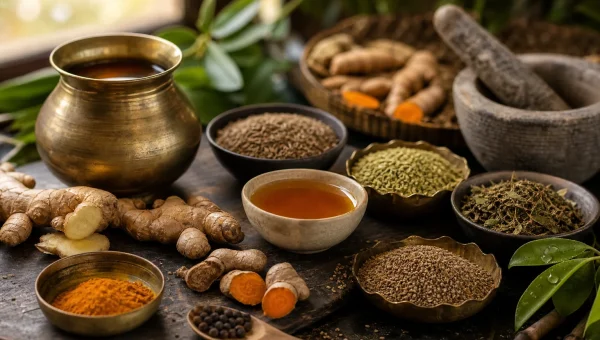
During high-stakes study, the goal is not to chase a miracle “brain food.” The goal is to keep agni steady, prevent hunger and sugar swings, provide protein and healthy fats, and preserve the night of sleep in which learning is consolidated. A vaidya-style student plate is usually simple: warm grains, dal or another protein, a little ghee, cooked vegetables, fresh fruit, milk or curd if tolerated, and mild spices such as cumin, coriander, ginger, turmeric, cardamom, and a little black pepper.
The Medhya Foods and Herbs Classical Texts Prioritize
Medhya means supportive of medha: intellect, understanding, retention, and mental clarity. Charaka Samhita places the classical Medhya Rasayana group in Chikitsa Sthana, Rasayana Adhyaya, Karaprachitiya Rasayana Pada. The named group is mandukaparni juice, yashtimadhu powder with milk, guduchi juice, and shankhapushpi paste; among these, shankhapushpi is singled out as especially medhya. For daily student food, the same medhya direction is supported by simple, digestible meals, especially ghee in moderation, mudga or moong dal, warm milk if tolerated, and small portions of nourishing nuts.
| Food / Herb | Verified Ayurvedic Position | Study-Season Use |
|---|---|---|
| Shankhapushpi | Part of Charaka’s Medhya Rasayana group and described there as especially intellect-promoting. | Use only in a practitioner-chosen preparation and dose; do not begin multiple medhya syrups or powders during exam week. |
| Mandukaparni, Yashtimadhu, Guduchi | Listed with shankhapushpi in Charaka’s Medhya Rasayana passage, where they are described as rasayana, strength-supporting, agni-supporting, and medhya. | Best reserved for individual guidance, especially if there is acidity, blood pressure concern, autoimmune disease, liver history, pregnancy, or medication use. |
| Ghee | Charaka describes ghee as supportive of smriti, buddhi, agni, shukra, ojas, and as useful in vata-pitta conditions. | Use about 1 teaspoon in warm breakfast, khichdi, roti, or dal if it suits digestion and your clinician has not restricted fats. |
| Moong dal / Mudga | Charaka considers green gram the best among pulses; it is light and kapha-pitta alleviating. | Use as khichdi, thin dal, or mung soup for lunch or dinner when digestion must stay clear during long study blocks. |
| Almonds and walnuts | Classical descriptions place almonds and walnuts among heavy, hot, unctuous, sweet, strengthening, vata-alleviating, nourishing foods that can aggravate kapha and pitta when overused. | Keep portions small: 6-10 soaked almonds or a small handful of walnuts. Avoid overeating nuts if there is acidity, acne flare, heaviness, or kapha congestion. |
| Brahmi / Bacopa monnieri products | Used in contemporary Ayurveda as a calming medhya herb; the name “brahmi” can refer to different botanicals in different contexts, so botanical identity matters. | Not a last-minute exam stimulant. Use only if the herb is correctly identified, prescribed, and tolerated well before the exam period. |
| Ashwagandha | Traditionally used in Ayurveda as a rasayana, for vata-type restlessness, nervousness, debility, and sleep support. | Optional and individualized, not a default student supplement. Avoid self-use during pregnancy, breastfeeding, thyroid or autoimmune disorders, liver history, sedative use, or complex medication routines. |
A 3-Day Sattvic Study Meal Plan
The meals below are built for realistic 15-25 minute cooking windows. Portions should match appetite, prakriti, season, health status, and study load. The template is warm, fresh, mostly vegetarian, mildly spiced, and easy to digest, with enough protein and fat to prevent hunger from breaking concentration.
Day 1:
Breakfast: Warm semolina upma with green peas, ghee, cumin, coriander, and a side of soaked almonds. If milk suits you, take warm milk with cardamom; use brahmi only if it is already part of a practitioner-guided routine. This breakfast gives complex carbohydrates, some protein, and fat, so the first study block begins with steadier energy rather than hunger or nervous snacking.
Lunch: Moong dal khichdi with rice, turmeric, cumin, and 1 teaspoon ghee, with steamed okra or another cooked vegetable on the side. This is the classic exam-season lunch: warm, simple, complete, and easier to digest than a heavy bean meal when the mind must return to work quickly.
Snack: One ripe banana with a small handful of walnuts. Banana provides carbohydrate, fiber, potassium, and vitamin B6; walnuts provide plant-based alpha-linolenic acid. Keep the portion modest so the snack refreshes without making the body heavy.
Dinner: Warm vegetable soup with spinach, carrot, and ash gourd or bottle gourd in a light cumin-coriander broth, plus one roti with ghee if appetite requires it. A lighter dinner protects sleep, and sleep is part of the study plan, not a luxury after studying.
Day 2:
Breakfast: Poha with peanuts, lime, fresh coriander, turmeric, and a small amount of ghee or sesame oil. Add warm milk with cardamom and a culinary pinch of saffron if it suits you. Keep saffron as a food spice in this plan, not as a self-prescribed mood supplement.
Lunch: Rajma with rice, cooked with ginger, cumin, ajwain, or hing. Rajma is more filling than moong, so it belongs at lunch rather than late dinner. If beans cause gas, heaviness, or sleepiness, replace rajma with moong dal, masoor dal, or toor dal during the exam week.
Snack: Dates with a small cup of plain sweet lassi or thin buttermilk if dairy suits digestion. This gives a quick, simple snack without relying on late caffeine. If dairy does not suit you, take dates with warm water or a small handful of roasted makhana.
Dinner: Toor dal, rice, cucumber raita, and 1 teaspoon ghee. Keep sour, salty, and chilli-heavy flavors moderate at night. If you feel unusual fatigue, dizziness, breathlessness, pallor, heavy menstruation, or persistent poor concentration, ask a healthcare provider about iron status rather than self-prescribing iron tablets.
Day 3:
Breakfast: Idli with sambar and a small amount of coconut chutney if it digests well. Idli batter is fermented, but not every fermented food is a probiotic at serving time; the advantage here is that the meal is warm, soft, easy to pair with protein-rich sambar, and suitable for a morning study session.
Lunch: Palak paneer with roti or rice. Spinach contributes greens and folate; paneer contributes protein and calcium. If paneer feels heavy, use tofu, moong dal, or a lighter vegetable-dal combination instead.
Snack: Warm milk with cardamom, or roasted makhana with a piece of fruit. If shatavari is already prescribed for your constitution, take it only as advised; otherwise, use ordinary food rather than adding a new herb close to exams.
Dinner: Bottle gourd sabzi, mung dal soup, and rice. This keeps the final meal warm and light. The aim is to end the day with a settled stomach, not a stuffed one.
Foods and Habits That Dull Exam Focus
Tamasic and excessively rajasic eating patterns work against exam preparation because they pull the body toward dullness, agitation, heaviness, or disturbed sleep. The point is not fear of food; it is timing, freshness, and frequency. During intense study periods, avoid making the following your daily fuel.
- Stale, repeatedly reheated, or lifeless leftovers as the main meal; the sattvic pattern favors freshly prepared food.
- Very oily, deep-fried snacks such as chips, samosas, and pakoras during study blocks; they are heavy and can pull energy toward digestion.
- Late-day caffeine; keep coffee or strong tea earlier in the day because caffeine can interfere with sleep pressure and nighttime rest.
- Very spicy, very sour, very salty, very dry, or chilli-heavy meals at night; the Gita’s rajasic food description is a good warning for exam-season overstimulation.
- Ultra-processed sweets, sugary drinks, and energy drinks replacing real meals; they displace protein, fiber, and steady food.
- Alcohol during exam preparation; it is especially unsuitable near bedtime because sleep quality and memory consolidation matter.
- Meal skipping followed by a huge dinner; a balanced breakfast and digestible lunch are more student-friendly than fasting all day and overeating at night.
Brahmi and Shankhpushpi: Timing Matters
Medhya herbs are best treated as routines, not emergency stimulants. Bacopa monnieri extracts used in adult supplement protocols are commonly taken over weeks, often around 12 weeks in reviewed trials, and product strengths vary widely. If Bacopa makes you sleepy, nauseated, cramped, or mentally dull, it is the wrong experiment for exam week.
Shankhapushpi has a more explicit classical Medhya Rasayana placement in Charaka, where it is singled out as especially intellect-promoting among the four listed rasayanas. The practical exam rule is conservative: use a classical preparation only if a qualified Ayurvedic practitioner has matched it to your prakriti, digestion, sleep, age, and medicines. The extended herb protocol belongs in a guided routine such as a medhya rasayana stack for professionals, while the broader food foundation connects naturally with the gut-brain axis and Ayurveda’s emphasis on agni and manas.
Medical disclaimer: This content is for general educational purposes and does not diagnose, treat, or replace medical care. Consult a qualified Ayurvedic practitioner or healthcare provider before starting herbs, supplements, medicated ghee, detoxes, or therapeutic protocols, especially if you are under 18, pregnant, breastfeeding, managing a medical condition, preparing for surgery, or taking prescription medication.
References
- Holy-bhagavad-gita (holy-bhagavad-gita.org)
- Holy-bhagavad-gita (holy-bhagavad-gita.org)
- Holy-bhagavad-gita (holy-bhagavad-gita.org)
- Charaka Samhita — Rasayana Adhyaya
- Charaka Samhita — Annapanavidhi Adhyaya
- NCBI
- NCBI
- Webprod (webprod.hc-sc.gc.ca)
- NCCIH
- Hopkinsmedicine (hopkinsmedicine.org)
- The Effects of Breakfast and Breakfast Composition on Cognition in Children and Adolescents: A Systematic Review (2016), PubMed Central
- Ninds (ninds.nih.gov)
- Sleep (sleep.hms.harvard.edu)
- Nutritionsource (nutritionsource.hsph.harvard.edu)
- NIH Office of Dietary Supplements
- Nutritionsource (nutritionsource.hsph.harvard.edu)
- Isappscience (isappscience.org)
- NCCIH
- Academic (academic.oup.com)
- Healthdirect (healthdirect.gov.au)