Burnout Is Not a Mindset Problem
A Medhya Rasayana approach to professional burnout begins with a simple correction: burnout is not laziness, weakness, or a lack of ambition. The World Health Organization describes burnout as an occupational phenomenon arising from chronic workplace stress that has not been successfully managed, with exhaustion, mental distance or cynicism, and reduced professional efficacy as its core features. Ayurveda approaches this pattern through restoration rather than force: stabilize sleep, calm aggravated vata, rebuild ojas and bala, support agni, and then use medhya herbs to nourish memory, attention, learning, and steadiness of mind.
In Ayurvedic language, the person who is mentally “running hot and empty” often shows a combined picture of prana vata disturbance, disturbed nidra, variable agni, depleted ojas, and reduced steadiness of smriti, dharana, and medha. Medhya Rasayana is therefore not a productivity hack. It is a restorative framework that belongs with food, sleep, routine, breath regulation, and carefully chosen herbs.
Diagnosing Cognitive Burnout: Are You There?
The table below is a practical self-assessment guide, not a medical diagnosis. It helps decide whether the emphasis should be lifestyle repair, a mild medhya support plan, or supervised care with medical evaluation.
| Stage | Typical Pattern | Ayurvedic Reading | Protocol Intensity |
|---|---|---|---|
| Early strain | Afternoon tiredness, mild focus lapses, delayed sleep, irritability after overwork | Vata aggravation, prana vata strain, early ojas stress | Routine, sleep repair, warm meals, one or two gentle medhya supports |
| Active burnout | Mental fog, poor recall, low motivation, emotional dullness, restless or unrefreshing sleep | Ojas and bala depletion, disturbed nidra, prana vata and sadhaka pitta overload | Structured 90-day Medhya Rasayana plan with diet and practitioner guidance |
| Severe or chronic burnout | Inability to sustain work, marked exhaustion, depressive symptoms, anxiety, persistent insomnia, physical fatigue | Deep ojas depletion, majja-dhatu strain, possible overlapping medical or mental health condition | Qualified Ayurvedic and medical supervision; rule out thyroid, iron, B12, sleep, mood, and other causes |
Charaka’s Four Medhya Rasayanas
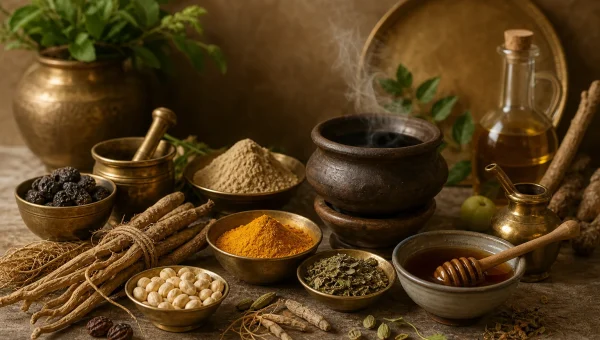
Charaka Samhita describes four principal Medhya Rasayana preparations in Rasayana Adhyaya: Mandukaparni svarasa, Yashtimadhu churna with milk, Guduchi juice, and Shankhapushpi paste. This is the classical core. Brahmi, Ashwagandha, and Jyotishmati are valuable herbs, but they should not be mislabeled as the exact four-herb Charaka list.
Mandukaparni / Centella asiatica: Mandukaparni is one of Charaka’s Medhya Rasayanas and is listed in the Ayurvedic Pharmacopoeia of India as Medhya, Rasayana, Ayushya, Smritiprada, Balya, Dipana, and Hridya. It suits burnout patterns where mental dullness, reduced recall, and heat-aggravated fatigue are present. API lists the dried whole plant dose as 3-6 g in powder form for adult oral guidance.
Yashtimadhu / Glycyrrhiza glabra: Charaka includes Yashtimadhu powder taken with milk in the Medhya Rasayana group. API describes Yashtimadhu as madhura in rasa, guru and snigdha in guna, shita in virya, madhura in vipaka, and balya. Its nourishing nature makes it relevant when burnout has dryness, depletion, voice strain, and pitta-vata irritation. Because licorice can be unsuitable in hypertension, kidney or heart disease, low potassium tendency, pregnancy, or certain medicines, it should be used only with appropriate guidance.
Guduchi / Tinospora cordifolia: Guduchi is included by Charaka as a Medhya Rasayana and is listed in API as Rasayana, Balya, Dipana, Tridoshashamaka, and Raktashodhaka. It is especially useful in a restorative protocol when burnout is accompanied by poor appetite, heaviness after meals, low resilience, or a sense of depleted immunity. API lists 3-6 g powder or 20-30 g for decoction guidance in adults.
Shankhapushpi / Convolvulus pluricaulis: Shankhapushpi is described by Charaka as especially intellect-supporting, and API lists it as Medhya, Rasayana, Balya, Ayushya, Pittahara, Kaphahara, and Mohanashaka. It belongs in burnout protocols where mental restlessness, overthinking, poor sleep rhythm, and lack of calm concentration are dominant. API lists 3-8 g powder for adult oral guidance. Since different plants are used regionally under the name Shankhapushpi, botanical authentication matters.
Supportive Herbs for a Burnout-Focused Brain Stack
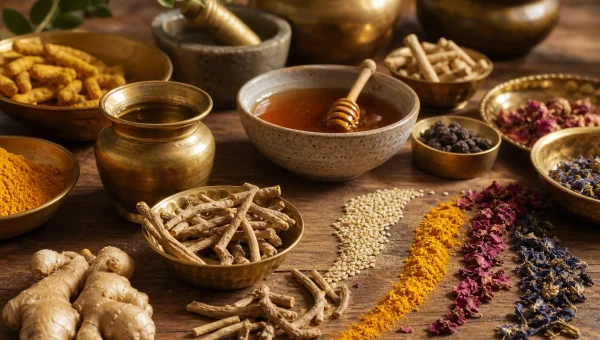
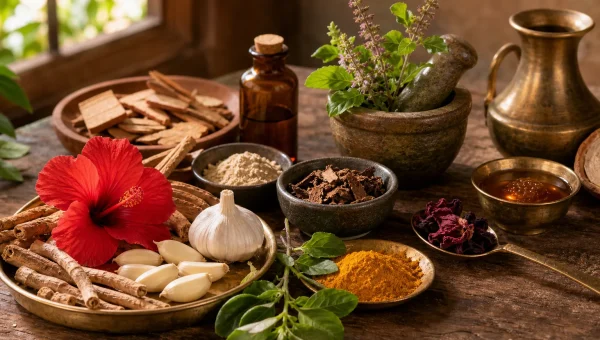
A practical burnout stack can include herbs beyond Charaka’s four, provided their role is stated accurately. The goal is not to take every herb at once, but to match the person’s current pattern: restoration first, medhya support second, sharper stimulation last or not at all.
Brahmi / Bacopa monnieri: Brahmi is listed in the Ayurvedic Pharmacopoeia of India as Medhya, Rasayana, Ayushya, Matiprada, Vatahara, and Kaphahara. It is a steady medhya herb for learning, memory, attention, and mental endurance. It is not best understood as a quick stimulant; its role is gradual support. API lists 1-3 g powder for adult oral guidance. Standardized extracts should follow practitioner or product-specific dosing.
Ashwagandha / Withania somnifera: Ashwagandha is not one of Charaka’s four Medhya Rasayanas, but it is a major Rasayana and Balya herb in API, with Vata-Kapha pacifying action. In burnout, it is most relevant when the person is exhausted, under-slept, physically depleted, tense, and unable to recover after work. API lists 3-6 g root powder for adult oral guidance. Modern extracts vary, so use labeled dosing and professional guidance rather than combining high doses casually.
Jyotishmati / Celastrus paniculatus: Jyotishmati is listed in API with Medhya action by prabhava, but it is also ushna and tikshna, with actions that include virechaka and vamaka. That makes it a potent herb, not a casual daily focus supplement. It may be considered only when a qualified practitioner decides it is appropriate for the person’s constitution, digestive strength, heat level, and medical history. API lists 1-2 g seed or 5-15 drops oil for adult oral guidance.
The 90-Day Medhya Rasayana Protocol
This protocol is a structured template to discuss with a qualified Ayurvedic practitioner. It begins with restoration because medhya herbs work best when sleep, digestion, and daily rhythm are no longer being damaged every day.
Days 1-14: Foundation Phase
- Fix the sleep anchor first: a consistent bedtime, dim light in the late evening, and a device-off period before sleep.
- Reduce stimulants after the morning. Avoid using caffeine to push through exhaustion.
- Use warm, freshly cooked meals with adequate healthy fat. A small amount of ghee with lunch or dinner may suit people who digest it well.
- Choose Ashwagandha only when it fits the person: dry fatigue, vata-type exhaustion, poor recovery, and no contraindication. Otherwise begin with food, routine, and breath practice alone.
Days 15-30: Add One Medhya Base
- Choose Brahmi when the main complaint is learning fatigue, poor recall, and scattered attention.
- Choose Mandukaparni when the pattern includes mental fatigue with heat, irritability, and reduced memory steadiness.
- Do not add multiple new herbs on the same day. Introduce one support at a time so tolerance and response are clear.
Days 31-60: Deepen the Rasayana Direction
- Add Shankhapushpi when overthinking, restlessness, disturbed sleep rhythm, and lack of calm concentration remain prominent.
- Consider Guduchi when the burnout picture includes weak digestion, low resilience, heaviness, and recurrent inflammatory or pitta-kapha features.
- Consider Yashtimadhu with milk only when it is appropriate for the person’s blood pressure, potassium status, kidney and heart health, and medication profile.
Days 61-90: Consolidate, Do Not Overload
- Keep one main medhya herb and one restorative support rather than building a heavy stack by default.
- Use Jyotishmati only under direct practitioner supervision because of its ushna, tikshna, virechaka, and vamaka profile.
- Review sleep, digestion, energy, mood, recall, and work capacity before deciding whether to continue, pause, or simplify the protocol.
Expected Milestones and Adjustment Points
A Rasayana plan is assessed by steadiness, recovery, digestion, sleep, and mental clarity, not by a sudden burst of forced productivity. The following checkpoints help keep the protocol grounded.
- Days 3-14: Sleep timing, evening restlessness, digestion, and morning heaviness should begin to move in the right direction.
- Days 15-30: Focus dips may become less dramatic, and morning clarity may feel more reliable.
- Days 31-60: Emotional reactivity, overthinking, and recall difficulty should be reassessed. If symptoms are worsening, simplify the protocol and seek professional evaluation.
- Days 61-90: Reassess baseline work capacity, sleep quality, mood, digestion, memory, and resilience. Maintenance should be lighter than the recovery phase.
If there is no meaningful improvement by the middle of the protocol, or if exhaustion, low mood, anxiety, insomnia, or cognitive difficulty is severe, medical evaluation is necessary. Thyroid dysfunction, iron deficiency, vitamin B12 deficiency, sleep apnea, depression, anxiety disorders, medication effects, and chronic infection or inflammation can mimic or worsen burnout.
The pranayama stress breathing practice can be paired with this approach because breath regulation, routine, food, and herbs support different parts of the recovery process. For readers comparing adaptogenic support, the Ashwagandha vs Rhodiola comparison can be used as a companion article while keeping the present protocol rooted in Medhya Rasayana.
Medical disclaimer: This content is for educational purposes only. Cognitive burnout can overlap with depression, anxiety disorders, thyroid disease, anemia, vitamin B12 deficiency, sleep disorders, and other medical conditions. Herbal supplements can interact with medicines and may be unsuitable during pregnancy, breastfeeding, liver disease, kidney disease, heart disease, hypertension, autoimmune disease, thyroid disorders, or psychiatric medication use. Consult a qualified Ayurvedic practitioner and healthcare provider before beginning any supplement protocol.
References
- World Health Organization
- World Health Organization
- Charaka Samhita — Rasayana Adhyaya
- Ayurvedic Pharmacopoeia of India
- Ayurvedic Pharmacopoeia of India
- NCCIH
- Ayurvedic Pharmacopoeia of India
- Meta-analysis of randomized controlled trials on cognitive effects of Bacopa monnieri extract (2014), PubMed
- A systematic review of the clinical use of Withania somnifera (Ashwagandha) to ameliorate cognitive dysfunction (2020), PubMed
- Operation Supplement Safety
- NCCIH
The PET scan metabolic activity reference for burnout is the kind of specificity that makes the rest of the article credible. This is not a wellness blog characterization of tiredness. This is a physiological state with measurable markers.
I’m a consultant and by Q3 every year I am in exactly the state described here. Tried Bacopa and Brahmi together for the first time this August based on this article. The Q4 cognitive state was noticeably different.
The circadian melatonin disruption point is what makes burnout restoration so slow. The sleep architecture damage takes months to correct. The Ashwagandha timing recommendation for evening use specifically is consistent with what I’ve seen in clinical practice.
The breakdown of burnout stages helped me see where I fit especially the early strain signs
Tried the stack for six weeks during a particularly heavy work period. The baseline cortisol blunting from Ashwagandha seems real in a way I can observe in how I respond to meetings and deadlines.
Has anyone tried the Ashwagandha foundation phase and noticed quicker sleep onset
What’s the recommendation for people who can’t take Brahmi due to its blood-thinning properties? I’m on anticoagulant therapy and need alternatives for the cognitive restoration component.
I appreciate the caution about not stacking all four medhya herbs at once
The explanation of medha kshaya as intellect tissue depletion feels new and relevant
Does the Shankhpushpi syrup dose work better mixed with warm milk or plain water
I found the dietary tips about ghee and evening electronics off useful for my routine
The mention of BDNF increase with Bacopa matches what I read in other research
What is the typical adjustment period for Mandukaparni before expecting circulation benefits
I wonder if the protocol needs adjustment for night shift workers
The distinction between ojas depletion and medha kshaya clarifies why pure focus hacks fail
Has the author seen improvements in word finding after the Jyotishmati phase
I liked the clear milestone timeline it makes the 90 day plan feel doable
The suggestion to reassess thyroid and B12 if no progress by day sixty is a sensible safety net
sheetali pranayama during a Pitta flare works within minutes. Wish I’d known this 10 years ago.
as someone who does both allopathy and Ayurveda I appreciate that this article doesnt demonize either.
The combination of theory and practical steps is what I appreciate most about this blog.
tried this for 6 weeks without the results described. Maybe the protocol needs personalizing.
the comments section here is almost as useful as the article itself
I appreciate that the dosages are given in actual mg not just ‘a pinch’ or ‘as needed’.
My Ayurvedic practitioner of 12 years said this is one of the better online resources she’s seen on the topic.
finally something that explains the why, not just the what.
Will try 🙏
The reference to Ashtanga Hridayam which Sutrasthana chapter? Would like to read the original.
i’m in the US and getting authentic herbs here is hard. Any trusted online sources?
my western trained MD friend looked at this and said the pharmacology section was reasonable.
so much misinformation out there. Good to find something grounded.
the language is accessible which is rare for classical Ayurveda writing
The sourcing of quality herbs in my city is impossible. Makes these protocols academic for many readers.
Been meaning to try this for two years. This article finally pushed me to start.
The balance between Sanskrit terminology and plain English is really well done.
u said it better than my 45-min consult with the vaidya tbh
the Q&A format at the end would make this even more useful. Would love a FAQ section.
Does ghee quality affect results significantly? I use store-bought A2 ghee.
the burnout protocol assumes someone can reduce workload. What about people who cant change their situation?
quality content. Keep writing like this.
Any recommendation for online vaidya consultations for those of us not near an Ayurvedic clinic?
is the guidance here applicable for elderly patients or is it designed for younger adults?
i asked my dr about this. she said she doesnt have enough info on it but didnt say no
the Brahmi versus Shankhpushpi comparison isnt in this article. Are they interchangeable?
the dose specificity here is what makes this actionable. Vague ‘take regularly’ instructions are useless.
the seasonal protocol is smart. Most people try to use the same routine all year.
been meaning to try this for two years. This article finally pushed me to start. 🌿
the before-and-after in my experience matches what the atricle predicts. That’s meaningful.
how long until Medhya Rasayana effects are noticeable? Im on week 3 with no change yet.
the morning versus evening split for herbs is something I always get confused about. Clear here.
going to share this at my wellness group meeting next week. Very useful.
Thanks 🙏
tried the protocol. Week 2 no change yet but following through to the full period.
my yoga teacher recommended this site and now I see why.
I would like more detail on Medhya Rasayana Stack for Professionals. The practical details matter more than people think.
I would like more detail on Medhya Rasayana Stack for Professionals. The timing advice is the part I would start with.
Bookmarked
how long does a typical protocol like this take to show results?
Some of the preparation methods are too time-intensive for working adults. Needs a quick-version alternative.
my grandma was right abuot all of this. just didn’t have the explanation.
this article connected the dots between things my vaidya told me over several years.
Useful post on Medhya Rasayana Stack for Professionals. The main idea is clear even if someone is new to Ayurveda.
late to this discussion but the question in the first comment is still unanswered anyone have more info? 🙏
Have been searching for this explanation for years. Saved. Sharing. ठीक है
u said it better than my 45-min consult with the vaidya tbh ✨
For Medhya Rasayana Stack for Professionals, consistency seems like the hard part. The timing advice is the part I would start with.
Going to share this at my wellness group meeting next week. Very useful. 🙌
does this protocol need modification for someone who is fasting during Navratri?
starting today. Fingers crossed. नमस्ते
Reading this later and the Medhya Rasayana Stack for Professionals advice still feels relevant. This feels more usable than a long list of herbs.
the combination of classical reasoning and practical steps is exactly what I was looking for.
for Pitta-Kapha dual constitution which aspects of the protocol take priority?
late to this but as someone who does both allopathy and Ayurveda I appreciate that this article doesnt demonize either.
i wish there were more clinical studies cited here. Traditional use is valuable but not sufficient evidence alone.
The burnout protocol assumes someone can reduce workload. What about people who can’t change their situation?
for children under 5, is the Shankhpushpi dose proportional by weight or is there a floor? 💯
just found this through Google. Is this still the current recommendation?
do the ratios change if you are doing this as preventive care versus active treatment?
Reading this in 2027 are the herb sourcing recommendations still valid?
Will try for a month and report back here.
the question about brand quality is important. not all suppliers are equal.
ayurvedic approaches to mental health need to be very clear they are complementary, not replacement for psychiatric care.
brilliant breakdown. Forwarding this.
starting today. Fingers crossed.
would like to see the contraindications section expanded. Too brief for something being suggested for health issues.
The Medhya Rasayana stack changed my focus and recall. Eight weeks in and the difference is real.
Can Shankhpushpi syrup be taken alongside prescription anxiety medication? My psychiatrist doesn’t know Ayurveda.
three herbs three outcomes surprisingly simple when laid out like this
my practitioner mentioned this approach last week. Nice to find a detailed written explanation.
This helped me understand Medhya Rasayana Stack for Professionals without too much jargon. The safety notes could be expanded a little.
I appreciate the acknowledgment that this isn’t a substitute for professional consultation. ✨
This helped me understand Medhya Rasayana Stack for Professionals without too much jargon. Good starting point for a cautious reader.
Been following this blog for six months and the quality is consistently high.
can this be done alongside an allopathic treatment or should there be a gap? ठीक है
The Medhya Rasayana Stack for Professionals section feels grounded enough to try carefully. The timing advice is the part I would start with.
the before-and-after in my experience matches what the article predicts. That’s meaningful. 💯
finally an article that doesnt treat Ayurveda as magic and also doesnt dismiss it entirely
how long until Medhya Rasayana effects r noticeable? im on week 3 with no change yet.
Same here
late to this but the comments section here is almost as useful as the article itself
the integration of modern evidence with traditional practice is the right approach.
does anyone know a practitioner in Hyderabad who works with this kind of protocol?
I was looking for a plain explanation of Medhya Rasayana Stack for Professionals. The main idea is clear even if someone is new to Ayurveda.
found this searching for answers, starting today. Fingers crossed.
for Kapha-dominant types is the warm water recommendation essential or can it be room temp?
Shared this with my 68-year-old father. He said it’s exactly what his vaidya prescribed 30 years ago.
The classical text quotes are helpful context but I’d like to understand the modern interpretation better.
could you address the quality certification issue in a future article? Third-party tested herbs are hard to find.
some of these herbs interact with SSRIs. This is a safety issue that deserves more than a footnote.
reading this in 2027, the before-and-after in my experience matches what the article predicts. That’s meaningful.
Late to this discussion but the question in the first comment is still unanswered anyone have more info?
old post but still helpful. my western trained MD friend looked at this and said the pharmacology section was reasonable.
just found this via Google, shrd this with my 68-year-old father. He said its exactly what his vaidya prescribed 30 years ago. 🌿
Going to share this at my wellness group meeting next week. Very useful. 🌿
Found this searching for answers, the dosage for children per kg bodyweight would be useful to add.
The cognitive enhancement claims for Brahmi need more rigorous evidence than what’s cited here.
i appreciate the acknowledgment that this isn’t a substitute for professional consultation.
Reading this in 2027, my doctor actively discouraged this after I mentioned it. Getting conflicting guidance is difficult to navigate.
first comment here. been lurking for months. this is the one that made me want to say thank u
i was prescribed this by a practitioner 2 years back but never understood why. now i do.
coming from a conventional medicine background this article impressed me with its rigor.
nani used to say the same things in different words. There’s real wisdom here.
can this be done alongside an allopathic treatment or should there be a gap?
old post but still helpful. the classical text quotes are helpful context but I’d like to understand the modern interpretation better.
so much misinformation out there. Good to find something grounded. 💯
u said it better than my 45-min consult with the vaidya tbh ❤️
late to this but the depth here is unusual for a blog. reads more like a textbook chapter.
The IST timings in the practical section are a nice touch. Feels like it’s written for us.
the burnout protocol assumes someone can reduce workload. What about people who cant change their situation? 💯
my doctor actively discouraged this after I mentioned it. Getting conflicting guidance is difficult to navigate.
Finally!
the burnout protocol assumes someone can reduce workload. What about people who cant change their situation? ❤️
The cognitive enhancement claims for Brahmi need more rigorous evidence than what’s cited here. 🙏
the dosage for children per kg bodyweight would be useful to add.
Skeptical about Ayurveda in general but this is presented honestly enough that I’ll try it.
This makes sense for Medhya Rasayana Stack for Professionals. I would like to know how long to try it before judging results.
people should know this. Sharing everywhere.
would love a video version of the preparation method
do the ratios change if u r doing this as preventive cr versus active treatment?
I would like more detail on Medhya Rasayana Stack for Professionals. The safety notes could be expanded a little.
the integration of modern evidence with traditional practice is the right approach. ✨
this is now my reference article for explaining this topic to friends.
Reading this in 2027, reading this in 2027 are the herb sourcing recommendations still valid?
The before-and-after in my experience matches what the article predicts. That’s meaningful.
the reference to Ashtanga Hridayam which Sutrasthana chapter? Would like to read the original. 🙌
For Medhya Rasayana Stack for Professionals, consistency seems like the hard part. A few more examples would still help.
Just found this via Google, the morning versus evening split for herbs is something I always get confused about. Clear here.
can this be taken in summer or only winter months?
For Medhya Rasayana Stack for Professionals, consistency seems like the hard part. The main idea is clear even if someone is new to Ayurveda.
Reading this in 2027, some of these herbs interact with SSRIs. This is a safety issue that deserves more than a footnote.
Old post but still helpful. does this protocol need modification for someone who is fasting during Navratri?
My experience perfectly matches what is described in the long-term use section.
Reading this in 2027, the Hindi terms alongside English make this usable in both languages.
been meaning to try this for two years. This article finally pushed me to start. ❤️
Reading this in 2027, can this be done alongside an allopathic treatment or should there be a gap?
tried the protocol. Week 2 no change yet but following through to the full period. ❤️
How does weather and season affect the protocol? I’m in a hot humid climate.
pitta burning its way through this article and finding useful info 🔥 just kidding but yes helpful.
Found this article after searching for 3 days. Exactly what I needed.
The before-and-after in my experience matches what the article predicts. That’s meaningful. 🌿
I liked the practical side of Medhya Rasayana Stack for Professionals. The practical details matter more than people think.
Late to this but the question about brand quality is important. not all suppliers are equal.
the dose specificity here is what makes this actionable. Vague ‘take regularly’ instructions are useless. 🙏
what brand of triphala do u recommend? So many options and quality varies greatly.
for an old post this is still very relevant. good information doesn’t expire.
The Brahmi versus Shankhpushpi comparison isn’t in this article. Are they interchangeable?
Can this be done alongside an allopathic treatment or should there be a gap? ❤️
for an old post this is still very relevant. good information doesnt expire.
can someone here who has tried this protocol confirm the timeline? Two weeks vs six weeks? धन्यवाद
My constitution is Vata-Pitta so some of this applies and some doesn’t. A chart for dual types would help.
This helped me understand Medhya Rasayana Stack for Professionals without too much jargon. A few more examples would still help.
is there a children’s version of this protocol? My daughter has a similar issue.
Old post but still helpful. late to this discussion but the question in the first comment is still unanswered anyone have more info?
How long until Medhya Rasayana effects are noticeable? I’m on week 3 with no change yet.
late to this but for Pitta-Kapha dual constitution which aspects of the protocol take priority? धन्यवाद
do the ratios change if you are doing this as preventive care versus active treatment? 🌿
can this be done alongside an allopathic treatment or should there be a gap? 🙌
The writing assumes India-based readers. Temperature/herb availability differs greatly outside India.
Have been searching for this explanation for years. Saved. Sharing. ✨
real information. Not fluff. Rare.
old post but still helpful. too theoretical without enough concrete steps. The ‘what’ is clear but the ‘how exactly’ is missing. 🌿
The Medhya Rasayana Stack for Professionals section feels grounded enough to try carefully. This would be easier to follow with a one-week sample plan.
just found this via Google, some of these herbs interact with SSRIs. This is a safety issue that deserves more than a footnote. 💯