
Every monsoon in Delhi, my grandmother would quietly swap out the curd rice and raw salads that dominated our summer table and replace them with warm, lightly spiced soups, soft khichdi, and ginger-infused teas. As a child I thought she was simply being cautious about the rain. Years later, studying the Ayurvedic idea of seasonal regimen, I understood that she was practicing Varsha Ritucharya with the instinctive precision of someone who had absorbed food wisdom through generations.
Varsha Ritu, the rainy season in the Ayurvedic calendar, is traditionally placed around Shravana and Bhadrapada, roughly mid-July through mid-September in much of India. Ayurveda treats this as a vulnerable season for digestion. In Charaka Samhita Sutrasthana Chapter 6, the digestive fire, Agni, is described as weak after the depleting heat of the preceding season and further disturbed in the rains by Vata and other doshas, moisture, cloudy weather, and changes in the quality of water.
The point of a monsoon diet is therefore not restriction for its own sake. It is Agni protection. Food should be warm, freshly prepared, light enough to digest, mildly unctuous, and supported with appropriate spices. Cold drinks, heavy meals, raw salads, stale food, excessive day sleep, damp surroundings, and irregular eating all work against the seasonal logic of Varsha Ritucharya.
Why Digestion Needs Protection During Monsoon
Charaka explains that during Varsha Ritu the body is already weakened by the preceding Adana Kala, the half of the year associated with depletion. When the rains arrive, dampness, clouds, wind, and altered water quality further disturb Agni. This is why many people intuitively notice bloating, sluggish appetite, loose stools, heaviness, or fatigue during the rainy season.
Ayurveda frames this through Agni and Ama. When Agni is steady, food is digested cleanly and nourishment is formed. When Agni is weak, food may remain partly processed and become Ama, the heavy, sticky residue associated with obstruction, dullness, and imbalance. Monsoon eating is designed to prevent that outcome by reducing the digestive burden while keeping the body warm and nourished.
The Ayurvedic Monsoon Diet Framework
The guiding qualities for Varsha food are warm, light, freshly cooked, and moderately unctuous. Classical recommendations include old barley, wheat, old Shali rice, and prepared soups such as Yusha. On especially cold, windy, rainy days, Charaka advises food with clearly sour, salty, and unctuous qualities to calm Vata. This does not mean making meals oily or excessively salty; it means adding enough warmth, moisture, ghee, salt, and mild sourness to keep food grounding and digestible.
Foods to Emphasize
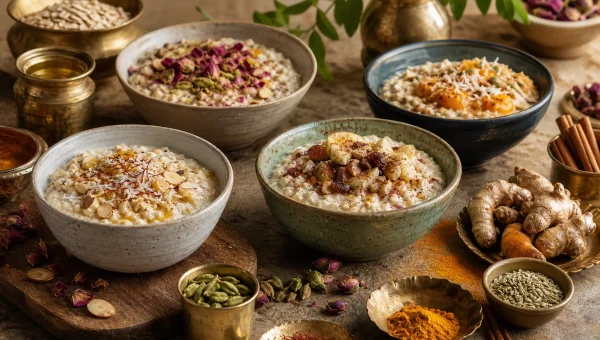
Old rice, barley, wheat preparations, soft khichdi, thin dal, moong soup, vegetable broths, and well-cooked seasonal vegetables form the practical monsoon plate. Yellow moong dal is especially useful in home cooking because it cooks quickly, becomes soft, and suits soup-like preparations. Meals should be served warm rather than lukewarm or cold.
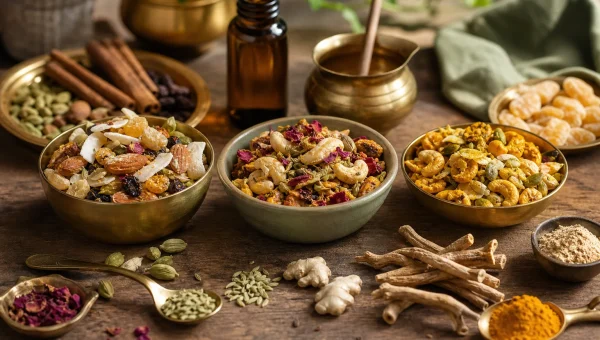
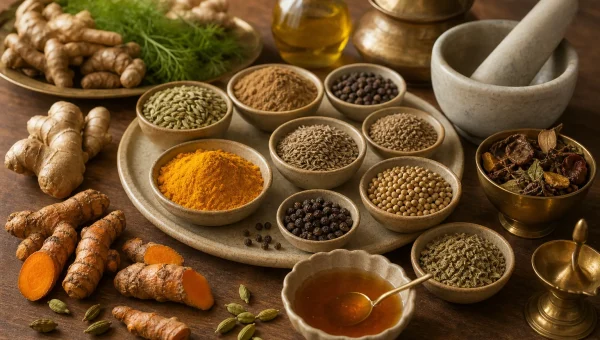
Digestive spices are important in this season, but they should be used intelligently rather than aggressively. Fresh ginger, dry ginger, cumin, coriander, ajwain, turmeric, black pepper, and curry leaves can be used in small kitchen amounts to make food warmer, lighter, and easier to digest. People with strong acidity, ulcers, bleeding disorders, pregnancy, or heat signs should use warming spices with guidance.
Foods to Avoid or Minimize
Large raw salads, chilled drinks, iced desserts, stale leftovers, very heavy beans, deep-fried snacks, and overeating are best minimized in Varsha Ritu. Ayurveda also advises avoiding river water in the rainy season and recommends properly boiled and cooled water for drinking. Curd is not ideal at night, and during monsoon it is better kept to small daytime portions if it suits the person; spiced buttermilk or thin takra is usually lighter than a bowl of cold curd.
Seasonal Food Guide
This table translates the classical Varsha principle into a practical vegetarian kitchen. Individual constitution, appetite, region, and health conditions still matter, so the list should be adapted rather than followed mechanically.
| Category | Prefer | Minimize | Ayurvedic Reason |
|---|---|---|---|
| Grains | Old rice, barley, wheat roti, soft khichdi | Very heavy grain meals, stale rice, excess corn-flour drinks | Old grains and warm preparations are lighter for weakened Agni |
| Legumes | Moong dal, thin dal, yusha-style soups | Rajma, chana, urad dal in large portions | Soft soups are easier to digest than dense bean preparations |
| Vegetables | Well-cooked gourds, pumpkin, carrots, beans, seasonal vegetables | Large raw salads, unwashed greens, cold vegetable bowls | Cooked vegetables match the warm, Agni-supportive seasonal approach |
| Dairy | Warm milk if tolerated, thin spiced buttermilk in daytime | Curd at night, cold lassi, heavy paneer dinners | Cold and heavy dairy can burden digestion when Agni is low |
| Fats | Small amounts of ghee with warm meals | Deep-fried foods, reheated oils, excessive oily snacks | Moderate snigdha supports Vata; excess oil becomes heavy |
| Spices | Ginger, cumin, ajwain, coriander, turmeric, black pepper | Excess chili, very sharp pickles, heavy sour-spicy combinations | Gentle warming spices support Agni without overloading Pitta |
| Drinks | Boiled and cooled water, warm water, ginger-cumin water | Iced drinks, river water, unboiled water, cold carbonated drinks | Boiled water and warm sipping protect digestion in damp weather |
The Role of Boiled and Spiced Water
One of the simplest monsoon practices is to avoid unsafe or heavy water and use water that has been properly boiled and cooled. Classical Varsha guidance specifically mentions boiled and cooled rain, well, or pond water; in a modern kitchen, the safest interpretation is clean drinking water that has been boiled and stored hygienically.
For daily use, plain boiled water is enough. If your digestion feels heavy and your constitution tolerates warming spices, simmer one liter of water with a few slices of fresh ginger or a small pinch each of cumin, coriander, and fennel. Sip it warm or at room temperature through the day. Do not make it excessively concentrated, and avoid strong spiced water if you have burning acidity, mouth ulcers, active bleeding, or heat-aggravated symptoms.
Monsoon Digestive Soup Recipe: Moong and Ginger Rasam
This soup keeps the original monsoon logic intact: soft dal, warm liquid, mild sourness, a little ghee, and digestive spices. It is light enough for dinner and satisfying enough to replace a heavy rainy-night meal.
Ingredients (serves 4):
- 3/4 cup yellow split moong dal, washed
- 1.5 liters water
- 1 to 1.5-inch piece fresh ginger, grated
- 1 tsp cumin seeds
- 1/2 tsp turmeric powder
- 1/4 to 1/2 tsp freshly ground black pepper
- 8-10 curry leaves
- 1 tbsp ghee
- Rock salt or mineral salt to taste
- Juice of half a lemon, added after cooking
- Small handful fresh coriander leaves
Method:
Boil or pressure cook the moong dal with turmeric and 1 liter of water until completely soft and breaking apart. Add the remaining water to thin it to a soup consistency. In a small pan, warm the ghee over medium heat. Add cumin seeds and let them release their aroma. Add curry leaves, grated ginger, and black pepper, then stir briefly until fragrant. Pour this tempering into the dal soup. Add salt and simmer for 5 minutes. Turn off the heat, add lemon juice, and garnish with coriander. Serve hot in bowls and eat slowly.
The combination of soft moong, ginger, cumin, black pepper, turmeric, ghee, salt, and a little lemon gives the soup the warm, mildly sour, lightly unctuous, and digestible character that suits a rainy evening. For sensitive Pitta or acidity, reduce black pepper and lemon.
Practical Monsoon Eating Schedule
During Varsha Ritu, eating at the right time matters as much as choosing the right food. Ayurveda advises eating after the previous meal has digested and avoiding Adhyashana, the habit of eating again before the earlier food has been processed. In practical terms, wait for genuine hunger, a light stomach, clear belching, and natural appetite before taking the next meal.
Lunch can remain the fuller meal of the day, while dinner should be lighter, warmer, and earlier. A bowl of moong soup, thin khichdi, soft roti with cooked vegetables, or a simple dal-rice meal is usually better suited to monsoon nights than fried snacks, heavy paneer, rajma-chawal, or cold curd rice.
Honey in Monsoon: A Special Note
Charaka recommends small amounts of honey with food and drink during Varsha Ritu to help counter the damp, kleda-producing quality of the season. The key word is small. Honey is not a free sweetener to pour into every drink; it is a potent food substance used carefully.
Ayurveda also cautions against heating honey. Do not boil honey, cook it into recipes, bake it, or add it to very hot tea. If using honey in monsoon, add a small amount only after the drink has cooled to a comfortably warm sipping temperature. People with diabetes, infants under one year, pollen sensitivity, or specific medical restrictions should avoid or individualize honey use with professional guidance.
Simple Daily Checklist
A practical monsoon kitchen can follow five rules: drink boiled water; keep meals warm and freshly cooked; use moong dal or another soft soup-like preparation often; avoid raw, cold, stale, and very heavy foods; and eat only when the previous meal has digested. These habits are simple, but they directly express the classical aim of Varsha Ritucharya: protecting Agni while keeping Vata steady in damp weather.
Ayurveda does not ask you to overhaul your kitchen overnight. Varsha Ritucharya is about making small seasonal adjustments that honor the biological reality of rainy weather. Start with warm water and a simple moong-ginger soup. Notice your appetite, stool, energy, and sleep the next morning. That noticing is where ancient seasonal wisdom becomes personal.
Nothing in this article diagnoses or treats a medical condition. Use it as educational information and consult a qualified Ayurvedic practitioner or healthcare provider before starting herbs, supplements, detoxes, Panchakarma, or therapeutic protocols, especially if pregnant, managing a condition, or taking medication.
References
- Easyayurveda (easyayurveda.com)
- Charaka Samhita — Tasyashiteeya Adhyaya
- Easyayurveda (easyayurveda.com)
- Easyayurveda (easyayurveda.com)
- Easyayurveda (easyayurveda.com)
- Easyayurveda (easyayurveda.com)
- Easyayurveda (easyayurveda.com)
- Studies on the physicochemical characteristics of heated honey, honey mixed with ghee and their food consumption pattern by rats (2010), PubMed Central
- Hopkinsmedicine (hopkinsmedicine.org)
My grandmother in Delhi made the exact same substitutions in July that this article describes. Warm khichdi replacing the cold curd rice, ginger in everything, lighter food before monsoon was established. She never used the term Varsha Ritucharya but she was practicing it.
Reading this later and the Monsoon Diet advice still feels relevant. The practical details matter more than people think.
The Monsoon Diet explanation is clearer than most short posts. I appreciate that it does not oversell the result.
my entire family benefits from this site. please keep up the great work
Reading this later and the Monsoon Diet advice still feels relevant. Would be useful to see a short checklist next.
The specific avoidance of raw leafy greens during monsoon due to contamination risk and Kapha aggravation is the recommendation that makes most sense to me practically. The food safety angle alone justifies it in a country where water quality and surface contamination spike during the rains.
Wonderful to see someone from a medical background engaging with this content thoughtfully. The integration of traditional and modern approaches is so important.
Is this protocol specifically for India or does monsoon season dietary adjustment apply differently in other humid tropical climates? I’m in Malaysia and the weather pattern is similar but the specific food culture is different.
Great to hear this is working for you. Your grandmother’s wisdom was ahead of its time!
this hits the perfect balance between simple and technical tbh
The Deepana spices emphasis during monsoon is something I implement now every July without needing to think about it. Ajwain, ginger, and rock salt in everything. My digestion during monsoon is noticeably better since I started following this kind of protocol three years ago.
Is there a specific brand or source you recommend for the herbs mentioned? Quality varies so much
Reading this later and the Monsoon Diet advice still feels relevant. The timing advice is the part I would start with.
interesting, my practitioner recommended basically the same protocol. good to see validation
I think there’s a middle ground being missed here. You don’t have to choose between Ayurveda and conventional medicine, both have value.
The Charaka Sutrasthana seasonal regimen chapters are among the most practically useful sections of the classical texts. Having them translated into contemporary dietary guidance with specific food recommendations is exactly what makes Ayurveda accessible.
You’ve raised a really important point, thank you! I’m actually planning a follow-up post on exactly this aspect, so stay tuned.
The recipe proportions seem off compared to what my Ayurvedic doctor prescribed. Could you clarify the source for these specific ratios?
the practical tips at the end are gold!! theory is nice but i need actionable steps
The light easily digestible food recommendation during monsoon conflicts with the comfort food craving most people have in rainy weather. The psychological draw to heavier food during monsoon and the Ayurvedic advice to eat lightly are in tension. Any suggestions for satisfying the seasonal comfort food desire without aggravating Agni?
I’ve been looking for exactly this information for weeks. Thank you for being so thorough
Clear, evidence-based, and practical. Everything a good health article should be.
THIS is what i needed to read today, bookmarked it
Thank you for engaging with this so deeply! Your perspective adds so much value to the conversation here.
Appreciate you keeping us honest. We’ve noted your feedback about dosage specificity and will address it in a revised version of this article.
Thank you for sharing your experience! Stories like yours help other readers see what’s possible with consistent practice.
I wanted this to work so badly, but after 8 weeks of strict adherence I gave up. Sometimes modern medicine is just more effective
started out skeptical but 2 weeks in and im genuinely surprised. it works
Are there food interactions with ritucharya that I should be aware of? My Ayurvedic doctor mentioned something about dairy but wasn’t specific.
The Monsoon Diet explanation is clearer than most short posts. Would be useful to see a short checklist next.
The Monsoon Diet explanation is clearer than most short posts. I would still ask a practitioner before changing medicines.
This is such encouraging feedback. Keep going with the protocol and feel free to share updates!
sent this to my yoga teacher and she loved it. said the depth was impressive
How long should I continue this before expecting results? I’m on week two with no change yet.
Is the hot water drinking recommendation throughout the day during monsoon the same as general warm water advice or is there a specific preparation or herb addition for the monsoon context?
Switching to warm, lightly spiced soups really helped me feel less sluggish during last year’s rains.
The safety profile section is the most important part and it’s well done. Took 3 weeks before I noticed anything.
Old rice (Purana Shali) during monsoon which commercial rice qualifies?
The seasonal variation advice is the part most Ayurveda articles skip. Started with half the dose initially.
Late to this post but it answered a question I’ve had for months. Finding a good source was the challenge.
The instinctive precision description of your grandmother’s cooking is the right characterization. People who cook correctly for the season don’t need to articulate the theory because the knowledge lives in the practice. The classical texts are a codification of what careful cooks already knew.
The classical Sanskrit terms with explanations are helpful for beginners. The diet changes helped too.
Bookmarking this. Need to discuss it with my doctor first. More research needed but encouraging.
Does anyone know if this applies for a Vata-Pitta dual prakriti? Finding a good source was the challenge.
Is there a difference in the monsoon protocol for coastal India vs inland areas?
The diet changes listed here are harder to follow than the herbs but more impactful. Finding a good source was the challenge.
The Varsha Ritu dietary protocol makes sense reduced Agni during monsoon means lighter foods and more digestive spices.
Bookmarking this. Need to discuss it with my doctor first. My sleep improved first, then energy.
The seasonal variation advice is the part most Ayurveda articles skip. Took 3 weeks before I noticed anything.
Any recommended books for deeper reading on this topic? More research needed but encouraging.
My vaidya prescribed something nearly identical. Good to see the classical basis. Took 3 weeks before I noticed anything.
Anyone else tried combining this with Triphala? My sleep improved first, then energy.
I appreciate that the article mentions when to see a doctor rather than only promoting herbs. Finding a good source was the challenge.
The contraindication list should be read first before starting anything here. Combined with yoga practice for better results.
Started this for 3 weeks and noticed noticeable improvement. Will update in a few months.
The avoidance of cold foods during treatment is something my body confirmed independently. Still a work in progress.
The contraindication list should be read first before starting anything here. The diet changes helped too.
My integrative doctor agrees with this approach, which surprised me. The timing of doses matters more than I expected.
The integration with modern physiology is what makes this article stand out. Results are slow but steady.
The seasonal variation advice is the part most Ayurveda articles skip. The quality of the herb matters a lot.
Bookmarking this. Need to discuss it with my doctor first. Combining with dietary changes.
The herb quality issue is real I’ve noticed significant variation across brands. Still a work in progress.
The Monsoon Diet explanation is clearer than most short posts. The timing advice is the part I would start with.
The Monsoon Diet explanation is clearer than most short posts. The main idea is clear even if someone is new to Ayurveda.
The contraindication list should be read first before starting anything here. More research needed but encouraging.
The integration with modern physiology is what makes this article stand out. Combined with yoga practice for better results.
The Vata aggravation during Varsha Ritu despite the dampness the erratic climate destabilizes Vata.
My vaidya prescribed something nearly identical. Good to see the classical basis. Results are slow but steady.
My practitioner suggested something similar last year. The results were gradual but real. Finding a good source was the challenge.
I’ve tried multiple approaches before landing on what the article recommends. The quality of the herb matters a lot.
Tried the recipe/formula mentioned and the results after 6 weeks were encouraging. Will update in a few months.
I’ve tried multiple approaches before landing on what the article recommends. Combining with dietary changes.
Shared this with my mother who has been dealing with this for 5 years. Still a work in progress.
The diet changes listed here are harder to follow than the herbs but more impactful. My sleep improved first, then energy.
Started this last September and will report back after 3 months. The quality of the herb matters a lot.
The safety profile section is the most important part and it’s well done. My practitioner is monitoring.
I liked the practical side of Monsoon Diet. I appreciate that it does not oversell the result.
Been using this for 2 weeks and noticed less stiffness. The timing of doses matters more than I expected.
The dosage section here is more specific than most sources I’ve seen. The timing of doses matters more than I expected.
The dosage section here is more specific than most sources I’ve seen. Started with half the dose initially.
The recovery experience described in the comments here matches mine closely. Combining with dietary changes.
The integration with modern physiology is what makes this article stand out. Consistency seems to be the key.
Is this safe with antacids? Took 3 weeks before I noticed anything.
The herb quality issue is real I’ve noticed significant variation across brands. Started with half the dose initially.
Does the recommendation to avoid curd at night apply to homemade yogurt as well?
Been following this for 6 weeks and noticed reduced pain. Still a work in progress.
Late to this post but it answered a question I’ve had for months. Started with half the dose initially.
My practitioner suggested something similar last year. The results were gradual but real. The diet changes helped too.
The seasonal variation advice is the part most Ayurveda articles skip. Results are slow but steady.
Does the Panchakarma recommendation during monsoon apply to all prakriti types?
Been researching this for my father. The practical tips are what he can actually follow. Combining with dietary changes.
The avoidance of cold foods during treatment is something my body confirmed independently. Finding a good source was the challenge.
Old rice stored for a year sounds unusual, but the logic about reduced Ama formation is intriguing.
Started this last March and will report back after 3 months. Still a work in progress.
My vaidya prescribed something nearly identical. Good to see the classical basis. Consistency seems to be the key.
Is this safe with antacids? Results are slow but steady.
Three months in and the improvement is steady if slow. Digestive improvement came before other benefits.
Anyone else tried combining this with Triphala? My practitioner is monitoring.
Any recommended books for deeper reading on this topic? Still a work in progress.
Tried the recipe/formula mentioned and the results after 6 weeks were encouraging. Finding a good source was the challenge.
Started this last February and will report back after 3 months. More research needed but encouraging.
I find the spiced water tip simple enough to add to my daily routine.
Is the restriction on leafy greens during monsoon based on contamination risk or Ayurvedic principles?
The contraindication list should be read first before starting anything here. Digestive improvement came before other benefits.
This helped me understand Monsoon Diet without too much jargon. Small daily changes are easier to follow than a perfect plan.
Would love to see a version of this article aimed at practitioners. The quality of the herb matters a lot.
Does anyone know if this applies for a Vata-Pitta dual prakriti? Digestive improvement came before other benefits.
The monsoon diet’s focus on moong dal aligns with what I’ve read about easy to digest legumes.
The dosage section here is more specific than most sources I’ve seen. The diet changes helped too.
The diet changes listed here are harder to follow than the herbs but more impactful. Consistency seems to be the key.
The safety profile section is the most important part and it’s well done. Started with half the dose initially.
The recovery experience described in the comments here matches mine closely. The diet changes helped too.
Would love to see a version of this article aimed at practitioners. The timing of doses matters more than I expected.
Bookmarking this. Need to discuss it with my doctor first. Results are slow but steady.
Tried this for 4 weeks and noticed less stiffness. Will update in a few months.
The monsoon Triphala protocol increasing the dose slightly to address seasonal Ama accumulation.
Avoiding raw leafy greens in the rainy season seems like a practical way to prevent gut fermentation.
This helped me understand Monsoon Diet without too much jargon. The examples make the advice less abstract.
Started this for 4 months and noticed good results. The quality of the herb matters a lot.
Finding a quality herb source is harder than following the protocol itself. Consistency seems to be the key.
Does the increased Pitta accumulation during monsoon (Pitta Chaya) mean Pitta symptoms worsen in autumn?
Bookmarking this. Need to discuss it with my doctor first. Still a work in progress.
I’ve tried multiple approaches before landing on what the article recommends. My practitioner is monitoring.
The classical Sanskrit terms with explanations are helpful for beginners. Consistency seems to be the key.
Shared this with my mother who has been dealing with this for 5 years. Started with half the dose initially.
Would love to see a version of this article aimed at practitioners. More research needed but encouraging.
Three months in and the improvement is steady if slow. Started with half the dose initially.
Shared this with my mother who has been dealing with this for 5 years. My practitioner is monitoring.
The classical Sanskrit terms with explanations are helpful for beginners. Finding a good source was the challenge.
The avoidance of cold foods during treatment is something my body confirmed independently. My practitioner is monitoring.
Is this safe with antacids? The quality of the herb matters a lot.
My integrative doctor agrees with this approach, which surprised me. More research needed but encouraging.
Late to this post but it answered a question I’ve had for months. Combined with yoga practice for better results.
Been using this for 8 weeks and noticed less fatigue. Will update in a few months.
The mechanism explanation is clearer than the PubMed abstract I read. Digestive improvement came before other benefits.
The classical Sanskrit terms with explanations are helpful for beginners. Combining with dietary changes.
My vaidya prescribed something nearly identical. Good to see the classical basis. The diet changes helped too.
Finding a quality herb source is harder than following the protocol itself. More research needed but encouraging.
Any recommended books for deeper reading on this topic? Will update in a few months.
Bookmarking this. Need to discuss it with my doctor first. Consistency seems to be the key.
Started this last February and will report back after 3 months. My practitioner is monitoring.
Late to this (found it 2026-09-06) but wanted to ask about the dosage section.
My integrative doctor agrees with this approach, which surprised me. Took 3 weeks before I noticed anything.