
Last July I had three clients in one week who all described the same pattern: irritability rising in the afternoon, heat building in the chest and face, skin feeling reactive, and a craving for cold, sweet food that never seemed fully satisfying. Each person had increased fruit smoothies, salads, citrus drinks, and refrigerator-cold snacks, thinking that “cold” automatically meant Pitta-pacifying. From an Ayurvedic perspective, that is only partly true. Hot days call for foods that are cooling, moistening, gently sweet, and easy on Agni; very sour, salty, pungent, raw, iced, or fermented snacks can still disturb digestion and increase heat even when they feel refreshing at first. These 12 snack-box ideas use a different principle: calm heat, protect digestion, and give Pitta enough steady nourishment to stay grounded through summer afternoons.
Why Hot Days Need Pitta-Smart Snacks
Classical Ritucharya does not reduce summer to a simple “Pitta season” label. In Grishma Ritu (summer), the strong sun dries moisture, reduces strength, and makes sweet, cooling, liquid, unctuous, and light foods especially appropriate. The same seasonal guidance advises reducing salty, sour, pungent, hot, and excessively strenuous inputs. Pitta itself is naturally hot, sharp, light, oily, liquid, and spreading, so a person with Pitta dominance or active heat signs can feel more easily provoked during hot weather, especially around the middle of the day.
The practical snack principles are simple: favor sweet, bitter, and astringent tastes; choose moist and cooling preparations; keep portions moderate; and avoid the common summer trap of iced, sour, spicy, salty, or fermented foods. A snack should settle heat without weakening digestion. That means room-temperature or gently cool foods usually work better than freezer-cold foods, and light spices such as fennel and cardamom are preferable to chili, heavy masala, or too much roasted cumin.
The 12 Pitta-Cooling Snacks
Use these as mix-and-match ideas rather than a rigid protocol. For strong acidity, loose stools, burning sensations, pregnancy, diabetes, medication use, or a diagnosed condition, choose the milder options and consult a qualified practitioner before using herbs therapeutically.
1. Coconut-Cardamom Date Bites
Split soft pitted dates, fill each with a little grated fresh coconut, and dust with a pinch of cardamom powder. Dates give a quick sweet taste and soft nourishment, coconut adds moistness, and cardamom offers a light, aromatic digestive note without the sharpness of chili or ginger. Serve these at room temperature rather than straight from the refrigerator. For very high Pitta or blood-sugar concerns, keep the portion small and pair with a few sips of fennel water.
2. Cucumber-Coconut Raita Cups
Grate cucumber and mix it with coconut yogurt, thin coconut milk, or a small amount of fresh, non-sour homemade yogurt diluted well with water. Add chopped mint, a pinch of cardamom, and a light dusting of coriander powder. Skip excess salt and avoid sour curd when acidity, rashes, loose stools, or burning sensations are active. This works well in small cups or cucumber boats, especially when served cool-room-temperature rather than icy.
3. Fennel-Raisin-Coconut Travel Mix
Combine raisins, dried coconut flakes, lightly crushed fennel seeds, a few cardamom seeds, and a small handful of raw sunflower seeds if they digest well for you. Fennel, known classically as Mishreya or Madhurika, is especially useful here because it combines a sweet aromatic taste with digestive support and Pitta-pacifying action. Chew slowly after eating; the fennel is the main herb, not just a flavoring.
4. Rose-Cardamom Sweet Lassi Cups
Blend fresh, non-sour yogurt with three to four parts water until light and drinkable. Add a small amount of rose water, cardamom, and rock sugar or raw sugar if needed. If using honey, add it only when the drink is at room temperature and do not heat it. For active Pitta symptoms such as burning acidity, skin flare-ups, or loose stools, replace the yogurt with thin coconut milk and make a rose-cardamom coconut drink instead. Avoid freezing this into hard popsicles; a gently cool lassi is kinder to Agni.
5. Amla Candy or Plain Dried Amla
Amalaki is one of the most important Pitta-friendly fruits in Ayurveda. Classical pharmacopoeial description gives it five tastes except salty, a cooling potency, and a sweet post-digestive effect. Choose plain dried amla or lightly sweetened amla pieces without chili, excess salt, or sour masala. Two or three small pieces around late morning or early afternoon can satisfy a tart-sweet craving without relying on citrus-heavy juices.
6. Watermelon Wedges with Fennel-Coriander Dust
Cut fresh watermelon and eat it on its own, not as part of a heavy mixed meal. Dust lightly with powdered fennel and a very small pinch of coriander powder. Skip salt, chaat masala, and heavy lime. Coriander is valued in Ayurveda for supporting digestion and for use in heat-and-thirst patterns, while fennel brings the clearer cooling action. Eat freshly cut watermelon soon after preparing it.
7. Coconut Milk Chia-Rose Pudding
Stir chia seeds into coconut milk with a little rose water and cardamom, then let the seeds fully hydrate until the texture becomes soft and gel-like. Chia is not a classical Ayurvedic pantry staple, but it can be a useful modern snack when soaked well and taken in a moderate portion. Its natural fiber and alpha-linolenic acid content make it more substantial than fruit alone. If chia causes bloating, heaviness, or irregular stools, reduce the quantity or choose fennel-raisin mix instead.
8. Aloe-Cucumber Cooling Spoon
Use this as an optional snack only when aloe suits you. Blend one teaspoon to one tablespoon of food-grade clear inner aloe gel with grated cucumber, a little coconut water or thin coconut milk, and a few drops of rose water. Use only the clear inner gel; remove the yellow latex layer completely and avoid whole-leaf aloe preparations as casual food. Do not take aloe internally during pregnancy or breastfeeding, and use extra caution with medicines, kidney concerns, bowel disorders, or a tendency toward loose stools.
9. Brahmi-Fennel Mint Water
Steep fennel seeds in hot water, allow the infusion to cool to room temperature, and add a few mint leaves. If Brahmi has already been recommended for you or is part of your routine, add a mild Brahmi infusion to the same drink. Keep lime to a few drops or skip it entirely, and avoid salt. This is the beverage component of a Pitta snack box: light, aromatic, and less disturbing than sour lemonade or iced caffeinated drinks.
10. Warm Mung Sprout Chaat
Soak mung, sprout it briefly, then steam it for a few minutes before mixing with cucumber, grated coconut, chopped coriander leaf, fennel powder, and a very small squeeze of lime if tolerated. Omit onion, garlic, chili, tomato, and strong chaat masala. Light steaming makes the sprouts easier for Agni than a raw sprout salad while keeping the snack fresh and satisfying.
11. Fennel-Cardamom Milk
Warm milk gently with fennel powder and cardamom, then let it come down to a comfortable warm-to-lukewarm temperature before drinking. Sweeten with a little rock sugar or raw sugar if needed. Avoid heating honey; if honey is used at all, add it only after the drink is no longer hot. This snack is useful when the day has been hot, meals have been light, and the late-afternoon mood becomes sharp or restless. For dairy-free use, choose oat milk or thin coconut milk.
12. Cucumber and Fresh Paneer Roti Rounds
Cut small rounds from a soft wheat roti or chapati. Spread a thin layer of fresh paneer, ricotta, or a mild unsalted paneer spread. Top with cucumber, mint, and a dusting of fennel or coriander powder. This is the most meal-like snack in the list: sweet grain, fresh dairy, cucumber, and gentle herbs give more steadiness than fruit alone. Avoid cream cheese, sour spreads, pickle, chili sauce, or salty toppings when Pitta is high.
Snack Selection by Time of Day and Pitta Level
The best snack depends on heat level, hunger, digestion, and the time of day. Use the table as a practical guide, keeping portions small enough that the snack supports the next meal rather than replacing it with constant grazing.
| Snack | Best Use | Main Pitta-Smart Feature | Use Caution If | Pitta Level |
|---|---|---|---|---|
| Coconut-Cardamom Date Bites | Late morning or travel snack | Sweet, soft, moist, cardamom-supported | Blood sugar needs strict control | Mild to moderate |
| Cucumber-Coconut Raita Cups | Before lunch or as a lunch side | Cucumber, coconut base, mild herbs | Using sour curd or excess salt | Any level |
| Fennel-Raisin-Coconut Mix | Commute, office drawer, travel | Fennel, raisins, coconut | Seeds feel heavy or oily | Moderate |
| Rose-Cardamom Sweet Lassi | Post-lunch sweet craving | Diluted, mild, aromatic, not icy | Active acidity, loose stools, or sour yogurt | Mild to moderate |
| Amla Candy or Plain Dried Amla | Late morning to early afternoon | Amalaki with cooling potency and sweet Vipaka | Product contains chili, excess salt, or heavy sugar | High Pitta |
| Watermelon with Fennel-Coriander Dust | Hot afternoon, eaten alone | Fresh water-rich fruit with gentle herbs | Mixed with salt, chaat masala, or a heavy meal | Mild to moderate |
| Aloe-Cucumber Cooling Spoon | Occasional use after heat exposure | Clear inner gel in a very small amount | Pregnancy, breastfeeding, medicines, loose stools, kidney or bowel issues | High Pitta, practitioner-guided |
| Warm Mung Sprout Chaat | Afternoon stabilizer | Lightly steamed mung with cucumber and coconut | Raw sprouts cause gas or heaviness | Any level |
| Fennel-Cardamom Milk | Late afternoon or early evening | Sweet base with cooling aromatic spices | Dairy intolerance or heavy Kapha symptoms | Any level |
| Cucumber-Paneer Roti Rounds | When hunger is stronger than a fruit snack can handle | Sweet grain, fresh dairy, cucumber | Left unrefrigerated too long or made with salty sour spreads | Mild to moderate |
Ayurvedic Ingredient Notes for the Snack Box
Amalaki is described with five tastes except salty, cooling potency, sweet post-digestive effect, and Tridoshajit action, making it especially valuable in a Pitta snack box. Fennel, listed as Mishreya or Madhurika, has cooling potency, sweet post-digestive effect, digestive action, and Vata-Pitta-hara action. Cardamom, Ela, is light, cooling, aromatic, and digestion-supporting. Coriander, Dhanyaka, is not used here as a heavy cooling drug; it is used lightly for its digestive support and traditional use in thirst and burning patterns. Aloe requires the most caution: classical aloe latex or dried juice is a strong medicinal substance, so clear inner gel should be treated as an optional, small-quantity food ingredient rather than a casual daily snack.
Foods to Avoid in Your Summer Snack Box
Knowing what not to pack matters as much as knowing what to include. The following snacks often look healthy but can increase heat, sharpness, sourness, saltiness, or digestive strain when Pitta is already active.
- Chili-seasoned chips, spicy popcorn, hot pickles, and strong masala mixes.
- Tomato-heavy salsa, vinegar dressings, kombucha, and very sour fermented foods.
- Salted roasted nuts, oily nut butters, and fried seed mixes in large portions.
- Citrus-heavy juices, sour green smoothies, and lemonade made with a lot of lime or salt.
- Ice cream or frozen drinks straight from the freezer, especially when digestion is weak.
- Sour curd, salty raita, or cream-cheese spreads during active acidity, rashes, or loose stools.
Actionable Tip: Build a small Pitta snack box with three low-effort items: plain dried amla, fennel-raisin-coconut mix, and cucumber-paneer roti rounds packed in an insulated container. Keep dairy and cut cucumber cool and food-safe; for a hot car or long commute, use shelf-stable options such as dried amla and fennel-raisin-coconut mix. Choose one snack around the late-morning or early-afternoon heat window instead of reaching for spicy, salty, sour, or freezer-cold foods.
Nothing in this article diagnoses or treats a medical condition. Use it as educational information and consult a qualified Ayurvedic practitioner or physician before starting herbs, supplements, detoxes, or therapeutic protocols, especially if pregnant, managing a condition, or taking medication.
References
- Easyayurveda (easyayurveda.com)
- Easyayurveda (easyayurveda.com)
- Charaka Samhita — Pitta dosha
- Easyayurveda (easyayurveda.com)
- Ayurvedic Pharmacopoeia of India
- Ayurvedic Pharmacopoeia of India
- NCCIH
- Mayoclinic (mayoclinic.org)
- Studies on the physicochemical characteristics of heated honey, honey mixed with ghee and their food consumption pattern by rats (2010), PubMed Central
- Physico-Chemical and Nutritional Properties of Chia Seeds from Latin American Countries (2023), PubMed Central
- Fdc (fdc.nal.usda.gov)
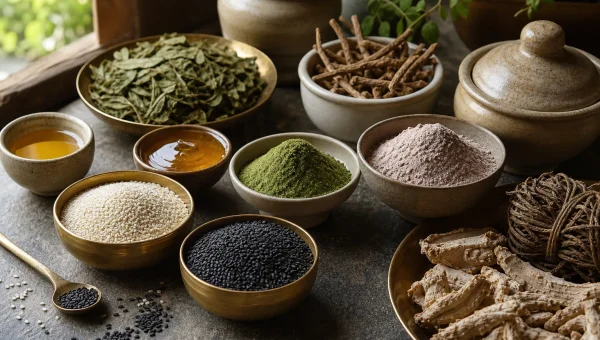
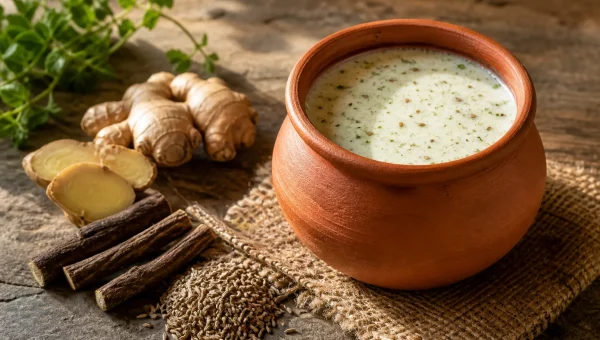
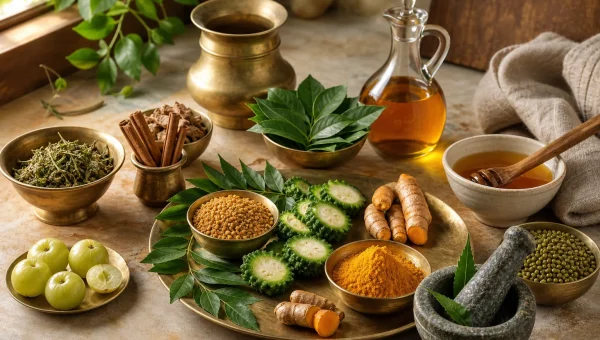
The Pitta-Pacifying Summer Snack Box section feels grounded enough to try carefully. Small daily changes are easier to follow than a perfect plan.
The explanation of why fruit smoothies and salads don’t cool Pitta despite being cold temperature is the counterintuitive insight this article offers that most food content misses. Sour fruits and raw vegetables aggravate Pitta through taste and post-digestive effect, regardless of their temperature.
found this post helpful. will try the suggested approach. (ref 1855-67)
The fennel-cardamom tea for between-meal Pitta management is something I now keep in a thermos at work. My afternoon irritability has become a running joke in my office and this is the first thing that’s actually addressed it.
@Meera could you suggest non-dairy alternatives for the lassi recipe? the cooling effect of dairy is central but I dont tolerate it well नमस्ते
@Aman 💯 could you suggest non-dairy alternatives for the lassi recipe? the cooling effect of dairy is central but I dont tolerate it well
Are these snacks appropriate year-round or specifically for summer? I have high Pitta constitutionally, not just seasonally. Would the same Pitta-cooling snacks create imbalance in winter by cooling too much?
The coconut and dates combination with cardamom is something my grandmother made for exactly this purpose. She called it a cooling snack without any formal Ayurvedic training. Traditional domestic knowledge often precedes the formal theory.
The coconut cardamom date bites sound like a quick fix for midmorning hunger without aggravating pitta.
The section on workplace snacking for Pitta types is the most practically useful. The standard office snack culture, protein bars and coffee, is the worst possible Pitta environment. An easy-to-prepare, office-friendly alternative was what I needed.
found this post helpful. will try the suggested approach. (ref 1855-49)
The cooling rosewater lassi recipe is excellent but I’d love guidance on the proportions for a non-dairy version. The cooling effect of dairy is central to the Pitta protocol but I don’t tolerate it well.
I gave the snack box article to my wife who has severe Pitta and gets monthly skin flares. Two months following the snack protocol alongside her skincare changes and her dermatologist reduced her prescription topical strength. Not attributing it to snacks alone but something is working.
found this post helpful. will try the suggested approach. (ref 1855-57)
I wonder if the cucumber mint raita cups would stay fresh enough for a picnic if kept at room temperature.
The article should clarify which of these snacks are safe during pregnancy. Several Pitta-type women experience heightened heat in pregnancy and some of the herbs mentioned may not be appropriate.
The gulkand (rose preserve) is the ingredient I hadn’t thought of using as a functional food. Finding it is easy in Indian grocers. Using it as a daily Pitta management tool rather than just a traditional flavoring is the reframe the article offers.
Seems like the fennel raisin trail mix could be a handy snack for long drives, especially with the fennel seeds chewed slowly.
The pumpkin seeds and coconut water combination for post-workout Pitta management is the one I’ve adopted. After intense training I used to spike into irritability and hunger that nothing satisfied quickly. This combination works in about 20 minutes.
The rose lassi popsicles note about letting them thaw a bit before eating makes sense to protect agni.
I’m skeptical of the 20-minute effect timing claimed for some of these. Pitta pacification through food operates on a slower timeline than 20 minutes in most digestive frameworks. The immediate relief some people describe is probably more about the break from activity than the food itself.
could you suggest non-dairy alternatives for the lassi recipe? the cooling effect of dairy is central but I don’t tolerate it well 🌿
pumpkin seeds and coconut water post-workout. the post-training Pitta spike and hunger that nothing satisfied quickly is now handled in about 20 minutes
fennel cardamom tea in a thermos at work. my 3pm irritability has become a running office joke and this is the first thing that actually addressed it नमस्ते
the anti-Pitta snack box replaced my office protein bar habit. afternoon irritability went from daily to occasional
💯 makhana with ghee and cumin has been my consistent go-to for two years. the Pitta spike I got from commercial snacks is just not there with this
the gulkand as a functional food rather than just a traditional flavoring is the reframe this article offers. finding it at Indian grocers is easy
✨ Fennel cardamom tea in a thermos at work. my 3pm irritability has become a running office joke and this is the first thing that actually addressed it
💯 Could you suggest non-dairy alternatives for the lassi recipe? the cooling effect of dairy is central but I don’t tolerate it well
are these snacks appropriate year-round or specifically summer? I have high Pitta constitutionally, not seasonally
Fennel cardamom tea in a thermos at work. my 3pm irritability has become a running office joke and this is the first thing that actually addressed it
Sharing this.
Could you suggest non-dairy alternatives for the lassi recipe? the cooling effect of dairy is central but I don’t tolerate it well
the makhana with ghee and cumin is the one preparation I keep returning to. making it for two years and the Pitta spike is simply absent
could you suggest non-dairy alternatives for the lassi recipe? the cooling effect of dairy is central but I dont tolerate it well
the coconut-dates-cardamom combination my grandmother made for summer. she didn’t call it Pitta-pacifying but she knew what it was for
I gave this article to my wife who has skin flares. two months on the snack protocol alongside skincare changes and her dermatologist reduced her prescription topical strength
Will try this. ठीक है
@Rohan could you suggest non-dairy alternatives for the lassi recipe? the cooling effect of dairy is central but I don’t tolerate it well 🙌
🙏 fennel cardamom tea in a thermos at work. my 3pm irritability has become a running office joke and this is the first thing that actually addressed it
found this post helpful. will try the suggested approach. (ref 1855-15)
fennel cardamom tea in a thermos at work. my 3pm irritability has become a running office joke and this is the first thing that actually addressed it ✨
Amla candy being highlighted as the single most potent pitta pacifying food caught my attention.
Useful.
found this post helpful. will try the suggested approach. (ref 1855-14)
found this post helpful. will try the suggested approach. (ref 1855-48)
The Pitta-Pacifying Summer Snack Box angle is useful here. Small daily changes are easier to follow than a perfect plan.
I had no idea that cold smoothies could actually keep Pitta elevated rather than cooling it down. That completely upends the logic I had been using all summer. The coriander lassi sounds doable — is there a specific ratio of coriander to yogurt you recommend, or is it more of an adjust-to-taste situation?
Fennel cardamom tea in a thermos at work. my 3pm irritability has become a running office joke and this is the first thing that actually addressed it 🙌
Fennel cardamom tea in a thermos at work. my 3pm irritability has become a running office joke and this is the first thing that actually addressed it 💯 धन्यवाद
found this post helpful. will try the suggested approach. (ref 1855-22)
🌿 fennel cardamom tea in a thermos at work. my 3pm irritability has become a running office joke and this is the first thing that actually addressed it
found this post helpful. will try the suggested approach. (ref 1855-27)
fennel cardamom tea in a thermos at work. my 3pm irritability has become a running office joke and this is the first thing that actually addressed it धन्यवाद
It looks like the coriander lime watermelon wedges rely on just a drizzle of lime to keep the sour taste low.
could you suggest non-dairy alternatives for the lassi recipe? the cooling effect of dairy is central but I don’t tolerate it well ठीक है
could you suggest non-dairy alternatives for the lassi recipe? the cooling effect of dairy is central but I dont tolerate it well ✨
found this post helpful. will try the suggested approach. (ref 1855-39)
fennel cardamom tea in a thermos at work. my 3pm irritability has become a running office joke and this is the first thing that actually addressed it 🙏
🙌 Fennel cardamom tea in a thermos at work. my 3pm irritability has become a running office joke and this is the first thing that actually addressed it
could u suggest non-dairy alternatives for the lassi recipe? the cooling effect of dairy is central but I don’t tolerate it well
found this post helpful. will try the suggested approach. (ref 1855-33)
Will try this.
found this post helpful. will try the suggested approach. (ref 1855-35)
could you suggest non-dairy alternatives for the lassi recipe? the cooling effect of dairy is central but I dont tolerate it well 🙌
found this post helpful. will try the suggested approach. (ref 1855-54)
found this post helpful. will try the suggested approach. (ref 1855-36)
For a more substantial afternoon snack, the coconut milk chia pudding with rose petals seems like a decent mini meal.
Same here!
Aloe vera gel cubes sound intense; starting with just a tablespoon seems wise for anyone new to eating fresh aloe.
could you suggest non-dairy alternatives for the lassi recipe? the cooling effect of dairy is central but I don’t tolerate it well 🙏
Yeh bilkul sahi observation hai. Maine bhi socha tha ki smoothies aur salad se garmi kam hogi, lekin ulta hi hua — afternoon mein aur zyada irritable ho jaati thi. Coconut-based snacks ka idea kaafi acha laga. Kya aap bata sakti hain ki imli (tamarind) Pitta ke liye theek hai ya woh bhi heat badhati hai?
found this post helpful. will try the suggested approach. (ref 1855-42)
The chilled brahmi lemonade using only a tiny amount of lime appears designed to stimulate saliva without tipping pitta.
Mung dal sprout chaat without onion or garlic could be a refreshing pre workout bite that’s easy to digest.
Fennel cardamom warm milk taken around five to six pm might help ease that evening irritability spike.
found this post helpful. will try the suggested approach. (ref 1855-46)
🌿 Could you suggest non-dairy alternatives for the lassi recipe? the cooling effect of dairy is central but I don’t tolerate it well
Cucumber and cream cheese roti rounds seem like a portable option that combines wheat, dairy fat and cucumber for pitta balance.
found this post helpful. will try the suggested approach. (ref 1855-50)
found this post helpful. will try the suggested approach. (ref 1855-51)
found this post helpful. will try the suggested approach. (ref 1855-53)
Reading about avoiding roasted nuts and tomato based salsas in summer makes me rethink some of my usual snack choices.
found this post helpful. will try the suggested approach. (ref 1855-52)
The suggestion to build a small pitta snack box with amla candies, fennel raisin mix and roti rings feels practical for a busy work week.
found this post helpful. will try the suggested approach. (ref 1855-55)
not related to this post but does anyone know a good practitioner in Hyderabad?
could you suggest non-dairy alternatives for the lassi recipe? the cooling effect of dairy is central but I don’t tolerate it well नमस्ते
found this post helpful. will try the suggested approach. (ref 1855-59)
found this post helpful. will try the suggested approach. (ref 1855-60)
found this post helpful. will try the suggested approach. (ref 1855-61)
found this post helpful. will try the suggested approach. (ref 1855-62)
found this post helpful. will try the suggested approach. (ref 1855-63)
✨ Could you suggest non-dairy alternatives for the lassi recipe? the cooling effect of dairy is central but I don’t tolerate it well
found this post helpful. will try the suggested approach. (ref 1855-66)
🙏 could you suggest non-dairy alternatives for the lassi recipe? the cooling effect of dairy is central but I don’t tolerate it well
found this post helpful. will try the suggested approach. (ref 1855-70)
could you suggest non-dairy alternatives for the lassi recipe? the cooling effect of dairy is central but I don’t tolerate it well ✨
found this post helpful. will try the suggested approach. (ref 1855-72)
Could you suggest non-dairy alternatives for the lassi recipe? the cooling effect of dairy is central but I don’t tolerate it well धन्यवाद
found this post helpful. will try the suggested approach. (ref 1855-74)
✨ could you suggest non-dairy alternatives for the lassi recipe? the cooling effect of dairy is central but I dont tolerate it well
found this post helpful. will try the suggested approach. (ref 1855-76)
✨ could u suggest non-dairy alternatives for the lassi recipe? the cooling effect of dairy is central but I don’t tolerate it well
found this post helpful. will try the suggested approach. (ref 1855-78)
found this post helpful. will try the suggested approach. (ref 1855-79)
found this post helpful. will try the suggested approach. (ref 1855-80)
fennel cardamom tea in a thermos at work. my 3pm irritability has become a running office joke and this is the first thing that actually addressed it 💯
found this post helpful. will try the suggested approach. (ref 1855-82)
found this post helpful. will try the suggested approach. (ref 1855-83)
❤️ could you suggest non-dairy alternatives for the lassi recipe? the cooling effect of dairy is central but I don’t tolerate it well