Pregnancy Heartburn Ayurvedic Remedies Safe: Managing Amlapitta in Garbhini
Pregnancy heartburn needs a “safe first” Ayurvedic approach, because not every remedy used for acidity outside pregnancy is appropriate during garbhini avastha. Heartburn is one of the common digestive discomforts of pregnancy, with estimates varying widely across populations and increasing as pregnancy advances. In biomedical terms, progesterone-related relaxation of the lower esophageal sphincter and the upward pressure of the growing uterus allow acidic stomach contents to reflux into the esophagus, causing burning from the chest toward the throat.
Ayurvedically, this pattern is approached through the lens of amlapitta, especially when there is sour or bitter belching, burning in the heart-throat region, nausea, heaviness, or aversion to food. In pregnancy, the safest approach is not aggressive “acid-clearing” therapy, but mild, nourishing, food-based measures that reduce burning while protecting digestion. The practical strategy is therefore mechanical first, dietary second, and herbal only when it is food-level or supervised by a qualified practitioner.
Severe untreated heartburn can disturb sleep, reduce food intake, and make pregnancy more uncomfortable than it needs to be. The goal is not to suffer through it, but to use safe measures early and to involve an obstetrician, midwife, physician, or qualified Ayurvedic practitioner when symptoms are persistent, severe, or unusual.
First-Line: Mechanical and Positional Measures
Before herbs, powders, or supplements, the most reliable pregnancy heartburn care begins with meal size, meal timing, posture, and sleep positioning. These measures directly reduce the pressure that pushes stomach contents upward.
Eat smaller, more frequent meals: Replace three large meals with smaller meals and light snacks as needed. A very full stomach in a compressed abdomen is more likely to reflux, especially in the second and third trimesters. Keep meals calm, warm, freshly prepared, and not excessively oily, sour, fried, or spicy.
Stay upright after eating: Sit upright during meals and remain upright afterward. Avoid lying down soon after eating, and finish dinner at least 2-3 hours before sleep whenever possible. This uses gravity as the first “antacid” and reduces the chance of nighttime reflux.
Elevate the upper body at night: If reflux wakes you from sleep, elevate the head end of the bed by about 15-20 cm or use a wedge pillow that lifts the upper body. Extra pillows under only the head often bend the abdomen and may not help as much as a wedge or bed elevation.
Use side sleeping, especially the left side for reflux: Left lateral sleeping can reduce nocturnal reflux for many people because it helps keep the stomach contents below the gastroesophageal junction. In late pregnancy, side sleeping is also the usual safer sleeping advice compared with sleeping flat on the back. If the left side is uncomfortable, change sides rather than forcing a painful position.
Temporarily reduce common triggers: Coffee, strong black tea, excess caffeine, chocolate, tomatoes, citrus, vinegar-heavy foods, spicy foods, fried foods, very fatty meals, and carbonated drinks commonly worsen reflux. This does not mean every pregnant woman must avoid all of them forever; it means removing the foods that reliably trigger burning during the pregnancy period.
Safe Food-Based Ayurvedic Supports for Pregnancy Amlapitta
The safest Ayurvedic supports for pregnancy heartburn are food-level, gentle, and non-purgative. Use small culinary quantities, watch your individual response, and avoid turning kitchen herbs into high-dose supplements without professional guidance.
Fresh coconut water: Fresh, unsweetened coconut water can be used as a light, hydrating drink when heat, thirst, or mild burning is present. Use a small glass, such as 100-200 ml, rather than large repeated quantities. Those with kidney disease, potassium restriction, gestational diabetes, or sugar restrictions should ask their healthcare provider before using it regularly.
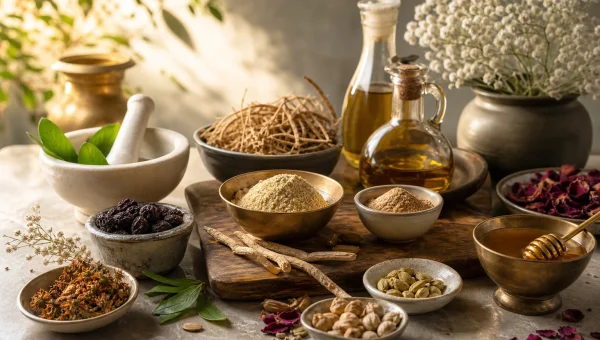
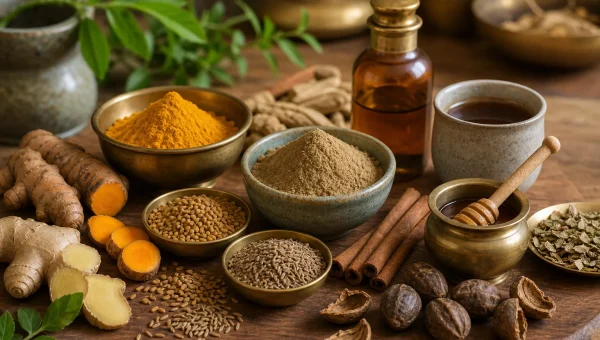
Fennel seeds / saunf / mishreya: Chewing a small pinch to 1/2 teaspoon of plain fennel seed after meals is a traditional food-level digestive practice. The Ayurvedic Pharmacopoeia of India describes fennel fruit as madhura-katu-tikta rasa, laghu-ruksha guna, shita virya, madhura vipaka, with dipana, anulomana, and vata-pittahara actions. In pregnancy, keep fennel to food quantities and avoid fennel essential oil, concentrated extracts, capsules, or strong medicinal teas unless prescribed.
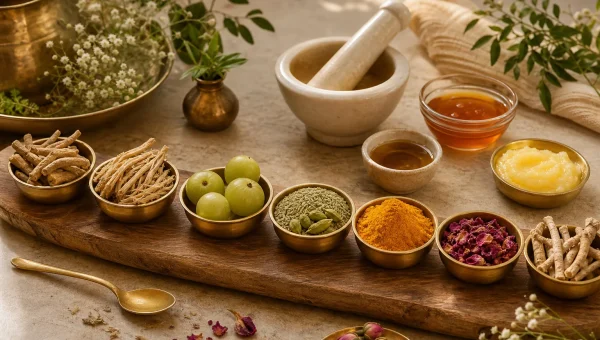
Amalaki / amla: Amalaki is one of the most relevant classical Ayurvedic foods for an amlapitta-type burning pattern. The Ayurvedic Pharmacopoeia of India lists amalaki with shita virya, madhura vipaka, tridoshajit and rasayana actions, and includes amlapitta and daha among its therapeutic uses. In pregnancy, use it as food: fresh amla, a small amount of diluted fresh juice, or a modest food-level preparation if tolerated. Avoid concentrated extracts or high-dose powders unless your practitioner specifically advises them.
Coriander / dhania / dhanyaka: Coriander is useful as a gentle culinary digestive support. The Ayurvedic Pharmacopoeia of India describes coriander fruit as katu-madhura-tikta-kashaya rasa, laghu-snigdha guna, ushna virya, madhura vipaka, with dipana, pachana, grahi, tridoshanut, and uses including trishna, chardi, daha, and ajirna. Use it mildly: add fresh coriander leaves to meals, or steep 1-2 g lightly crushed coriander seed in hot water, let it become warm, and sip if it suits your digestion.
Rose petal preparations / gulkand: Classical rose flower, satapatrika, is described with shita virya and pittahara action. A small amount of good-quality gulkand, such as 1/2 to 1 teaspoon after dinner or at bedtime, may be soothing for a heat-dominant pattern. Because gulkand is sugar-rich, avoid or limit it in gestational diabetes, insulin resistance, or any sugar-restricted diet unless your healthcare provider approves it.
| Support | Practical Use | Pregnancy Safety Note | Best Timing |
|---|---|---|---|
| Small meals and upright posture | Smaller meals; remain upright after eating | First-line, non-herbal | Every meal |
| Bed elevation and side sleeping | 15-20 cm head-end elevation; left side if comfortable | Use comfort and obstetric guidance | Nighttime reflux |
| Fresh coconut water | 100-200 ml unsweetened | Food quantity; caution with sugar or potassium restrictions | Between meals or during mild burning |
| Fennel seeds | Small pinch to 1/2 tsp chewed | Food quantity only; avoid oil/extract/high dose | After meals |
| Amalaki | Fresh fruit or small diluted fresh juice | Food-level use if tolerated; avoid concentrated extracts unless supervised | With or after food |
| Coriander | Fresh leaves in food or 1-2 g seed infusion | Culinary use | With meals or between meals |
| Gulkand / rose preparation | 1/2-1 tsp | Sugar-rich; avoid or limit with gestational diabetes | After dinner or bedtime |
Shatavari: Classical but Practitioner-Supervised
Shatavari (Asparagus racemosus) is classically relevant to a pitta-burning pattern, but it should not be self-started during pregnancy as a casual supplement. The Ayurvedic Pharmacopoeia of India describes shatavari root as madhura-tikta rasa, snigdha-guru guna, shita virya, madhura vipaka, with pittahara, vatahara, balya, rasayana, and stanyakara actions, and includes amlapitta, sutika roga, and breast-milk-related indications among its traditional uses.
For pregnancy heartburn, shatavari belongs in the supervised category: a qualified Ayurvedic practitioner should decide whether it is appropriate, what form to use, and how it fits with the person’s trimester, digestion, medications, blood sugar, allergies, and obstetric history. Classical crude-drug doses are not the same as modern extracts, capsules, or proprietary formulas. If milk worsens reflux, shatavari in milk is not the right vehicle for that person.
What to Avoid in Pregnancy for Heartburn
Several Ayurvedic and herbal acidity remedies used outside pregnancy are not suitable for unsupervised use during pregnancy. Pregnancy is not the time for strong purgation, detox formulas, essential oils, high-dose extracts, or repeated self-medication.
Avoid large amounts of licorice root: Licorice and glycyrrhizin-containing products can contribute to sodium retention, potassium loss, edema, and blood-pressure concerns, and large oral licorice exposure is not considered safe in pregnancy. Do not use licorice root as a heartburn remedy while pregnant unless your clinician specifically advises it.
Avoid unsupervised triphala and cleansing formulas: Triphala is often used outside pregnancy for bowel regulation, but pregnancy heartburn should not be treated with laxative or cleansing formulas unless a qualified practitioner and obstetric care provider both consider it appropriate. Strong virechana, purgation, and detox-style protocols are not home remedies for pregnancy reflux.
Be careful with concentrated ginger: Small amounts of fresh ginger in cooking may be acceptable if they suit the person and are being used for nausea, but ginger is pungent and can aggravate burning in some pitta-dominant heartburn patterns. Do not use high-dose ginger capsules or extracts for pregnancy heartburn without medical guidance.
Avoid essential oils and concentrated fennel preparations: Fennel seed as a post-meal food is different from fennel oil, capsules, extracts, or strong medicinal teas. During pregnancy, keep fennel culinary unless prescribed.
When Home Measures Are Not Enough
If heartburn disrupts sleep, prevents adequate food intake, causes repeated vomiting, produces difficulty swallowing, or does not respond to conservative care, seek medical evaluation. Pregnancy heartburn can often be managed safely, but persistent or severe symptoms deserve obstetric attention rather than endless home experimentation.
Calcium-containing antacids and alginate preparations are commonly used in pregnancy when lifestyle measures are not enough. Acid-reducing medicines such as H2 blockers, including famotidine, and proton-pump inhibitors may also be used when clinically needed under obstetric supervision. Do not exceed advised calcium intake, avoid sodium bicarbonate antacids unless your clinician directs otherwise, and separate antacids from iron or folic-acid supplements by at least two hours.
Medical Disclaimer: This content is for educational purposes only and does not constitute medical advice. Pregnancy heartburn that is severe, accompanied by vomiting, associated with difficulty swallowing, linked with poor food intake, or unresponsive to conservative measures requires evaluation by an obstetrician, midwife, or qualified healthcare provider. All herbs, supplements, extracts, and therapeutic protocols during pregnancy should be discussed with your obstetric care provider and a qualified Ayurvedic practitioner before use.
Nothing in this article diagnoses or treats a medical condition. Use it as educational information and consult a qualified Ayurvedic practitioner or physician before starting herbs, supplements, detoxes, or therapeutic protocols, especially if pregnant, managing a condition, or taking medication.
References
- LWW Journals
- Utswmed (utswmed.org)
- Easyayurveda (easyayurveda.com)
- Garbhini Paricharya (Regimen for the pregnant woman) (2008), PubMed Central
- NHS
- My (my.clevelandclinic.org)
- Myhealth (myhealth.alberta.ca)
- Associations Between Sleep Position and Nocturnal Gastroesophageal Reflux: A Study Using Concurrent Monitoring of Sleep Position and Esophageal pH and Impedance (2022), PubMed
- Tommys (tommys.org)
- Ayurvedic Pharmacopoeia of India
- Research Progress in Coconut Water: A Review of Nutritional Composition, Biological Activities, and Novel Processing Technologies (2025), PubMed Central
- Ia800501 (ia800501.us.archive.org)
- Utep (utep.edu)
- Ayurvedic Pharmacopoeia of India
- 1mg (1mg.com)
- NCCIH
- Bfr (bfr.bund.de)
- Webmd (webmd.com)
- Ginger for nausea and vomiting of pregnancy (2016), PubMed Central
- Link (link.springer.com)