Liver Detox Ayurvedic Quarterly: The Yakrit Shodhana Framework
Liver detox ayurvedic quarterly is best understood as a practical, seasonal application of ritucharya, not as a separate classical treatment category or a one-size-fits-all cleanse. Classical Ayurveda divides the year into six ritu and teaches that dosha, agni, and bodily strength change with season. The last seven days of one season and the first seven days of the next, called ritusandhi, are treated as a transition period in which diet and lifestyle should change gradually. A quarterly framework gives this classical seasonal logic a modern structure: spring lightening, summer cooling, autumn pitta pacification, and winter strengthening.
The liver, or yakrit, is closely connected in Ayurvedic reasoning with rakta and ranjaka pitta. Classical and later Ayurvedic discussions differ in how they name the exact seat of ranjaka pitta, but its function is linked with rasa-ranjana, blood formation and coloration, and the stomach-liver-spleen region. For practical seasonal care, yakrit support means keeping digestion steady, pitta balanced, bowel clearance regular, and blood/skin heat from becoming excessive.
Here, “detox” means seasonal lightening, cooling, pacifying, or strengthening according to the time of year. Formal shodhana therapies such as vamana, virechana, and raktamokshana are not home routines; they belong under qualified Ayurvedic supervision. The home framework below stays with food, lifestyle, and gentle herbal supports appropriate for otherwise healthy adults, with stronger herbs used only when a practitioner has assessed constitution, digestion, medicines, and medical history.
Q1 Protocol: Winter-to-Spring Transition (February-March)
Spring is the key seasonal window for kapha clearance. In the classical seasonal model, kapha accumulated in late winter becomes liquefied by the increasing warmth of spring and can disturb agni. For yakrit support, the aim is not harsh purging at home, but a clear appetite, lighter meals, daily movement, reduced heaviness after food, and steady bowel elimination.
Core herbs for Q1: Tamalaki or bhumyamalaki is a cooling, pitta-pacifying herb used traditionally in conditions that include amlapitta, pandu, prameha, and urinary disorders. Authenticated material is important because the pharmacopoeial monograph identifies Tamalaki primarily with Phyllanthus fraternus and treats generic “bhumi amla” labeling with botanical caution. Katuki or kutki (Picrorhiza kurroa) is stronger: it is described as bitter-pungent, light, hot in potency, pungent in post-digestive effect, dipani, bhedini, and pittahara, with kamala among its traditional indications. Because katuki is potent, it should be used only with professional guidance, especially in pregnancy, debility, diarrhea tendency, medication use, or diagnosed liver disease.
Q1 dietary focus: Favor light, warm, kapha-reducing meals: old barley, old wheat, rice, mung soup, cooked leafy bitters, ginger water, small amounts of honey where suitable, and spices used according to constitution. Reduce heavy, sour, oily, sweet, cold, fried, and dairy-heavy foods during the transition. Daily walking, appropriate exercise, dry powder massage, and avoidance of daytime sleep are the practical spring supports that keep the body from carrying winter heaviness into the next season.
Q2 Protocol: Summer Liver Cooling (May-June)
Summer support shifts from spring lightening to pitta cooling and fluid preservation. In grishma ritu, Ayurveda emphasizes sweet, cooling, liquid, and gently unctuous foods and discourages excess exercise, salty foods, sour foods, pungent foods, hot foods, and alcohol. For yakrit care, this means protecting pitta rather than forcing strong bile-stimulating or purgative routines.
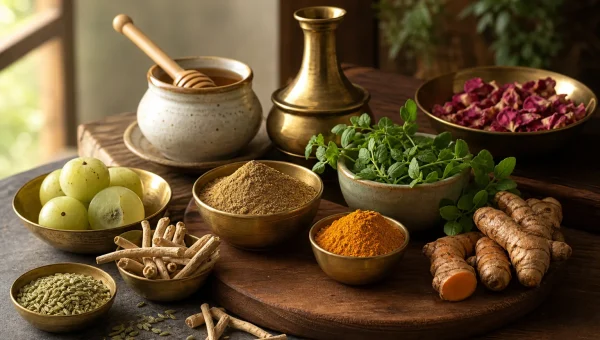
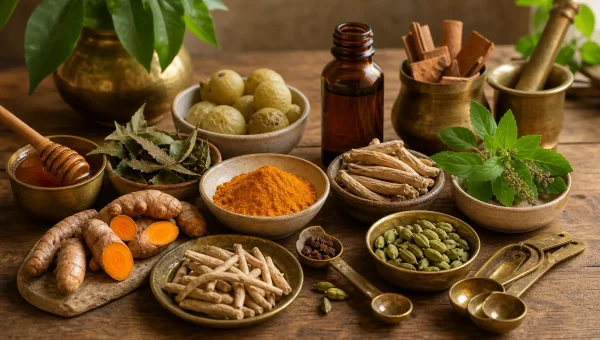
Core herbs for Q2: Amalaki is a primary summer-support herb because it is cooling, rasayana, and traditionally used in pitta-related conditions such as daha, amlapitta, and raktapitta. Fresh fruit pulp, fresh juice, or powder may be selected according to digestion and constitution. Shatavari is also appropriate where a person needs cooling nourishment: it is sweet-bitter, heavy, unctuous, cooling, sweet in post-digestive effect, pittahara, balya, and rasayana. Yashtimadhu is sweet, cooling, unctuous, vatapittajit, and raktaprasadana, but it is not a casual daily herb for everyone because glycyrrhizin-containing licorice can raise blood pressure, lower potassium, and interact with medicines.
Q2 dietary focus: Build meals around cooling hydration and easy digestion: shali rice, milk or ghee where suitable, cucumber, ash gourd, fresh coriander, pomegranate, soaked raisins, coconut water in moderation, and freshly prepared cooling drinks without excess sugar. Alcohol is best avoided during a summer liver-support phase; if taken at all, classical seasonal guidance advises very small quantities or heavy dilution. Hot yoga, intense midday workouts, excess sun, and late nights increase the same heat that the protocol is trying to calm.
| Quarter | Season / Approximate Months | Yakrit Support Focus | Primary Supports | Style of Practice |
|---|---|---|---|---|
| Q1 | Late winter to spring / Feb-Mar | Kapha clearance, agni lightening | Bhumyamalaki, practitioner-guided katuki, light kapha-reducing foods | Ritusandhi-centered, gradual |
| Q2 | Summer / May-Jun | Cooling, hydration, pitta protection | Amalaki, shatavari, safe-use yashtimadhu, cooling foods | Gentle, cooling, non-depleting |
| Q3 | Late monsoon to autumn / Sep-Oct | Agni protection first, then pitta pacification | Manjistha, amalaki, bhumyamalaki, sweet-light-cooling diet | Pitta-calming, supervised for stronger measures |
| Q4 | Early winter / Nov-Dec | Strength, reserve, rasayana support | Amalaki-based rasayana, constitution-guided ashwagandha, warm nourishing meals | Building, not cleansing |
Q3 Protocol: Autumn Pitta Release (September-October)
Autumn is the main pitta-pacifying quarter. During the rainy season, classical Ayurveda emphasizes weakened agni, careful food selection, and properly boiled and cooled water. As autumn arrives and the body is exposed again to sharper sun after rain and coolness, accumulated pitta is described as prone to aggravation. For yakrit support, Q3 begins with agni protection and then moves into pitta-cooling food, herbs, and lifestyle.
Core herbs for Q3: Manjistha (Rubia cordifolia) is a traditional rakta-support herb described as sweet-bitter-astringent, heavy, hot in potency, pungent in post-digestive effect, kaphapittashamaka, varnya, shonitasthapana, and rasayana. It is suited to the autumn logic of supporting rakta and skin-related pitta without turning the season into an aggressive home cleanse. Amalaki or bhumyamalaki may be selected when cooling pitta support is more appropriate than stronger clearing. Classical autumn measures such as bitter medicated ghee, purgation, and bloodletting are physician-directed therapies and should not be improvised.
Q3 dietary focus: Use sweet, light, cooling, slightly bitter, pitta-pacifying meals when appetite is clear. Shali rice, barley, wheat, coriander, amalaki, pomegranate, cooked bitter greens, and cooling herbal drinks suit many people during this phase. Reduce curd, excess oil, alkaline preparations, alcohol, fermented sour foods, excess sun, daytime sleep, and late-night heat exposure. If digestion is weak after the rains, begin with warm soups, old grains, and boiled-cooled water before adding stronger bitter or cooling herbs.
Q4 Protocol: Winter Liver Strengthening (November-December)
Winter is the strengthening quarter. In hemanta, classical Ayurveda describes stronger agni and better bodily strength, making this the season for nourishment rather than repeated cleansing. For yakrit care, the aim is to build digestive resilience, stable appetite, good sleep, and tissue reserve so that the next spring transition does not begin from exhaustion.
Core herbs for Q4: Amalaki remains useful as a rasayana foundation and appears in traditional formulations such as Cyavanaprasa. A well-made amalaki-based rasayana may be suitable in winter for people with adequate digestion, but it should be chosen carefully for sugar content, ingredient quality, and constitution. Ashwagandha is not primarily a liver-clearing herb; it is a winter-appropriate strengthening herb described as bitter-astringent, light, hot in potency, sweet in post-digestive effect, rasayana, balya, vajikarana, and vatakaphapaha. It is best used when strength-building is needed and avoided or modified when heat, pitta aggravation, pregnancy, medication conflicts, or liver concerns are present.
Q4 dietary and lifestyle focus: Warm, nourishing, freshly prepared meals suit this quarter when appetite is strong: rice or wheat preparations, soups, ghee in suitable quantity, milk where tolerated, black gram preparations for those who digest them well, and warming spices according to constitution. Winter lifestyle favors warmth, oil massage, protection from cold wind, appropriate exercise, and steady sleep. This is the season to rebuild rather than to chase repeated “detox” intensity.
How to Use the Quarterly Framework Safely
A sensible yearly rhythm uses each quarter for a different purpose: spring reduces heaviness, summer cools pitta, autumn pacifies the post-rainy-season pitta surge, and winter rebuilds strength. The practical markers to watch are appetite, bowel regularity, heaviness after meals, skin heat, sleep quality, tongue coating, morning clarity, and tolerance to seasonal foods. People with known fatty liver disease, hepatitis, cirrhosis, abnormal liver enzymes, gallbladder disease, autoimmune disease, kidney disease, hypertension, pregnancy, or ongoing medication use need individualized medical and Ayurvedic guidance rather than a generic protocol.
Medical Disclaimer: This content is for educational purposes only and does not constitute medical advice, diagnosis, or treatment. Consult a qualified Ayurvedic practitioner and an appropriate healthcare provider before using herbs, supplements, detox protocols, or shodhana therapies, especially if you have a diagnosed liver condition, abnormal liver enzymes, gallstones, kidney disease, hypertension, pregnancy, autoimmune disease, or are taking medication. Potent herbs such as katuki and licorice-containing products have specific contraindications and should not be self-prescribed.