Lichen Planus Ayurveda Treatment: Classifying a Challenging Autoimmune Skin Condition
Lichen planus Ayurveda treatment begins with an honest classification: lichen planus has no single direct classical equivalent. Modern dermatology describes it as a T-cell-mediated inflammatory condition that can affect the skin, oral mucosa, nails, scalp, and genital mucosa. In Ayurvedic clinical reasoning, the closest working lens depends on the presentation: dark, rough, hard, raised papules and plaques are assessed through the Kitibha/Kushtha framework; red, burning, erosive, or bleeding mucosal lesions require attention to Pitta and Rakta involvement; dry, painful, fissured, or scarring lesions bring Vata into the centre of treatment planning.
This approach preserves the practical value of Ayurveda without forcing a one-to-one disease name. The treatment emphasis is not simply “skin medicine.” It includes accurate dermatological diagnosis, assessment of lesion morphology, digestive and metabolic strength, Rakta-Pitta aggravation, Vata dryness or pain, Kapha thickness or itching, diet and irritant avoidance, local care, stress regulation, and safe long-term follow-up.
Classifying Lichen Planus by Presentation
The classical Kitibha description is useful for many cutaneous lichen planus plaques because Kitibha is described under Kushtha with dark discoloration, roughness, hardness, and altered skin texture. Erosive oral, genital, or scalp disease needs a wider Rakta-Pitta-Vata assessment rather than being labelled as Kitibha alone.
| LP Variant | Ayurvedic Clinical Lens | Dominant Pattern | Treatment Emphasis |
|---|---|---|---|
| Cutaneous classic LP | Kitibha/Kushtha-type presentation when lesions are dark, rough, hard, raised, and itchy | Vata-Kapha with Rakta-Pitta assessment if burning, redness, or inflammation is prominent | Nidana parivarjana, gentle skin care, stage-specific lepa, internal shamana, and physician-guided shodhana when suitable |
| Oral erosive LP | Mukha-gata Rakta-Pitta involvement with Vata pain and mucosal fragility | Pitta-Rakta with Vata | Dental or oral medicine monitoring, avoidance of irritants, mild kavala/gandusha, and cooling mucosal support |
| Lichen planopilaris | Scalp Kushtha-type inflammation with Vata-Pitta-Rakta involvement | Pitta-Rakta with Vata scarring tendency | Early dermatology care, protection of hair follicles, non-irritating scalp oiling only when appropriate, and internal Pitta-Vata support |
| Vulvar or genital LP | Erosive mucosal Rakta-Pitta-Vata presentation | Pitta-Rakta with Vata pain, dryness, or scarring | Gynecology or dermatology assessment first; avoid harsh local applications; use only practitioner-approved soothing support |
Phase 1: Shodhana and Shamana Planning for Kushtha-Rakta Presentations
Classical Kushtha management gives an important place to purification, internal medicines, and external applications, but this does not mean every lichen planus patient should begin with strong Panchakarma. Shodhana is chosen only after assessing strength, digestion, lesion stage, age, pregnancy status, medications, mucosal involvement, and contraindications.
When the presentation is Pitta-Rakta dominant, with burning, redness, heat, erosions, or bleeding tendency, the classical direction is toward Pitta-pacifying measures and, in suitable patients, physician-guided virechana. When the presentation is thick, itchy, sluggish, and Kapha-dominant, Kapha-reducing measures are considered. When lesions are dry, rough, painful, fissured, or hard, Vata-pacifying sneha, gentle oiling, ghee-based internal support, and non-irritating local care are more appropriate than aggressive cleansing.
In practical lichen planus care, the acute inflamed phase is usually managed first with gentle shamana: non-spicy food, avoidance of alcohol and tobacco, protection from scratching and trauma, mild cleansing, cooling herbs where Pitta is high, and unctuous support where Vata dryness dominates. Panchakarma, if used, belongs under direct supervision of a qualified Ayurvedic physician rather than as a self-directed detox.
Classical Herb Selection for Long-Term Support
Long-term Ayurvedic support for lichen planus is selected by dosha, tissue involvement, lesion stage, and patient constitution. The goal is not indiscriminate immune stimulation or suppression, but restoration of skin and mucosal resilience, Rakta-Pitta balance, digestive clarity, and reduction of flare triggers.
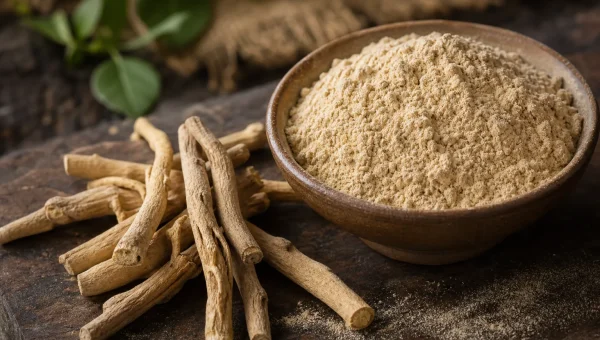
Guduchi (Tinospora cordifolia): Guduchi is a major rasayana herb used in Ayurveda for systemic support. The Ayurvedic Pharmacopoeia of India lists Guduchi with Tikta-Kashaya rasa, Laghu guna, Ushna virya, Madhura vipaka, and actions including Rasayana, Tridoshashamaka, Raktashodhaka, and use in Kushtha. It is best considered when the patient needs long-term support, but it should be selected and dosed by a practitioner, especially in autoimmune disease, liver disease, pregnancy, or when medicines are being taken.
Manjistha (Rubia cordifolia): Manjistha is traditionally used where Rakta involvement, discoloration, inflammatory skin change, or post-inflammatory pigmentation is prominent. The Ayurvedic Pharmacopoeia of India describes Manjistha with Madhura-Tikta-Kashaya rasa, Guru guna, Ushna virya, Katu vipaka, and actions including Varnya, Kushthaghna, Shothaghna, Rasayana, and Shonitasthapana. In lichen planus care it is most relevant to the Rakta-dushti and pigmentation aspect, not as a stand-alone cure.
Yashtimadhu (Glycyrrhiza glabra): Yashtimadhu is especially relevant in oral and mucosal presentations because it is Madhura, Snigdha, Sheeta, Vatapittajit, and Raktaprasadana in classical pharmacopoeial description. It is used carefully in soothing mucosal support, but it is not suitable for everyone; patients with high blood pressure, kidney disease, fluid retention, pregnancy, or those taking diuretics, steroids, heart medicines, or blood pressure medicines should use it only under professional guidance.
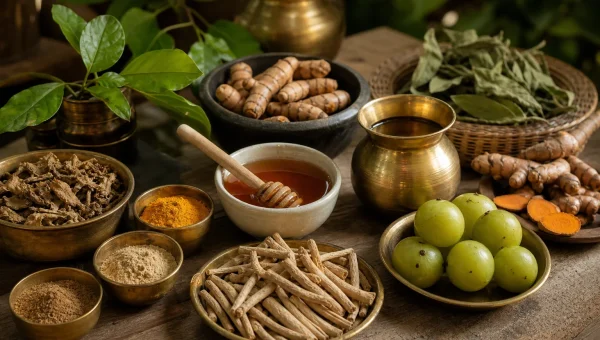
Amalaki (Emblica officinalis): Amalaki is useful where Pitta heat, burning, acidity, or Rakta-Pitta tendency accompanies skin disease. The Ayurvedic Pharmacopoeia of India lists it as Sheeta virya, Madhura vipaka, Tridoshajit, Rasayana, and useful in Raktapitta and Daha. It is commonly chosen as a gentle cooling rasayana when digestion permits.
Oral Lichen Planus: Mucosal Care and Dental Monitoring
Oral lichen planus requires special caution because chronic oral erosions, ulceration, burning, and white striae need proper diagnosis and follow-up. Ayurveda can support comfort, diet discipline, and mucosal healing, but oral lesions should be monitored by a dentist, oral medicine specialist, dermatologist, or physician, particularly when lesions are erosive, persistent, painful, thickened, changing, or associated with tobacco use.
Kavala or Gandusha: Gentle oil holding or swishing may be used as supportive care when the mouth is dry, irritated, or sensitive. Coconut oil or sesame oil can be used briefly and comfortably, then spat out. It should not be forced during severe pain, active bleeding, choking risk, nausea, or acute infection, and it is not a replacement for dental treatment.
Yashtimadhu mouth rinse: A mild Yashtimadhu decoction may be used as a practitioner-approved mouth rinse in selected patients with burning or irritated mucosa. It should be spat out, not swallowed repeatedly as a casual drink, and avoided or medically supervised in patients at risk from licorice exposure.
Diet and local irritant control: Oral LP patients usually do better with soft, non-spicy, non-acidic food during flares. Tobacco, alcohol, sharp dental edges, ill-fitting dentures, very hot drinks, harsh mouthwashes, and aggressive brushing can aggravate the mucosa and should be addressed.
External Lepa and Oil Selection
External applications in Ayurveda are selected according to the lesion stage. The same paste or oil should not be used for every patient, and strong herbal irritants should never be applied to eroded oral, genital, or highly inflamed skin without professional supervision.
- Active red, hot, burning lesions: Cooling lepa such as Shweta Chandana in a gentle base may be selected for intact skin. Chandana is described as Sheeta, Pittahara, Varnya, Dahaprashamana, and useful in Raktapitta and Raktavikara. Patch testing is important, and application should be stopped if burning or irritation increases.
- Stable dark post-inflammatory marks: Manjistha-based lepa may be used on intact skin where discoloration remains after active inflammation settles. It should be gentle, non-scrubbing, and avoided on broken skin.
- Dry, rough, scaly lesions: Vata-pacifying unctuous support such as plain sesame oil or a prescribed medicated oil may be more appropriate than drying powders. The aim is to soften roughness, reduce scratching, and protect the skin barrier.
Stress Management as Core Relapse Prevention
Stress, anxiety, disturbed sleep, and emotional strain commonly accompany oral lichen planus and can worsen the patient’s experience of burning, pain, itching, and flare cycles. For this reason, Sattvavajaya-style support is not optional decoration; it is part of long-term relapse prevention.
A practical routine includes 10-15 minutes of gentle pranayama such as Nadi Shodhana or Bhramari, regular sleep timing, reduced late-night screen use, slow meals, daily walking, and calming abhyanga when skin lesions permit. Ashwagandha, Shirodhara, or stronger nervous-system therapies should be selected constitutionally rather than used automatically, especially in patients with thyroid disease, pregnancy, liver disease, autoimmune disease, sedative medicines, or other medical treatment. For broader breath-based stress support, see the pranayama stress management guide.
Medical Disclaimer: Lichen planus requires proper diagnosis to rule out mimicking conditions, drug reactions, infections, and oral potentially malignant disorders. Oral, genital, nail, and scalp lichen planus require appropriate specialist monitoring. This Ayurvedic framework is complementary; do not discontinue prescribed corticosteroids, immunomodulators, dental care, or dermatology treatment without guidance from your treating clinician.
Nothing in this article diagnoses or treats a medical condition. Use it as educational information and consult a qualified Ayurvedic practitioner or healthcare provider before starting herbs, supplements, Panchakarma, detoxes, mouth rinses, or topical applications, especially if pregnant, breastfeeding, managing a chronic condition, or taking medication.
References
- Dermnetnz (dermnetnz.org)
- NCBI
- Dermnetnz (dermnetnz.org)
- Dermnetnz (dermnetnz.org)
- Nature (nature.com)
- Depression, anxiety, and stress in oral lichen planus: a systematic review and meta-analysis (2022), PubMed Central
- Charaka Samhita — Kushtha Chikitsa
- Ayurvedic Pharmacopoeia of India
- Ayurvedic Pharmacopoeia of India
- Coconutboard (coconutboard.in)