Fermented Skincare Ayurvedic Masks: Takra and Whey Probiotic Beauty Science
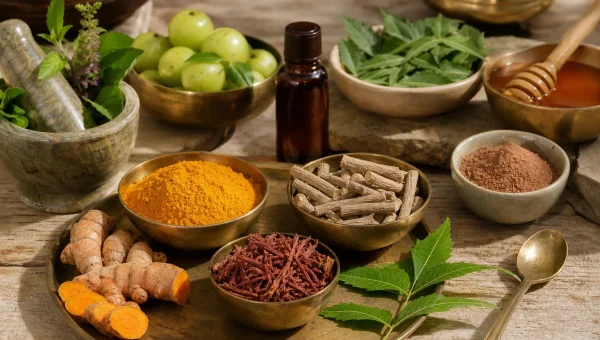
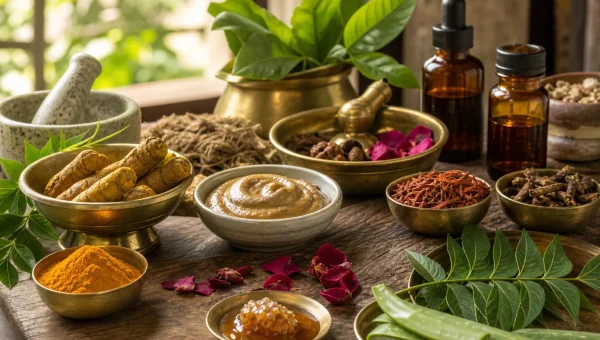
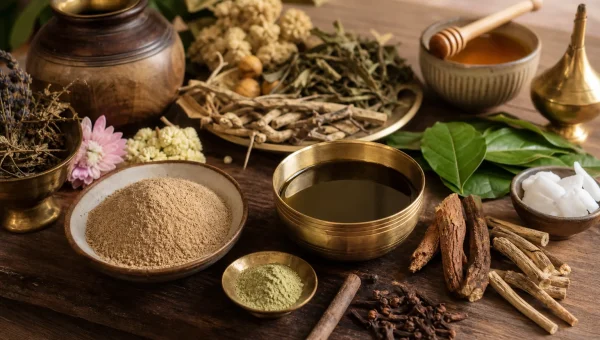
Fermented dairy masks sit at the meeting point of Ayurveda’s lepa tradition and modern rinse-off skincare. In Ayurveda, Takra is a buttermilk-like preparation made from curd or dahi and used chiefly as an internal dietary and therapeutic adjuvant; classical descriptions emphasize qualities such as laghu, grahi, and support of agni through dipana-pachana action. For topical use, Takra and fresh whey are best understood as mildly acidic carriers for traditional complexion-supporting powders such as Lodhra, Chandana, Haridra, Nimba, and Yashtimadhu, giving a gentle, astringent, softening mask rather than a medical treatment.
Fresh live-culture dairy may contain lactic-acid bacteria, while heat-treated fermented dairy may retain acids and metabolites without living organisms. In home skincare, the practical value is not an attempt to “repopulate” the skin, but the combination of mild lactic acidity, water-binding dairy components, and carefully chosen Ayurvedic powders. Used briefly and rinsed off, these masks can support smoothness, oil balance, and a fresh-looking complexion when the skin barrier is intact and tolerant of dairy.
The Science of Takra on Skin
When milk is cultured into yogurt, starter organisms convert lactose into lactic acid, giving yogurt its tart taste and lower pH. Whey may separate from the curd during this process, and traditional buttermilk or Takra contains water, residual lactose, milk proteins, minerals, and variable lactic acidity. Naturally fermented buttermilk has been measured at about 0.5 g lactic acid per 100 ml in a dairy composition study, while yogurt is commonly around pH 4.6 and may contain roughly 0.8-1% lactic acid. Homemade batches vary widely, so the safest cosmetic approach is a fresh, clean-smelling, mildly tart base rather than an aggressively sour or over-fermented one.
Lactic acid belongs to the alpha-hydroxy acid family. At appropriate cosmetic strengths, it helps loosen the cohesion of dull surface cells, improves the feel of rough texture, and can support barrier comfort through L-lactic-acid effects on ceramide synthesis. The skin surface is naturally mildly acidic, and preserving this acid mantle is part of barrier and microbiome care. Takra and whey are much less standardized than commercial AHA products, so they are best used as short-contact rinse-off masks rather than leave-on peels.
A pH strip is helpful when making fermented dairy masks at home. A base that smells clean and pleasantly tart is preferable; a base that smells rotten, yeasty, sharply alcoholic, moldy, or unpleasant should be discarded. Very sensitive skin, active rashes, open acne lesions, broken skin, and recently sunburned skin should not receive acidic fermented masks.
- Mild acidity: Fresh Takra or whey can give a gentle smoothing effect when the skin tolerates dairy and acids.
- Astringent lepa action: Powders such as Lodhra, Nimba, and clay make the mask more suitable for oily or congested skin.
- Soothing support: Chandana, rosewater, aloe gel, and honey can make a formula gentler for heat-prone or dry skin.
- Barrier respect: Short contact time, patch testing, and sunscreen after daytime use are essential because AHAs can increase sun sensitivity.
Six Fermented Mask Formulations
These formulations keep the original fermented-mask concept while making the base gentler, the herb choices more traditional, and the timing more appropriate for home use. They are cosmetic masks for intact skin, not treatments for acne, melasma, rosacea, eczema, burns, or infection.
| Skin Type / Concern | Base | Added Actives | Application Time |
|---|---|---|---|
| Oily, blemish-prone | Fresh or mildly sour Takra | Nimba leaf powder, Haridra, kaolin or multani mitti | 8-10 minutes, once or twice weekly |
| Dry, dull | Plain yogurt diluted with fresh whey | Honey, Yashtimadhu powder, rosewater | 10-15 minutes, once weekly |
| Uneven tone and post-blemish marks | Fresh whey or mild Takra | Lodhra, Yashtimadhu, saffron water | 10-12 minutes, up to twice weekly |
| Delicate or redness-prone, not during a flare | Fresh yogurt thinned with water or whey | Chandana, rose clay, honey | 5-8 minutes, once weekly |
| Mature or dry skin | Plain yogurt and whey blend | Yashtimadhu, a few drops of sesame oil, honey | 10-15 minutes, once weekly |
| Heat-exposed but unbroken skin | Fresh yogurt or whey | Aloe vera gel, Chandana, cucumber juice | 10 minutes; do not use on blistered sunburn |
Recipe: Uneven-Tone Whey Mask
This formulation is designed for a dull, uneven, post-blemish-looking complexion when the skin tolerates dairy and mild acidity. It combines fresh whey with Ayurvedic powders traditionally used in lepa-style complexion care, while keeping the contact time short to reduce irritation.
Making the whey base: Heat 500 ml of fresh whole milk, cool it until warm, then add 2 tablespoons of plain live-culture yogurt. Keep it covered in a warm place until it sets into yogurt. Strain the yogurt through clean muslin for a few hours and collect the pale yellow whey. Use the whey fresh, or refrigerate it and use it within 24-48 hours. Discard it if it becomes fizzy, moldy, sharply alcoholic, or unpleasant-smelling.
Mask formulation: To 3 tablespoons of fresh whey, add:
- Lodhra powder: 1 teaspoon
- Yashtimadhu powder: 1/2 teaspoon
- Chandana powder: 1/4-1/2 teaspoon
- Saffron water: 2-3 strands infused in 1 teaspoon of warm water, cooled before adding
- Honey: 1/2-1 teaspoon, used as a humectant binder
Mix to a smooth paste. Apply with clean fingers or a clean flat brush to freshly washed skin, avoiding the eye area, lips, nostrils, and any broken or inflamed areas. Leave on for 10-12 minutes and rinse with lukewarm water. A mild tingling sensation can occur with acidic ingredients; burning, strong redness, swelling, or itching means the mask should be removed immediately. Use once weekly at first, then up to twice weekly only if the skin remains comfortable. Apply sunscreen during the day, especially when using acidic exfoliating ingredients.
Kefir vs. Takra: Choosing Your Fermentation Base
Kefir is not the same as classical Takra. Takra is a curd-based buttermilk preparation in Ayurveda, while milk kefir is produced by a mixed community of lactic-acid bacteria, acetic-acid bacteria, and yeasts embedded in kefir grains. Kefir may also contain kefiran, a polysaccharide associated with the kefir grain matrix. This makes kefir a more complex ferment, but not automatically a better or safer facial mask.
For home skincare, choose the base according to tolerance and texture. Fresh Takra or whey is lighter and more astringent, making it better suited to oily or congested-looking skin. Plain yogurt diluted with whey is more cushioning for dry or dull skin. Fresh mild kefir can be used occasionally when a softer, creamier ferment is desired, but it should be patch-tested carefully and avoided on irritated, broken, or actively inflamed skin.
- Choose Takra or whey when the goal is a light, quick, mildly acidic rinse-off mask.
- Choose yogurt-whey blend when the skin feels dry and needs a softer, creamier texture.
- Choose kefir cautiously when the skin already tolerates fermented dairy and the ferment smells clean and mild.
- Avoid all live ferments on broken skin, open acne lesions, burns, active eczema flares, or when immunocompromised.
Storage and Safety
Fresh fermented masks should be prepared in small batches with clean utensils and stored refrigerated in a clean covered glass jar. Use them within 24-48 hours when possible, and do not keep them beyond 3 days. Discard any preparation that develops mold, gas pressure, a rotten smell, sharp alcohol-like odor, or unusual discoloration.
Do not add essential oils to acidic dairy masks, and do not combine these masks on the same day with retinoids, benzoyl peroxide, strong vitamin C, salicylic acid, glycolic acid, lactic-acid peels, or physical scrubs. Patch test on the inner arm or behind the ear for 24 hours before applying to the face. People with dairy allergy, known sensitivity to honey, saffron, neem, sandalwood, or turmeric, very reactive skin, active dermatitis, or a history of contact allergy should avoid these preparations unless guided by a qualified professional.
The gut-skin connection remains relevant to Ayurveda because complexion is traditionally understood through ahara, agni, mala, rasa, rakta, and daily regimen rather than through topical application alone. The gut-brain-skin axis article gives the broader framework for internal balance, while the Arishtam fermentation article explains classical fermented preparations from the internal Ayurvedic perspective. Fermented face masks should be seen as a small topical support alongside sleep, digestion, sun protection, and an appropriate diet.
Medical Disclaimer: These fermented skincare preparations are for cosmetic use only in generally healthy adults with intact skin. Do not apply to broken skin, open wounds, open acne lesions, active eczema or rosacea flares, burns, or sunburned skin. If significant redness, burning, swelling, rash, or itching occurs, discontinue use and consult a dermatologist. Persistent pigmentation, changing spots, recurrent acne, or inflamed skin should be evaluated by a dermatologist or qualified healthcare provider.
Nothing in this article diagnoses or treats a medical condition. Use it as educational information and consult a qualified Ayurvedic practitioner, dermatologist, physician, or healthcare provider before starting herbs, supplements, detoxes, or therapeutic protocols, especially if pregnant, immunocompromised, managing a condition, or taking medication.
References
- Researchgate (researchgate.net)
- Ijapr (ijapr.in)
- Influence of Different Ratios of Lactobacillus delbrueckii subsp. bulgaricus and Streptococcus thermophilus on Fermentation Characteristics of Yogurt (2023), PubMed Central
- Fao (fao.org)
- Mdpi (mdpi.com)
- Onlinelibrary (onlinelibrary.wiley.com)
- Journalofdairyscience (journalofdairyscience.org)
- Mdpi (mdpi.com)
- Effect of lactic acid isomers on keratinocyte ceramide synthesis, stratum corneum lipid levels and stratum corneum barrier function (1996), PubMed
- Topical 8% glycolic acid and 8% L-lactic acid creams for the treatment of photodamaged skin. A double-blind vehicle-controlled clinical trial (1996), PubMed
- Epidermal and dermal effects of topical lactic acid (1996), PubMed
- The pH of the skin surface and its impact on the barrier function (2006), PubMed
- Natural skin surface pH is on average below 5, which is beneficial for its resident flora (2006), PubMed
- Hero (hero.epa.gov)
- FDA
- Easyayurveda (easyayurveda.com)
- Benthamscience (benthamscience.com)
- Ayurvedic Pharmacopoeia of India
- Ayurvedic Pharmacopoeia of India
- Therapeutics Role of Azadirachta indica (Neem) and Their Active Constituents in Diseases Prevention and Treatment (2016), PubMed Central
- Effects of Turmeric (Curcuma longa) on Skin Health: A Systematic Review of the Clinical Evidence (2016), PubMed
- Curcumin inhibits melanogenesis in human melanocytes (2012), PubMed
- Ayurvedic Pharmacopoeia of India
- Sandalwood Album Oil as a Botanical Therapeutic in Dermatology (2017), PubMed Central
- The inhibitory effect of glabridin from licorice extracts on melanogenesis and inflammation (1998), PubMed
- Mdpi (mdpi.com)
- Constituents of the stigmas of Crocus sativus and their tyrosinase inhibitory activity (2002), PubMed
- ROS-scavenging and Anti-tyrosinase Properties of Crocetin on B16F10 Murine Melanoma Cells (2018), PubMed
- The antibacterial activities of honey (2021), PubMed Central
- Honey in dermatology and skin care: a review (2013), PubMed
- Aloe vera: a short review (2008), PubMed Central
- The Microbiota and Health Promoting Characteristics of the Fermented Beverage Kefir (2016), PubMed Central
- Milk kefir: composition, microbial cultures, biological activities, and related products (2015), PubMed Central
- Anti-inflammatory properties of kefir and its polysaccharide extract (2005), PubMed
- Oral and Topical Probiotics and Postbiotics in Skincare and Dermatological Therapy: A Concise Review (2023), PubMed Central
- Cutibacterium acnes as an Opportunistic Pathogen: An Update of Its Virulence-Associated Factors (2021), PubMed Central