Neuropathy Means the Care Plan Needs Tightening
Diabetic neuropathy Ayurveda management belongs alongside, not instead of, medical diabetes care. Tingling, burning, numbness, pins-and-needles pain, weakness, loss of balance, or reduced pain and temperature sensation in the feet or hands suggests involvement of the peripheral nerves and the small blood vessels that nourish them. The first priority is active medical control of blood glucose, blood pressure, lipids, footwear, and foot surveillance; the Ayurvedic priority is to address the Prameha terrain while supporting Vata stability, tissue nourishment, skin integrity, and daily function.
In Ayurvedic terms, diabetic neuropathy is best approached as chronic Madhumeha or Prameha with Vata predominance, often involving both obstruction and depletion patterns. Kapha, Meda, impaired Agni, and sluggish channels belong to the Prameha side of the picture, while burning, tingling, numbness, pain, dryness, wasting, weakness, and loss of sensation belong to the Vata side. A balanced plan therefore does not rely on one herb alone: it combines diabetes management, Vata-pacifying care, local foot protection, diet, sleep, movement, and regular medical monitoring.
Baseline Assessment Before Starting
Any neuropathy protocol should begin with objective documentation so that symptom relief, protective sensation, foot safety, and glucose control can be followed over time. The following measures are practical for a supervised integrative plan:
| Assessment | Method | Frequency | What It Tracks |
|---|---|---|---|
| Pain and burning score | 0-10 visual or numeric rating scale | Weekly self-report | Change in burning, tingling, pain, and sleep disturbance |
| Daily foot inspection | Visual check of soles, toes, nails, and between toes | Daily at home | Cuts, cracks, blisters, swelling, color change, infection risk |
| Vibration sense | 128 Hz tuning fork at the great toe | At least annually, or more often if clinically indicated | Large-fiber nerve function |
| Protective sensation | 10 g Semmes-Weinstein monofilament, usually with another sensory test | At least annually; more often for high-risk feet | Loss of protective sensation and ulcer risk |
| HbA1c | Blood test | Every 3 months if therapy is changing or targets are not met; every 6 months if stable and in target | Average glucose control over recent months |
| Contributing causes | Clinician-directed review of B12, kidney function, thyroid status, medicines, alcohol use, and other causes | At baseline and when symptoms progress | Reversible or additional causes of neuropathy |
| Nerve conduction study / EMG | Specialist test when the diagnosis is unclear or atypical | Only when advised by a physician | Clarifies unusual, asymmetric, rapidly progressive, or motor-dominant neuropathy |
Ayurvedic Treatment Priorities
The Ayurvedic plan has three practical priorities. First, the Prameha component must be managed through diet, activity, sleep, digestion, weight, and physician-supervised glucose care. Second, the Vata component must be calmed and nourished through regular routine, adequate rest, gentle oiling, and suitable Rasayana support. Third, the feet must be protected every day because loss of sensation removes the pain warning that normally prevents skin injury from becoming serious.
Internal Herbs and Formulations: Practitioner-Guided Stack
Herbs for diabetic neuropathy should be selected by a qualified Ayurvedic practitioner after reviewing glucose medicines, kidney function, liver status, blood pressure, sleep, digestion, bowel pattern, foot status, and overall strength. The following herbs are appropriate to consider within a supervised Prameha-Vata plan, but they should not be used as a replacement for prescribed diabetes or neuropathy treatment.
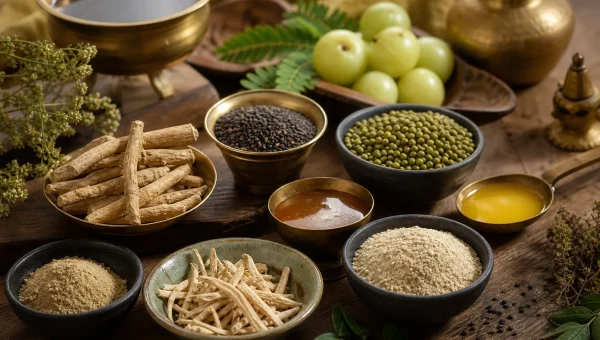
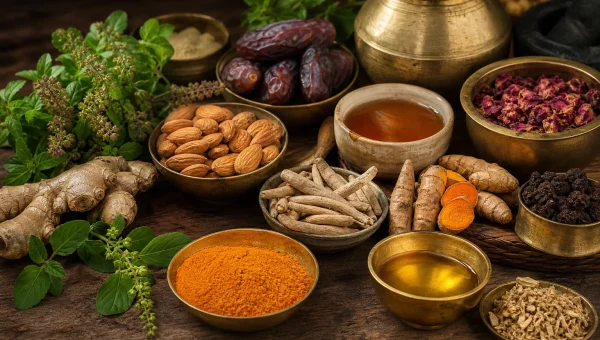
Guduchi (Tinospora cordifolia): Guduchi stem is described in the Ayurvedic Pharmacopoeia of India as Tikta-Kashaya in rasa, Laghu in guna, Ushna in virya, Madhura in vipaka, and Tridoshashamaka, Balya, Dipana, Rasayana, and Raktashodhaka in karma, with Prameha included among its therapeutic uses. In a neuropathy plan, Guduchi fits best when the Prameha picture includes sluggish digestion, heaviness, fatigue, fluctuating glucose control, or inflammatory heat. Because it may influence glucose levels, it should be used with glucose monitoring when the patient is taking antidiabetic medicines.
Amalaki (Emblica officinalis / Phyllanthus emblica): Amalaki is listed in the Ayurvedic Pharmacopoeia of India as rich in ascorbic acid and tannins, with Amla, Kashaya, Madhura, Tikta, and Katu rasa, Shita virya, Madhura vipaka, and Rasayana karma. It is also listed for Prameha and Daha. In diabetic neuropathy, Amalaki is especially useful when burning, heat, thirst, tissue depletion, or Pitta-Vata irritation accompanies the diabetic picture.
Ashwagandha (Withania somnifera): Ashwagandha root is described in the Ayurvedic Pharmacopoeia of India as Tikta-Kashaya in rasa, Laghu in guna, Ushna in virya, Madhura in vipaka, and Vata-Kaphapaha, Balya, Rasayana, and Vajikarana in karma. It belongs in the plan when neuropathy appears with weakness, depletion, poor sleep, stress reactivity, reduced stamina, or Vata-dominant pain. It is a strengthening Rasayana, not a stand-alone cure for diabetic nerve disease, and dose and suitability should be individualized.
Nisha-Amalaki style support: A practitioner may consider Haridra-Amalaki combinations in Prameha-dominant cases, especially where glucose control, Kapha-Meda burden, and inflammatory heat need attention. This is best used as part of a monitored plan because any herb or formulation that supports glucose control can require closer observation when combined with diabetes medication.
Bala and Bala-based oils: Bala is traditionally valued for strength and Vata support, but Sida cordifolia preparations can contain ephedrine-type alkaloids. Oral Bala is therefore not appropriate for self-treatment in diabetic neuropathy, especially in people with hypertension, heart disease, anxiety, insomnia, stimulant use, or complex medication regimens. In many cases, Bala is safer as part of practitioner-selected external oil therapy than as an unsupervised powder or capsule.
Local Therapy: Padabhyanga and Snehana for Feet
Padabhyanga, or gentle foot oiling, is one of the most useful daily Ayurvedic supports for diabetic neuropathy when the skin is intact and there is no active wound or infection. It calms Vata, supports local circulation by gentle touch, reduces dryness and cracking, and creates a daily opportunity to inspect the feet carefully. The purpose is not aggressive massage; the purpose is protection, softness, awareness, and Vata-pacification.
A safe home method is simple: inspect both feet first, warm a small amount of oil to a comfortable temperature, test the warmth with the hand before applying, massage gently for 5-10 minutes from the toes and soles upward toward the ankles and lower legs, then wipe excess oil from the soles to prevent slipping. Ksheerabala Taila or another Vata-pacifying oil may be selected by the practitioner; plain sesame oil may be used when a medicated oil is not appropriate. Avoid deep pressure, scraping, heat packs, hot water, or vigorous massage in areas with numbness, swelling, broken skin, blisters, ulcers, infection, severe vascular disease, or unexplained pain.
Daily diabetic foot care remains essential. Check the soles, heels, nails, toe spaces, and pressure points every day. Do not walk barefoot, even indoors. Wash feet in warm, not hot, water, dry carefully between the toes, moisturize dry skin without putting lotion between the toes, and wear clean socks and well-fitting footwear. Any cut, blister, ulcer, redness, swelling, discharge, foul smell, black or blue discoloration, or fever with a foot problem needs prompt medical care.
Dietary Protocol for Nerve Health in Diabetes
Diet in diabetic neuropathy should serve two goals at the same time: it must support the physician’s glucose targets, and it must reduce the Kapha-Meda-Prameha burden that keeps the terrain heavy, stagnant, and difficult to heal. The best plan is individualized, but the core pattern is steady meals, measured carbohydrate portions, adequate protein, high-fiber vegetables, pulses as tolerated, and avoidance of frequent sweets, refined flour, sugary drinks, and overeating at night.
- Vitamin B12: Long-term metformin use can contribute to low B12, and B12 deficiency can worsen neuropathy-like symptoms. People taking metformin or experiencing progressing numbness, burning, or weakness should ask their clinician about B12 testing and supplementation if levels are low.
- Protein and tissue support: Neuropathy with weakness, wasting, fatigue, or slow wound healing requires adequate dietary protein within the patient’s kidney-status limits. Suitable sources may include dal, beans, paneer, curd, eggs, fish, or other clinician-approved foods according to constitution, culture, and medical needs.
- Fiber-rich foods: Non-starchy vegetables, greens, legumes, and measured whole grains help make the Prameha diet more stable and reduce large glucose swings when used within the patient’s meal plan.
- Healthy fats in moderation: Small amounts of ghee or oil may be used when compatible with lipids, weight goals, digestion, and cardiovascular status. Heavy fried foods and excessive oily meals are not appropriate for most Prameha patterns.
- Avoid extreme fasting or unsupervised detoxes: Skipping meals, harsh purgation, or very low-calorie regimens can provoke weakness, hypoglycemia, Vata aggravation, and medication problems in diabetic patients.
Movement, Sleep, and Daily Routine
Gentle, regular movement supports glucose control, circulation, balance, and Vata regulation. Walking, supervised strength work, ankle mobility, calf raises, and balance training may be useful when the feet are protected and the physician has cleared the patient for activity. People with numb feet should avoid high-impact barefoot exercise, walking on hot surfaces, and footwear that creates friction or pressure points.
Sleep and daily rhythm matter because Vata worsens with irregular meals, late nights, overstimulation, and exhaustion. A steady routine with consistent sleep timing, warm meals, gentle evening foot care, and moderate activity is more suitable than intense short bursts followed by long periods of strain, poor sleep, and irregular food intake.
When to Seek Medical Care Urgently
Diabetic neuropathy becomes dangerous when sensation is reduced and a small injury is missed. Seek medical care promptly for any foot wound, ulcer, blister that is not healing, spreading redness, warmth, swelling, pus, fever, black or blue discoloration, sudden new weakness, rapidly worsening numbness, new balance loss, severe night pain, or symptoms that affect only one side of the body. Foot infections in diabetes can progress quickly and should not be managed only with home remedies or oils.
Putting the Plan Together
A practical 12-week integrative plan begins with baseline symptom scoring, foot inspection training, physician review of glucose control and medicines, and an Ayurvedic assessment of Prameha and Vata. Daily home care can include foot inspection, gentle Padabhyanga on intact skin, protected walking or approved exercise, consistent meals, and sleep regularity. Practitioner-guided herbs such as Guduchi, Amalaki, Ashwagandha, or suitable formulations can then be selected according to the patient’s pattern and monitored alongside HbA1c, symptoms, foot findings, and medication safety.
Medical disclaimer: Diabetic peripheral neuropathy is a serious complication of diabetes requiring medical management. Ayurvedic care may support the overall plan, but it does not replace physician-supervised diabetes care, neuropathy evaluation, foot examination, glucose management, or prescribed medication. Never delay medical evaluation of foot wounds, infections, sudden weakness, or rapidly worsening neurological symptoms.
Nothing in this article diagnoses or treats a medical condition. Use it as educational information and consult a qualified Ayurvedic practitioner and healthcare provider before starting herbs, supplements, detoxes, oils, or therapeutic protocols, especially if pregnant, managing a chronic condition, taking medication, or using insulin or glucose-lowering drugs.
References
- NIDDK
- 12. Retinopathy, Neuropathy, and Foot Care: Standards of Care in Diabetes-2026 (2026), PubMed Central
- CDC
- Diabetes (diabetes.org)
- Charaka Samhita — Prameha Chikitsa
- Jaims (jaims.in)
- Ia800501 (ia800501.us.archive.org)
- Ijbcp (ijbcp.com)
- Effect of Tinospora cordifolia on experimental diabetic neuropathy (2012), PubMed
- Neuritic regeneration and synaptic reconstruction induced by withanolide A (2005), PubMed
- A randomized, controlled, comparative, proof-of-concept study to evaluate the efficacy and safety of Nisha-Amalaki capsules in prediabetic patients for preventing progression to diabetes (2023), PubMed Central
- Japsonline (japsonline.com)
- NCCIH
- Effect of anuvasana basti with ksheerabala taila in sandhigata vata (osteoarthritis) (2014), PubMed Central
- Oamjms (oamjms.eu)
- The efficacy and safety of massage adjuvant therapy in the treatment of diabetic peripheral neuropathy: A protocol for systematic review and meta-analysis of randomized controlled trials (2022), PubMed Central