
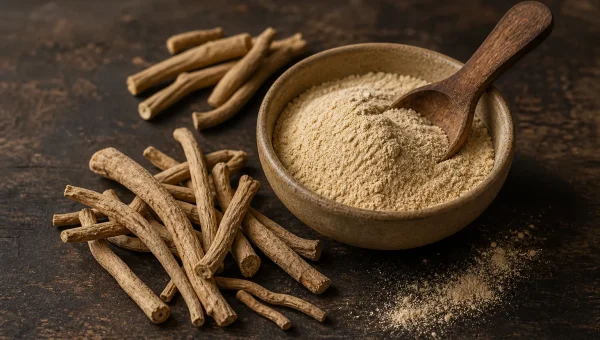
Turmeric is a familiar monsoon-season food ingredient, but it should not be presented as a proven shield against waterborne infection. Haridra is the dried and cured rhizome of Curcuma longa, and curcumin is one of its characteristic colouring constituents. Curcumin has displayed antimicrobial and intestinal-barrier effects in laboratory models, but turmeric and curcumin are not established preventive or therapeutic agents for monsoon diarrhoea. Their most defensible role is culinary and traditionally supportive, alongside safe water, hygienic food handling, handwashing, oral rehydration when required, and prompt medical care.
The Monsoon Gut Threat Profile
Heavy rain, flooding, damaged sanitation systems, unsafe storage, and contamination of food or drinking water can increase exposure to enteric pathogens. The World Health Organization links contaminated water and inadequate sanitation with cholera, diarrhoea, dysentery, hepatitis A, typhoid, and polio. A prospective cohort of young children in rural Tamil Nadu also found associations between diarrhoea and high temperature or heavy rainfall, with the rainfall effect varying according to timing and whether rain followed a dry period. These findings support stronger water, sanitation, and food-safety measures during the rainy season; they do not establish a single universal “peak-risk week” for all of India.
Important food- and water-associated causes of acute gastrointestinal illness include pathogenic strains of Escherichia coli, Vibrio cholerae, Salmonella Typhi, Shigella species, Giardia duodenalis, Entamoeba histolytica, norovirus, rotavirus, and hepatitis A virus. Their routes of transmission, incubation periods, clinical severity, and required treatment differ. Persistent vomiting, blood in stool, high fever, severe abdominal pain, jaundice, reduced urination, marked lethargy, or signs of dehydration require medical assessment rather than home treatment with spices or supplements.
What Curcumin’s Antimicrobial Findings Mean
Curcumin has demonstrated antibacterial effects in laboratory systems, but concentrations used in a culture dish cannot be assumed to occur in the human intestine after eating turmeric. In one in-vitro study involving diarrhoea-associated bacteria, purified curcumin inhibited tested strains including E. coli and V. cholerae; reported minimum inhibitory concentrations were 500 micrograms/mL for E. coli and 125 micrograms/mL for V. cholerae. The same experiment examined combinations with cephalosporin antibiotics, but it did not test patients and does not justify combining turmeric supplements with antibiotics without medical supervision.
Experimental models have described effects on bacterial membranes, the cell-division protein FtsZ, quorum sensing, virulence, and biofilm formation. Results vary with the microorganism, curcumin preparation, solvent, concentration, light exposure, and laboratory method. Curcumin’s poor water solubility and rapid metabolism further limit translation from laboratory potency to oral treatment. An in-vitro antimicrobial result therefore does not mean that a kitchen dose disinfects contaminated food or treats cholera, typhoid, dysentery, giardiasis, or viral gastroenteritis.
Intestinal Barrier and Inflammatory Signalling
The intestinal barrier includes epithelial cells, mucus, immune components, and tight-junction proteins such as occludin, claudins, and zonula occludens proteins. In intestinal cell cultures and animal models, curcumin has altered tight-junction organisation and inflammatory signalling under selected experimental conditions. Reported changes include increased expression of ZO-1 and claudin-1 in epithelial cell models and modulation of ZO-1, occludin, claudin-1, NF-κB signalling, and inflammatory mediators in animal models.
These mechanisms are biologically relevant to gut function, but they do not constitute a monsoon-prevention regimen. Infectious diarrhoea may involve toxin production, epithelial injury, altered intestinal secretion, inflammation, and substantial fluid loss, and management depends on the cause and severity. Curcumin must not replace oral rehydration solution, diagnostic testing, prescribed antimicrobials when indicated, or urgent care for dehydration. WHO guidance identifies correctly prepared oral rehydration salts as an effective treatment for diarrhoea-related dehydration in people who can be managed orally.
Haridra in the Ayurvedic Pharmacopoeia
The Ayurvedic Pharmacopoeia of India, Part I, Volume I identifies Haridra as the dried and cured rhizome of Curcuma longa. Its pharmacopoeial profile gives rasa as katu and tikta, guna as ruksha, virya as ushna, and vipaka as katu. Listed actions include krimighna, kushthaghna, varnya, vishaghna, kaphapittanut, and pramehanashaka. The monograph lists Haridra Khanda as an important formulation and gives a powder dose of 1–3 g.
Krimighna is a classical Ayurvedic action term and should not be translated as proof that Haridra clinically eradicates every bacterium, parasite, or virus now grouped under infectious disease. The pharmacopoeial monograph does not assign Haridra a monsoon-specific preventive indication, and it does not list deepana or ama-pachana among its stated actions. Ayurvedic selection depends on the patient, digestive state, disease stage, coexisting conditions, preparation, dose, and accompanying substances; the pharmacopoeial dose is not a universal self-medication instruction.
Culinary Turmeric, Piperine, and Absorption
Using turmeric in ordinary cooking is different from taking a concentrated curcumin extract. Curcumin has low oral bioavailability because of poor absorption, rapid metabolism, and rapid elimination. A small 1998 pharmacokinetic study found that 20 mg of isolated piperine given with a single 2 g dose of curcumin markedly increased measured curcumin exposure in healthy volunteers. The widely repeated “2,000% increase” belongs to that specific high-dose, single-administration experiment; it does not mean that adding an unspecified pinch of black pepper to food produces the same effect or prevents infection.
Phospholipid complexes, micelles, nanoparticles, liposomes, and piperine-containing formulations have been developed to alter curcumin delivery. Greater absorption is not automatically preferable for routine monsoon use, because enhanced-bioavailability products increase systemic exposure and may also change the safety profile. A culinary preparation containing turmeric, pepper, ginger, milk, or ghee may be consumed as food according to individual tolerance, but a fixed haldi doodh recipe should not be described as a clinically validated antimicrobial treatment.
Practical Monsoon Use
For healthy adults who already tolerate turmeric, ordinary culinary use in dal, vegetables, soups, or milk-based preparations is more appropriate than starting a concentrated extract solely because the rainy season has begun. The Ayurvedic Pharmacopoeia lists 1–3 g of Haridra powder as a medicinal dose, but medicinal administration should be individualised by a qualified Ayurvedic practitioner. A schedule of 250–500 mg curcumin twice daily, a “weeks 4–8” prevention window, and season-long supplementation are not recognised clinical regimens for preventing waterborne disease.
The measures that directly reduce exposure remain primary: use reliably treated drinking water; wash hands with soap before preparing or eating food and after using the toilet; separate raw and cooked foods; cook food thoroughly; refrigerate perishables promptly; and avoid food or water of uncertain hygiene. During diarrhoea, use correctly prepared ORS and seek timely medical advice, especially for children, older adults, pregnant people, or anyone with chronic illness or impaired immunity.
Safety: Turmeric and curcumin supplements can cause nausea, reflux, stomach upset, diarrhoea, or constipation. Products formulated for increased absorption have been associated with rare but potentially serious liver injury. Stop the product and seek care for jaundice, dark urine, unusual fatigue, persistent nausea, abdominal pain, or loss of appetite. People who are pregnant or breastfeeding, taking prescription medicines, using anticoagulant or antiplatelet drugs, or living with liver, gallbladder, or bile-duct disease should consult a qualified practitioner or healthcare provider before using medicinal-dose turmeric, curcumin, or piperine supplements. Culinary turmeric is not a substitute for safe water, ORS, antibiotics when prescribed, or treatment of active infection.
A Balanced Traditional and Clinical Position
Haridra has a legitimate place in Ayurvedic materia medica and in everyday Indian food. Its pharmacopoeial properties provide a traditional rationale for carefully selected use, while modern laboratory findings describe plausible antimicrobial, barrier-related, and inflammatory mechanisms. The responsible position is narrower than popular monsoon claims: turmeric may remain part of the diet and may be prescribed within an individualised Ayurvedic plan, but it should not be promoted as an empirically proven public-health intervention against monsoon pathogens. The strongest protection comes from sanitation, safe food and water, appropriate rehydration, diagnosis, and timely medical treatment.
References
- Ayurvedic Pharmacopoeia of India
- World Health Organization
- Associations between High Temperature, Heavy Rainfall, and Diarrhea among Young Children in Rural Tamil Nadu, India: A Prospective Cohort Study (2019), PubMed Central
- CDC
- CDC
- In vitro synergistic effect of curcumin in combination with third generation cephalosporins against bacteria associated with infectious diarrhea (2014), PubMed Central
- Curcumin inhibits FtsZ assembly: an attractive mechanism for its antibacterial activity (2008), PubMed
- Curcumin, a Natural Antimicrobial Agent with Strain-Specific Activity (2020), PubMed Central
- Curcumin-mediated regulation of intestinal barrier function: The mechanism underlying its beneficial effects (2018), PubMed Central
- Curcumin Improved Intestinal Epithelial Barrier Integrity by Up-Regulating ZO-1/Occludin/Claudin-1 in Septic Rats (2022), PubMed Central
- World Health Organization
- Influence of piperine on the pharmacokinetics of curcumin in animals and human volunteers (1998), PubMed
- Curcumin Formulations for Better Bioavailability: What We Learned from Clinical Trials Thus Far? (2023), PubMed Central
- NCCIH
- Tga (tga.gov.au)
- Wmic (wmic.wales.nhs.uk)
- Wmic (wmic.wales.nhs.uk)
- CDC
My grandmother’s kitchen in Pune had turmeric in everything during monsoon as a rule, not an option. I thought this was just a flavoring preference until I studied nutrition. The pathogen-specificity of curcumin against Vibrio, Giardia, and the others you mention explains the empirical wisdom of that kitchen rule.
My doctor dismissed this as pseudoscience. Going to try it anyway and report back
Doing this ❤️
Good article on this subject. #69
Good article on this subject. #70
The mechanism for curcumin’s activity against Giardia is interesting. Giardia is notoriously resistant to standard treatment in some strains and the anti-giardial activity data for curcumin is something I had not seen consolidated before. Is the evidence primarily in vitro or are there human trial data for Giardia specifically?
I tried a similar approach last year but without the specific sequencing. Wonder if that’s why it didn’t work
Did this for 6 weeks exactly as described, going to update here with results
Started the turmeric protocol my Ayurvedic doctor recommended last summer and my energy has been noticeably more consistent. This explains the mechanism.
Does the curcumin concentration in everyday cooking doses reach therapeutic antimicrobial levels in the gut? I know that absorption is poor and that most curcumin passes through the gut unabsorbed. The antimicrobial activity in the gut might actually benefit from the low absorption since the unabsorbed compound is directly in contact with pathogens.
The turmeric-lime combination for maximum polyphenol bioavailability is something my father always did. He squeezed half a lime over his haldi dahi every day. I thought it was just taste. It turns out there is a documented reason the acidic environment protects curcuminoids from degradation in the gut. Traditional combinations often have undiscovered logic.
The monsoon public health argument is important for a different reason: people in high-risk areas often cannot access clean water. Curcumin’s antimicrobial activity against waterborne pathogens offers a low-cost, widely available complement to water purification. Has this been studied as a population-level intervention for water-insecure communities?
How long typically before seeing results with this approach?
I got bacterial gastroenteritis every single monsoon for 8 years living in Mumbai. Moved to a district with better water infrastructure and had zero episodes. Then came back to Mumbai and started a serious daily turmeric protocol in June. That was three monsoons ago and I have had no gastroenteritis episodes since. Infrastructure helps but the turmeric seems to have made a difference.
Good article on this subject. #72 ✨
Good article on this subject. #75 🌿
Good article on this subject. #81
Curcumin’s lab results are interesting, but I wonder how much turmeric you’d actually need to eat to see any effect in the gut.
The MIC data for curcumin against E. coli and Salmonella that you cite looks reasonable but I want to know whether those concentrations are achievable in the gut with dietary turmeric intake. If the MIC requires 100 micrograms per ml but dietary turmeric produces 2 micrograms per ml in the gut fluid, the antimicrobial claim needs qualification.
The dosage range given is wide. Is there a way to determine where in the range I should start?
Good article on this subject. #114
For Curcumin for Monsoon Gut Health, consistency seems like the hard part. Small daily changes are easier to follow than a perfect plan.
Does the bioavailability issue with curcumin worsen in monsoon due to humidity affecting absorption?
For Curcumin for Monsoon Gut Health, consistency seems like the hard part. Would be useful to see a short checklist next.
Can I just use kitchen turmeric or does it need to be a standardized extract?
During monsoon season, I usually rely on boiled water and handwashing rather than spices for protection.
My practitioner wants to use curcumin alongside turmeric. Is this a common combination or is the article’s protocol more commonly used in isolation?
The waterborne gut protection angle is the most relevant during flood season
Useful post
The Ayurvedic framing made this topic much easier to understand than the Western medical version
@Rakesh The piperine combination is well known but not everyone tolerates black pepper well
1000mg curcumin daily during monsoon seems high. What’s the actual range you recommend?
This explains something I’ve experienced but couldn’t name. Good validation
Same here
Does turmeric interact with blood thinners? My father is on warfarin
Good article on this subject. #57
Good article on this subject. #64
Would love a follow-up article going deeper on the herb preparation methods
@Tarun started this 3 weeks ago, too early to say but the process itself feels right
The seasonal variation angle is underused in most health content. Good to see it here
Is this suitable for elderly patients or does the dosage need adjustment? ❤️
The food hygiene section was more useful than the supplement section for most people honestly
The section on dosage was the most practically useful for me 💯
@Deepak Good article on this subject. #94
Not skeptical about Ayurveda generally but some claims here need stronger evidence
Been following Ayurveda for 5 years and this article still taught me something new
Anyone else tried this for longer than 6 months? Wondering about long-term effects
Is the morning or evening timing more important for this protocol overall?
tbh wasnt expecting much from this but the specifics are actually helpful
The article makes a clear point that turmeric shouldn’t replace oral rehydration solution when diarrhea hits.
The traditional context helps understand why it’s done this way. Not just ‘eat this herb’
The contraindications section was important and often missing from similar articles
Will try this approach soon.
Thanks!
good info, sharing with my father who has been looking for something like this धन्यवाद
The Curcumin for Monsoon Gut Health section feels grounded enough to try carefully. The examples make the advice less abstract.
The anti-biofilm property you mentioned is that specific to curcumin or general turmeric?
Shared this with my Ayurveda practitioner. She agreed with most points 🌿
Where do you recommend sourcing the herbs mentioned here in India?
I appreciate how specific the instructions are compared to most Ayurveda articles
Are there clinical studies backing the specific herb combination you mentioned?
Will try
The connection between gut health and this condition is the angle most allopathic doctors miss
I’ve read that piperine can boost curcumin absorption, but does adding a pinch of black pepper to dal really matter for infection prevention?
Does this protocol change if someone is pregnant or breastfeeding?
Good article on this subject. #62
Can this be combined with modern medication or is it better standalone?
The point about this being empirical public health practice rather than folk superstition is one I’ll be using to explain turmeric use to skeptical family members. Quick practical question: does cooking curcumin into food genuinely provide the antimicrobial benefit, or does the gut exposure from dietary turmeric work differently than the concentrated extracts in the studies you’re citing?
This helped clarify my doubts.
What’s the typical duration of the treatment before reassessing?
Does this apply to children or only adults?
The advice around Curcumin for Monsoon Gut Health is specific enough to be useful. Would be useful to see a short checklist next.
Good information on this topic.
Helpful article, thank you.
Tried this, results were good.
Interesting perspective here.
Thanks for the clear explanation. 💯
Useful and actionable.
Following this protocol now.
Bookmarked for future reference.
Good article on this subject. #55
Good article on this subject. #129
Good article on this subject. #56 🌿
Good article on this subject. #85 🙌
Good article on this subject. #58
@Rachel Good article on this subject. #113 ठीक है
Good article on this subject. #59
Good article on this subject. #60
Good article on this subject. #61 ❤️
Laboratory inhibition of E. coli at 500 µg/mL seems high compared to what you get from a typical meal.
Good article on this subject. #63
Good article on this subject. #65 🌿
Good article on this subject. #66
Good article on this subject. #67
Good article on this subject. #68 नमस्ते
Good article on this subject. #76
Good article on this subject. #92
It’s reassuring to see the authors emphasize safe water and sanitation as the primary defenses.
Good article on this subject. #71
Good article on this subject. #73 नमस्ते
Good article on this subject. #84
Good article on this subject. #74
Good article on this subject. #105
Good article on this subject. #77
Good article on this subject. #78
Good article on this subject. #79
The mention of Haridra’s Ayurvedic actions like krimighna is helpful, but I’m cautious about taking it as proof of modern antimicrobial power.
Good article on this subject. #80 🙏
For someone cooking everyday curries, using turmeric as usual seems fine, but I wouldn’t start a supplement just because rains arrive.
Good article on this subject. #82
Good article on this subject. #83
Good article on this subject. #112
Has anyone tried measuring curcumin levels in their blood after eating a regular turmeric-spiced lunch?
Good article on this subject. #86
Good article on this subject. #87
The piece correctly notes that experimental models don’t translate directly to real-world protection against cholera or typhoid.
Good article on this subject. #88
Good article on this subject. #89 ❤️
Good article on this subject. #90
I appreciate the reminder that persistent vomiting or blood in stool needs medical care, not just home remedies.
Good article on this subject. #91
Good article on this subject. #93 धन्यवाद
In rural Tamil Nadu, the link between heavy rain and diarrhea shows why infrastructure matters more than any single herb.
Good article on this subject. #95
The warning about liver injury from high-absorption curcumin products is something I hadn’t considered before.
Good article on this subject. #96
Good article on this subject. #97
Good article on this subject. #98
Good article on this subject. #99
Good article on this subject. #100
Good article on this subject. #101
Overall, keeping turmeric in the diet for flavor and tradition makes sense, while relying on clean water and proper hygiene stays key.
Good article on this subject. #102
Good article on this subject. #103
Good article on this subject. #104
Good article on this subject. #106
Good article on this subject. #107
Good article on this subject. #108
Good article on this subject. #109 ✨
Good article on this subject. #110
Good article on this subject. #111
Good article on this subject. #115
Good article on this subject. #116 🙏
Good article on this subject. #117
Good article on this subject. #118
Good article on this subject. #119
Good article on this subject. #120 💯
Good article on this subject. #121
Good article on this subject. #122
Good article on this subject. #123
Good article on this subject. #124
Good article on this subject. #125
Good article on this subject. #126
Good article on this subject. #127
Good article on this subject. #128