
Vacha in Autism Spectrum Support: What the 2026 Evidence Can and Cannot Support
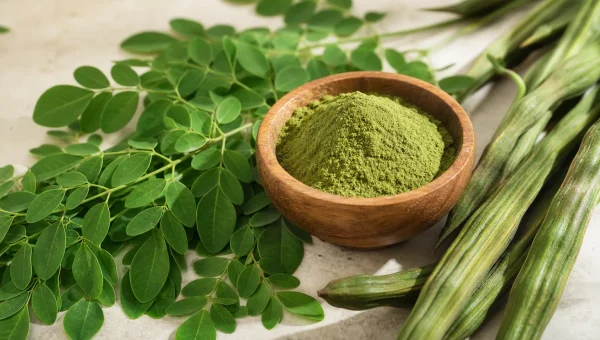
Vacha (Acorus calamus, sweet flag) occupies an important place in Ayurveda as a Medhya and Kanthya herb, meaning it is traditionally used in contexts related to intellect, memory, voice, throat function, and Kapha-Vata disorders. In autism spectrum disorder, this classical profile makes Vacha a herb of interest for integrative discussion, but it should be framed carefully: as of June 2026, Vacha is not a stand-alone proven treatment for autism spectrum disorder, and pediatric use requires qualified supervision because of the asarone safety issue.
The most balanced position is neither promotional nor dismissive. Vacha has an authentic Ayurvedic rationale and preclinical neurological data, including one published animal model using autism-induced Wistar rats. Human clinical support for Vacha alone in autistic children, however, remains insufficient for treatment claims. In practice, the strongest role for Vacha is as a carefully selected, purified, practitioner-guided component within a broader Ayurvedic plan that does not replace developmental, behavioral, speech, occupational, educational, or medical care.
Classical Ayurvedic Profile of Vacha
The Ayurvedic Pharmacopoeia of India identifies Vacha as the dried rhizome of Acorus calamus and records its classical actions as Dīpanī, Kṛmihara, Kaṇṭhya, Kaphahara, Medhya, Vātahara, Mala-Mūtraviśodhanī, and Vāmak. Its therapeutic uses in the monograph include Apasmāra, Unmāda, Smṛti daurbalya, Śvāsa, Kāsa, Vibandha, and related Kapha-Vata conditions.
Its Ayurvedic pharmacodynamic profile is Katu and Tikta in rasa, Laghu and Tīkṣṇa in guna, Uṣṇa in virya, and Katu in vipaka. This combination explains why Vacha is traditionally used where Kapha heaviness, dullness, obstruction, sluggish speech expression, or Vata-Kapha involvement is assessed by a practitioner. The same Tīkṣṇa and Uṣṇa nature also explains why it is not a casual household herb for children.
Phytochemical Profile Relevant to Neurological Research
The pharmacopoeial monograph lists volatile oil as a major constituent group and names asarone, eugenol, acorin, starch, and tannin among the constituents. Modern reviews describe Acorus calamus rhizome as chemically complex, with phenylpropanoids such as alpha-asarone and beta-asarone, along with other volatile and non-volatile compounds.
From a neurological perspective, the areas most relevant to autism-related discussion are cholinergic activity, oxidative stress regulation, inflammatory signaling, GABA-related pathways, and neurotrophic signaling in laboratory models. These mechanisms are biologically interesting, but they are not the same as demonstrated clinical benefit in autistic children.
Mechanisms That Make Vacha Scientifically Interesting
Vacha and its constituents have been examined in preclinical models for acetylcholinesterase inhibition, antioxidant effects, anti-inflammatory activity, neuroprotection, GABA-related activity, and neurotrophin-related signaling. These mechanisms overlap with biological themes often discussed in neurodevelopmental research, including attention, learning, sensory reactivity, neuroimmune balance, and excitatory-inhibitory regulation.
The autism connection should be interpreted cautiously. Autism spectrum disorder is a heterogeneous neurodevelopmental condition. Some studies of ASD biology discuss microglial activation, neuroinflammation, GABAergic signaling differences, and other brain-development pathways, but these findings do not make any single herb an ASD treatment. They only explain why herbs with neurobiological activity may be investigated as supportive candidates.
Animal Data: The Main ASD-Specific Signal
The most directly relevant Vacha-ASD publication is a 2022 Cureus study on Acorus calamus in autism-induced Wistar rats. The model used prenatal sodium valproate exposure, a common experimental model for autism-like developmental and behavioral changes in animals. The study assessed developmental and histopathological changes after Acorus calamus exposure.
This type of animal work can support biological plausibility, but it cannot be translated into pediatric dosing or treatment expectations. Rat models are useful for mechanistic exploration; they do not establish clinical effectiveness, long-term pediatric safety, or suitability for a particular child.
Human Evidence in Autism Spectrum Disorder
Human ASD evidence for Vacha alone is limited. A 2017 systematic review of herbal medicine for children with ASD included randomized trials of herbal formulas, mostly from traditional Chinese medicine contexts, and one listed formula included Acorus calamus among multiple ingredients. Because these were multi-herb and integrative protocols, the results cannot be attributed to Vacha alone.
For practical interpretation, Vacha should not be presented as a proven autism therapy. The available human literature is better understood as early, mixed, formula-level evidence for herbal approaches, with methodological limitations and limited herb-specific attribution. Standard autism care remains individualized developmental, behavioral, educational, speech-language, occupational, and medical support.
| Evidence Area | What Is Reasonable to Say | What Should Not Be Claimed |
|---|---|---|
| Classical Ayurveda | Vacha is a Medhya and Kanthya herb with Kapha-Vata applications and a required purification note before internal use. | That classical use alone proves benefit in autism spectrum disorder. |
| Phytochemistry | Vacha contains volatile oil constituents including asarone and eugenol, plus acorin and other compounds. | That isolated compound actions automatically translate into safe pediatric outcomes. |
| Preclinical ASD data | A published Wistar rat model provides ASD-relevant mechanistic interest. | That animal data establishes Vacha as an ASD treatment. |
| Human ASD data | Human evidence is mostly formula-level and not Vacha-specific. | That Vacha alone has proven clinical benefit in autistic children. |
| Safety | Internal use should be purified, authenticated, dose-controlled, and supervised. | That raw rhizome powder is appropriate for unsupervised pediatric use. |
The Asarone Safety Question
The major safety concern with Vacha is beta-asarone. Regulatory and toxicology reviews have treated beta-asarone as a compound of concern because of carcinogenic and genotoxic findings in experimental contexts. The U.S. FDA lists calamus as prohibited for food use, and European safety discussions have recommended minimizing beta-asarone exposure from foods and flavorings.
Ayurveda addresses this concern through śodhana. The Ayurvedic Pharmacopoeia of India specifically notes that Vacha should undergo śodhana before internal use. Published work on Vacha śodhana describes reduction and management of beta-asarone during the traditional processing approach. For this reason, raw Vacha rhizome powder should not be used casually, especially in children.
Pediatric Use: Practical Boundaries
The Ayurvedic Pharmacopoeia gives an adult internal powder dose of 60–120 mg and a separate higher dose only for emetic use. These are adult reference doses and should not be directly converted into pediatric use without clinical training. Children with autism may also have epilepsy, sleep medication use, gastrointestinal issues, behavioral medicines, supplements, or feeding restrictions, all of which change the safety picture.
For a child, Vacha should be considered only when a qualified Ayurvedic practitioner has assessed constitution, digestive strength, associated symptoms, comorbidities, current medicines, and the exact preparation. A Certificate of Analysis, botanical authentication, processing status, and asarone-related quality controls are important practical safeguards for any product being considered internally.
How Vacha Fits into an Integrative Autism Care Plan
In an Ayurvedic framework, Vacha is more logically placed as one possible herb within a larger plan for Kapha-Vata patterns, speech-throat support, cognition, digestive fire, sensory regulation, sleep rhythm, and behavioral steadiness. It is not a substitute for speech therapy, occupational therapy, behavioral support, educational planning, pediatric neurology, psychiatry, or developmental pediatrics.
Parents and caregivers should be especially cautious with products marketed as “autism cures” or “speech miracle herbs.” A responsible Ayurvedic approach avoids cure claims, begins with safety, integrates with mainstream developmental care, and monitors the child over time. Any new herb should be introduced with professional guidance and stopped if adverse effects such as vomiting, excessive sedation, irritability, rash, abdominal discomfort, or neurological worsening appear.
Bottom Line
Vacha has a genuine classical Ayurvedic identity as a Medhya, Kanthya, Kapha-Vata reducing herb, and it has preclinical neurological data that makes it relevant to research conversations around autism spectrum support. The available human evidence does not justify presenting Vacha alone as a proven ASD treatment. Its internal use in children requires purified, authenticated, carefully dosed, practitioner-supervised preparation because of the beta-asarone safety concern.
Disclaimer: This article is for educational purposes only and does not replace professional medical advice. Consult a qualified Ayurvedic practitioner and a healthcare provider before using Vacha or any herbal preparation for a child, especially in autism spectrum disorder, epilepsy, developmental delay, psychiatric medication use, liver disease, or complex medical conditions.
References
- Ayurvedic Pharmacopoeia of India
- Mdpi (mdpi.com)
- Cureus (cureus.com)
- Researchgate (researchgate.net)
- Herbal Medicine Treatment for Children with Autism Spectrum Disorder: A Systematic Review (2017), PubMed Central
- NCCIH
- CDC
- CDC
- CDC
- Postmortem Studies of Neuroinflammation in Autism Spectrum Disorder: a Systematic Review (2020), PubMed
- Alterations of GABAergic signaling in autism spectrum disorders (2011), PubMed Central
- Hfpappexternal (hfpappexternal.fda.gov)
- Hfpappexternal (hfpappexternal.fda.gov)
- Hfpappexternal (hfpappexternal.fda.gov)
- Hfpappexternal (hfpappexternal.fda.gov)
- Ec (ec.europa.eu)
- Fate of β-asarone in Ayurvedic Sodhana process of Vacha (2013), PubMed
- Ctri (ctri.nic.in)
Are there any drug interactions with commonly prescribed ASD medications (Risperidone, Melatonin, Concerta) and Vacha?
That interaction question is critical and I don’t think there’s a clear answer yet. What I’d add is that the behavioural therapy question is slightly separate — ABA is environmental and skills-based, so combining it with a Medhya herb like Vacha seems less about interaction and more about whether improved attention from the herb makes those therapy sessions more productive. नमस्ते
@Emily good question. mine is similar still figuring out the timing.
beta-asarone in Vacha is a known genotoxin. Recommending this herb particularly for children without prominent safety warnings is irresponsible.
the article mentions Mandukaparni as an alternative Medhya herb with a better safety profile. Would that be preferred over Vacha for long-term pediatric use?
Good to know. ❤️
Is there concern about the beta-asarone content in Vacha root being a potential carcinogen? The research on this seems concerning.
Useful info.
aSD is complex and heterogeneous. Framing herbal protocols as neurological support without strong RCT evidence in this population risks misleading desperate families.
can Vacha be combined with conventional ABA therapy or other behavioral interventions?
The research update section citing the 2025 trial data is rare in Ayurveda content. The honest appraisal of what the evidence does and doesn’t show is appreciated.
My son (ASD level 1, age 9) has been on Saraswatarishta (which includes Vacha) for 4 months and his speech therapist has noted improved verbal fluency.
had the same experience with this.
The 2025 trial you cite had a sample size of 38 children and no sham control. The reported improvements could reflect placebo-parent-rater bias.
same question here actually.
The neurotrophic mechanism via BDNF you describe for Medhya herbs is the most credible Ayurvedic explanation I’ve found for why some parents see cognitive gains.
For ASD is the Vacha dosage different for children vs adults? The article gives adult doses primarily.