
At a glance
| Ayurvedic name | Chittodvega, literally an agitated or anxious state of chitta; clinically correlated with anxiety when Vata and rajas disturb the mind |
| Primary dosha(s) | Vata, especially prana vata and vyana vata; rajas and tamas as manasika dosha; pitta may add heat, irritability and panic; kapha-tamas may add dullness and withdrawal |
| Affected system / srotas | Manas, buddhi, smriti, indriya functions and hridaya; clinically approached through manovaha support, prana-vaha regulation, rasa/ojas nourishment and agni correction |
| Key herbs | Ashwagandha, Brahmi, Mandukaparni, Shankhapushpi, Jatamansi, Guduchi and Yashtimadhu, selected by constitution and medical history |
| Supportive therapies | Satvavajaya, abhyanga, shiroabhyanga, shirodhara, nasya when appropriate, gentle yoga, nadi shodhana, bhramari, meditation, regular meals and sleep routine |
Overview
Anxiety is not merely “worry”; it becomes clinically important when fear, tension, restlessness, racing thoughts, poor sleep or bodily alarm signs begin to persist, recur or interfere with work, relationships and daily life. In Ayurveda, anxiety is commonly correlated with Chittodvega, a disturbed or agitated state of the mind. This correlation is useful but should be applied carefully: modern anxiety disorders have specific diagnostic categories, while Ayurveda evaluates the person through dosha, manasika guna, agni, strength, sleep, ojas, constitution and triggers. The central Ayurvedic pattern is aggravated Vata, especially prana vata, moving irregularly in the field of the mind, with rajas creating overactivity and tamas reducing clarity and resilience.
The Ayurvedic view
Classical Ayurveda recognises both body and mind as seats of health and disease. Charaka describes Vata, Pitta and Kapha as bodily doshas, and rajas and tamas as doshas of the mind. Chittodvega is listed among mental disturbances in Charaka’s discussion of manasika disorders. In practical samprapti, incompatible food and lifestyle, overstimulation, fear, grief, excessive thinking, sleep loss, fasting, overwork, trauma or suppressed emotions disturb Vata. Because Vata is mobile, subtle, light and quick, it can disturb attention, breath rhythm, heart sensations, sleep and sensory processing. Rajas adds agitation, urgency and repetitive thinking; tamas adds confusion, avoidance, heaviness or hopelessness. When agni becomes irregular, digestion and assimilation suffer, rasa dhatu and ojas may become depleted, and the person becomes less able to tolerate ordinary stress. Therefore management is not only “calming the mind”; it includes stabilising Vata, nourishing ojas, clearing mental overload, improving sleep, restoring digestion and strengthening sattva through counselling, self-regulation and appropriate spiritual or contemplative practice.
Causes & triggers
- Irregular routine, late nights, shift work, excess travel, excessive screen exposure or constant multitasking.
- Skipping meals, fasting beyond capacity, dry or very light diets, excess caffeine, nicotine, alcohol or stimulants.
- Chronic stress, grief, fear, uncertainty, trauma, loneliness, over-responsibility or unresolved conflict.
- Excessive sensory input: loud environments, disturbing media, doom-scrolling or overstimulating work patterns.
- Suppression of natural urges, especially sleep, tears, hunger, bowel urges and the need for rest.
- Weak digestion, gas, bloating, constipation, acidity or poor nourishment that aggravates the gut–mind axis from an Ayurvedic perspective.
- Hormonal transitions, postpartum period, perimenopause, thyroid imbalance, chronic pain, medication changes or substance withdrawal, which require medical evaluation.
Symptoms & dosha types
Typical symptoms include excessive worry, fearfulness, inner trembling, restlessness, inability to relax, repeated checking, poor concentration, insomnia, shallow breathing, palpitations, sweating, digestive upset, muscle tension and fatigue after mental overactivity. In a Vata-dominant pattern, symptoms are changeable: racing thoughts, dry mouth, cold hands, gas, constipation, light sleep, startle response, tremor and variable appetite. In a Pitta-associated pattern, anxiety may appear as irritability, urgency, perfectionism, anger, heat, sweating, acidity, loose stools, sharp criticism and panic around performance or loss of control. In a Kapha-tamas pattern, the person may feel heavy, stuck, withdrawn, foggy, oversleeping, emotionally numb or anxious-depressed rather than visibly restless. Most real cases are mixed, so treatment should be individualised rather than chosen from a single label.
Recommended herbs
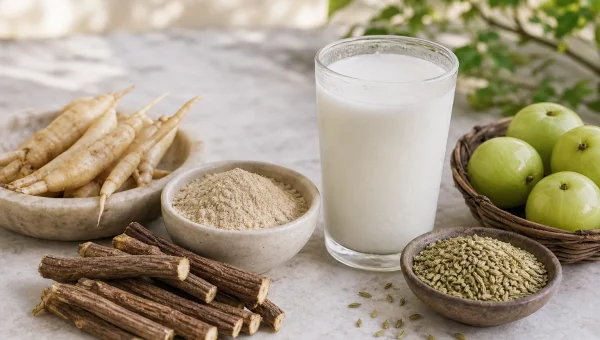
The main herbs used by Ayurvedic physicians for Vata-related anxiety and depleted resilience include Ashwagandha for Vata and stress-related weakness, Brahmi and Mandukaparni for medhya support, Shankhapushpi for calmness and cognition, Jatamansi for sleep and mental agitation, Guduchi for rasayana support, and Yashtimadhu when suitable for nourishment and medhya use. These should not be self-prescribed in high doses or combined casually with sedatives, antidepressants, thyroid medicines, anti-seizure drugs, blood pressure medicines or alcohol. Ashwagandha is not suitable for everyone and should generally be avoided in pregnancy and breastfeeding unless a qualified clinician specifically advises otherwise; caution is also needed in liver disease, thyroid disease, autoimmune disease and before surgery. Classical formulations such as Brahmi ghrita, Saraswatarishta, Ashwagandharishta, Kalyanaka ghrita or Manasamitra vataka may be considered only after professional assessment, because the correct choice depends on digestion, sleep, strength, comorbidities and medication use.
Diet & lifestyle
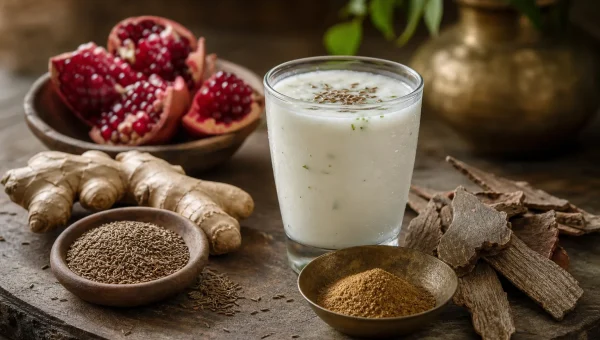
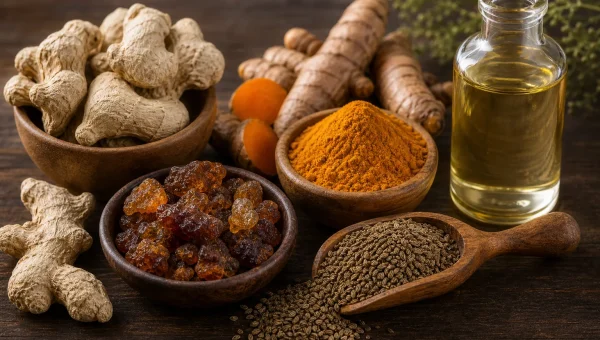
Favour a Vata-pacifying, sattva-supporting diet: warm, freshly cooked, mildly spiced, moist and regular meals. Soups, khichari, mung dal, rice, wheat if tolerated, oats, stewed fruits, soaked almonds, dates in moderation, ghee if suitable, sesame oil, warm milk with a small pinch of nutmeg or turmeric when tolerated, and grounding spices such as cumin, fennel, ajwain and small amounts of ginger can help many Vata-type presentations. Avoid or reduce caffeine, energy drinks, alcohol, recreational drugs, very spicy food in Pitta anxiety, cold salads at night, dry snacks, excessive fasting, late dinners and eating while scrolling or working. Lifestyle is often the strongest medicine: wake and sleep at regular times, eat at consistent hours, reduce evening screen stimulation, expose the eyes to morning light, walk daily, keep the bowel regular, spend time with stable and kind people, and practise one calming technique every day rather than many techniques irregularly.
Therapies & home remedies
Satvavajaya is the core Ayurvedic psychological approach: training the mind away from unwholesome objects and strengthening clarity, patience, memory, discrimination and steadiness. In modern practical terms, this may include counselling, reframing fear-based thoughts, reducing triggers, journaling, mantra, prayer, meditation, breath training and values-based action. Daily abhyanga with warm sesame oil, or coconut oil in heat-dominant Pitta individuals, can reduce Vata roughness and restlessness when digestion and skin tolerance are good. Shiroabhyanga, padabhyanga before sleep, gentle restorative yoga, nadi shodhana, bhramari and slow exhalation breathing are safe supportive measures for many people. Shirodhara, nasya and basti may be useful in selected chronic Vata presentations, but they should be performed under a qualified Ayurvedic physician, especially in people with depression, neurological illness, pregnancy, uncontrolled blood pressure, recent head injury, infection or complex medication use. A simple home routine is: warm bath or foot wash in the evening, light early dinner, 10 minutes of alternate-nostril breathing, warm oil to soles of feet, and sleep before 10:30 pm as often as possible.
What the research says
Research supports a cautious, integrative view rather than exaggerated claims. Several small randomised trials and reviews suggest that some standardised Ashwagandha root extracts may reduce perceived stress and some anxiety scores in stressed adults, but anxiety-disorder-specific evidence is less certain, products vary, and long-term safety is not established. Bacopa/Brahmi has better evidence for cognition than for anxiety as a primary condition, though some trials reported improvements in anxiety measures. Yoga-based interventions appear helpful for anxiety symptoms in some systematic reviews, but results vary by study quality, population and comparison group. Shirodhara has small physiological and pilot studies suggesting relaxation and reduced state anxiety, but evidence remains preliminary and is not enough to replace established mental health care. The most trustworthy conclusion is that Ayurvedic care may be supportive when personalised, safe and combined with appropriate psychological or medical treatment, but no herb or therapy should be presented as a guaranteed cure for anxiety disorders.
When to see a doctor
- Thoughts of self-harm, suicide, harming others, or feeling unsafe.
- Chest pain, fainting, severe breathlessness, one-sided weakness, seizure, confusion or symptoms that could be cardiac, neurological or metabolic.
- Panic attacks that are new, severe, recurrent or causing avoidance of normal life.
- Anxiety with severe depression, hallucinations, paranoia, mania, extreme insomnia or inability to eat, work or care for oneself.
- New anxiety during pregnancy, after delivery, during perimenopause, in older age, or after starting/stopping a medicine or substance.
- Symptoms associated with thyroid disease, anaemia, chronic pain, fever, substance withdrawal, high caffeine use or alcohol dependence.
- Anxiety that persists, worsens, or interferes with relationships, study, work or sleep despite lifestyle measures.
FAQ
Not exactly. Chittodvega means an anxious or agitated state of the mind and can be used as an Ayurvedic correlation for anxiety, but modern generalized anxiety disorder has specific diagnostic criteria. A careful clinician should assess both Ayurvedic samprapti and modern red flags.
Vata is most commonly involved, especially prana vata, because of its mobile, subtle and quick qualities. Rajas drives overactivity of thought, while tamas may cloud judgment and recovery. Pitta and Kapha may modify the presentation.
No. Ashwagandha may help some stressed, depleted Vata individuals, but it is not universally suitable. It needs caution in pregnancy, breastfeeding, liver disease, thyroid disease, autoimmune conditions, before surgery and with several medicines.
A regular routine is the foundation: warm meals at fixed times, reduced stimulants, daily walking, evening screen reduction, gentle oil massage, slow breathing and consistent sleep. These are safer starting points than strong herbs or intensive therapies.
References
- Charaka Samhita, Sutra Sthana 1/55–58, Deerghanjiviteeya Adhyaya: body and mind as seats of disease; bodily doshas and manasika doshas; treatment of mental doshas through jnana, vijnana, dhairya, smriti and samadhi. https://www.carakasamhitaonline.com/index.php/Deerghanjiviteeya_Adhyaya
- Charaka Samhita, Vimana Sthana 6/5, Roganika Vimana: listing of mental disorders including chittodvega, bhaya and vishada. https://www.carakasamhitaonline.com/index.php?title=Manas
- Ashtanga Hridaya, Sutra Sthana 2, Dinacharya Adhyaya: daily routine, moderation, abhyanga, conduct and lifestyle principles. https://www.easyayurveda.com/ayurvedic-daily-routine-ashtanga-hrudaya-sutra-sthana-chapter-2/
- The Ayurvedic Pharmacopoeia of India, Part I, Vol. I, Government of India: official monographs including Ashvagandha. https://www.ayurveda.hu/api/API-Vol-1.pdf
- Akhgarjand C. et al. “Does Ashwagandha supplementation have a beneficial effect on the management of anxiety and stress? A systematic review and meta-analysis.” Phytotherapy Research, 2022. https://pubmed.ncbi.nlm.nih.gov/36017529/
- Cramer H. et al. “Yoga for anxiety: A systematic review and meta-analysis of randomized controlled trials.” Depression and Anxiety, 2018. https://pubmed.ncbi.nlm.nih.gov/29697885/
- Uebaba K. et al. “Psychoneuroimmunologic effects of Ayurvedic oil-dripping treatment.” Journal of Alternative and Complementary Medicine, 2008. https://pubmed.ncbi.nlm.nih.gov/19123874/
- National Institute of Mental Health. “Anxiety Disorders,” last reviewed December 2024. https://www.nimh.nih.gov/health/topics/anxiety-disorders
- National Center for Complementary and Integrative Health. “Ashwagandha: Usefulness and Safety.” https://www.nccih.nih.gov/health/ashwagandha
- National Center for Complementary and Integrative Health. “Ayurvedic Medicine: In Depth.” https://www.nccih.nih.gov/health/ayurvedic-medicine-in-depth
The way this ties anxiety to aggravated Vata and depleted ojas makes a lot of sense, especially the sleep and meal routine part.
Loved seeing herbs like Brahmi and Jatamansi grouped with practical supports like nadi shodhana and bhramari. That feels more usable than just saying calm down.
Interesting distinction between Vata, Pitta, and Kapha patterns. The heat and irritability piece for Pitta really stood out to me.
The mention of overstimulation from screens, late nights, and skipped meals feels very current. Chittodvega really does sound like that wired but worn out state.
How do you usually decide between ashwagandha and brahmi for someone with anxiety and a lot of poor sleep? The constitution part seems important here.
Would shirodhara and nasya be considered only after digestion and routine are steadier, or can they be started earlier in a mild case?
I like the framework, but I would want more detail on safety and study size for some of these herbs, especially if someone is already on anxiety medication or dealing with thyroid issues.