
My grandmother kept a small sandalwood box on her dressing table that contained three tiny bottles of attar, natural perfume oils that had been in the family for years. One of them, a vetiver attar, smelled earthy and complex after many years of ageing in a way that no fresh synthetic perfume could imitate. That box taught me something about fragrance that Ayurveda also understands: scent is not only about smelling pleasant. In Ayurveda, gandha belongs to the world of sensory perception, dravya-guna, daily care, and the state of the mind. Making simple natural, attar-style perfume oils and aromatic body mists at home can become a gentle daily ritual for grounding, cooling, uplifting, and beautifying the body without relying on harsh synthetic fragrance.
Gandha: The Ayurvedic Science of Scent
Ayurveda associates gandha, or smell, with Prithvi Mahabhuta, the earth element, and evaluates aromatic substances through their rasa, guna, virya, vipaka, and karma. Modern neuroanatomy also places olfaction close to emotional and memory pathways, including connections with the amygdala and hippocampus. For practical Ayurvedic perfumery, this means scent is chosen not only by preference, but also by qualities: cooling or warming, heavy or light, sharp or soft, grounding or clearing.
Attar: India’s Natural Perfumery Tradition
Attar, also spelled ittar, is a traditional Indian perfume oil made from aromatic botanicals such as flowers, woods, roots, and resins. Kannauj in Uttar Pradesh is especially known for this craft, where natural materials are distilled by skilled perfumers. Classical attar-making requires distillation equipment and artisan skill, so the safe home version is not a true attar; it is an attar-style aromatic oil made by blending carefully diluted essential oils or absolutes into a gentle carrier oil such as jojoba, sesame, coconut, or sandalwood-infused oil.
Dosha-Specific Scent Profiles
Dosha-specific fragrance works best when it follows the principle of balancing qualities. Vata benefits from warmth, softness, and steadiness; Pitta benefits from cool, sweet, floral qualities; Kapha benefits from light, sharp, clean aromas used in moderation. The same aromatic plant can have more than one action, so choose by season, constitution, skin sensitivity, and purpose.
| Dosha | Balancing Aromatic Quality | Helpful Aromatic Plants | Best Use |
|---|---|---|---|
| Vata | Warm, soft, earthy, slightly heavy | Ushira, Agaru, Chandan in a nourishing oil base | For dry, restless, scattered, or over-stimulated days |
| Pitta | Cool, sweet, floral, gentle | Chandan, Ushira, Satapatrika, Champaka | For hot weather, irritability, heat, and intensity |
| Kapha | Light, sharp, clean, moderately stimulating | Lavanga, Karpura, Agaru in very small amounts | For heaviness, dullness, damp weather, and stale odour |
Making Your Own Attar-Style Perfume Oil
A safe homemade perfume oil should be mild, skin-friendly, and well diluted. For adults, a simple daily perfume oil can stay around 1–2% essential oil dilution, which is usually about 3–6 total drops of essential oil in 10 ml of carrier oil. Use dark glass bottles, label the ingredients clearly, and patch test before regular use.
Vata-Grounding Attar-Style Oil
Formula: Add 2 drops vetiver, 2 drops sandalwood, and 1 drop agarwood or cedarwood to 10 ml jojoba or sesame oil. Shake gently and let the blend rest for 24–48 hours. Apply a tiny amount to pulse points, the wrists, or the back of the neck when you want a warm, earthy, steadying scent.
Pitta-Cooling Attar-Style Oil
Formula: Add 2 drops sandalwood, 2 drops rose absolute, and 1 drop vetiver or champaka absolute to 10 ml jojoba or fractionated coconut oil. Shake gently and store away from heat and sunlight. Use lightly in hot weather or after bathing when you want a soft, cooling, floral fragrance.
Kapha-Lifting Attar-Style Oil
Formula: Add 1 drop clove essential oil, 1 drop natural camphor oil only if well tolerated, and 3 drops agarwood, cedarwood, or another gentle woody oil to 10 ml jojoba or sesame oil. This is an adult-only blend and should be used sparingly because clove and camphor are potent. Avoid using it near the eyes, nostrils, children, pregnancy, or sensitive skin.
Aromatic Waters as Body Mists
Aromatic waters are closer to the Ayurvedic idea of arka, a liquid distillate prepared from botanical material. Rose water, or gulabjala, is especially familiar in Indian cosmetic and Ayurvedic practice. Hydrosols are gentler than essential oils and can be used as body mists, facial sprays, or linen sprays when they are fresh, clean, and stored properly.
DIY Rose-Ushira Body Mist
Formula: Fill a clean 100 ml spray bottle with 90 ml rose hydrosol and 10 ml vetiver hydrosol, or use plain rose hydrosol if vetiver hydrosol is unavailable. Add 0.5–1 ml vegetable glycerin only if you want a slightly softer skin feel. Shake before use, keep refrigerated if unpreserved, and make small batches. For a more cooling Pitta mist, use mostly rose and vetiver; for Kapha, use less mist overall and avoid heavy sweet floral spraying in cold, damp weather.
Herbs and Their Aromatic Ayurvedic Actions
The following aromatic substances are listed in Ayurvedic pharmacopoeial or classical materia medica contexts with qualities that can guide natural perfumery. These uses are cosmetic and daily-care oriented, not substitutes for medical treatment.
| Aromatic Herb | Common Name | Ayurvedic Profile | Use in Natural Perfumery |
|---|---|---|---|
| Chandan (Santalum album) | Sandalwood | Cooling, Pitta-Kapha pacifying, fragrant, complexion-supportive | Soft base note for cooling, devotional, and meditative blends |
| Ushira (Vetiveria zizanioides) | Vetiver / Khus | Cooling, sweet after digestion, Vata-Pitta balancing | Earthy root note for summer oils, mists, and grounding blends |
| Satapatrika / Gulab (Rosa centifolia) | Rose | Cooling, aromatic, heart-supportive, traditionally used in gulabjala | Floral heart note for Pitta-friendly body mists and perfume oils |
| Champaka (Michelia champaca) | Champaca | Fragrant flower, cooling, Pitta-Kapha oriented | Rich floral note used in small amounts for luxurious cooling blends |
| Agaru (Aquilaria agallocha) | Agarwood / Oud | Sharp, light, unctuous, warming, Vata-Kapha pacifying | Deep woody note for grounding, sacred, and heavy perfume oils |
| Karpura (Cinnamomum camphora) | Natural Camphor | Sharp, light, penetrating, aromatic, traditionally used for odour-clearing | Very small adult-only amount in Kapha-clearing blends |
| Lavanga Taila (Syzygium aromaticum) | Clove Oil | Pungent, light, aromatic, Kapha-reducing | One-drop accent for warming, stimulating perfume oils |
The Role of Scent in Dinacharya
Fragrance fits naturally into dinacharya when used after bathing, abhyanga, or simple cleansing. A cooling sandalwood or rose scent suits hot afternoons and Pitta seasons; vetiver and soft woods suit dry, windy Vata conditions; a tiny amount of clove, camphor, or agarwood can brighten a heavy Kapha morning. For the broader daily-care framework, see our Dinacharya guide and Ayurvedic skincare routine.
Safety and Use Guidelines
Essential oils are highly concentrated and should not be applied undiluted to skin. Keep blends mild, patch test first, avoid the eyes and mucous membranes, and stop using any preparation that causes burning, rash, headache, wheezing, nausea, or discomfort. Camphor and clove oils are especially potent and should be avoided around children, pregnancy, and sensitive skin unless guided by a qualified professional. People with asthma, epilepsy, pregnancy, chronic illness, allergies, or those taking medication should consult a qualified Ayurvedic practitioner or healthcare provider before using essential oils therapeutically. Synthetic fragrance oils sold as “attar” may smell pleasant, but they are not the same as botanical attars or natural aromatic oils.
Actionable tip: Begin with one simple blend rather than many oils at once. Add 1 drop sandalwood or vetiver to 5 ml jojoba oil, apply a trace amount to the wrist after a patch test, and observe how the scent feels over the next hour. This gives you a safe entry point into Ayurvedic perfumery without special equipment.
Nothing in this article diagnoses or treats a medical condition. Use it as educational information and consult a qualified Ayurvedic practitioner or physician before starting herbs, supplements, detoxes, essential-oil routines, or therapeutic protocols, especially if pregnant, managing a condition, or taking medication.
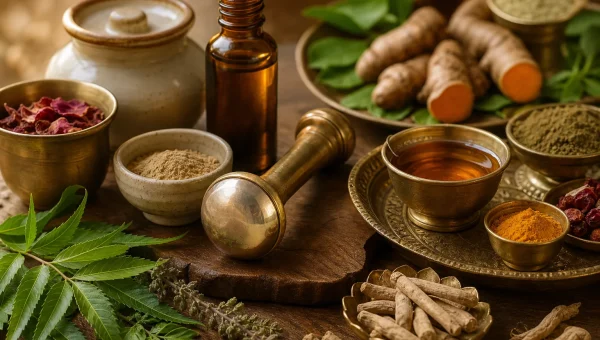
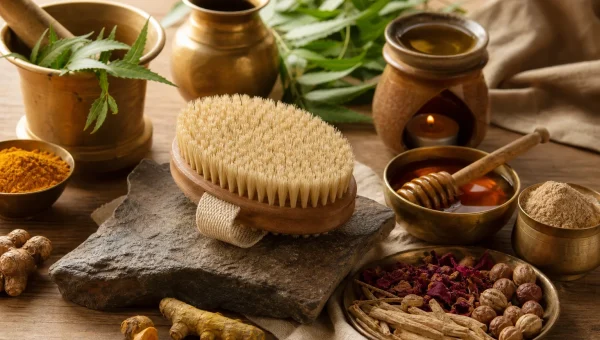
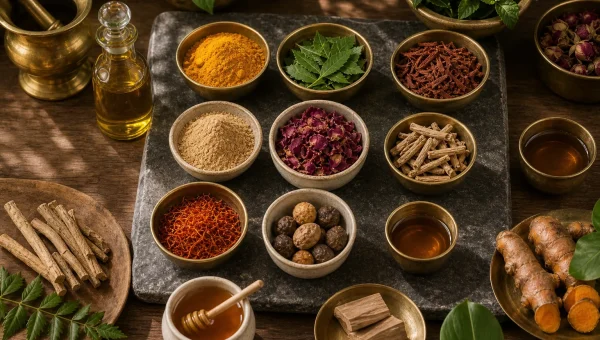
The contested sandalwood box estate story is one I fully understand. My grandmother’s three attars were the most argued-over items after her passing. The older one, a 12-year khas vetiver, had developed a depth that no modern version could touch. Scent memory is one of the most powerful forms of cultural inheritance.
the Deg-Bhapka distillation method described requires specialized equipment. what is the minimum home equivalent
Reading this later and the Perfumery advice still feels relevant. Would be useful to see a short checklist next.
The point about synthetic fragrances triggering Pitta aggravation through the olfactory-limbic pathway is consistent with what I have experienced personally. Commercial perfumes give me headaches and skin flushing. Natural attars, especially sandalwood and vetiver, have no such effect. The Ayurvedic explanation for why makes sense.
The therapeutic use of fragrance through the olfactory path affecting limbic function and endocrine response is well documented in aromatherapy research. The Ayurvedic framing of specific fragrances for specific dosha imbalances is an interesting overlay on that mechanistic base. Vetiver for Pitta cooling has research support through santalol and khusimol activity.
Made the simple rose water mist described in the article. Applied it before meditation and the difference in the meditative quality was not subtle. Whether that is pharmacological or psychological probably doesn’t matter as much as that it works. It has become part of my morning ritual.
I am a perfume enthusiast with a collection of both synthetic and natural fragrances. The natural attar tradition produces something categorically different from modern perfumery, both in complexity and in how the scent evolves on skin. The Kapha-lifting properties of citrus and spice attars are something any perfumer would recognize as the energizing register.
Is there a ready source for authentic undiluted attars in India? Most of what is sold as attar in tourist markets is either heavily diluted or synthetic. I want to try a genuine vetiver and rose for the Pitta-cooling protocol described here.
The claim that fragrance has therapeutic effect beyond the psychological should come with a reminder that essential oil safety for direct skin application is a real concern. Several traditional attars contain compounds that are photosensitizing or irritating in higher concentrations. The therapeutic window for natural fragrances is narrower than the article implies.
The ageing detail about your grandmother’s vetiver attar is fascinating. I have read that traditional hydro-distillation into sandalwood base allows attars to develop over years in a way no modern solvent extraction can replicate. Do you have a source for the sandalwood base that does not require importing? Finding genuine sandalwood oil at a price that makes home attar-making practical seems to be the main barrier for most people.
I loved the story about the sandalwood box and the vetiver attar that lasted fifteen years, it really shows how precious these oils can be.
My grandmother stored her attars in a cool dark corner of the house and they lasted decades. The article’s point about natural attars improving with age is something I can confirm. The older bottles were always more complex and more therapeutic than fresh ones. This is the opposite of most modern perfumes which degrade.
The therapeutic Dosha applications of specific aromatic compounds lack the evidence base that’s implied. Most aromatherapy research is on essential oils, not traditional steam-distilled Attars, and the two are pharmacologically different.
The differentiation between Sugandhi (pleasant aromatic), Vishagandhi (neutralizing unpleasant odors), and Gandha Nashanadi (eliminating pathogens through aroma) in classical texts is the therapeutic typology that gives Attar preparations clinical relevance beyond cosmetics.
is sandalwood attar safe to apply directly to skin or needs carrier oil
The Rose Attar preparation for Sadhaka Pitta (emotional heart Pitta) is classical. The documented anxiolytic and mood-stabilizing effects of Rosa damascena are consistent with the classical therapeutic application.
The section on Kapha-lifting attars for seasonal sluggishness is something I am going to experiment with. I have tried everything else for the February-March heaviness and nothing addresses it as directly as this suggests fragrance might. Starting with the camphor and eucalyptus combination first since those are available locally.
made the basic rose water and Sandalwood mist following this recipe. replaced my commercial perfume and my colleagues asked what I was wearing. completely natural 320
sourcing pure Attar versus diluted synthetic versions is very difficult without connections to authentic producers. article should give guidance on identifying authentic material 192
The advice around Perfumery is specific enough to be useful. This feels more usable than a long list of herbs.
sourcing pure Attar versus diluted synthetic versions is very difficult without connections to authentic producers. article should give guidance on identifying authentic material
the article mixes cosmetic perfumery with therapeutic aromatherapy without always being clear about which is which
most of the ingredients are very expensive especially good quality Attars. budget alternative recipe would help
Is the Divya Gandha (divine aroma) preparation described in classical texts the direct predecessor of modern Attar-making tradition, or is the Attar tradition more specifically from the Mughal-era synthesis of Indian and Persian perfumery?
The therapeutic aromatherapy claims in the article attribute specific neurological effects to Attar compounds without adequate human trial evidence. Rosewood Attar as a ‘Vata stabilizer’ requires more than anecdotal support.
can u make these body mists without an essential oil distiller? seems very specialized
How long should I let a homemade attar oil rest before I notice any difference in scent depth?
The classical Gandhayukta category of medicinal preparations demonstrates that aromatic compounds were considered pharmacologically active in classical Ayurveda, not merely olfactory pleasures.
the shelf life of homemade aromatic waters versus purchased Attars significant difference?
the Khus and rose water mist is now my travel companion. works for both skincare and calming on flights
the Khus (Vetiver) hydrosol body mist recipe in the article has become my summer essential. cooling effect is immediate and lasts 2-3 hours even in humid weather
The Gandha Shastra connection to Attar-making is something I’d never seen discussed in modern Ayurvedic writing. The therapeutic application of specific aromatic compounds via Nasya and skin absorption is distinct from aesthetic perfumery.
The Rose Attar preparation for Sadhaka Pitta (emotional heart Pitta) is classical. The documented anxiolytic and mood-stabilizing effects of Rosa damascena are consistent with the classical therapeutic application. 611
is sandalwood attar safe to apply directly to skin or needs carrier oil 118
The Perfumery angle is useful here. The timing advice is the part I would start with.
made the basic rose water and Sandalwood mist following this recipe. replaced my commercial perfume and my colleagues asked what I was wearing. completely natural
Is the Divya Gandha (divine aroma) preparation described in classical texts the direct predecessor of modern Attar-making tradition, or is the Attar tradition more specifically from the Mughal-era synthesis of Indian and Persian perfumery? 831
the shelf life of homemade aromatic waters versus purchased Attars significant difference? 525
the Khus and rose water mist is now my travel companion. works for both skincare and calming on flights 866
most of the ingredients are very expensive especially good quality Attars. budget alternative recipe would help Has anything changed about this advice recently?
The therapeutic Dosha applications of specific aromatic compounds lack the evidence base that’s implied. Most aromatherapy research is on essential oils, not traditional steam-distilled Attars, and the two are pharmacologically different. 864
can u make these body mists without an essential oil distiller? seems very specialized 528
the Deg-Bhapka distillation method described requires specialized equipment. what is the minimum home equivalent 386
the Khus (Vetiver) hydrosol body mist recipe in the article has become my summer essential. cooling effect is immediate and lasts 2-3 hours even in humid weather 687
The Gandha Shastra connection to Attar-making is something I’d never seen discussed in modern Ayurvedic writing. The therapeutic application of specific aromatic compounds via Nasya and skin absorption is distinct from aesthetic perfumery. 441
The classical Gandhayukta category of medicinal preparations demonstrates that aromatic compounds were considered pharmacologically active in classical Ayurveda, not merely olfactory pleasures. 557
The differentiation between Sugandhi (pleasant aromatic), Vishagandhi (neutralizing unpleasant odors), and Gandha Nashanadi (eliminating pathogens through aroma) in classical texts is the therapeutic typology that gives Attar preparations clinical relevance beyond cosmetics. 503
The therapeutic aromatherapy claims in the article attribute specific neurological effects to Attar compounds without adequate human trial evidence. Rosewood Attar as a ‘Vata stabilizer’ requires more than anecdotal support. 164
Good reminder on Perfumery. This feels more usable than a long list of herbs.
the article mixes cosmetic perfumery with therapeutic aromatherapy without always being clear about which is which 242
the article mixes cosmetic perfumery with therapeutic aromatherapy without always being clear about which is which 957
The differentiation between Sugandhi (pleasant aromatic), Vishagandhi (neutralizing unpleasant odors), and Gandha Nashanadi (eliminating pathogens through aroma) in classical texts is the therapeutic typology that gives Attar preparations clinical relevance beyond cosmetics. 773
is sandalwood attar safe to apply directly to skin or needs carrier oil Found this through a search.
can u make these body mists without an essential oil distiller? seems very specialized 570
Good reminder on Perfumery. Good starting point for a cautious reader.
made the basic rose water and Sandalwood mist following this recipe. replaced my commercial perfume and my colleagues asked what I was wearing. completely natural 720
The therapeutic aromatherapy claims in the article attribute specific neurological effects to Attar compounds without adequate human trial evidence. Rosewood Attar as a ‘Vata stabilizer’ requires more than anecdotal support. 436
the Deg-Bhapka distillation method described requires specialized equipment. what is the minimum home equivalent 209
most of the ingredients are very expensive especially good quality Attars. budget alternative recipe would help 267
The classical Gandhayukta category of medicinal preparations demonstrates that aromatic compounds were considered pharmacologically active in classical Ayurveda, not merely olfactory pleasures. 803
I wonder if the dosha balancing effects are as strong as the article suggests, since personal response to scent can vary so much.
I came for Perfumery and this answered the main question. I appreciate that it does not oversell the result.
The Gandha Shastra connection to Attar-making is something I’d never seen discussed in modern Ayurvedic writing. The therapeutic application of specific aromatic compounds via Nasya and skin absorption is distinct from aesthetic perfumery. 778
The therapeutic Dosha applications of specific aromatic compounds lack the evidence base that’s implied. Most aromatherapy research is on essential oils, not traditional steam-distilled Attars, and the two are pharmacologically different. 241
I came for Perfumery and this answered the main question. The main idea is clear even if someone is new to Ayurveda.
The recipe for a Vata balancing attar oil with sandalwood, vetiver, patchouli and rose seems straightforward enough to try with just a few essential oils.
the Khus and rose water mist is now my travel companion. works for both skincare and calming on flights 283
sourcing pure Attar versus diluted synthetic versions is very difficult without connections to authentic producers. article should give guidance on identifying authentic material 327
Is the Divya Gandha (divine aroma) preparation described in classical texts the direct predecessor of modern Attar-making tradition, or is the Attar tradition more specifically from the Mughal-era synthesis of Indian and Persian perfumery? 280
the shelf life of homemade aromatic waters versus purchased Attars significant difference? 999
I placed two drops of sandalwood oil on a cotton ball at my desk and felt calmer after an hour, so I’ll try adding it to my diffuser.
The Rose Attar preparation for Sadhaka Pitta (emotional heart Pitta) is classical. The documented anxiolytic and mood-stabilizing effects of Rosa damascena are consistent with the classical therapeutic application. 562
the Khus (Vetiver) hydrosol body mist recipe in the article has become my summer essential. cooling effect is immediate and lasts 2-3 hours even in humid weather 130
The therapeutic aromatherapy claims in the article attribute specific neurological effects to Attar compounds without adequate human trial evidence. Rosewood Attar as a ‘Vata stabilizer’ requires more than anecdotal support. Would appreciate any updates.
The Rose Attar preparation for Sadhaka Pitta (emotional heart Pitta) is classical. The documented anxiolytic and mood-stabilizing effects of Rosa damascena are consistent with the classical therapeutic application. 797
the Khus and rose water mist is now my travel companion. works for both skincare and calming on flights 334
The part about Perfumery feels realistic. I appreciate that it does not oversell the result.
is sandalwood attar safe to apply directly to skin or needs carrier oil 152
The part about Perfumery feels realistic. The article avoids making it sound like a quick fix.
made the basic rose water and Sandalwood mist following this recipe. replaced my commercial perfume and my colleagues asked what I was wearing. completely natural 491
The differentiation between Sugandhi (pleasant aromatic), Vishagandhi (neutralizing unpleasant odors), and Gandha Nashanadi (eliminating pathogens through aroma) in classical texts is the therapeutic typology that gives Attar preparations clinical relevance beyond cosmetics. 923
The classical Gandhayukta category of medicinal preparations demonstrates that aromatic compounds were considered pharmacologically active in classical Ayurveda, not merely olfactory pleasures. 151
sourcing pure Attar versus diluted synthetic versions is very difficult without connections to authentic producers. article should give guidance on identifying authentic material 508
Some traditional attars are produced with base carriers like animal fat or deer musk that are ethically and practically unavailable for most modern makers. The article describes traditional production methods without clearly differentiating what is replicable at home versus what requires historical materials.
the Deg-Bhapka distillation method described requires specialized equipment. what is the minimum home equivalent 605
most of the ingredients are very expensive especially good quality Attars. budget alternative recipe would help 817
can u make these body mists without an essential oil distiller? seems very specialized 992
The Gandha Shastra connection to Attar-making is something I’d never seen discussed in modern Ayurvedic writing. The therapeutic application of specific aromatic compounds via Nasya and skin absorption is distinct from aesthetic perfumery. 137
Is the Divya Gandha (divine aroma) preparation described in classical texts the direct predecessor of modern Attar-making tradition, or is the Attar tradition more specifically from the Mughal-era synthesis of Indian and Persian perfumery? 792
Reading this later and the Perfumery advice still feels relevant. The examples make the advice less abstract.
the shelf life of homemade aromatic waters versus purchased Attars significant difference? 468
The therapeutic Dosha applications of specific aromatic compounds lack the evidence base that’s implied. Most aromatherapy research is on essential oils, not traditional steam-distilled Attars, and the two are pharmacologically different. 460
the article mixes cosmetic perfumery with therapeutic aromatherapy without always being clear about which is which 432
can u make these body mists without an essential oil distiller? seems very specialized 558
the Khus (Vetiver) hydrosol body mist recipe in the article has become my summer essential. cooling effect is immediate and lasts 2-3 hours even in humid weather 859
Is the Divya Gandha (divine aroma) preparation described in classical texts the direct predecessor of modern Attar-making tradition, or is the Attar tradition more specifically from the Mughal-era synthesis of Indian and Persian perfumery? Has anything changed about this advice recently?
The differentiation between Sugandhi (pleasant aromatic), Vishagandhi (neutralizing unpleasant odors), and Gandha Nashanadi (eliminating pathogens through aroma) in classical texts is the therapeutic typology that gives Attar preparations clinical relevance beyond cosmetics. 663
the article mixes cosmetic perfumery with therapeutic aromatherapy without always being clear about which is which 582
most of the ingredients are very expensive especially good quality Attars. budget alternative recipe would help 644
the shelf life of homemade aromatic waters versus purchased Attars significant difference? 347
The classical Gandhayukta category of medicinal preparations demonstrates that aromatic compounds were considered pharmacologically active in classical Ayurveda, not merely olfactory pleasures. 981
The therapeutic Dosha applications of specific aromatic compounds lack the evidence base that’s implied. Most aromatherapy research is on essential oils, not traditional steam-distilled Attars, and the two are pharmacologically different. 822
is sandalwood attar safe to apply directly to skin or needs carrier oil 430
sourcing pure Attar versus diluted synthetic versions is very difficult without connections to authentic producers. article should give guidance on identifying authentic material 197
What is the practical method for making the hydrosols described as the intermediate step before full attar preparation? The article jumps from raw herb to finished attar without adequately covering the intermediate techniques that a home practitioner would need.