
Vulvar Varicosities in Pregnancy: Ayurvedic Sira Granthi Care
Vulvar varicosities during pregnancy are a common venous presentation arising from increased pelvic blood volume, hormonal relaxation of vessel walls, and mechanical pressure from the growing uterus. They typically resolve after childbirth in most cases but can cause significant discomfort during pregnancy.
Within Ayurveda, this condition is understood under the broader framework of Sira Granthi (venous dilation/nodular changes) and Garbhini Vyapad (pregnancy-associated disorders), where altered Apana Vayu and aggravated Pitta-Rakta in the pelvic region contribute to venous distension and discomfort.
Understanding Vulvar Varicosities: The Basic Picture
Vulvar varicosities are dilated veins of the vulvar region caused by increased venous pressure and reduced vascular tone during pregnancy. Symptoms include a sense of heaviness, visible bulging veins, aching after standing, and occasional burning sensations.
They are distinct from hemorrhoids though they share similar venous pressure mechanisms. Conventional care focuses on supportive measures such as compression garments, positional relief, and avoiding prolonged standing.
Ayurvedic Framework: Sira Granthi and Garbhini Dosha
In Ayurvedic physiology, proper venous return depends on balanced Vata functions, especially Apana Vayu. During pregnancy, downward pressure in the pelvic region can disturb Apana Vayu, contributing to venous congestion and dilation of Sira (channels).
Additionally, increased blood volume and metabolic heat can aggravate Pitta and Rakta, leading to localized warmth, mild inflammation, and burning sensations associated with venous distension.
The combined involvement of Vata and Pitta in Rakta dhatu explains the mixed presentation of heaviness, swelling, and irritation seen in vulvar varicosities.
Why External Therapies Take Priority in Pregnancy
Classical Garbhini Paricharya emphasizes gentle, safe, and supportive interventions during pregnancy. External therapies are prioritized because they act locally without significant systemic absorption, making them suitable for pregnancy care when appropriately applied.
For venous discomfort, Ayurveda traditionally recommends cooling, astringent, and externally applied formulations along with dietary and positional support. Any internal herbal use during pregnancy must be supervised by a qualified practitioner familiar with pregnancy protocols.
Cooling Lepam for Pitta-Rakta Relief
Lepam (herbal paste application) is used to provide localized cooling and astringent support in inflamed or congested venous conditions of Pitta-Rakta origin.
Classical Cooling Lepam Formula
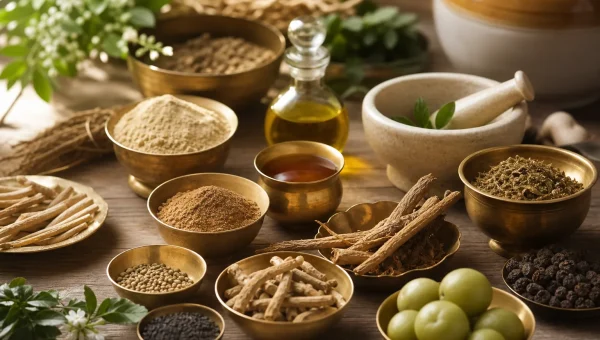
- Chandan (Santalum album): Cooling, Pitta-shamak, supports reduction of local heat and irritation.
- Lodhra (Symplocos racemosa): Astringent, supports toning of soft tissues and vascular structures.
- Yashtimadhu (Glycyrrhiza glabra): Soothing and demulcent, reduces local irritation.
- Cold rose water or coconut water: Used as a base for cooling effect.
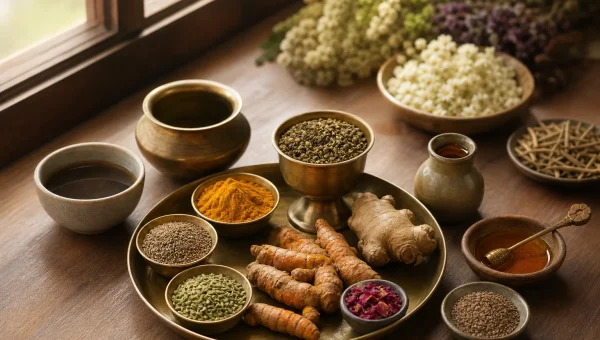
Preparation: Mix powders with cold rose water or coconut water to form a smooth paste. Apply externally over the vulvar region using clean gauze. Leave for 15–20 minutes and rinse gently with cool water. Use twice daily if comfortable.
This application supports cooling of Pitta and soothing of localized venous irritation without systemic effects.
Supportive Herbs in Pregnancy Context
Only mild and traditionally accepted herbs are considered in pregnancy, and even then with caution and individualized guidance. The focus remains on nourishing and cooling rather than strong pharmacological action.
| Herb | Form and Dose | Traditional Role | Pregnancy Consideration |
|---|---|---|---|
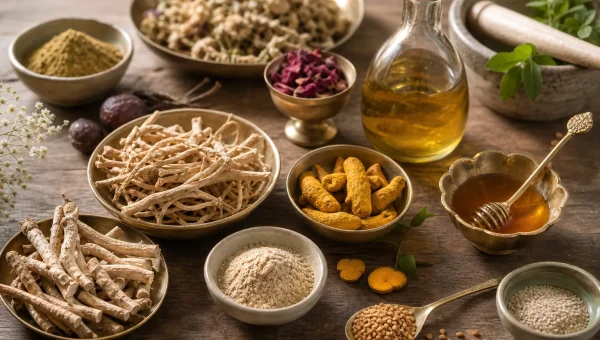
| Amalaki (Emblica officinalis) | 1 tsp powder in warm water | Rakta support, cooling, antioxidant | Generally used in food-like amounts |
| Guduchi (Tinospora cordifolia) | Low-dose extract under supervision | Pitta-Rakta balancing, immune support | Use only under practitioner guidance |
| Shatavari (Asparagus racemosus) | Low to moderate dose powder | Rasa dhatu nourishment, reproductive support | Traditionally used in pregnancy with caution on dosage |
| Lodhra (Symplocos racemosa) | External use only | Tissue toning and astringent action | Preferred externally during pregnancy |
Dietary Modifications to Support Rakta and Vessel Health
Diet plays a central role in balancing Pitta-Rakta and supporting vascular integrity during pregnancy.
Increase: Coconut water, pomegranate, leafy greens, coriander seed infusion, and hydrating foods that naturally cool Pitta and support circulation.
Reduce: Excessively spicy foods, overly salty items, processed foods, and deep-fried meals that aggravate Pitta and contribute to fluid imbalance.
Supportive addition: Amalaki with coconut water may be included as a cooling and nourishing combination that supports Rakta dhatu and connective tissue integrity.
Positioning and Physical Management
Proper positioning is important for reducing pelvic venous pressure during pregnancy.
Left-side lying: Traditionally recommended to support venous return by reducing pressure on major abdominal vessels and improving pelvic circulation.
Elevated hips: Gentle elevation of hips during rest supports venous drainage from the pelvic region.
Gentle movement: Short, frequent walks support calf muscle pump activity, improving venous return compared to prolonged standing or sitting.
Breathing practices: Slow diaphragmatic breathing supports relaxation of pelvic pressure and Vata balance.
Cold Water Prakshalana
Prakshalana involves gentle cleansing or irrigation using cool water for local soothing effects. In this context, cool water rinsing of the vulvar area may help reduce discomfort and local heat sensation.
Triphala-infused cooled water may also be used externally for its mild astringent properties. This practice aligns with traditional external cooling approaches for Pitta-related conditions.
When to Seek Immediate Medical Attention
- Sudden severe pain in vulvar veins
- Bleeding from affected veins
- Rapid skin color change over swelling
- One-sided significant swelling or asymmetry
- Fever with localized pain or inflammation
While vulvar varicosities are generally benign, complications such as thrombosis require urgent medical evaluation.
Postpartum Recovery
After delivery, vulvar varicosities usually regress as venous pressure normalizes. In most cases, significant improvement occurs within weeks of childbirth.
Mild supportive therapies such as Lodhra-based external applications and gentle digestive tonics like Triphala may be used postpartum under guidance to support tissue recovery and Vata balance.
Recurrence in subsequent pregnancies is possible, and preventive care focusing on diet, movement, and pelvic support may reduce severity.
A Word of Solidarity
Pregnancy-related venous changes such as vulvar varicosities are often under-discussed despite being relatively common. Although medically benign in most cases, they can significantly affect comfort and quality of life. Supportive care that integrates traditional Ayurvedic principles with safe modern practices can help manage symptoms effectively during pregnancy.
Medical Disclaimer: This content is for educational purposes only. Pregnancy care should always be guided by a qualified obstetrician and an experienced Ayurvedic practitioner. Any herbal or external therapy during pregnancy should be used only after professional consultation. Seek immediate medical attention for severe pain, bleeding, or signs of vascular complications.
Thank you for writing about this. I had the exact same experience in my second pregnancy — three weeks of anxiety before anyone named it. The section on Sira Granthi and impaired Vyana Vayu circulation actually gave me a framework to understand what was happening.
That section-by-section match sounds reassuring honestly. Did the cooling external applications help you at all alongside the internal herbs? That part of the article seemed promising but I wasn’t sure how to practically apply it during pregnancy.
I was really glad the article covered the pressure and heaviness side of Sira Granthi in pregnancy. Was wondering though if the recommended positioning — lying on the left side — is meant only for relief or is it considered part of the treatment?
First pregnancy here and this condition caught me completely off guard. The article mentions avoiding prolonged standing, but does anyone know if the Triphala compress described is safe to use from the second trimester onward?
Doing this.
Something I appreciated here is the acknowledgment that this condition is rarely discussed despite being so common. My midwife mentioned the 10-20% figure almost as an afterthought, but this article is the first place I found any real guidance on managing it.
It’s surprising how common vulvar varicosities are yet so rarely talked about in prenatal classes.
The description of venous pooling as a Vyana Vayu imbalance was new to me. Does the article’s recommendation of warm sesame oil application hold even in the third trimester, or is cooler oil preferred at that stage?
Has anyone tried the cooling lepa with sandalwood and lodhra for the burning sensation?
Same here.
Good one.
One thing I’d love to see addressed is whether the Ayurvedic approach here can be combined safely with a compression garment. My OB recommended the garment but I’m also trying to follow the herbal support mentioned in the article.
Makes sense.
The advice about left side lying makes sense; I noticed less pressure when I slept that way during my last pregnancy.
I appreciated the clear distinction between vulvar varicosities and hemorrhoids; it helped me understand why my symptoms felt different.
Using a peri bottle with cool water sounds like a simple habit that could bring relief throughout the day.
The part about Apana Vayu being central to both delivery preparation and this condition was eye-opening. Had never thought about why varicosities show up more often in the second and third pregnancies but the cumulative Vata explanation makes sense.
Good article but I was hoping for more guidance on how long the herbal compress routine needs to continue before you’d expect any noticeable relief. During pregnancy especially, knowing a rough timeline would really help with expectations.
The section on dietary tweaks reminded me to add more coconut water and leafy greens to my routine.
I had this in my first pregnancy and just found out I’m expecting again. The article mentions dietary recommendations for Pitta-Kapha types but I’m predominantly Vata — would the same cooling, grounding approach apply or is there a different emphasis?
I wonder if the amalaki powder mixed in coconut water would be safe to try in the second trimester.
Reading this late in my third trimester and wishing I had found it sooner. The Triphala Ghrita recommendation is something I’m going to ask my vaidya about for postpartum care since the article suggests it helps with tissue recovery after delivery too.
Reading about sira granthi gave me a new perspective on how Ayurveda views venous changes in pregnancy.
The reassurance that most cases resolve within six weeks postpartum eased my anxiety about the third trimester discomfort.
Useful info.
I found the warning signs for seeking medical attention especially useful; knowing what to watch for feels empowering.
Glad this article exists because the condition is so stigmatized that most women don’t even mention it to their doctors. The explanation of how repeated pregnancies increase Sira Granthi risk due to progressive Vata accumulation was particularly useful.
Found this when I was researching Sira in Ayurvedic anatomy and wasn’t expecting an article this thorough on pregnancy varicosities. The emphasis on regulating Apana Vayu through posture and diet rather than just topical treatment is a perspective I hadn’t come across.
The article does a good job explaining why the condition worsens as pregnancy progresses. I’m curious whether the recommended herbs like Punarnava are safe across all three trimesters or if they’re intended only for a specific window.
Practicing gentle diaphragmatic breathing instead of aggressive kegels during a flare seems like a practical tip worth trying.
The emphasis on external therapies only during pregnancy aligns with what I’ve heard about avoiding strong internal herbs.
It’s helpful to know that lodhra can be used externally for vessel toning without systemic concerns.
Will try! 🙌
I’m curious whether the pomegranate juice recommendation has made a noticeable difference for anyone dealing with itching.
Thanks! 💯
The practical positioning tip of elevating the hips with a pillow gave me immediate relief from the aching pressure.
The postpartum section is what I was hoping to find. My varicosities resolved after my first delivery but I’m pregnant again and want to be more proactive this time. Would the Basti protocols mentioned be appropriate to start in the second trimester as a preventive measure?