
Three years ago, I committed to eating a strictly Sattvic diet for 30 days. Not because a teacher told me to, but because I was tired of feeling mentally foggy by 2 PM despite eating “healthy” by modern standards. What happened over those 30 days changed how I think about food permanently. But the Sattvic diet is easier to misunderstand than it is to romanticize, so let’s be clear about what it is before talking about what it is not.
What Makes Food Sattvic: It Is Not Just “Vegetarian”
The biggest misconception is that Sattvic simply means vegetarian. A Sattvic diet is usually vegetarian in practice, but not every vegetarian meal is Sattvic. A plate of stale leftovers, deep-fried snacks, very sour pickles, excess chili, or food eaten distractedly may be vegetarian while still moving away from the light, clear, freshly prepared quality that Sattvic eating aims for. In the Bhagavad Gita, Chapter 17, verses 8–10, food is described through the three gunas: sattva, rajas, and tamas.
Sattvic food is described as life-supporting, strength-giving, health-promoting, pleasing, nourishing, juicy, and wholesome. In practical kitchen terms, it means fresh, clean, simple, mildly seasoned, easy to digest, and eaten with a calm mind.
Rajasic food is described as excessively bitter, sour, salty, hot, pungent, dry, or burning. Strong stimulants and highly spiced meals belong here in many yogic and Ayurvedic lineages because they can intensify restlessness and agitation.
Tamasic food is described as stale, tasteless, putrid, decomposed, leftover, or unclean. In a modern kitchen, this points toward long-kept food, repeatedly reheated meals, old leftovers, heavy fried food, alcohol, and highly processed foods. Onion, garlic, mushrooms, meat, fish, and eggs are also avoided in many strict Sattvic traditions, though classifications can vary by lineage.
For a 30-day experiment, the most important practical rule is freshness. A bowl of freshly cooked rice and mung dal is closer to the Sattvic spirit than an elaborate “organic” meal that has been sitting in the refrigerator for two days. Charaka Samhita’s food guidelines also emphasize warm, freshly cooked food, proper quantity, eating after the previous meal is digested, and eating with attention rather than distraction.
The Complete Sattvic Food List
This list is a practical, household-friendly guide rather than a rigid universal law. Sattvic eating changes slightly by region, season, digestive strength, constitution, and lineage. When in doubt, choose food that is fresh, seasonal, mildly cooked, cleanly prepared, moderate in spice, and comfortable to digest.
| Category | Sattvic Foods | Avoid or Limit in Strict Sattvic Practice |
|---|---|---|
| Grains | Basmati rice, hand-pounded rice, whole wheat, barley, oats, millets, amaranth, quinoa | Refined flour products, stale bread, packaged bakery foods, heavily processed cereals |
| Legumes | Mung dal, yellow split mung, red lentils, well-cooked lentils, fresh sprouts when suitable | Poorly cooked beans, very heavy legumes at night, habitual black gram if digestion is weak |
| Dairy | Fresh warm milk if tolerated, ghee, fresh paneer, fresh mild yogurt or thin lassi when suitable | Aged cheese, sour curd, old refrigerated dairy, sweetened commercial dairy desserts |
| Sweeteners | Raw honey added only after food has cooled, jaggery, dates, raisins, rock sugar (Mishri) | Heated honey, refined sugar in excess, artificial sweeteners, packaged sweets |
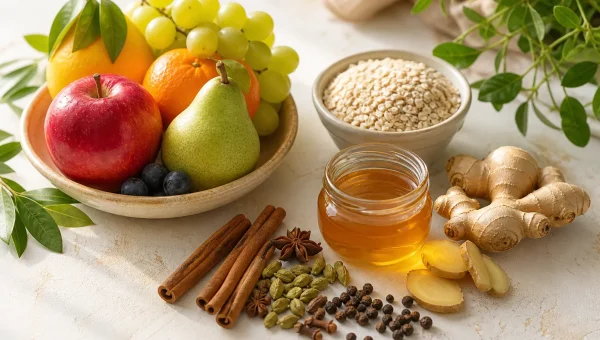
| Fruits | Ripe seasonal fruits such as mango, pomegranate, grapes, figs, dates, coconut, apples, bananas | Unripe, very sour, fermented, canned, or syrup-preserved fruits |
| Vegetables | Bottle gourd, ash gourd, pumpkin, sweet potato, carrots, cucumber, spinach, tender greens, seasonal mild vegetables | Onion, garlic, mushrooms, very hot peppers, excessive sour pickles, stale cooked vegetables |
| Spices | Turmeric, cumin, coriander, fennel, cardamom, saffron, cinnamon, small amounts of fresh ginger | Excess red chili, very pungent spice blends, excess mustard, excess asafoetida |
| Fats | Ghee, fresh sesame oil, coconut oil, small amounts of cold-pressed oils suited to constitution | Refined oils, margarine, repeatedly heated oil, deep-fried fats |
| Drinks | Warm water, non-caffeinated herbal teas, fresh coconut water, warm milk with Mishri | Coffee, strong black tea, alcohol, fizzy drinks, iced drinks, packaged sugary beverages |
My 30-Day Sattvic Challenge: The Honest Report
Days 1 through 5 were genuinely difficult. I missed coffee. I missed garlic. I missed the intense flavor punch of my usual cooking. The food felt plain, and I was irritable. That did not mean the food was failing; it meant my palate was used to stimulation.
By day 8, something shifted. I started noticing subtle flavors I had been bulldozing with spice: the sweetness of a well-cooked carrot, the nuttiness of freshly made ghee, the clean comfort of rice and mung dal. My morning meditation was easier to settle into because I was not beginning the day with caffeine and a heavy flavor load.
By day 15, the afternoon fog was gone in my own experience. The most realistic explanation is not that Sattvic food is a magic cure, but that the whole routine had changed: fresh meals, no coffee, fewer packaged foods, lighter dinners, warm food, steady mealtimes, and fewer distractions while eating.
Day 30 was the clearest contrast. I reintroduced coffee and felt the familiar buzzy, scattered energy within the hour. I did not stay fully Sattvic every day after that, but I now use Sattvic meals as my default during work-heavy weeks, meditation periods, and times when I want steady energy rather than stimulation.
3-Day Sattvic Meal Plan with Recipes
This plan keeps the original spirit of Sattvic eating: fresh, warm, simple, nourishing, and mild. Adjust portions, grains, dairy, and spices according to your appetite, constitution, season, and medical needs.
Day 1
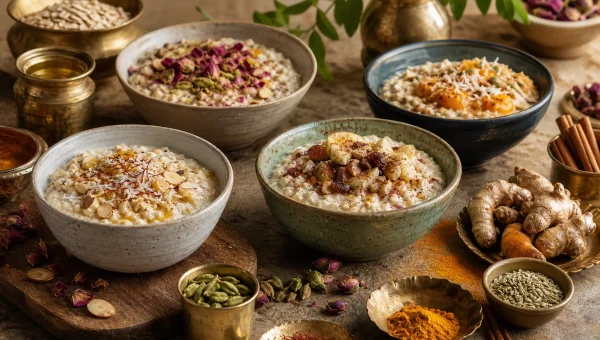
Breakfast (7:00 AM): Warm spiced oats with ghee
Cook 1/2 cup rolled oats in 1 1/2 cups water with a pinch of cardamom and a small pinch of cinnamon. When soft, stir in 1 teaspoon ghee, 5–6 raisins, and 1 teaspoon Mishri. Top with 4–5 almonds soaked overnight and peeled. This takes about 10 minutes and is gentle enough for most mornings.
Lunch (12:00 PM): Mung dal khichdi with seasonal vegetables
Wash 1/2 cup basmati rice and 1/4 cup split mung dal. Warm 1 tablespoon ghee and add 1/2 teaspoon cumin. Add diced carrot, chopped spinach or bottle gourd, and a pinch of turmeric. Add the rice and dal with about 3 cups water and a small amount of rock salt. Pressure cook until soft, or simmer covered until porridge-like. Finish with fresh coriander and a little ghee. Keep lemon optional, especially if you are following a very strict low-sour Sattvic practice.
Dinner (6:30 PM): Mung soup with chapati
Cook 1/4 cup mung dal or whole mung until completely soft. Blend lightly if desired. Temper with 1 teaspoon ghee, cumin, and a pinch of turmeric. Serve with 1–2 fresh whole wheat chapatis. Keep dinner lighter than lunch.
Day 2
Breakfast: Fresh fruit bowl with soaked almonds
Combine banana, pomegranate, apple, or another ripe seasonal fruit. Top with 6–8 peeled soaked almonds, a little cardamom, and a small drizzle of raw honey only after plating. Do not heat honey or stir it into hot food.
Lunch: Bottle gourd (Lauki) sabzi with rice
Peel and cube 2 cups bottle gourd. Warm 1 tablespoon ghee, add cumin and a small amount of coriander powder, then add the gourd, turmeric, and rock salt. Cover and cook on low until tender. Serve with plain basmati rice and fresh coriander. This is mild, hydrating, and suitable for a simple Sattvic lunch.
Dinner: Sweet potato soup
Steam or roast 1 sweet potato until soft. Blend with warm water or warm milk if tolerated, a small pinch of cardamom or nutmeg, and a little ghee. Heat gently without boiling hard. Keep the texture soft and soup-like rather than heavy.
Day 3
Breakfast: Semolina (Suji) upma
Dry roast 1/2 cup semolina until fragrant. In another pan, warm 1 teaspoon ghee and add cumin or a very small amount of mustard seed if your lineage allows it. Add mild vegetables such as carrot or peas, then water, salt, and a pinch of turmeric. Stir in the roasted semolina and cook until soft. Finish with fresh coriander.
Lunch: Red lentil (Masoor) dal with steamed vegetables
Cook 1/2 cup red lentils with turmeric until soft. Add a simple tempering of ghee and cumin. Serve with steamed carrots, green beans, or seasonal vegetables tossed with a little ghee and rock salt. Keep the spices mild and the dal fully cooked.
Dinner: Warm milk with saffron and Mishri
Warm 1 cup milk with 3–5 strands of saffron and a pinch of cardamom. Add Mishri after warming. This can be a light evening option for people who tolerate milk well. If you need more food, add a small bowl of freshly cooked rice gruel or a ripe seasonal fruit rather than a heavy late meal.
Why Sattvic Food Supports Retreats and Spiritual Practice
Sattvic food is used in many yoga, meditation, and Ayurvedic retreat settings because it is simple, vegetarian, mild, and easy to digest. During internal practices, the aim is not to excite the senses with strong stimulation or dull the body with heavy food. The meal becomes part of the practice: clean ingredients, calm preparation, moderate quantity, and mindful eating.
Ayurvedic thought treats food, digestion, and mental state as closely connected. Charaka Samhita describes that even wholesome food may not digest properly when the mind is disturbed by grief, fear, anger, anxiety, or restless distraction. This is why a Sattvic plate is not only about ingredients. It is also about time, place, freshness, attention, and the state of mind in which the food is prepared and eaten.
Practical Tips for Getting Started
You do not need to overhaul everything at once. Start with a small number of rules that you can actually follow, then observe how your body and mind respond over 10–14 days.
- Cook fresh whenever possible, especially for lunch and dinner.
- Choose warm, freshly prepared meals over cold, stale, or repeatedly reheated food.
- Replace coffee with warm water, cumin-fennel-coriander tea, or Tulsi tea for one week.
- Reduce onion, garlic, excess chili, and very sour foods gradually if quitting overnight feels difficult.
- Use ghee moderately, such as 1–2 teaspoons in a meal, if it suits your digestion.
- Eat the main meal at lunch and keep dinner lighter and earlier.
- Sit down, avoid screens, chew properly, and eat without rushing.
- Stop before heaviness; Sattvic eating is as much about quantity as it is about ingredients.
Give it at least 10 days before judging. The first week is often a palate reset. The clearer benefits, such as steadier energy, calmer digestion, and easier concentration, tend to become more noticeable once the routine is consistent. If you slip with coffee or spicy food, simply return to the next fresh meal. This is not about perfection. It is about learning what different foods do to your body, digestion, and mind, then choosing with more awareness.
Nothing in this article diagnoses, treats, or cures a medical condition. Use it as educational information and consult a qualified Ayurvedic practitioner or healthcare provider before starting herbs, supplements, detoxes, restrictive diets, or therapeutic protocols, especially if pregnant, breastfeeding, managing a medical condition, recovering from an eating disorder, or taking medication.
References
- Vedabase (vedabase.io)
- Vedabase (vedabase.io)
- Vedabase (vedabase.io)
- Holy-bhagavad-gita (holy-bhagavad-gita.org)
- Healthline (healthline.com)
- Charaka Samhita — Ahara vidhi
- Studies on the physicochemical characteristics of heated honey, honey mixed with ghee and their food consumption pattern by rats (2010), PubMed Central
- Ayuryoga-ashram (ayuryoga-ashram.com)
- Mdpi (mdpi.com)
- Diet and the Microbiota-Gut-Brain Axis: Sowing the Seeds of Good Mental Health (2021), PubMed
- Hopkinsmedicine (hopkinsmedicine.org)

Been using sattvic for about 3 months now and the difference in how I feel is real. My practitioner said the same things this article covers so good to have it spelled out.
This helped me understand The Sattvic Diet without too much jargon. The main idea is clear even if someone is new to Ayurveda.
Our family follows a Jain diet which has significant overlap with Sattvic principles and the mental calmness described here matches what my grandmother attributes to decades of clean eating. The philosophical grounding in Trigunas is different from the Jain reasoning but the dietary rules converge.
The Tamasic food category includes stale, overripe, and processed food. That’s actually decent nutritional advice independent of the three-Gunas framework. I’m more skeptical of the meat restriction on Sattvic grounds but the freshness principle is universal.
I’ve been eating largely Sattvic for two years and my sleep quality has improved more than anything else I’ve tried. Whether it’s the diet or the mindfulness of preparation I’m not sure. The article is right that both matter.
This helped me understand The Sattvic Diet without too much jargon. Good starting point for a cautious reader.
The cooking with love concept mentioned here is something my mother would say is not mystical at all. She believes rushed or angry cooking affects the food and she’s not the only one in my family who holds this view. Whether there’s a mechanism or not, the ritual of mindful preparation probably affects how you eat.
The Rajasic food list includes many things considered healthy in Western nutrition, coffee, certain spices, stimulating foods. Is Rajasic food inherently bad or is it context dependent? A person needing alertness and activity might benefit from moderate Rajasic foods.
What surprised me most was learning that Sattvic isn’t just about being vegetarian.
Not the author! My name creates confusion. The Sattva-Rajas-Tamas framework is genuinely ancient and not invented by the famous author. The dietary application goes back to Charaka Samhita. Good to see it explained without the celebrity association.
Can someone explain why freshly cooked dal ranks higher than an elaborate organic meal that’s been refrigerated?
The Sattvic diet as described is essentially a plant-based whole-food diet with attention to freshness and mindful preparation. Removing the Sanskrit framing it’s not far from what integrative nutritionists recommend. The traditional rationale adds philosophical depth without changing the practical guidance much.
The distinction between Rajasic and Tamasic foods makes me rethink my afternoon snack habit.
The The Sattvic Diet section feels grounded enough to try carefully. I would still ask a practitioner before changing medicines.
I appreciate the practical tip about eating the largest meal at lunch; it fits my schedule better.
It’s interesting that the article cites both ancient texts and recent studies to support the claims.
The article makes it sound straightforward but finding a qualified Ayurvedic practitioner who can actually assess dosha properly is not easy outside major cities.
The mention of Brahmi and Shankhapushpi as tea additions during retreats caught my attention.
I wonder if the mental fog lift described after two weeks is typical for most people.
Seeing the sample meal plan made me realize how simple Sattvic cooking can be without sacrificing flavor.
The advice to replace coffee with Tulsi tea for a week seems like a manageable first step.
Three generations in my family have used moringa and seeing it explained here with modern context is great.
My gym trainer uses moringa for recovery and recommended it to me. The 500mg twice a day dose for this purpose is different from the stress-use dose.
The way this article explains boswellia bioavailability with fat versus water is something I haven’t seen in shorter write-ups.
My interest in Ayurveda started after a trip to Kerala 2 years ago. Still building my knowledge base with articles like this. 🙌
The The Sattvic Diet section feels grounded enough to try carefully. This feels more usable than a long list of herbs.
Exactly what I was thinking. Same results on my end after about 4 weeks.
The immune-modulating properties of turmeric are relevant beyond seasonal illness. I’ve been using it post-COVID recovery and the fatigue is lifting.
this is helpful but dose seems high for me. started with half and its fine ✨
My trainer recommended amalaki for recovery after workouts. Using it for 3 weeks now and soreness does seem less intense.
I buy from a small Ayurvedic pharmacy near me rather than online. Better quality control and the owner actually knows the herbs.
My dermatologist was surprised by my skin improvement at the last visit. I credit the trikatu protocol partially alongside the dietary changes.
been meaning to try ashwagandha properly. the KSM66 type specifically
The The Sattvic Diet angle is useful here. The practical details matter more than people think.
I was told my hair thinning might be constitutionally driven. The Vata-pacifying protocol has been more effective than the generic one I tried first.
The The Sattvic Diet angle is useful here. This is the kind of detail readers can test slowly.
Found a clinical trial on PubMed testing exactly the dose mentioned here. N was small but the results were consistent with my personal experience.
I tried this for my immunity and had mild side effects the first week. They went away but the article should mention this is possible.
The note about Kapha aggravation during spring with heavy herbs is practical. Had to reduce my shatavari dose during Holi season this year.
Good reminder on The Sattvic Diet. This feels more usable than a long list of herbs.
The note about Kapha aggravation during spring with heavy herbs is practical. Had to reduce my ginger root dose during Holi season this year.
Been taking amla for about 6 weeks now and honestly my PCOS has improved quite a bit. Wasn’t expecting this much difference.
Been experimenting with ginger for my liver for about a month. Still early days but the bloating is slightly less.
I came for The Sattvic Diet and this answered the main question. This feels more usable than a long list of herbs.