
I ignored the seasonal transition for eleven straight years. Early September would arrive, summer heat would fade, the first cool nights would begin, and I would keep eating the same food, training the same way, and sleeping the same schedule I had since June. By October, I was often not dramatically sick, but steadily depleted: headaches, stiffness, skin flare-ups, unsettled digestion, and the kind of fatigue that makes you feel as if you are running on 70% capacity. My Ayurveda teacher, when I finally described the pattern, looked completely unsurprised. “Your body is transitioning,” he said, “but your habits are not.”
That conversation led me to my first deliberate Ritu Sandhi reset: a practical 14-day bridge based on the Ayurvedic teaching that the last seven days of one season and the first seven days of the next should be handled gradually. For people who experience the year as “summer moving into autumn,” the closest classical Ayurvedic frame is the late rainy-season-to-autumn transition, or Varsha to Sharad. This is the complete reset I now use for that shift: cooling enough to manage autumnal Pitta, grounding enough to protect against dryness and Vata, and gentle enough for real life.
Why the Late-Summer-to-Autumn Transition Needs Care
Ayurveda divides the year into six seasons: Shishira (late winter), Vasanta (spring), Grishma (summer), Varsha (rainy season), Sharad (autumn), and Hemanta (early winter). Classical texts also group the seasons into Adana Kala, the drying northern course of the year, and Visarga Kala, the nourishing southern course. In the Indian seasonal model, Varsha runs approximately from mid-July to mid-September, and Sharad from mid-September to mid-November.
The key Ayurvedic point is not that the calendar date itself is magical, but that the body needs gradual adaptation when the dominant qualities of weather, food, digestion, sleep, and activity change. Ritu Sandhi is described as the last seven days of the outgoing season and the first seven days of the incoming season. During this period, the previous season’s regimen is reduced gradually and the next season’s regimen is introduced gradually, because sudden change can produce disorders of non-habituation, or Asatmya.
The autumn transition is especially important because Pitta is classically said to accumulate during Varsha and become aggravated in Sharad. Charaka describes the body as having adapted to rain and coolness, then suddenly meeting clearer solar heat at the beginning of autumn. The autumn regimen is therefore built around foods and practices that are sweet, light, cooling, bitter, and Pitta-pacifying, while avoiding excessive sun, curd, heavy fats, strong alcohol, excessive salt, alkalis, and day sleep.
When this transition is ignored, the classical pattern is not limited to one symptom. A Pitta-heavy autumn may show as heat, burning sensations, acidity, loose stools, skin irritation, eye irritation, anger, disturbed sleep, or inflammatory tendencies. When the remaining Vata disturbance of the rainy season is also present, dryness, stiffness, variable appetite, anxiety, and irregular elimination may appear alongside the heat. The reset below addresses both sides: first settling digestion and Pitta, then stabilizing Vata.
The 14-Day Ritu Sandhi Reset: Phase by Phase
This protocol is an applied seasonal routine, not a substitute for individualized treatment. It follows the classical 7+7 principle of Ritu Sandhi and the Sharad Ritucharya emphasis on Pitta pacification. Use it as a gentle seasonal framework, and take stronger cleansing measures only with a qualified Ayurvedic practitioner.
Days 1-3: The Digestive Reset
The first three days are for reducing overload without shocking the system. Autumn does not call for harsh fasting in most people, especially if there is dryness, weakness, anxiety, or variable appetite. Instead, keep food warm, simple, moist, and easy to digest: rice gruel, thin mung soup, soft khichdi, lightly cooked vegetables, and warm water or spice-free herbal infusions. Eat only when genuinely hungry, and stop before heaviness appears.
Simple food structure: breakfast may be skipped only if there is no hunger; otherwise take thin rice gruel or stewed fruit. Lunch should be the main meal, such as soft mung-rice khichdi with a little ghee. Dinner should be lighter than lunch, such as soup, gruel, or a small portion of khichdi. Avoid raw salads, fried food, curd, alcohol, vinegar-heavy foods, and very spicy meals during these three days.
Gentle bowel support: Triphala may be used at bedtime with warm water when it is already suitable for the person. It is traditionally used as a digestive and bowel-supporting formula, but it can loosen stools in sensitive people. If stools are already loose, if there is pregnancy, dehydration, acute illness, or active bowel disease, skip it unless prescribed.
About Virechana: Classical autumn regimen includes Virechana, or purgation therapy, for aggravated Pitta. This belongs under professional supervision. Do not self-administer castor oil or any strong purgative as a seasonal “hack.” Castor oil is a stimulant laxative and is inappropriate in pregnancy, suspected intestinal obstruction, appendicitis-like abdominal pain, inflammatory bowel conditions, dehydration, frailty, and several other situations.
Days 4-7: The Pitta-Cooling Phase
Once the digestive load has been lightened, the next four days focus on cooling and clearing Pitta without creating more dryness. This is the period for bitter, sweet, and mildly astringent tastes; calm routines; evening moonlight or cool fresh air when available; and simple herbs selected by constitution, season, and medical history.
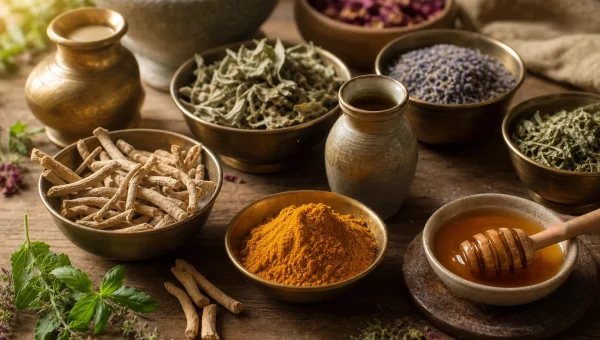
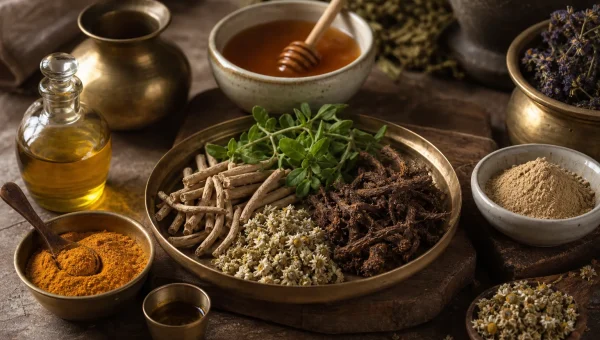
| Herb | Latin Name | Seasonal Use | Common Classical Form | Important Caution |
|---|---|---|---|---|
| Guduchi | Tinospora cordifolia | Used in Ayurveda for feverish, Pitta-associated, skin, metabolic, and inflammatory patterns; suitable when heat and depletion coexist. | Stem powder or decoction as directed by a practitioner. | Avoid self-prescribing in autoimmune disease, liver disease, pregnancy, or when taking regular medicines. |
| Amalaki | Phyllanthus emblica | A cooling Rasayana used for Pitta conditions such as burning, acidity, and blood-Pitta tendencies. | Fruit powder, fresh fruit, or classical formulations such as Triphala or Chyavanaprasha when suitable. | Use carefully if there is very cold digestion, loose stools, or sensitivity to sour taste. |
| Shatavari | Asparagus racemosus | Useful where Pitta heat is accompanied by dryness, tissue depletion, irritability, or Vata aggravation. | Root powder, milk preparation, or ghee-based preparation as directed. | May not suit heavy Kapha, poor digestion, or certain hormone-sensitive conditions without guidance. |
| Yashtimadhu | Glycyrrhiza glabra | Sweet, cooling, Vata-Pitta pacifying herb used for irritated mucosa, throat, voice, and Pitta-associated dryness. | Root powder or decoction as directed. | Licorice can raise blood pressure and lower potassium; avoid unsupervised use in hypertension, kidney or heart disease, pregnancy, and with diuretics or corticosteroids. |
| Nimba | Azadirachta indica | Bitter herb traditionally used in Pitta-Kapha skin and blood-associated patterns. | Leaf preparation or classical formula as directed. | Too bitter and drying for many Vata types; avoid during pregnancy and do not use long term without supervision. |
During these four days, keep the food cooling but not cold. Favor cooked rice, mung dal, bottle gourd, ridge gourd, ash gourd, bitter gourd in moderation, coriander, fennel, small amounts of ghee, and room-temperature or warm water. Avoid chilled drinks because they may feel cooling at the tongue while weakening digestion and increasing Vata.
Days 8-11: The Vata-Stabilizing Phase
By the second week, the reset shifts from “cool and clear” to “ground and nourish.” This is where many people make a mistake: they continue cold summer habits too long. Once heat, acidity, and skin irritation are calmer, autumn dryness has to be answered with warmth, oiliness, routine, and steadiness.
Abhyanga transition: if the weather is still hot and the body feels overheated, use a cooling oil or a small amount of coconut oil. As nights become cooler and the skin feels dry, gradually shift toward warm sesame oil for self-massage, especially on the feet, joints, scalp, and ears. Keep the massage gentle; the purpose is not deep tissue work but Vata pacification through warmth, touch, and oil.
Food transition: keep lunch substantial and warm. Use khichdi with ghee, soft rice, mung soup, wheat or barley preparations if they suit digestion, cooked seasonal vegetables, and mild spices such as coriander, fennel, cumin, and small amounts of fresh ginger only when Pitta is not high. Dinner should remain early and easy to digest.
Herbal support for grounding: Ashwagandha, Bala, Dashamoola, Ksheerabala oil, or other Vata-supportive medicines may be useful for the right person, but they are not universal. Ashwagandha is warming and may aggravate heat, acidity, or irritability in some Pitta-dominant people. Bala and Dashamoola are best selected by a practitioner when there is weakness, pain, stiffness, or Vata disorder rather than used casually by everyone.
Days 12-14: Establishing the Autumn Routine
The final three days are for embedding the routine that will carry you through autumn. The goal is not more cleansing; it is rhythm. Ayurveda treats daily repetition as medicine: waking, elimination, oiling, eating, moving, working, and sleeping at regular times.
The autumn morning sequence:
- Wake at a consistent early time; if practical, rise during the pre-sunrise period rather than after the day has become rushed.
- Clean the tongue gently to remove coating and observe digestion.
- Drink warm water according to thirst and appetite, not as a forced large quantity.
- Use gentle oil pulling or sesame oil gargling if it suits the mouth, gums, and digestion; spit the oil out and do not swallow it.
- Practice mild Pratimarsha Nasya only if already taught and appropriate; avoid nasal oil during acute cold, fever, blocked nose, or immediately after heavy exercise.
- Apply warm oil to the body or at least to the feet, ears, and joints before bathing.
- Do light movement, breathing, or walking before beginning intense work.
The autumn sleep adjustment: begin moving bedtime earlier by 20-30 minutes if summer had pushed sleep late. Shorter days and longer nights influence human circadian biology, and autumn rewards steadier light exposure: morning daylight, dimmer evenings, less late-night screen brightness, and a predictable sleep window.
Dietary Adjustments for Sharad Ritu
The autumn diet is a deliberate shift away from the extremes of summer cooling and rainy-season heaviness. It should pacify Pitta while protecting Agni and preventing Vata dryness.
Reduce these summer and rainy-season carryovers:
- Raw salads, large smoothies, and uncooked foods that increase dryness and irregular digestion.
- Chilled drinks, ice water, and excessive cold coconut water once nights become cool.
- Very sour foods such as vinegar, tamarind-heavy meals, excess citrus, and fermented foods when acidity or skin heat is present.
- Curd, especially at night or during active Pitta symptoms.
- Excess salt, alkalis, fried food, heavy oils, strong alcohol, and overexposure to midday sun.
Introduce these autumn supports:
- Warm cooked meals with a little ghee, especially soft khichdi and mung soup.
- Rice, barley, wheat, and green gram when they suit the person’s digestion.
- Bitter and mildly astringent vegetables such as bitter gourd, patola-type gourds, methi greens, and other seasonal cooked vegetables.
- Cooling aromatics such as coriander, fennel, cardamom, and small amounts of sandalwood or vetiver in appropriate external use.
- Clean water that is not icy; classical autumn texts praise Hamsodaka, water purified by daytime sun and nighttime moonlight, as a seasonal ideal.
The practical rule is simple: food should be warm in temperature, light in digestion, cooling in effect, and moist enough to prevent dryness. A cold raw salad may be “cooling” in one sense but Vata-aggravating in another. A warm bowl of mung-rice khichdi with coriander and a little ghee is often more seasonally intelligent.
Exercise Adjustments During the Transition
Exercise should also transition gradually. Ayurveda does not recommend pushing the body to exhaustion as a sign of fitness. Classical guidance describes exercise according to strength, season, age, constitution, diet, and recovery capacity. Stronger exercise is more suitable in colder seasons and spring; in summer and the rainy season, exertion is reduced.
- Days 1-7: reduce intensity. Favor walking, mobility, gentle yoga, easy cycling, and light strength work. Stop before exhaustion, overheating, or breathlessness.
- Days 8-14: reintroduce moderate strength training if sleep, appetite, stool, and energy are stable. Keep sessions shorter than your winter peak.
- After the reset: build gradually toward a fuller autumn routine, but keep oil massage, warm food, hydration, and sleep regular so Vata does not rise with training.
Athletes and strength trainees should pay special attention to the first week. Autumn can become a productive training season, but only after digestion, sleep, and tissue lubrication are restored. If joints feel dry, sleep becomes light, appetite becomes erratic, or irritability rises, reduce intensity and return to grounding measures.
Seasonal Physiology in Modern Terms
Modern physiology also recognizes that human biology changes across the year. Seasonal patterns have been documented in gene expression, immune markers, blood-cell composition, inflammatory activity, vitamin D status, sleep timing, and melatonin duration. These findings do not “prove” the Ayurvedic dosha model, but they make the central Ayurvedic observation easier to understand: seasonal change is not just weather outside the body; it is a biological transition inside the body.
That is why a 14-day reset is useful even when it is simple. Earlier sleep, steadier meals, reduced overheating, warm oil massage, cooked foods, and gradual training changes create a buffer while the body adapts to the new season.
My Personal Implementation
Eleven years of ignoring the transition, followed by years of respecting it, changed the way I enter autumn. The difference is not subtle. The years in which I follow the reset are steadier: fewer skin flare-ups, fewer headaches, less stiffness, better sleep, and a cleaner sense of energy by October. The reset is not dramatic medicine. It is the absence of seasonal friction.
The most important element for me is not taking more herbs. It is respecting sequence. First I simplify food. Then I cool Pitta. Then I oil and ground Vata. Then I rebuild training. When I reverse that order, symptoms return. When I honor it, autumn becomes one of the clearest and strongest parts of the year.
Start the reset gently: tonight, make dinner warm, cooked, and simple. Tomorrow, avoid chilled drinks and raw salads, take a short walk instead of intense training, and apply warm oil to the feet before sleep. The full reset begins by telling the body that the season has changed and your habits are changing with it.
Disclaimer: This Ritu Sandhi reset is a general educational protocol for healthy adults. People with medical conditions, pregnancy, breastfeeding, acute illness, chronic digestive disease, liver or kidney disease, heart disease, high blood pressure, autoimmune disease, or those taking prescription medicines should consult a qualified Ayurvedic practitioner and a licensed healthcare provider before using herbs, purgation, castor oil, nasya, or any cleansing protocol. Do not use this article to delay medical care for persistent or serious symptoms.
References
- Easyayurveda (easyayurveda.com)
- Easyayurveda (easyayurveda.com)
- Therapeutic Uses of Triphala in Ayurvedic Medicine (2017), PubMed Central
- NCBI
- Glowm (glowm.com)
- Miracledrinksclinic (miracledrinksclinic.com)
- Tinospora cordifolia (Giloy): An insight on the multifarious pharmacological paradigms of a most promising medicinal ayurvedic herb (2024), PubMed Central
- Miracledrinksclinic (miracledrinksclinic.com)
- Phyllanthus emblica: a comprehensive review of its phytochemical composition and pharmacological properties (2023), PubMed Central
- Plant profile, phytochemistry and pharmacology of Asparagus racemosus (Shatavari): A review (2013), PubMed Central
- Adaptogenic property of Asparagus racemosus: Future trends and prospects (2023), PubMed Central
- Miracledrinksclinic (miracledrinksclinic.com)
- NCCIH
- Anti-Inflammatory and Skin Barrier Repair Effects of Topical Application of Some Plant Oils (2017), PubMed Central
- Effects of massage & use of oil on growth, blood flow & sleep pattern in infants (2000), PubMed
- Easyayurveda (easyayurveda.com)
- Ijapr (ijapr.in)
- LWW Journals
- Charaka Samhita — Vyayama
- Nature (nature.com)
- Widespread seasonal gene expression reveals annual differences in human immunity and physiology (2015), PubMed
- The durations of human melatonin secretion and sleep respond to changes in daylength (photoperiod) (1991), PubMed
- Melatonin and seasonal rhythms (1997), PubMed
- NCCIH
The eleven years of ignoring the September transition followed by the same October illness pattern is my life exactly described. My Ayurveda teacher has been telling me this for three years and I keep not doing it. This article might be the intervention that finally lands.
The Ritucharya transition as a biological necessity rather than a wellness practice is the framing that would make this accessible to people who find the traditional language off-putting. The immune suppression during seasonal transitions is real, documented, and seasonal protocols are a logical response.
The 14-day timeline seems short for meaningful dosha recalibration. My practitioner usually recommends a full lunar cycle (28 days) for transition protocols. Is 14 days a minimum effective dose or the full recommended duration?
The dietary shift section is the most immediately practical part. Moving from summer cooling foods to autumn grounding foods is a simple principle that produces a noticeable change in how your body adjusts to cooler weather.
The sleep timing adjustment from summer to autumn is something I’d never considered. I keep the same 11pm-6am schedule year round and my energy in October is consistently lower than in July. The shift to 10pm may sound small but the cumulative circadian effect is real.
How does this protocol adapt for the Southern Hemisphere where the seasons are reversed? I’m in Australia and the Ritucharya calendar is built for the northern Indian climate. The transition timing is six months out for me.
The advice around Seasonal Transition is specific enough to be useful. This feels more usable than a long list of herbs.
The castor oil suggestion on day two caught my eye; I wonder if a smaller amount would still help shift Pitta without feeling too strong.
The advice around Seasonal Transition is specific enough to be useful. The examples make the advice less abstract.
My wife starts this protocol every year and I always dismiss it until I get sick in October while she doesn’t. I have now done this three years in a row and my October illness rate is zero. The pattern is clear enough that I stopped arguing.
The Vata accumulation during summer explanation is the most clinically precise part. Everyone talks about Kapha in winter and Pitta in summer, but the preparation for Vata season starts in the summer cooling phase. The transition month is when Vata first begins to assert.
After reading about the shift from coconut to sesame oil for abhyanga, I tried swapping my morning massage oil and noticed less dryness on my forearms.
Does this work for people who live in climates without pronounced seasonal transitions? I’m in Southern California where the temperature difference between summer and autumn is maybe 5 degrees. Does the dosha shift still occur and if so, what triggers it?
I’ve been sick every October for 15 years and dismissed it as coincidence. Following the 14-day reset last September for the first time. If my pattern breaks this year I’m converted. Practical experiment.
It makes sense that raw salads could aggravate Vata once the weather cools; I’ll start steaming my greens instead of eating them raw.
The explanation of accumulated Pitta releasing as temperatures drop clarified why I often get mild headaches in early October.
I appreciate the detailed herb list; Guduchi and Amalaki sound promising for supporting the liver during this transition.
Has anyone tried the Triphala bedtime drink with just warm water and honey after the first three days? curious about taste and effects.
The part about shifting sleep thirty minutes earlier resonated; I’ve been staying up late with lights on and feeling groggy in the morning.
Reading about the increased risk of joint pain during Grishma Sharad junction made me reconsider my usual running routine as summer ends.
I like that the protocol frames the reset as a bridge rather than a strict detox; it feels more sustainable for a busy schedule.
what brand of ashwagandha do you recommend? KSM-66 or Sensoril or just regular churna?
My Ayurvedic practitioner recommended the same protocol. Good to see it written out clearly with timings.
tried this last month, honestly surprised how well it worked for me
Good reminder on Seasonal Transition. I would like to know how long to try it before judging results.
the dose ranges seem very broad, like 1 to 3 grams is quite a big difference. would be more helpful with narrower guidance
Will try this.
The emphasis on gradual reduction of cooling foods rather than abrupt change is physiologically sound. Abrupt dietary shifts tend to create digestive disruption. 🙌
how long u take this before seeing results? asking for my dad
this is the kind of detail u cant find anywhere else, other sites just give vague advice
Very helpful.
I notice the article doesn’t address interactions with thyroid medication. Is there a concern there?
autumn transition same as spring reset or different herbs?
can kids take this? what age is safe
Is this protocol safe to follow alongside standard allopathic treatment, or does it need to be spaced out? नमस्ते
honestly i’ve been doing this for 2 months and the results are underwhelming. might just be my body type
14 days is barely enough to shift deep seasonal imbalances, especially for someone with strong Pitta that’s been building all summer 🌿
wen to take, before or after food? confused by diff sources धन्यवाद
I appreciate the distinction between the acute and chronic management approaches. That nuance matters a lot.
Been following this for 3 weeks and my energy levels are noticeably steadier throughout the day.
The scientific citations are helpful. Are there any RCTs specifically for the combination therapy mentioned?
what’s the recommended dose for someone with a Pitta constitution? the article mentions general ranges but i want to confirm
Just found this searching for alternatives to long-term medication. How does one find a qualified Ayurvedic practitioner to supervise this? ठीक है
I have a question about the duration. Is the 30-day protocol meant to be repeated or is one cycle sufficient for chronic cases?
no autumn cold this year following this!! 3rd year running 🌿
The section on timing was exactly what I was missing. Started the morning dose earlier and sleep improved.
I’m skeptical of the causal claims here. Symptom improvement after starting a protocol can easily be a placebo response or regression to the mean.
The part about Seasonal Transition feels realistic. Small daily changes are easier to follow than a perfect plan.
can you take this during pregnancy or is it contraindicated? my wife is asking
where do u buy quality herbs in India? the market stuff seems adulterated
the digestive angle makes sense to me but i’m curious about the topical applications mentioned briefly at the end
the simple shift of adding warm spiced milk at night during this transition period helped my sleep more than the full protocol in previous years
does anyone know if this works the same way for Kapha types? feels like the article is more Vata focused
same issue here, doc said try ayurveda. will try this n update
does the protocol need to be modified for people living in non-Indian climates where the transition seasons are different?
finding the herbs in my city is nearly impossible, the ones available are often low quality
I tried a similar protocol for 6 weeks and saw no improvement. It may depend heavily on individual constitution.
tried it, didnt work for me. maybe need proper vaidya supervision
some of the herb names in english vs sanskrit are confusing, i ended up buying the wrong thing 💯
The distinction between Sharad Ritucharya and the transitional protocol here is subtle. How do they complement each other versus overlap?
finally something that explains the dosage properly instead of just saying ‘take as needed’
Could you clarify whether the herbal preparation needs to be freshly made each day or if a week’s batch is acceptable? ❤️
good artcle, bookmarked. will share w/ my doctor next visit
I started this protocol last month. Would it be acceptable to continue Triphala alongside it or would that be too much?