
A gastroenterologist colleague once described diarrhea-predominant irritable bowel syndrome (IBS-D) as frustrating to manage: symptoms can be disabling even when testing does not reveal inflammatory or structural disease, and no single diet or medicine helps everyone. Current guidance recommends a positive, symptom-based diagnosis, appropriate testing, and only a limited low-FODMAP trial rather than indefinite restriction. Ayurveda also differentiates diarrheal presentations, but Atisara is a classical disease category, not a synonym for IBS-D.
Charaka Samhita, Chikitsa Sthana 19, describes six forms of Atisara: Vataja, Pittaja, Kaphaja, Sannipataja, Bhayaja and Shokaja. The first three are attributed to one dosha, the fourth to all three doshas, and the last two to fear and grief. These are traditional assessment patterns, not validated modern subtypes of IBS, inflammatory bowel disease, infection or malabsorption.
The Six Classical Types of Atisara
The chapter distinguishes causative factors, stool features, associated symptoms, stage and patient strength. It directs the physician to assess the dominant dosha and ama rather than apply one formula.
1. Vataja Atisara
Classical account: Charaka associates Vataja Atisara with factors such as excessive exertion, dry or insufficient food, irregular conduct and suppression of natural urges. Aggravated Vata impairs agni, reaches the colon and contributes to liquefaction and disordered evacuation of stool.
Symptoms: In the ama stage, stool may be liquid, rough, slimy, mixed with undigested material and accompanied by colicky pain, gurgling and obstructed passage of flatus or urine. In a more processed or pakva stage, Charaka describes small, frequent evacuations with sound, pain, froth or mucus, dryness of the mouth and pain around the waist, sacrum, back and thighs. The text does not call this “traveler’s diarrhea” or anxiety-driven IBS-D.
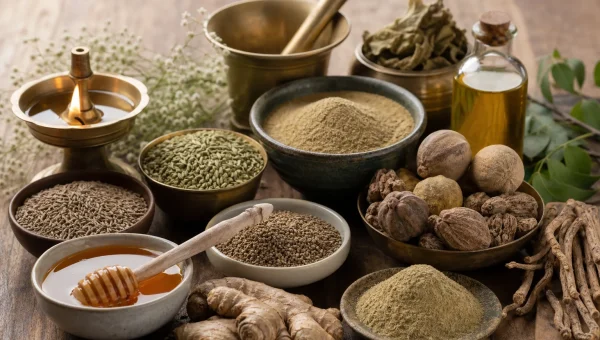
Classical management: Food and medicine are selected for Vata-Kapha pacification, dipana, pachana, grahi and restoration of strength. Charaka lists Bilva, ginger, coriander, cumin, pomegranate, hingu and saindhava among ingredients that may be incorporated appropriately into food or preparations. These are physician-selected options, not a recipe combining every ingredient.
2. Pittaja Atisara
Classical account: Pittaja Atisara is linked with excessive sour, salty, pungent, alkaline, hot and sharp substances, exposure to heat, and repeated anger or jealousy. The text explains the condition through the hot, liquid and mobile qualities of aggravated Pitta acting in the bowel.
Symptoms: The stool may be yellow, green, bluish, black, foul-smelling or mixed with blood and bile. Associated features include thirst, burning, sweating, faintness, abdominal pain, heat and painful inflammation around the anus. Charaka gives no “8–15 stools per day” figure, and blood must never be dismissed as merely Pitta.
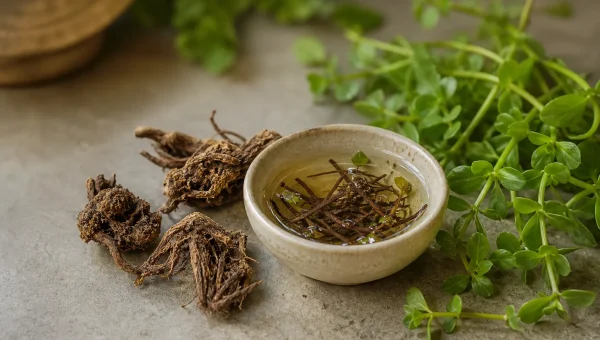
Classical management: The chapter includes Vatsaka or Kutaja in several preparations for Pittaja Atisara, often with rice water, honey or other herbs chosen for the stage. The Ayurvedic Pharmacopoeia of India identifies Kutaja stem bark as tikta-kashaya in taste, laghu-ruksha in qualities, shita in potency and katu in post-digestive effect; it lists dipana, sangrahi and Kapha-Pitta-pacifying actions, with Atisara and Pravahika among its uses. This verifies its classical identity, not efficacy for IBS-D or inflammatory bowel disease.
3. Kaphaja Atisara
Classical account: Kaphaja Atisara is associated with excessive heavy, sweet, cold and unctuous food, overeating, inactivity and habitual daytime sleep. Aggravated Kapha is said to weaken agni, enter the colon and make the stool excessively moist.
Symptoms: Charaka describes unctuous, pale or white, slimy, stringy, heavy and foul-smelling stool containing mucus and undigested food. It may be passed frequently in small quantities with griping, persistent urgency, heaviness in the abdomen and pelvic region, nausea, sleepiness, lassitude and aversion to food. Floating stool, fat malabsorption and hypothyroidism are not defining signs in this passage.
Classical management: The text recommends light, digestively stimulating and appropriately astringent preparations after assessment. Among its pramathya options are Hrivera with ginger for Kaphaja presentation and a separate multi-herb decoction containing Prishniparni, Shvadamshtra, Samanga and Kantakari. Preparation requires a trained practitioner.
4. Sannipataja Atisara
Sannipataja, rather than “Tridoshaja” as the chapter’s principal label, involves all three doshas and may display mixed or changing stool colours, mucus, blood, pain, weakness, fever, thirst or other complications. Severe features are described as difficult or sometimes incurable. For a treatable case, the text says to assess causes and relative dosha aggravation, then address the dominant dosha first. The chapter does not name Kutajarishta as a universal remedy for every Sannipataja case.
5. Shokaja Atisara
Shokaja Atisara is diarrhea attributed to grief. Charaka states that grief can rapidly aggravate Vata and directs treatment toward Vata alleviation together with consolation and emotional support. The chapter does not prescribe Ashwagandha, Jatamansi or fixed doses for this type. Stress can affect gut-brain signalling and IBS symptoms, but “grief-induced diarrhea” is not a separate biomedical diagnosis and should not be explained through an invented cortisol, vagal or cytokine sequence.
6. Bhayaja Atisara
Bhayaja Atisara is attributed to fear. Its classical principle is again Vata-pacifying care combined with reassurance, confidence and measures that relieve the frightened state. Fear can coincide with urgency, but this category should not be automatically extended to chronic anxiety disorders or PTSD. Persistent diarrhea requires medical evaluation even when stress is a trigger.
Verified Dietary Direction by Type
Charaka’s dietary advice is staged and individualized: light food when hunger returns, followed gradually by gruels, thicker rice preparations, soups and rice with suitable dipana and grahi ingredients.
| Atisara type | Classical emphasis | Factors to reduce or avoid |
|---|---|---|
| Vataja | Warm, cooked, light preparations; suitable use of sour pomegranate, hingu, saindhava and digestive herbs | Dry or insufficient food, excessive exertion, irregular eating and urge suppression |
| Pittaja | Rice water, old red rice and practitioner-selected cooling or astringent preparations | Excessively hot, sharp, sour, salty, pungent or alkaline foods and alcohol |
| Kaphaja | Light, warm, digestively stimulating gruels or soups according to appetite | Heavy, sweet, cold and oily meals, overeating, inactivity and daytime sleep |
| Sannipataja | Simple staged food chosen according to the dominant dosha, strength and complications | One-size-fits-all diets and unsupervised multi-herb combinations |
| Shokaja/Bhayaja | Regular, easily digested meals with hydration, reassurance and emotional support | Skipping fluids or assuming that all symptoms are “only stress” |
The Classical Ama-Stage Decision Rule
Charaka does not prescribe a universal three-step Langhana-Deepana-Pachana sequence for every patient. The chapter gives a branching decision: strong bowel-binding treatment should not be used immediately in early ama Atisara when accumulated morbid material is still being expelled; slight dosha aggravation may be managed with langhana, while moderate aggravation may receive a pramathya that is dipana and pachana. If retained material is difficult to pass, Abhaya or Haritaki is mentioned to promote downward elimination.
This warning against premature stambhana is not advice to let dangerous diarrhea continue. Langhana does not mean withholding water or oral rehydration solution. WHO recommends oral rehydration salts to prevent and treat diarrheal dehydration; severe cases may need intravenous care. Dehydration, infection and bleeding take priority over dosha interpretation.
What the Pharmacopoeia Actually Supports
Official monographs clarify plant part, identity, properties and general adult dose ranges; they do not prove efficacy for every modern disorder resembling Atisara.
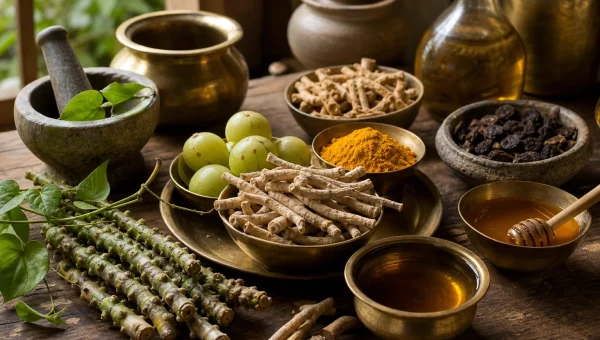
- Bilva: The API specifies dried pulp of unripe or half-ripe Aegle marmelos fruit. It records katu, tikta and kashaya rasa; laghu-ruksha guna; ushna virya; katu vipaka; and grahi, dipana, pachana and Vata-Kapha-reducing actions. Its general adult powder range is 3–6 g, not an automatic twice-daily prescription for IBS-D.
- Kutaja: The API monograph concerns the stem bark of Holarrhena antidysenterica and gives 20–30 g of drug for decoction. That is not equivalent to 3 g bark powder or a 500 mg extract. Kutajarishta is listed as an important formulation, but selection and dose depend on the licensed product and the patient.
- Haritaki: Charaka mentions Abhaya in early management when accumulated material is difficult to expel. The API describes Haritaki as anulomana; it should therefore not be presented simply as a routine bowel-binding remedy for Kaphaja diarrhea.
- Musta: In this chapter, Musta appears with Parpataka in boiled water for Pittaja Atisara and in other compound preparations. The text does not support a universal 2 g dose for all “irregular motility.”
For related traditional discussions, see our posts on SIBO and Grahani and Ayurvedic low-FODMAP adaptations. These frameworks do not replace diagnosis by a qualified healthcare professional.
Important disclaimer: Diarrhea with red blood, black tarry stool, pus, high fever, severe abdominal or rectal pain, repeated vomiting, faintness, confusion, reduced urination or other signs of dehydration needs prompt medical care. Adults should seek advice when acute diarrhea lasts more than two days or is very frequent; diarrhea lasting four weeks is chronic and requires assessment for infection, medication effects, celiac disease, inflammatory bowel disease, microscopic colitis and other causes. Unexplained weight loss, nocturnal diarrhea, anemia or a family history of inflammatory bowel disease or colorectal cancer are alarm features. Do not self-treat chronic diarrhea with Kutaja, Bilva, Haritaki, fasting or restrictive diets. Consult a physician and a qualified Ayurvedic practitioner for coordinated care.
my Vaidya in Chennai suggested a slightly different sequence. Regional variation in practice tbh
For Atisara (Chronic Diarrhea), consistency seems like the hard part. The examples make the advice less abstract.
i have been asking my Vaidya about this exact approach for years and she disagrees with the sequence.
Too optimistic about results. Ayurveda takes months and the article implies weeks.
the protocol mentions taking this herb with warm water, is that flexible or is the timing critical?
the article assumes readers have a nearby Vaidya for supervision. That’s not always the case.
does the environmental toxin exposure factor mentioned here require additional chelation support? ❤️
@Sandeep This protocol would be easier to follow with actual product recommendations, not just herb names.
Noted.
i have been asking my Vaidya about this exact approach for years and she disagrees with the sequence honestly
Doing this.
The ‘safe for most people’ qualifier is doing a lot of work here without explaining who should avoid it.
the Tridosha clock times don’t match some other sources I’ve read. Kapha time is listed differently. is there a textual source for these specific times?
The language of ‘balancing doshas’ is hard to evaluate without measurable outcomes.
several claims here contradict what I’ve read from AYUSH-published guidelines.
I found the breakdown of Vataja Atisara helpful, especially the note about dry food and irregular urges making stool liquid and rough.
I was looking for a plain explanation of Atisara (Chronic Diarrhea). I would still ask a practitioner before changing medicines.
For Atisara (Chronic Diarrhea), consistency seems like the hard part. Good starting point for a cautious reader.
For Atisara (Chronic Diarrhea), consistency seems like the hard part. The safety notes could be expanded a little.
I was looking for a plain explanation of Atisara (Chronic Diarrhea). This feels more usable than a long list of herbs.
The article mentions benefits for Pitta-Kapha types but doesn’t address what to do when it doesn’t work.
Useful.
i’m in my late 60s, should any of the dosages here be reduced for older adults?
the section on diet modifications, is that specific to this condition or general Ayurvedic eating?
The claims about cellular repair here need much better sourcing to be credible.
The post-surgical recovery protocal here is something i wish i had found 3 months earlier r u?
Reading this later and the Atisara (Chronic Diarrhea) advice still feels relevant. Would be useful to see a short checklist next.
Reading this later and the Atisara (Chronic Diarrhea) advice still feels relevant. Small daily changes are easier to follow than a perfect plan.
The advice around Atisara (Chronic Diarrhea) is specific enough to be useful. The safety notes could be expanded a little.
The explanation of Vipaka (post-digestive effect) here is the clearest I’ve seen on any website.
is this suitable for someone who is vegetarian and avoids dairy entirely ngl ❤️
tried the 6 months regimen exactly as described, my Vaidya noted improvement at the follow-up.
the fact that you addressed both classical text references and modern usage gaps is what I needed.
can this protocol be followed alongside standard medication for hypothyroidism?
Does the post-surgical recovery timeframe mentioned here apply to laparoscopic procedures too?
the protocol mentions taking this herb with honey, is that flexible or is the timing critical?
the circadian-dosha mapping is interesting but the times given are approximate and the article presents them with more precision than the texts support.
Does the article say whether Kutaja stem bark dosage changes if the patient also has anemia I’m curious how that interacts with the warning about blood in stool.
Can this protocol run concurrently with a Panchakarma session or should there be a gap? 💯
my mother is 62 and has been on this for 2 months, her energy levels are much better now.
Realistically, most people can’t source high-quality this herb at affordable prices. Article ignores this r u?
my Vaidya in Chennai suggested a slightly different sequence. Regional variation in practice honestly
What would be the signs that this protocol isn’t suitable for a particular individual?
is this protocol appropriate for someone on Metformin for Type 2 diabetes ngl 🙌
Reading this later and the Atisara (Chronic Diarrhea) advice still feels relevant. The safety notes could be expanded a little.
Can this be taken during a juice fast or does it need solid food to absorb properly?
the Tridosha clock mapping to cortisol/melatonin cycles is something my Ayurvedic practitioner mentioned but couldn’t explain this clearly.
The distinction between Vataja and Pittaja atisara finally explains why the same probiotic approach works brilliantly for some people with IBS-D and does nothing for others. My own experience was classic Vata pattern — worse with anxiety, worse in cold — and the ginger-buttermilk preparation helped far more than the low-FODMAP protocol ever did.
The section on Atisara dosage, is that daily or divided into two doses?
Reading this later and the Atisara (Chronic Diarrhea) advice still feels relevant. I appreciate that it does not oversell the result.
Followed the protocol as described and had digestive upset for the first three weeks.
The herb quality problem in India is real. You can’t assume readers have access to authentic preparations.
The first half covers theory well but the practical protocol section felt rushed.
The Atisara (Chronic Diarrhea) explanation is clearer than most short posts. I would still ask a practitioner before changing medicines.
The Atisara (Chronic Diarrhea) angle is useful here. The main idea is clear even if someone is new to Ayurveda.
I appreciate the reminder that grief related diarrhea needs Vata pacifying care plus emotional support not just herbs like Ashwagandha.
the protocol is well-documented but the expected timeline is unrealistic for a chronic condition.
is there a specific time of day that works best for this herb for sleep versus energy benefits?
i know two people who tried this approach and neither had the results described here honestly
My chronic migraine frequency dropped after following the diet modifications outlined here.
Thanks!
What would be the first signs that someone’s constitution is shifting after following this protocol?
How does the frequency of bowel movements factor into this protocol adjustment?
eight weeks in, no change. The article should mention that individual variation is significant tbh
The Atisara (Chronic Diarrhea) explanation is clearer than most short posts. This is the kind of detail readers can test slowly.
Where are the actual peer-reviewed citations? i searched PubMed and found mostly small sample studies r u? ❤️
The Ayurvedic classification of this condition, is it consistent across Charaka and Sushruta texts? 🌿
My Ayurveda teacher pointed me to this article specifically. The dosage chart is useful.
Will look into this.
The advice to avoid indefinite low FODMAP restriction lines up with Ayurveda’s staged diet approach starting with light gruels before moving to thicker rice preparations.
Makes sense.
what’s the difference between the formulation for acute versus chronic presentations?
the explanation of why Vata types need higher fat anupana clicked for me after reading this.
Late to this discussion but wanted to ask, does the herb quality brand matter as much as you suggest?
how many Panchakarma sessions would complement this oral protocol typically?
does the environmental toxin exposure factor mentioned here require additional chelation support tbh
The prep time for home formulations is significant. Most working people can’t commit to that ngl
The part about Atisara (Chronic Diarrhea) feels realistic. The practical details matter more than people think.
@Rekha I’m Vata dominant, does the dosage for this condition change significantly? 🙏
@Rekha my mother is 62 and has been on this for 2 weeks, her energy levels are much better now honestly
the Tridosha clock times dont match some other sources Ive read. Kapha time is listed differently. is there a textual source for these specific times?
It’s interesting that Charaka distinguishes ama stage from pakva stage suggesting different herbs like Bilva for early liquid stool and ginger for later frothy mucus.
The protocal mentions taking this herb after meals, is that flexible or is the timing critical?
Is there seasonal guidance for when to start this protocol for best results?
What are the signs that Ama is being cleared successfully with this protocol?
The part about Atisara (Chronic Diarrhea) feels realistic. This would be easier to follow with a one-week sample plan.
some of these herb interactions aren’t well studied. Feels like we’re being used as test subjects.
I’m Vata-Pitta dominant, does the dosage for this condition change significantly ngl
eight weeks in, no change. The article should mention that individual variation is significant.
the article references a specific classical formula. Is that available in standard pharmacies in India tbh
Good info.
is there a maintenance dose after the initial 6 months course finishes? ✨
This makes sense for Atisara (Chronic Diarrhea). The main idea is clear even if someone is new to Ayurveda.
how long does a typical course run before someone would expect to see meaningful results tbh
where is the evidence that the specific sequence matters versus using the herbs individually tbh
The first section mentions a specific quality marker for this herb. Where can I verify this at purchase? 💯
the this herb + ghee combination approach you described aligns with what my practitioner suggested tbh
The lifestyle recommendations here are quite specific. Which elements are most critical?
The safest part of the Atisara (Chronic Diarrhea) advice is keeping it simple. The examples make the advice less abstract.
The Nasya mentioned here, is that something to do at home or only with a practitioner?
Useful post on Atisara (Chronic Diarrhea). Small daily changes are easier to follow than a perfect plan.
These preparations aren’t regulated. How do we know the label matches what’s inside?
where are the actual peer-reviewed citations? I searched PubMed and found mostly small sample studies tbh
does this protocol need to be paused during menstruation or can it continue tbh
the IST context you provided (morning vs evening dosing) made more sense than generic timing advice tbh
I have autoimmune issues, are there any herbs in this list I should avoid? ❤️
followed the 500mg guideline with warm water, the difference in my sleep quality by week 4 was real tbh 💯
following the 2 weeks course you described, finished last week and planning to continue maintenance tbh 🙏
Can this be given to children between 8 and 12 years? Any age-adjusted dose guidance? 💯
The side effects section is too brief. i had insomnia on this herb that isn’t mentioned here ngl
What’s the minimum duration before someone can realistically evaluate whether the protocol is working?
Can this be given to children between 8 and 12 years? Any age-adjusted dosw guidance r u?
How long should someone stay on the maintenance dosw before considering a full stop r u?
What’s the shelf life of the home-prepared version if stored in a cool dry place?
what does Ojas depletion actually feel like symptom-wise? Trying to identify if that’s my issue.
Does the protocol need to be followed in sequence or can the individual elements be used separately?
Reading this later and the Atisara (Chronic Diarrhea) advice still feels relevant. I would still ask a practitioner before changing medicines.
quick question, is the 500mg dose you mentioned for the extract form or the raw powder?
can this protocol run concurrently with a Panchakarma session or should there be a gap honestly
the Tridosha clock times dont match some other sources ive read. Kapha time is listed sifferently. is there a textual source for these specific times?
The Atisara (Chronic Diarrhea) section feels grounded enough to try carefully. The practical details matter more than people think.
not everyone responds the same way to this herb. The article could use more nuance on individual variation.
my doctor is skeptical about combining this with my current prescription. Who takes responsibility?
Does this protocal need to be paused during menstruation or can it continue ngl
good to see the contraindication list included. Knew about 3 of them but not the this herb one.
The Atisara (Chronic Diarrhea) section feels grounded enough to try carefully. The article avoids making it sound like a quick fix.
anyone here tried this for a family member with Parkinson’s? Any specific considerations? ✨
the third section mentions a specific oil preparation. Is this available commercially or only homemade?
the traditional vs modern standardization point you made is something practitioners argue about a lot. ❤️
Is the protocol appropriate for someone who has just completed chemotherapy? ❤️
is there a specific guidance for those living at high altitude where digestoin behaves differently r u?
Can children below 8 use a milder version of this or should they avoid it entirely?
I liked the practical side of Atisara (Chronic Diarrhea). This feels more usable than a long list of herbs.
reading this in 2026, is the dietary protocol still the same or has it been updated tbh
the distinction between the powder and the extract form you made here is exactly what I needed tbh
Used this as a reference for my mother’s post-surgical recovery. The Peya approach helped.
how do you determine whether to use the Kashayam versus the Churna form for this condition honestly
is there a maintenance dose after the initial 3 months course finishes?
I was looking for a plain explanation of Atisara (Chronic Diarrhea). This would be easier to follow with a one-week sample plan.
What’s the shelf life of the home-prepared version if stored in a cool dry place ngl
does the protocol need to be followed in sequence or can the individual elements be used separately tbh
Realistically, most people can’t source high-quality this herb at affordable prices. Article ignores this.
Started the protocal after reading this, 6 months in with consistent use and feeling more balanced r u?
Some of these herb interactions aren’t well studied. Feels like we’re being used as test subjects ngl 🌿
Started the protocol after reading this, 3 months in with consistent use and feeling more balanced.
the herb quality problem in India is real. You can’t assume readers have access to authentic preparations tbh
I’m Pitta dominant, does the dosage for this condition change significantly?
does the post-surgical recovery timeframe mentioned here apply to laparoscopic procedures too honestly
is there a specific guidance for those living at high altitude where digestion behaves differently?
The theory is interesting but the practical protocol is too vague to actually implement.
The article is useful as a starting point but needs more referencing before I’d act on it.
I was looking for a plain explanation of Atisara (Chronic Diarrhea). The practical details matter more than people think.
My doctor mentioned liver function tests before starting high-dose this herb. Is that standard here too?
Not sure how relevant ancient dosage guidelines are for modern bodies with different baseline health.
The distinction between the powder and the extract form you made here is exactly what I needed.
I was looking for a plain explanation of Atisara (Chronic Diarrhea). This is the kind of detail readers can test slowly.
The section on diet modifications, is that specific to this condition or general Ayurvedic eating r u?
the 10ml dose mentioned in the article works well for me, started seeing changes around week 3.
i have been asking my Vaidya about this exact approach for years and she disagrees with the sequence tbh
not everyone responds the same way to this herb. The article could use more nuance on individual variation tbh
The scientific rationale section reads like it’s trying to bridge incompatible frameworks.
i have tried 4 different approaches to this issue, this one finally gave consistent results.
The advice around Atisara (Chronic Diarrhea) is specific enough to be useful. Small daily changes are easier to follow than a perfect plan.
I’m Pitta-Kapha dominant, does the dosage for this condition change significantly?
The Atisara (Chronic Diarrhea) angle is useful here. I appreciate that it does not oversell the result.
Is this suitable for someone who is vegetarian and avoids dairy entirely?
the side effects section is too brief. I had insomnia on this herb that isn’t mentioned here.
does the protocol differ for someone who has already done Shodhana (purification therapy) recently tbh
the article reads like an ad for Ayurveda generally, not a balanced assessment of this specific condition tbh
the section on diet modifications, is that specific to this condition or general Ayurvedic eating honestly
The specific preparation method for this herb described here is different from general churna usage, helpful.
the explanation of Vipaka (post-digestive effect) here is the clearest I’ve seen on any website tbh
Reading this in 2026, is the dietary protocal still the same or has it been updated?
How long does a typical course run before someone would expect to see meaningful results?
finally an article that gives actual prep instructions and not just herb names tbh
Expected more from the genomics section. It’s superficial compared to what the title promises.
been following the Atisara (Chronic Diarrhea) approach for 4 months and genuinely notice the difference tbh 🙏
Taking this herb before bed as suggested made a difference I didn’t get from generic supplement timing. 🙌
Off topic question but is Triphala safe for long-term daily use?
does the protocol differ for someone who has already done Shodhana (purification therapy) recently? 💯
Doing this. धन्यवाद
Can this be given to children between 8 and 12 years? Any age-adjusted dose guidance r u?
is there specific guidance for the post-menopause phase of life with this protocol?