
Cold plunges are powerful because they are simple: cold water, a short exposure window, and a strong physiological response. They are also powerful enough to disturb the wrong person at the wrong time. Ayurveda adds an important layer to the modern cold-plunge conversation: the same practice can feel clarifying for one constitution, overstimulating for another, and dulling for a third. A useful protocol therefore begins not with the coldest temperature you can tolerate, but with your dosha, season, strength, digestion, recovery needs, and ability to rewarm well.
Cold water immersion is widely used in contemporary sports recovery and general wellness. In athletic settings, it is most relevant after strenuous exercise when short-term soreness and perceived recovery matter. For general wellness, it is best understood as a brief, controlled stressor that may influence stress, sleep quality, and perceived quality of life in time-dependent ways. Ayurveda helps convert that broad idea into a constitutional routine: when to use cold, when to soften it, and when to avoid it entirely.
The Ayurvedic Framework for Cold Exposure
Ayurveda evaluates any therapy through its qualities, or gunas. Cold immersion primarily introduces sheeta (cold) through the skin and senses. In a brief, well-prepared session, this can cool excess heat, sharpen alertness, and stimulate circulation. When excessive, poorly timed, or used by a depleted person, the same cold can aggravate Vata through chill, trembling, dryness, irregular breathing, and nervous-system instability. It can also increase Kapha’s cold and heavy tendency if followed by inactivity, dampness, or poor rewarming.
Classical Ayurvedic water guidance places cold water on the cooling side of care: it is described as useful in heat, burning sensation, thirst, fainting, exhaustion, vomiting, bleeding conditions, and Pitta-dominant states. Warm or hot water is described as more suitable where Vata, Kapha, poor digestion, cough, cold, flatulence, and heaviness predominate. A cold plunge is not the same as drinking cold water, but the underlying principle is relevant: cold is most harmonious when heat is excessive and least harmonious when coldness, dryness, weakness, congestion, or poor digestion are already present.
Understanding Your Dosha and Cold Exposure Tolerance
Before designing a cold plunge routine, identify whether Vata, Pitta, or Kapha is most active in your constitution and current state. These ranges are practical starting points, not classical prescriptions. They should be adjusted for age, body size, season, climate, medical history, training load, and recovery response.
| Dosha | Natural Cold Tolerance | Suggested Starting Water Temperature | Session Duration | Best Timing | Key Cautions |
|---|---|---|---|---|---|
| Vata | Low; Vata is naturally cold, light, dry, subtle, and mobile | 16 to 18°C (61 to 65°F), only lowering gradually if well tolerated | 30 seconds to 2 minutes at first | Late morning or midday, after oil massage and warming | Avoid when anxious, exhausted, underweight, chilled, sleepless, fasting, or in cold windy weather |
| Pitta | High; Pitta is naturally hot, sharp, spreading, and intense | 10 to 15°C (50 to 59°F), with calm breathing and no competition | 1 to 4 minutes for most wellness use | Morning, warm-weather afternoons, or after heat exposure once breathing is steady | Avoid turning the plunge into an endurance contest; rewarm gently and do not plunge while angry or overheated to the point of dizziness |
| Kapha | Moderate; Kapha is naturally cool, heavy, slow, dense, and stable | 12 to 16°C (54 to 61°F), paired with movement before and after | 1 to 3 minutes at first, then up to 5 minutes if energy improves | Morning after brisk movement, especially in mild or warm weather | Avoid during cough, wheezing, sinus congestion, fever, water retention, or heavy lethargy that worsens after cold |
The Ayurvedic Cold Plunge Preparation Protocol by Dosha
A dosha-based cold plunge is not only about the water temperature. The preparation, entry, breathing, exit, and rewarming determine whether the practice becomes clarifying or destabilizing.
Vata Type: The Warm-First Protocol
For Vata-predominant individuals, the central rule is simple: never meet cold with an already cold, dry, depleted body. Vata needs warmth, oiliness, rhythm, and reassurance before cold exposure. The goal is not to prove toughness; it is to let the body experience cold while remaining grounded.
- Begin with Abhyanga: Massage the body with warm sesame oil for 10 to 15 minutes, emphasizing the feet, calves, hips, lower back, shoulders, and ears. Sesame oil and warm touch help oppose Vata’s cold, dry, light, mobile qualities.
- Use gentle heat before the plunge: Take a warm shower or sit in a warm room until the body feels comfortably warm. Avoid excessive sweating, which can leave Vata depleted before immersion.
- Practice Nadi Shodhana: Use 3 to 5 minutes of slow alternate nostril breathing before entering the water. Keep the breath quiet and nasal; avoid breath retention if it creates strain.
- Start warmer and shorter: Begin around 16 to 18°C for 30 to 60 seconds. Increase time only when sleep, digestion, mood, and body temperature remain stable after the session.
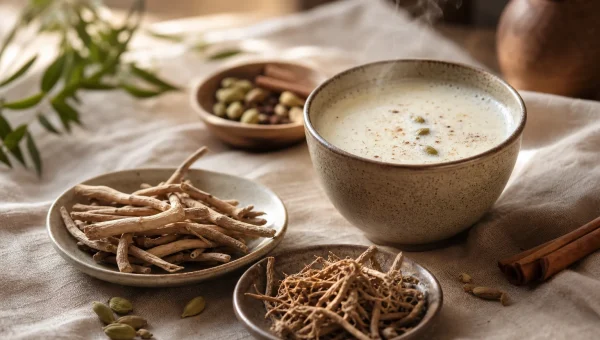
- Rewarm immediately: Dry the body thoroughly, dress warmly, walk slowly, and sip warm ginger or cumin-coriander-fennel tea. Do not remain wet, shivering, or exposed to wind.
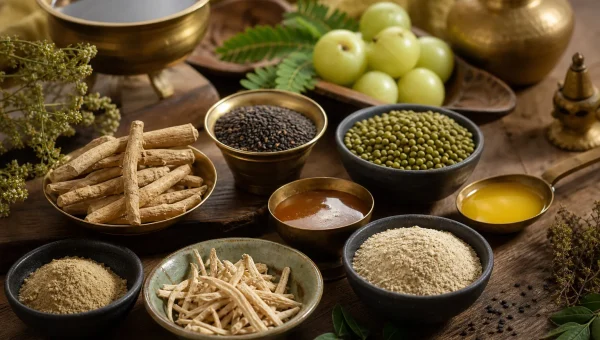
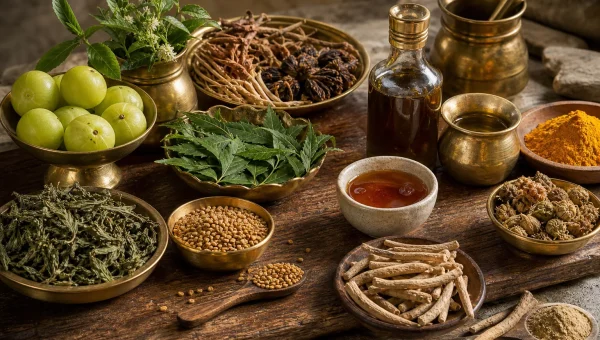
Vata-supportive herbs should be chosen with a qualified practitioner. Ashwagandha (Withania somnifera) is classically described as warm, Vata-Kapha reducing, strengthening, and rasayana. Bala (Sida species used in Ayurvedic practice) is traditionally used in strengthening oil preparations and Vata-supportive care. Shatavari (Asparagus racemosus) is more cooling and nourishing, so it may suit a dry, depleted Pitta-Vata pattern better than a cold, heavy Kapha pattern.
Pitta Type: Cooling with Intention
Pitta types often enjoy cold plunges because cold directly opposes heat, intensity, burning, irritability, and post-exertional overheating. Their risk is usually not fear of cold but overuse: colder water, longer duration, competitive tracking, or plunging while emotionally charged.
- Enter calm, not inflamed: If the body is overheated after exercise, first allow breathing and pulse to settle. Cold immersion should begin from steadiness, not from dizziness, rage, or collapse.
- Use cooling but not numbing preparation: A light application of coconut oil or Brahmi oil to the head, temples, and soles may suit Pitta when the skin and climate allow it. Avoid heavy oiling before a plunge if it makes the tub slippery.
- Breathe slowly through the nose: Use a smooth inhale and exhale without forceful hyperventilation or breath-holding in the water. Pitta benefits from discipline, but not from intensity for its own sake.
- Keep the dose moderate: One to four minutes is enough for most wellness routines. Longer is not automatically better.
- Exit before irritation appears: If the face becomes flushed, the mind becomes aggressive, or the body feels sharp and agitated afterward, reduce time or temperature intensity.
Pitta-supportive herbs should be individualized. Brahmi (Bacopa monnieri) is traditionally used in medhya, mind-supportive contexts. Amalaki (Phyllanthus emblica) is classically cooling and rasayana. Shatavari is sweet, cooling, nourishing, and often used where dryness and heat coexist.
Kapha Type: Stimulate and Mobilize
Kapha types need a different strategy. Because Kapha is already cool, heavy, slow, and dense, cold immersion should never be followed by stillness, damp clothing, or a heavy breakfast. For Kapha, the plunge works best as part of an activating sequence.
- Move before entering: Do 5 to 10 minutes of brisk walking, mobility drills, sun salutations, or light bodyweight exercise before the plunge. The body should feel awake, not sluggish.
- Use dry friction instead of heavy oil: Garshana-style dry massage or gentle dry brushing with raw silk, linen, or a soft brush can prepare the skin and oppose Kapha’s heaviness. Avoid harsh brushing on irritated or sensitive skin.
- Enter with alert posture: Keep the spine tall, breathe through the nose, and lightly move the hands or legs if stillness makes the body feel dull or congested.
- Rewarm through activity: After drying off, use 10 to 20 minutes of brisk walking, cycling, yoga, or strength work. Kapha should convert the cold stimulus into movement.
- Keep food light afterward: Choose warm, light, spiced food or tea rather than cold smoothies, heavy dairy, or sweet breakfast foods immediately after the plunge.
Kapha-supportive herbs should be used carefully and professionally, especially with medications or chronic disease. Trikatu, the classical three-pungent combination of dry ginger, black pepper, and long pepper, is traditionally used to kindle digestive fire and reduce Kapha heaviness. Guggulu is described in the Ayurvedic Pharmacopoeia as hot, light, scraping/clearing in quality, and medohara. Tulsi is hot, sharp, light, dry, and traditionally used in cough and breathing-related Kapha conditions.
Seasonal Considerations from Ritucharya
Ayurveda never separates a practice from season. In Grishma (summer), cooling regimens, cool water bathing, sweet-light-liquid foods, and heat-pacifying habits are emphasized, so cold exposure is most seasonally compatible when strength is adequate and the person can rewarm naturally. In Hemanta and Shishira (cold seasons), the environment already supplies cold; Vata-dominant people should usually avoid cold plunges, while Kapha-dominant people should use them only with strong movement and complete rewarming. In windy, rainy, or transitional weather, shorten the practice or replace full immersion with a brief cool shower finish.
What Modern Physiology Adds to the Protocol
Cold water immersion quickly activates the sympathetic nervous system, raising breathing rate, heart rate, blood pressure, and catecholamine activity. This explains why the first seconds of immersion feel so intense and why controlled nasal breathing, gradual adaptation, and a calm exit matter. Cold exposure can also activate thermogenic pathways, including brown adipose tissue, but that does not make cold plunging a stand-alone weight-loss treatment.
For athletes, cold immersion is most useful when short-term recovery is the priority, especially after acute strenuous exercise. It is less ideal immediately after every strength-training session when muscle gain is the primary goal, because frequent post-training cold exposure may conflict with some long-term adaptation goals. For general wellness, a cold plunge should be treated as a small, deliberate stress dose: enough to awaken, not enough to exhaust.
Safety and Disclaimer
Cold water immersion can cause cold shock, involuntary gasping, rapid breathing, blood pressure spikes, arrhythmia risk, loss of coordination, and hypothermia. Do not plunge alone. Do not submerge the head during the first phase of adaptation. Do not combine cold immersion with alcohol, recreational drugs, fasting weakness, extreme breath-holding, or forceful hyperventilation. Keep a warm towel, dry clothing, and a warm indoor space ready before entering the water.
People with cardiovascular disease, a history of arrhythmia, uncontrolled hypertension, fainting disorders, seizure disorders, Raynaud’s phenomenon, peripheral vascular disease, cold urticaria, cold-induced asthma, significant neuropathy, or any serious chronic illness should not begin cold plunges without medical clearance. Pregnancy, postpartum depletion, fever, respiratory infection, acute anxiety, insomnia, severe joint pain, and marked fatigue are reasons to avoid or postpone the practice unless a qualified clinician specifically advises otherwise.
Actionable Tip
Before your first true plunge, run a seven-day constitutional tolerance test. For the first three days, take a warm shower and finish with 15 to 30 seconds of cool water while breathing slowly through the nose. On days four and five, extend the cool finish to 45 seconds. On days six and seven, use 60 seconds of cool water and observe sleep, appetite, mood, stool, body temperature, and energy afterward. If the practice leaves you calm and clear, proceed gradually. If it leaves you anxious, chilled, sleepless, congested, or depleted, adjust the temperature upward, shorten the duration, or choose a different seasonal practice.
Nothing in this article diagnoses, treats, cures, or prevents disease. Use it as educational information and consult a qualified Ayurvedic practitioner or licensed healthcare provider before beginning cold immersion, herbs, supplements, detoxes, or therapeutic protocols, especially if pregnant, managing a medical condition, or taking medication.
References
- Link (link.springer.com)
- Frontiersin (frontiersin.org)
- Journals (journals.plos.org)
- Human physiological responses to immersion into water of different temperatures (2000), PubMed
- Effect of Acute Cold Exposure on Energy Metabolism and Activity of Brown Adipose Tissue in Humans: A Systematic Review and Meta-Analysis (2022), PubMed Central
- Heart (heart.org)
- ‘Autonomic conflict’: a different way to die during cold water immersion? (2012), PubMed Central
- Mayoclinic (mayoclinic.org)
- MedlinePlus
- Banyanbotanicals (banyanbotanicals.com)
- Easyayurveda (easyayurveda.com)
- Easyayurveda (easyayurveda.com)
- Ritucharya: Answer to the lifestyle disorders (2011), PubMed Central
- Blog (blog.theayurvedaexperience.com)
- Easyayurveda (easyayurveda.com)
- Msjonline (msjonline.org)
- Effects of alternate nostril breathing exercise on cardiorespiratory functions in healthy young adults (2021), PubMed Central
- Easyayurveda (easyayurveda.com)
- Ia800501 (ia800501.us.archive.org)
Classic Vata type here. The 45 seconds and out cold plunge experience is my experience exactly. I thought everyone responded like this until I started training with a friend who is classic Kapha and emerges from 3 minutes looking refreshed. The constitutional difference in cold tolerance is real and significant.
The Wim Hof protocol is designed for a specific physiological type and training background. The wellness industry adopted it wholesale and applied it to everyone. My Vata constitution had a terrible time with cold plunging until I read framing like this that explained why and how to adapt it.
The abhyanga-before-cold-plunge protocol makes physiological sense. Creating a lipid barrier with warm oil before cold exposure protects the skin barrier and provides a layer of insulation. The Vata-grounding effect of the oil before the challenge of cold is both traditional and mechanistically logical.
The Cold Plunge angle is useful here. Would be useful to see a short checklist next.
One thing not addressed here is the protocol for Vata types during winter specifically. The article describes year-round practice but cold plunging in winter for a Vata-dominant person who is already dealing with seasonal cold and dry aggravation seems particularly contraindicated. Is there a seasonal suspension recommendation?
The Cold Plunge angle is useful here. This is the kind of detail readers can test slowly.
The advice on warming with sesame oil before a plunge makes sense for someone who feels jittery after cold exposure.
The Cold Plunge angle is useful here. The article avoids making it sound like a quick fix.
The breathing protocol described for Vata types before cold exposure, Nadi Shodhana specifically, is something I started using not just for cold plunge but before any challenging physical or mental activity. The bilateral nervous system balancing effect is real and I can feel the difference when I skip it.
I tried the hot shower then cold finish trick and noticed my breathing was easier.
For a Vata type, starting at 16 degrees Celsius seems more reasonable than jumping straight into 10 degrees.
It’s interesting that the article links Kapha stimulation to vigorous movement after the plunge.
I found the self-diagnostic approach for identifying my imbalance produced conflicting results across the different assessment tools on this site. Consistency in the diagnostic framework is needed before self-management is practical.
After reading about Pitta’s tolerance, I wonder if morning plunges would suit my energetic routine.
The suggestion to use Brahmi oil on the temples before immersion caught my attention.
When the text mentions avoiding cold plunges in winter for Vata, it lines up with my own experience of stiff joints.
According to the table, a Kapha person could aim for 12 to 16 degrees Celsius and two to five minutes.
I appreciate the clear breakdown of gunas and how they affect each dosha.
The post-plunge rewarming step with ginger tea feels like a pleasant ritual rather than a chore.
For someone new to cold exposure, the three day preparation experiment offers a safe way to test tolerance.
It seems the article balances traditional Ayurveda with recent research findings nicely.
I found the caution about not allowing the body to stay cold and shivering particularly useful.
The cold plunge research is actually not as strongly positive as the wellness industry presents it. The benefits for recovery are well documented but the daily year-round protocol some practitioners advocate may blunt certain training adaptations. Combining Ayurvedic caution with that scientific nuance seems worthwhile.
I tried the Vata-adapted cold plunge protocol for 6 weeks and never got past 2 minutes without feeling genuinely unwell for hours afterward. Not every Vata person will benefit from cold water exposure even with the preparation protocol. This needs a stronger opt-out statement for those of us who do not respond well.
cold plunge recovery benefits are well documented but daily year-round protocol may blunt certain training adaptations. combining Ayurvedic caution with that science seems right
The protocol recommends cold plunge at dawn. Is this because early morning is the appropriate Kapha time for Kapha types, making the cold stimulation appropriate, or is there another rationale? The timing recommendation seems Kapha-specific but the article presents it as universal.