
Three months after I recovered from COVID — mild case, never hospitalised — I noticed something alarming in the shower drain. And in my hairbrush. And on my pillow. The amount of hair I was losing daily was unlike anything I had experienced in my 41 years. My GP explained it was telogen effluvium: a physical stressor such as fever, infection, or major illness can shift more hairs than usual into the resting phase, so shedding appears weeks to months later. “It resolves on its own,” she said. That reassurance was helpful, but passively waiting felt unsatisfying. Ayurveda gave me a practical way to support the recovery window: restore Agni, rebuild Rasa-quality nourishment, settle a depleted post-illness state, and care for Asthi-linked Kesha with classical keshya herbs and gentle scalp therapy.
This guide is for women and men who experienced post-COVID hair shedding and found the usual advice — “it will grow back, just wait” — incomplete. Ayurveda does not replace dermatology, lab testing, or medical care, but it does offer a coherent supportive framework for convalescence, nourishment, and hair-root care.
Why Post-COVID Hair Loss Happens: The Rasa and Asthi Dhatu Explanation
In modern dermatology, post-COVID shedding is commonly described as telogen effluvium: diffuse hair fall that can appear two to three months after COVID, fever, illness, stress, or another body shock. The scalp usually looks normal, and many people begin to see regrowth as the trigger resolves and the hair cycle resets.
In Ayurvedic physiology, Rasa Dhatu is the first nourishing tissue formed from the essence of digested food, and it supports the onward nourishment of the body. Kesha, or hair, is classically linked with Asthi Dhatu as a mala of Asthi; disturbance or depletion of Asthi is associated with changes in hair, nails, teeth, fatigue, and dryness. For post-illness hair shedding, the Ayurvedic emphasis is therefore twofold: rebuild nourishment through Agni and Rasa, and support Asthi-linked Kesha through keshya and rasayana measures.
This is why external hair oil alone is not the whole protocol. The scalp can be cared for locally, but the deeper work is to restore appetite, digestion, sleep, strength, protein and micronutrient sufficiency, and steady daily nourishment so that the body has the materials to grow hair again.
The 90-Day Recovery Protocol
This protocol is a supportive recovery plan for the months after the acute infection has passed. It is best adapted to prakriti, digestion, menstrual status, iron status, thyroid status, scalp condition, and current medication use by a qualified Ayurvedic practitioner or healthcare provider.
Month 1: Rasa Dhatu Foundation
The first month focuses on rebuilding nourishment rather than stimulating the scalp aggressively. When appetite is weak, sleep is disturbed, fatigue remains, or diet has become irregular after illness, hair recovery benefits from steady Agni, warm digestible meals, adequate protein, and rasayana support.
Internal support:
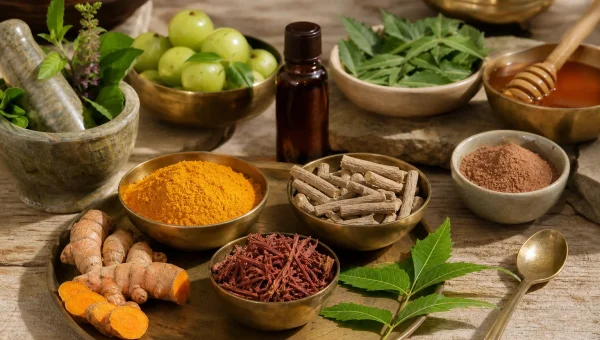
- Shatavari (Asparagus racemosus): Traditionally used as a rasayana and balya herb, Shatavari is madhura and tikta in rasa, guru and snigdha in guna, shita in virya, and madhura in vipaka. A classical powder dose is 3–6 g daily, or an extract dose may be selected by a practitioner. It is often taken with warm milk or warm water when digestion tolerates it.
- Ashwagandha (Withania somnifera): Ashwagandha is classically described as rasayana, balya, vatakaphapaha, and vajikarana. It may suit people whose post-viral pattern includes weakness, poor stamina, disturbed sleep, or Vata-type exhaustion. A classical powder dose is 3–6 g daily, while concentrated extracts should follow practitioner guidance and product directions.
- Amalaki (Emblica officinalis): Amalaki is a rasayana fruit used in formulations such as Chyawanprash. It is classically tridoshajit, vrishya, rasayana, and chakshushya, and it contains ascorbic acid and tannins. Fresh Amalaki, Amalaki powder, or a suitable rasayana preparation may be used according to digestion, constitution, and practitioner advice.
- Iron and thyroid review: Heavy shedding after illness is a good time to discuss CBC, ferritin or iron studies, and thyroid testing with a healthcare provider, especially when fatigue, heavy menstrual bleeding, vegetarian or low-protein intake, palpitations, cold intolerance, or unexplained weight change is present. Loha Bhasma and other mineral preparations should be used only when prescribed by a qualified practitioner and sourced from a licensed, quality-tested pharmacy.
Food and routine:
- Warm, cooked meals: Choose simple, freshly cooked meals that are easy to digest while appetite and strength are rebuilding. Moong dal, rice, cooked vegetables, soups, khichadi, and light spices can support steadier Agni than cold, irregular, or overly dry meals.
- Adequate protein: Include a reliable protein source at each main meal, such as dal, beans, paneer, curd if tolerated, eggs if part of the diet, tofu, nuts, seeds, or other suitable foods. Telogen effluvium recovery is slower when overall nutrition remains poor.
- Tila (sesame): Sesame seed is classically described as balya, keshya, rasayana, snehana, and vataghna, with traditional use in khalitya and palitya. A small daily food amount, such as ground sesame added to meals or sesame-based preparations, may be useful when digestion tolerates it.
- Sleep and recovery rhythm: Keep meals regular, reduce late nights, and avoid overtraining during active shedding. Post-illness recovery needs conservation as much as stimulation.
Month 2: Scalp and Follicle Activation
Once strength, appetite, and daily routine are more stable, the second month adds more direct scalp care. The aim is to nourish the scalp, reduce dryness and roughness, and support the hair roots without irritating the skin.
External support:
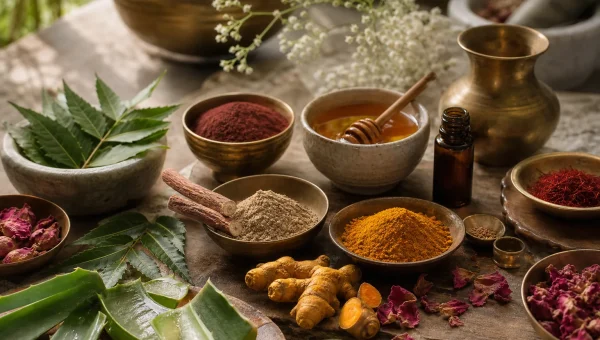
- Bhringaraja Taila: Bhringaraja (Eclipta alba) is associated with the synonym Kesharaja and is classically described as keshya and rasayana. Apply enough warm Bhringaraja Taila to coat the scalp, massage gently for 5–10 minutes, and leave for one to two hours before washing. Begin two to four times weekly rather than harsh daily manipulation if the scalp is sensitive.
- Gentle washing: Wash as needed with a mild cleanser. Avoid tight hairstyles, aggressive brushing, frequent heat styling, and harsh scalp scrubs during the active shedding phase, because telogen hair releases easily when the roots are already in the shedding cycle.
- Nasya under guidance: Nasya is classically used for disorders of the head and region above the shoulders, and shamana nasya is listed among measures for kesha dosha. Pratimarsha-style oil use is traditionally described in a two-drop dose, but nasal oiling should be done only under practitioner guidance and avoided during acute cold, congestion, immediately after meals, or when otherwise contraindicated.
Optional medhya support:
- Brahmi (Bacopa monnieri): Brahmi is classically medhya and rasayana. It may be considered when post-viral recovery includes mental fatigue, restlessness, or sleep disturbance, but the dose and form should be selected according to constitution and medication use.
- Chyawanprash or Amalaki Rasayana: A suitable Amalaki-based rasayana may be continued when digestion is good and the preparation is appropriate for the person. People with diabetes, strong Kapha symptoms, or sugar restriction should choose the form carefully with professional advice.
Month 3: Consolidation and Prevention
The third month is for consistency, not intensity. Many people notice baby hairs or reduced shedding only after several weeks because the hair cycle moves slowly; the goal is to keep nourishment steady while avoiding scalp irritation and unnecessary product changes.
- Continue the internal supports that suit you: Maintain Shatavari, Amalaki, sesame, protein, and warm meals only if they digest well and fit your constitution. Stop or revise anything that creates heaviness, acidity, loose stools, excessive heat, or congestion.
- Review iron and thyroid results: If testing showed iron deficiency, anemia, or thyroid dysfunction, continue care with a qualified clinician. Hair protocols cannot substitute for correcting a medical deficiency or endocrine disorder.
- Reduce oiling when stable: Once the scalp feels comfortable and shedding is improving, Bhringaraja Taila may be reduced to two or three times weekly as maintenance.
- Watch the regrowth window: Diffuse shedding after COVID often improves gradually. Fine short hairs along the hairline, parting, or temples can be an early sign that the cycle is turning toward regrowth.
Dosage Summary
The following summary uses traditional Ayurvedic reference doses where available and keeps mineral or concentrated preparations under professional supervision. Individual suitability matters more than taking every item on the list.
| Timing | Herb/Treatment | Typical Dose or Use | Frequency/Notes |
|---|---|---|---|
| Month 1 onward | Shatavari root powder | 3–6 g daily, or extract as advised | With warm milk or warm water if suitable |
| Month 1 onward | Ashwagandha root powder | 3–6 g daily, or extract as advised | Use with professional guidance, especially with thyroid disease, liver disease, pregnancy, autoimmune disease, sedatives, or other medication |
| Month 1 onward | Amalaki | Fresh fruit 10–20 g or fresh juice 5–10 ml; powder/preparation as advised | May be used as food or rasayana support when digestion tolerates it |
| Month 1 onward | Tila seed powder | 5–10 g daily as tolerated | Use as food support; avoid if it worsens heat, heaviness, or digestive discomfort |
| Month 2 onward | Bhringaraja Taila scalp application | Enough warm oil to coat the scalp | Two to four times weekly; leave one to two hours before washing |
| Month 2 onward | Nasya or Pratimarsha Nasya | Traditionally two drops for pratimarsha-style use | Only under practitioner guidance and only when appropriate |
| As clinically indicated | Iron or Loha Bhasma | No routine self-care dose | Use only after assessment; Loha Bhasma should be prescribed and quality-tested |
When to Seek Additional Help
The supportive Ayurvedic protocol above is most appropriate for diffuse post-illness shedding that fits telogen effluvium. A dermatologist, physician, or qualified practitioner should be consulted when the pattern is atypical, severe, prolonged, or accompanied by other symptoms.
- Hair loss is patchy, circular, sudden, or associated with eyebrow, beard, or body-hair loss.
- The scalp has redness, scaling, pain, pustules, burning, marked itching, or scarring.
- Shedding continues beyond six months, worsens rapidly, or shows no sign of regrowth.
- There is severe fatigue, shortness of breath, heavy menstrual bleeding, dizziness, palpitations, cold intolerance, unexplained weight change, or other signs of iron deficiency, anemia, or thyroid disorder.
- Hair shedding began after a new medication, crash diet, surgery, childbirth, high fever, or major emotional stress.
- You are pregnant, breastfeeding, immunocompromised, managing thyroid disease, liver disease, autoimmune disease, or taking regular medication.
For related hair guides: postpartum hair regrowth 6-month timeline, our deep dive on Kesha Vardhini hair density protocol, and Ayurvedic scalp detox.
Safety: This article is educational and does not diagnose or treat a medical condition. Consult a qualified Ayurvedic practitioner or healthcare provider before starting herbs, supplements, nasya, mineral preparations, detoxes, or therapeutic protocols, especially if pregnant, breastfeeding, managing a medical condition, or taking medication. Use Ayurvedic medicines only from licensed, quality-tested sources; mineral preparations such as Loha Bhasma should never be self-prescribed.
References
- Aad (aad.org)
- My (my.clevelandclinic.org)
- Characteristics of hair loss after COVID-19: A systematic scoping review (2022), PubMed Central
- Charaka Samhita — Rasa dhatu
- Charaka Samhita — Asthi dhatu
- Ayurvedic Pharmacopoeia of India
- Ayurvedic Pharmacopoeia of India
- Ayurvedic Pharmacopoeia of India
- Easyayurveda (easyayurveda.com)
- Nextstepsinderm (nextstepsinderm.com)
- NCCIH
- FDA
- NCBI
Just found this. Really helpful for my situation.
नमस्ते, longtime reader first comment. This post finally convinced me to start.
The Rasayana protocol for Rasa Dhatu rebuilding after COVID, how does it differ from post-dengue recovery?
Telogen effluvium resolves on its own in 6-12 months in most cases. Worth noting that before attributing recovery to herbs.
💯 That’s a genuinely important caveat and worth keeping in mind. Though I’d add that knowing the typical resolution window is actually useful — if someone’s at month 10 with no regrowth, that’s when it starts making sense to look more closely at whether Rasa dhatu depletion from the illness itself is still a factor.
Same here
Bhringraj oil + Nasya with Anu Taila, been doing this for 5 months. Significant regrowth visible.
Five months with visible regrowth is really encouraging — thank you for sharing that. Did you do the Nasya daily or just a few times a week? I’ve been hesitant to start it without knowing whether the frequency matters.
That Bhringraj and Nasya combination makes sense given what the post explains about Rasa dhatu recovery — the idea that nourishing the root tissue level is what allows follicle activity to resume. Five months for visible regrowth also lines up with the dhatu renewal timescale mentioned in the article.
You’re in the right place — this whole post is specifically about post-COVID hair loss through the Ayurvedic lens. The Bhringraj and Rasa dhatu section about halfway through is probably the most directly relevant part.
My Ayurvedic doctor recommended the same thing last month. Good to find it confirmed here.
can I use Bhringraj oil if I have a Pitta scalp condition simultaneously?
After reading about telogen effluvium and Rasa dhatu depletion here, I’m curious whether the Ayurvedic approach to post-illness hair recovery would be similar regardless of the triggering illness. Is the depletion pattern from COVID specifically different from what might follow, say, dengue or a prolonged respiratory infection?
Late to this post, found it via Google. Is this still the recommended approach in 2027?
Will try
Lost 60% of hair density 3 months after COVID. The Rasa Dhatu depletion framework makes sense given how systemic the illness was.
Let us know how it goes! I am curious whether you saw faster results combining bhringraj oil massages with the internal Rasa Dhatu support or if the dietary changes alone made the difference.
The classical references you include make this more credible than most Ayurveda blogs.
tried the iron-building protocol, hair shed slowed within 6 weeks 🌿
Found this helpful. The Hair Loss After COVID section was particularly useful for my situation. (asking as someone dealing with this since 2024)
My hair started shedding badly about 10 weeks post-COVID and my doctor also mentioned telogen effluvium — it was oddly reassuring to have a name for it. The explanation of Rasa Dhatu depletion actually makes sense of why I felt so drained overall, not just the hair. Starting ashwagandha this week.
The nasya step with Anu Taila sounds interesting. How many drops do you recommend for someone new to nasal oil?
🌿 What struck me reading this is how the post-viral fatigue and the hair shedding seem to share the same root in Ayurveda. I kept treating them as separate problems. No wonder the iron supplements alone were not doing much.
🙌 Three months post-COVID and my drain looked like a small animal every shower — this is the first explanation I have read that connects the virus, the stress response, and the nutrition piece all in one place. Bookmarking this to share with my sister who is going through the same thing.
Still dealing with this since my 2022 infection — two rounds of COVID did not help. ❤️ The part about cumulative Rasa Dhatu damage with repeated illness hit home. Has anyone tried Shatavari specifically for this or mostly bhringraj and amla?
Honestly did not expect an Ayurvedic framework to align so well with what my GP told me about the physiology of telogen effluvium. The timing — three months after the illness — matches exactly what happened to me. Good to know the follicles are not permanently damaged, just resting.
Shatavari at 500mg twice daily with warm milk is highlighted as a key step for rebuilding plasma tissue.
🙌 Been struggling with this since my 2020 infection and tried so many things with mixed results. The Rasa Dhatu angle is something none of my doctors ever mentioned. Does anyone know if the nasya protocol in the article requires a practitioner or can you do it at home with plain sesame oil?
🙏 Only had COVID about eight months ago and already seeing the shedding the post describes. What I appreciate is the practical breakdown — not just what herbs to take but the sequence and why timing relative to the illness matters. Going to ask my Ayurvedic practitioner about the Rasa rasayana.
✨ Something about seeing this framed as the body diverting resources away from hair to recover from the viral assault makes it less scary. My Ayurvedic doctor said something similar but the way this post ties the telogen shift to Ojas depletion made it click for me. Two years of this before I finally understood what was happening.
Targeting ferritin above 70 ng/mL for hair regrowth feels high; is that based on the cited Journal of Dermatology study?
COVID in early 2021 and my hair just never fully came back to its previous density. Reading about Rasa Dhatu damage potentially becoming chronic if not addressed properly explains a lot. Is there a way to tell whether the depletion has been corrected or is it purely based on whether shedding slows down?
❤️ The bit about scalp nourishment following internal correction rather than leading it is something I wish I had known earlier. I spent months on external oils and serums while completely ignoring diet and stress recovery. Makes so much sense in hindsight.
After reading about Bhringraj Taila application, I tried warming the oil before massaging my scalp and noticed less tugging.
✨ Had no idea telogen effluvium could last this long after a mild COVID case. The post actually made me feel less alone about still dealing with this. Going to look into the Chyawanprash recommendation — I have been avoiding it because of the sugar content but the article addresses that concern directly.
My doctor diagnosed telogen effluvium last year and I have been going in circles since. The Rasa Dhatu framework here at least gives me a direction to work with rather than just “wait and it will improve.” Has anyone found a practitioner who combines both the conventional and Ayurvedic monitoring approaches mentioned in the article?
Finding a licensed Ayurvedic pharmacy for Loha Bhasma can be tricky, but the article stresses its importance for iron replenishment.
🌿 Started noticing the shedding pattern the article describes — clumps while washing, on the pillow — about two months after my last infection in 2024. The connection to systemic stress rather than local scalp issues is what I needed to read. Time to address the whole picture, not just apply more oil.