
If your hair feels like straw by December, breaks when you brush it, and lifts into static the moment you pull off a sweater, the problem is not always a bad shampoo. In winter, many hair types are simply under-oiled. Cold air, dry wind, indoor heating, frequent hot-water washing, and rough towel-drying all leave the hair shaft drier and more friction-prone.
A proper Ayurvedic winter hair oiling protocol is warm, unctuous, deliberate, and gentle: medicated oil applied to the scalp and hair, massaged without scratching, wrapped with a warm towel, left on long enough to soften dryness, and washed out without stripping the scalp bare. This is not the same as a quick commercial “hot oil” sachet. It is closer to murdhni taila, the Ayurvedic practice of applying oil to the head, adapted for modern hair care.
Why Winter Hair Needs More Oil
Ayurveda treats late autumn and winter as seasons in which coldness, dryness, heaviness, and wind can strongly affect the body. Classical ritucharya for Hemanta and Shishira gives importance to warmth, nourishment, oil massage, and head oiling. This matters for hair because the scalp is living tissue, while the hair shaft is a keratin fibre that becomes rougher, more brittle, and more tangled when its surface lubrication is depleted.
In Ayurvedic tissue physiology, scalp hair is traditionally discussed as a waste product or by-product associated with asthi dhatu metabolism, not as an upadhatu. That distinction matters: winter hair care is not only about cosmetic shine, but about protecting the dryness-prone tissues and surfaces through sneha, meaning oiliness, softness, and lubrication.
Modern winter conditions make the classical advice even more practical. Outdoor cold and indoor heat can reduce scalp comfort, encourage flaking in susceptible people, and make the hair shaft feel rough. Heavy brushing, woollen clothing, and low humidity increase static and friction. Warm oiling before washing helps reduce rough handling, softens the shaft, and gives the scalp a calmer, more protected feel.
Choosing Your Winter Oil: Go Warm, Unctuous, and Herbal
Summer hair oiling can often be lighter. Winter hair oiling should usually be warmer, slower, and more nourishing. In Ayurveda, sesame oil is a classic winter-friendly base because it is warming, unctuous, and widely used in abhyanga and medicated oils. Coconut oil has its own value, especially for Pitta-type heat and for hair-shaft protection, but it is classically cooling and may feel too cold or heavy for some people during dry, windy winter weather.
The Top Pick: Bhringraj Oil
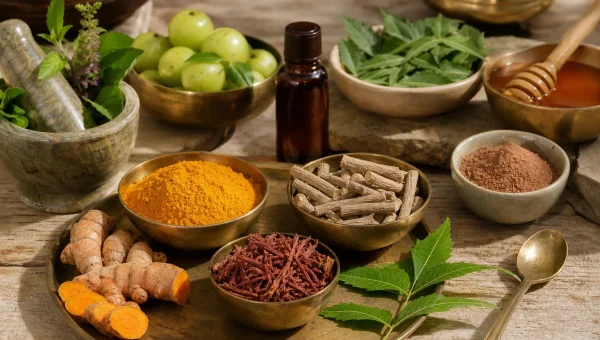
Bhringaraja or Bhringraj (Eclipta alba / Eclipta prostrata) is one of the most important Ayurvedic hair herbs. The Ayurvedic Pharmacopoeia of India lists it as keshya, meaning supportive to hair, and also describes it as rasayana, balya, vatahara, and kaphahara. For winter, a sesame-based Bhringraj Taila is usually the most suitable choice for dry, brittle, Vata-aggravated hair.
Look for a product that clearly states its base oil and ingredients. A sesame-based Bhringraj oil is preferable when the scalp feels dry, tight, cold, and undernourished. A coconut-based Bhringraj preparation may suit people whose scalp runs hot, red, or Pitta-dominant, but it may not be the best first choice for someone whose main complaint is winter dryness and static.
Other Excellent Winter Options
Different hair and scalp patterns need different oils. Choose the oil according to dryness, heat, flaking, sensitivity, and how easily your scalp becomes greasy.
- Neelibhringadi Taila: A traditional South Indian hair oil category associated with Bhringaraja, Neeli, and other hair-supportive herbs. It is often chosen when dryness is accompanied by premature greying concerns, heat, or dullness. Because many versions use coconut oil, warm it gently before application in winter and avoid leaving it on too long if your scalp becomes cold, heavy, or congested.
- Mahabhringraj Taila: A richer Bhringraj-based oil category used when dryness, roughness, and hair fall occur together. Use a reputable classical or pharmacy-made preparation, and avoid very heavy overnight oiling if you are prone to dandruff, folliculitis, or clogged follicles.
- Plain sesame oil: The simplest and often most reliable winter choice. It is suitable when the scalp is dry, the hair is coarse, and you want a low-risk, fragrance-free, herb-free option.
- Sesame oil with Brahmi: A good choice when dryness is accompanied by scalp tension, stress, or sleep disturbance. Brahmi is valued in Ayurveda for the mind and nervous system; in a hair routine, it is best treated as a calming companion herb rather than a miracle hair-growth ingredient.
The Complete Winter Hair Oiling Protocol
This is not a “put a few drops on and wash immediately” routine. The method matters. Each step increases softness, reduces rough handling, and gives the oil enough contact time to do its work.
Step 1: Warm the Oil Gently
Pour 2–4 tablespoons of oil into a small steel or glass bowl, adjusting the amount for hair length and thickness. Place that bowl in a larger bowl of hot water for a few minutes. Test the oil on your inner wrist before applying it. It should feel comfortably warm, never hot. Do not microwave medicated oils, and do not heat them directly on a flame, because overheating can damage delicate herbal preparations and irritate the scalp.
Step 2: Apply and Massage
Part the hair with your fingers or a wide-toothed comb. Apply the warm oil directly along the partings so it reaches the scalp instead of sitting only on the hair surface. Use the pads of your fingers, not your nails, and massage in slow circular movements for 8–10 minutes. The goal is not aggressive stimulation; the goal is even distribution, warmth, relaxation, and softening.
Spend extra care on the crown, the temples, the back of the head, and the area behind the ears. These areas often become tense, dry, or neglected during quick oiling. After the scalp is covered, spread the remaining oil through the hair length, especially the mid-lengths and ends. The ends are the oldest part of the hair shaft and usually need the most protection from friction.
Step 3: Use a Warm Towel Wrap
Soak a cotton towel in hot water, wring it thoroughly, and wrap it around the oiled head like a turban. The towel should be warm and comforting, not steaming or burning. Keep it on for 15–30 minutes. If it cools quickly, re-warm it once and wrap again. This step keeps the oil fluid, softens the hair, and creates a warm, moist environment that directly counters the dry, rough quality of winter.
Leave the oil on for at least 30 minutes. For very dry hair, 1–2 hours is often better. Overnight oiling is optional, not compulsory. Avoid overnight oiling if you have active dandruff, itching, scalp acne, folliculitis, sinus heaviness, or if the oil causes irritation. In those cases, a shorter, well-done pre-wash oiling is safer than sleeping with heavy oil on the scalp.
Step 4: Wash Without Stripping
The wash-out is where many people undo the benefit of oiling. A harsh detergent shampoo can remove the oil, but it can also leave the scalp tight and the hair squeaky, rough, and static-prone again. In winter, use the gentlest cleansing method that removes excess oil while leaving the hair comfortable.
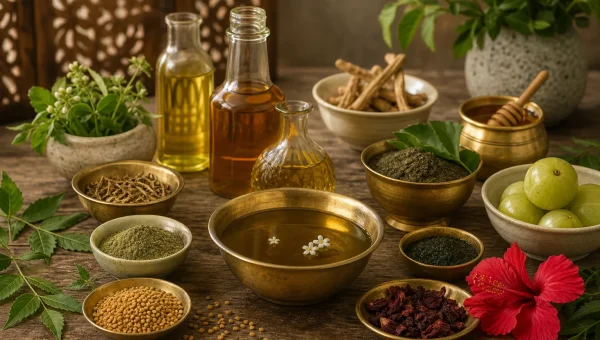
Option A: Shikakai paste. Mix 2–3 tablespoons of Shikakai powder (Acacia concinna) with warm water to make a smooth paste. Let it sit for 10 minutes, apply it to the scalp and hair, massage gently, and rinse thoroughly with warm water. Shikakai contains natural saponins and has a long history as a hair-cleansing herb. Keep it away from the eyes.
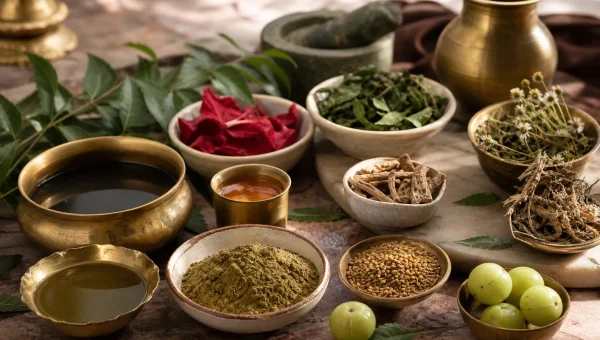
Option B: Custom herbal wash blend. Mix 2 tablespoons Shikakai powder, 1 tablespoon Reetha powder, 1 tablespoon Amalaki powder, and 1 teaspoon Methi powder. Add warm water and let the paste stand for 10–15 minutes before use. This blend cleanses, reduces excess oil, and leaves the hair softer than a harsh shampoo. Use less Reetha if your hair is very dry, because soapnut can feel too cleansing for some people.
Option C: Mild diluted shampoo. If herbal powders do not suit your scalp or your hair is very thick, use a mild sulfate-free shampoo diluted with water. Apply it mainly to the scalp, let the rinse water cleanse the lengths, and avoid repeated harsh lathering. One gentle wash is usually better than scrubbing three times until the hair feels dry.
Weekly vs. Twice Weekly: The Winter Debate
In traditional practice, head oiling was often linked with the rhythm of bathing and seasonal routine. For modern life, the right frequency depends on scalp type, hair texture, climate, and how often you wash your hair.
- Dry, Vata-dominant hair: Oil once or twice weekly. Choose sesame-based Bhringraj oil or plain sesame oil, use a warm towel, and give the oil at least 30 minutes.
- Normal or Pitta-type hair: Oil once weekly. Use Bhringraj oil, Neelibhringadi oil, or a lighter sesame-coconut blend depending on whether your scalp feels dry or hot.
- Oily or Kapha-type scalp: Oil once every 7–10 days, use less oil, and keep contact time shorter. Avoid sleeping with heavy oil on the scalp. Focus the oil more on the hair lengths if the scalp becomes greasy quickly.
- Dandruff-prone or itchy scalp: Do not automatically increase oiling. Heavy oil left too long can aggravate some scalp conditions. Use short pre-wash oiling only if it feels comfortable, and seek professional guidance if itching, scaling, redness, or hair fall is persistent.
The most common mistake is not oiling too little; it is oiling carelessly. Five rushed minutes followed by harsh shampoo does not give the same result as one calm winter oiling session with warm oil, a towel wrap, and a gentle wash.
Drying and Aftercare
After washing, squeeze water out gently instead of twisting or rubbing. Use a soft towel or cotton cloth. Detangle only after applying a small amount of leave-in protection or when the hair is damp and manageable. If you use a dryer, keep it on a low or medium setting, keep it moving, and hold it at a distance from the hair. High heat after oiling can leave the cuticle rough again and make winter static worse.
Between washes, apply one or two drops of oil to the palms, rub the hands together, and smooth only over the ends. Do not keep reapplying oil to the scalp every day unless your practitioner has specifically advised it. Winter hair care works best when oiling, cleansing, drying, and combing all become gentler together.
Safety and When to Stop
Patch test any new medicated oil or herbal powder before using it on the whole scalp. Stop if you notice burning, rash, swelling, severe itching, pustules, worsening dandruff, or sudden increase in hair fall. Do not apply oil over open wounds, active infection, or painful scalp lesions. Consult a qualified Ayurvedic practitioner, dermatologist, or healthcare provider before starting therapeutic oils or herbs if you are pregnant, managing a medical condition, using scalp medication, or experiencing persistent hair loss.
Your scalp responds to season, routine, sleep, digestion, stress, and cleansing habits. Give winter what it asks for: warmth, oiliness, patience, and gentleness. With a steady weekly protocol, the hair usually feels softer, breaks less during combing, and behaves more like nourished fibre instead of dry straw.
References
- Easyayurveda (easyayurveda.com)
- Easyayurveda (easyayurveda.com)
- Charaka Samhita — Vividhashitapitiya Adhyaya
- Ayurvedic Pharmacopoeia of India
- Dravyaguna notes
- Hair growth promoting activity of Eclipta alba in male albino rats (2008), PubMed
- Evaluation of Seasonal Changes in Facial Skin With and Without Acne (2015), PubMed
- Easyayurveda (easyayurveda.com)
- Preventive role of Sapindus species in different neurological and metabolic disorders (2022), PubMed Central
- Standardized Scalp Massage Results in Increased Hair Thickness by Inducing Stretching Forces to Dermal Papilla Cells in the Subcutaneous Tissue (2016), PubMed
- Hair shaft damage from heat and drying time of hair dryer (2011), PubMed Central
- Aad (aad.org)
- Effect of mineral oil, sunflower oil, and coconut oil on prevention of hair damage (2003), PubMed
- Easyayurveda (easyayurveda.com)
The ‘straw by December’ hair description was so accurate I laughed. Started the heavy winter oiling protocol from this article in late October. By December my hair was the best it’s been in 5 years. The bhringraj and sesame combination is the key.
My grandmother used to swear by this and now I understand why. The part about winter specifically matches what I observed in her health over the years.
How do you wash out a heavy oil treatment without requiring 3 or 4 shampoo rounds? I tried a proper oil treatment last winter and couldn’t get the oil fully out, which then attracted more dirt. A rinse-out protocol would be helpful.
The bhringraj oil in particular any guidance on whether the fresh herb infusion is significantly different from the commercially available bhringraj oil? Fresh is better in theory but access to the fresh herb is limited.
I liked the practical side of Winter Hair Oiling. This is the kind of detail readers can test slowly.
I liked the practical side of Winter Hair Oiling. The article avoids making it sound like a quick fix.
What’s the shelf life of the prepared winter formulations? I ask because some preparations I’ve used seemed less potent after 2-3 months.
The point about washing technique matters as much as the oil itself was unexpected. I’ve been double-shampooing for years thinking I was getting the oil out properly, but apparently the sequence — shampoo on dry hair before wetting — is what I’ve been doing wrong the whole time. Trying it this weekend.
The 30 minute minimum soak time I’ve been rushing this and doing 10 minutes which the article specifically says is insufficient. Going to set a proper timer this weekend.
Is there a lighter version of this protocol for Pitta types? The heavy oils seem right for Vata but I have an oily scalp naturally and don’t know if adding more oil is counterproductive for my constitution.
I tried the hot towel wrap last night and my scalp felt instantly softer.
Does anyone know if plain sesame oil works as well for very fine hair?
The thirty-minute minimum seems long, but I can see how rushing would waste the herbs.
Switching to shikakai powder made rinsing easier than my usual sulfate shampoo.
For Winter Hair Oiling, consistency seems like the hard part. Good starting point for a cautious reader.
how often should the hot towel wrap be done? twice a week or is daily too much for fine hair? नमस्ते
started the hot towel method two weeks ago after finding this. even with a cheap sesame oil from the grocery store the difference in how my scalp feels before and after is noticeable. was skeptical about the towel step but it genuinely does seem to help the oil absorb rather than just sitting on the surface
I’ve read that warming the oil helps absorption, and the warmth really does feel nice on cold days.
My nutritionist sent me this link 🌿
would prefer more citations in the text itself
tried 3 of the suggestions here. 2 worked well, 1 made no difference. good enough ratio for me
following this from UK, hard to find some of these herbs here
I wish more doctors knew about this approach
Very helpful, thank you
tried the DIY shikakai powder wash for 2 months. transition period is brutal, hair felt waxy for 3 weeks. then amazing
after 6 months of consistent oiling with brahmi infused oil my hair thickness noticeably improved. takes patience though
tried this for 30 days, mixed results. maybe my constitution assessment is wrong
just found this via Google search, is the protocol here still the current recommendation?
the translation of Sanskrit terms throughout helps a lot for those of us learning this system 🙌
what about hair loss from postpartum hormonal changes? the causes section mentions this but the treatment protocol doesn’t differentiate
not sure about some of the claims here. would like to see proper citations for the traditional references
my vaidya in Pune recommended exactly this. nice to see it confirmed here
This helped me understand Winter Hair Oiling without too much jargon. The main idea is clear even if someone is new to Ayurveda.
will try and report back. fingers crossed
useful info but hard to find a practitioner who does this type of treatment outside major cities
the quality of herbs varies so much between brands. really hard to replicate these results
🌿 this is the most detailed breakdown of the topic I’ve found. saving for reference
I was looking for a plain explanation of Winter Hair Oiling. This is the kind of detail readers can test slowly.
Doing this
sharing with my mom
the mineral deficiency angle is underplayed. most hair loss I see in my practice traces to iron and zinc before anything else
the basic concepts here match what I learned in my yoga teacher training
धन्यवाद for the detailed protocol 🙏
reading this in 2027, has anything changed about the dosage recommendations since this was published?
The Winter Hair Oiling angle is useful here. The timing advice is the part I would start with.
same here
the seasonal rotation idea is something I had never considered before
been following this blog for 6 months and this is one of the more grounded posts
I tried something similar on my own without guidance and had side effects. really recommend consulting a vaidya first
late to this but wanted to ask if anyone has combined these approaches with conventional treatment
my vaidya says the same thing about agni being central to everything
not sure if its the herbs or the diet changes that made the difference
good information but the references section would make this much more credible
which of these approaches works best for Kapha constitution? the article mixes all three doshas
Good read
same question as above, any substitute for herbs not available outside India?
💯 shikakai alone dried my scalp badly. the article could mention that some people need to add reetha to balance
does anyone know if these herbs are safe while on blood thinners? would really appreciate a response