
No One Tells You How Hard It Can Be
When I had my first baby, I assumed breastfeeding would just “happen.” Every parenting book made it sound so natural and instinctive. What actually happened was a painful, frustrating, guilt-ridden struggle that lasted weeks before things finally clicked. I had cracked nipples, a blocked duct, and milk supply anxiety that woke me up at 3 AM to pump obsessively. I remember crying in the bathroom, feeling like the worst mother in the world because my body could not do this “simple, natural” thing.
What helped me most was my aunt, who had studied Ayurvedic postpartum care and came to stay with us for three weeks. She brought herbs, spices, recipes, warm food, and a calm presence that made me feel less alone. Her message was simple: breastfeeding is natural, but that does not mean it is automatic. The mother also has to be nourished, rested, supported, and guided.
In Ayurveda, breast milk is called Stanya. It is classically described as an upadhatu or refined product connected with Rasa Dhatu, the nourishing fluid tissue formed after digestion. This is why Ayurvedic lactation care does not look only at the breast. It looks at the mother’s food, digestion, hydration, rest, emotional state, and the smooth flow of Prana Vayu that supports let-down and mother-baby bonding.
Problem 1: Low Milk Supply (Stanya Kshaya)
Ayurveda describes low or absent milk as Stanya Kshaya. The classical picture includes insufficient milk flow and loss of fullness in the breasts, but in real postpartum life the experience can also include fear, repeated checking, pumping anxiety, and worry that the baby is not getting enough. The first step is always practical: make sure the baby is latching well, transferring milk effectively, passing urine and stools appropriately, and gaining weight under professional guidance.
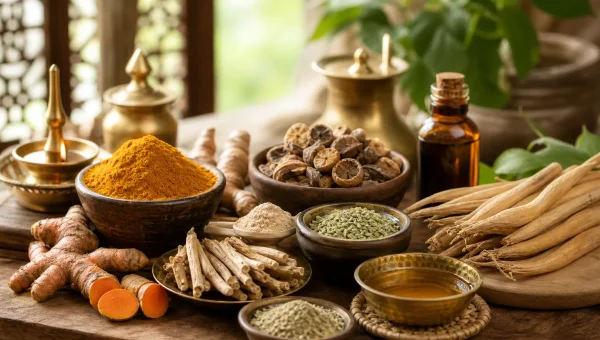
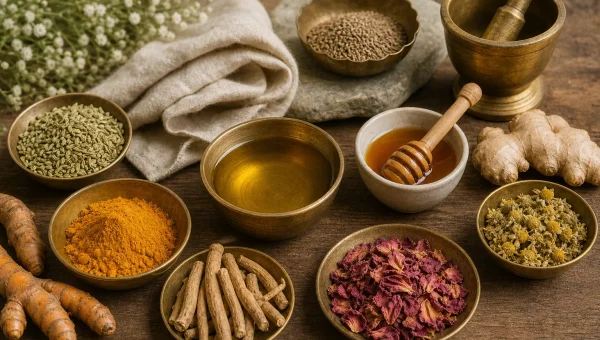
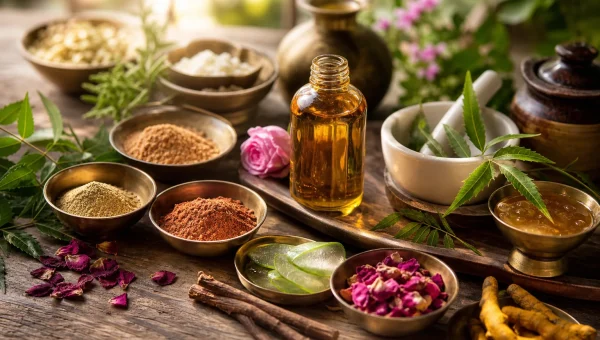
Ayurvedic Galactagogues and Food-Herbs
Ayurvedic herbs for lactation are best used as support, not as a substitute for effective milk removal, latch correction, adequate calories, sleep, and medical care when needed. The safest approach is to use food-herbs in traditional culinary forms where appropriate and to use concentrated powders, tablets, or extracts only with guidance from a qualified practitioner, especially while breastfeeding.
| Herb or Food-Herb | Traditional Name | How It Is Commonly Used | Ayurvedic Role | Safety Note |
|---|---|---|---|---|
| Shatavari (Asparagus racemosus) | Shatavari | Powder, granule, or tablet taken with warm milk or ghee under practitioner guidance | A classic stanyajanana herb used to nourish Rasa and support lactation | Use a reliable product and discuss use with a practitioner, especially if taking other medicines |
| Fenugreek (Trigonella foenum-graecum) | Methika / Methi | Soaked seeds, cooked foods, porridges, or postpartum laddus | Warming, digestive, and traditionally used in many lactation food preparations | Use caution with diabetes medicines, anticoagulants, asthma, legume allergy, or digestive sensitivity |
| Fennel (Foeniculum vulgare) | Saunf / Madhurika | Chewed after meals or prepared as a mild seed infusion | Supports digestion, gas relief, and maternal comfort after meals | Avoid concentrated fennel oil or excessive medicinal use; avoid if allergic to Apiaceae-family plants |
| Moringa leaves (Moringa oleifera) | Shigru Patra | Cooked as leafy vegetable, soup, or used as a supervised powder | Nutrient-dense food-herb useful when the mother needs rebuilding nourishment | Food amounts are usually preferred; seek guidance with clotting disorders or anticoagulant medicines |
| Garlic (Allium sativum) | Lashuna / Lasuna | Cooked in food, soups, or traditional garlic milk when tolerated | Used in classical lactation-supportive diet to kindle digestion and support channel movement | Avoid excess if it worsens reflux, infant fussiness, bleeding tendency, or medicine interactions |
My aunt’s favorite support was warm milk with Shatavari and a small amount of ghee, along with simple fenugreek-rich foods. The deeper lesson was not that one herb solved everything. It was that warm, regular meals, rest, calm feeding time, and good latch support gave my body the conditions it needed. For a deeper look at Moringa as a nourishing food-herb, see Moringa: Clinically Validated Superfood.
Dietary Support for Milk Production
Because Stanya is closely linked with Rasa Dhatu, the postpartum diet should be warm, moist, nourishing, and easy to digest. Classical Ayurvedic guidance for low milk emphasizes restoring the mother’s strength with suitable grains, milk or ghee where tolerated, soups, pulses, and digestion-supporting spices. The aim is not overeating or forcing heavy foods, but steady nourishment that the mother can actually digest.
- Eat warm, freshly cooked meals at regular times, especially during the first weeks postpartum.
- Use rice, wheat preparations, oats, or other soft grains with enough moisture and fat to make them easy to digest.
- Favor mung dal soups, khichadi, vegetable stews, and other gentle protein-rich foods.
- Use ghee in moderation if it suits digestion; avoid forcing large amounts if it causes heaviness or nausea.
- Add cumin, fennel, ajwain, ginger, or coriander in small amounts to support digestion and reduce gas.
- Include soaked almonds, dates, sesame preparations, or postpartum laddus when they suit the mother’s appetite and constitution.
- Avoid skipping meals, crash dieting, excessive fasting, and very dry, cold, raw, or irregular eating patterns.
- Do not use bitter, pungent, or astringent herbs aggressively during active lactation unless supervised.
Problem 2: Blocked Ducts (Stanyavaha Srotas Avarodha)
A blocked duct usually feels like a tender lump or sore area in the breast. From an Ayurvedic viewpoint, this resembles obstruction in the milk-carrying channels, where Kapha-type heaviness and stagnation combine with Vata-type pain and constriction. The goal is to restore gentle flow without injuring the breast tissue.
Immediate Relief Protocol
The safest first response is gentle, consistent drainage and reduction of swelling. Avoid the old habit of aggressive squeezing, deep massage, or pumping far beyond the baby’s normal need, because this can worsen inflammation and increase demand.
- Continue feeding or expressing as needed: Keep breastfeeding from the affected side if possible, or express enough for comfort if the baby cannot feed well. Do not suddenly stop breastfeeding.
- Use brief warmth before feeding: A short warm compress or warm shower before a feed can help let-down. Avoid prolonged heat if the breast is very swollen or inflamed.
- Massage gently, not forcefully: Use light strokes toward the nipple during feeding or light lymphatic strokes away from the swollen area between feeds. The touch should never be painful.
- Try a comfortable feeding position: Vary positions so the breast drains more evenly. If it is comfortable, place the baby so feeding naturally supports drainage from the tender area.
- Use cold after feeding: A cool compress between feeds can reduce swelling and pain.
- Eat light, warm, digestible meals: During a blocked-duct episode, favor soups, khichadi, cumin-fennel water, and simple warm foods. Reduce very heavy, cold, oily, or sweet foods for a day or two if they increase heaviness.
Preventing Recurrence
Blocked ducts often return when milk removal is irregular, the latch is shallow, clothing compresses the breast, or pumping creates more supply than the baby needs. Prevention is less about force and more about rhythm, fit, and flow.
- Check latch and feeding position with a certified lactation consultant if ducts keep recurring.
- Wear a well-fitted, non-restrictive bra and avoid tight straps, underwires, or pressure from baby carriers.
- Respond to the baby’s feeding cues instead of stretching feeds too long in the early weeks.
- If pumping, check flange size and avoid unnecessary extra pumping sessions.
- Avoid sleeping positions that put steady pressure on one breast.
- Support Vata with rest, warmth, gentle oiling of the body away from the nipple area, and regular meals.
Problem 3: Oversupply (Stanya Vriddhi / Hyperlactation)
Oversupply can be just as distressing as low supply. The mother may feel constantly full, leak heavily, develop recurrent blocked ducts, or experience forceful let-down. The baby may cough, pull off, gulp, become gassy, or seem unsettled at the breast. Ayurveda recognizes an increased state of Stanya, and the practical goal is to regulate flow gradually without creating stagnation, pain, or mastitis.
Gentle Supply Regulation
Oversupply should be reduced slowly. Abruptly stopping feeds, suddenly stopping pumping, or using strong drying herbs can create new blockage. Work with a lactation professional if the baby is struggling with flow, weight gain is unusual, or mastitis keeps recurring.
| Approach | Method | Purpose | Caution |
|---|---|---|---|
| Laid-back or side-lying feeding | Feed in a reclined position so gravity slows the milk flow | Helps the baby manage a strong let-down | Make sure the baby’s airway remains clear and latch is stable |
| Block feeding with guidance | Offer the same breast for a set block of time, often starting around 2-3 hours | Reduces repeated stimulation and helps regulate supply | Use temporarily and watch the unused breast for painful fullness or plugs |
| Reduce extra pumping gradually | Shorten or remove non-essential pumping sessions step by step | Lowers demand without sudden stagnation | Express only enough for comfort if painfully full |
| Cool compress or chilled cabbage leaf | Apply briefly to an engorged breast for comfort | Reduces swelling and discomfort | Remove if skin irritation occurs and avoid prolonged use |
| Kapha moderation in diet | Temporarily reduce very heavy, sweet, oily foods while keeping meals nourishing | Balances heaviness without starving the mother | Do not restrict fluids, crash diet, or skip meals |
Strong milk-drying herbs such as sage preparations, concentrated peppermint products, or aggressive bitter-astringent regimens should not be used casually while actively breastfeeding. If the goal is weaning or major supply reduction, it should be done with professional guidance so the mother does not develop engorgement, blocked ducts, or mastitis.
Problem 4: Nipple Pain and Cracking
Cracked nipples are one of the most common reasons mothers dread breastfeeding or stop earlier than they hoped. Ayurveda would view the local picture as dryness, heat, friction, and vrana-like tissue injury, but the root cause is often mechanical: a shallow latch, poor positioning, tongue-tie, pump trauma, or repeated friction.
Healing Protocol
Topical soothing can help, but nipple cracks rarely heal fully if the same painful latch continues at every feed. Combine local care with skilled feeding support.
- Correct the latch first: If the nipple comes out flattened, white, pinched, or wedge-shaped, get help from a lactation consultant or trained breastfeeding supporter.
- Use expressed breast milk: After feeding, express a few drops of milk, spread it over the nipple, and allow it to air-dry.
- Protect the skin: Use a clean breastfeeding-safe nipple balm if needed. Traditional ghee or washed ghee preparations should be used only in a very thin layer from a hygienic source, with excess wiped before feeding.
- Avoid herbal pastes on open cracks: Do not apply sandalwood, licorice, turmeric, or other herbal powders to bleeding nipples unless a qualified practitioner and lactation professional specifically advise it.
- Rest the nipple if pain is severe: Hand express or pump gently for a short break if direct feeding is unbearable, while keeping milk moving and working on the cause.
- Seek help quickly: Cracked, bleeding, worsening, or infected-looking nipples deserve prompt professional assessment.
Problem 5: Mastitis and Breast Abscess Warning Signs
Mastitis is not a situation for self-treatment. It can include a hot, painful, swollen area of the breast along with fever, chills, body aches, and feeling flu-like. Ayurveda’s idea of severe inflammatory swelling or vidradhi becomes more relevant when an abscess-like collection develops, but feverish breast inflammation should be treated as urgent postpartum care.
If breast symptoms come with fever, marked redness, severe pain, worsening illness, or no improvement within a short period, contact a healthcare provider promptly. Antibiotics may be needed, and an abscess may require drainage. Ayurvedic care can support recovery only when it does not delay medical treatment.
- Continue breastfeeding or expressing as the baby needs unless your healthcare provider advises otherwise.
- Do not suddenly stop feeding from the affected breast, because milk stasis can worsen the condition.
- Rest as much as possible and keep food light, warm, and easy to digest.
- Use cold compresses for swelling and pain; use warmth only briefly if it helps let-down.
- Avoid deep massage, forceful squeezing, excessive pumping, or prolonged heat.
- Use internal Ayurvedic medicines or medicated pastes only under the supervision of a qualified Ayurvedic practitioner and alongside medical care.
The Emotional Component: What Nobody Talks About Enough
Breastfeeding problems are not just physical. They carry guilt, anxiety, resentment, grief, fear, and a sense of failure that can be devastating. Classical Ayurveda directly connects lactation with the mother’s mental and emotional state. Anger, grief, fear, lack of emotional connection, fasting, exhaustion, and overexertion are all recognized as factors that can disturb milk production or flow.
This is why postpartum lactation support must include saumanasya, a settled and supported state of mind. A warm room, a calm feeding corner, someone bringing food and water, reassurance from an experienced helper, and permission to rest can be as important as any herb. The let-down reflex is especially sensitive to pain, fear, stress, and feeling watched or judged.
Please hear this clearly: however you feed your baby, you are a good mother. If breastfeeding is not working despite your best efforts, supplementing with expressed milk, donor milk, or formula while you get help is not failure. It is responsible, loving parenting. Ayurveda can support many breastfeeding challenges, but it is not a magic solution, and there are situations where the healthiest choice for both mother and baby is to modify expectations.
For sleep support during the demanding postpartum period, see Beyond Ashwagandha: 5 Sleep Remedies.
Medical Disclaimer: This article is for educational purposes only and does not constitute medical advice. Breastfeeding problems can have underlying causes that require professional evaluation. If you experience persistent low milk supply, recurrent blocked ducts, symptoms of mastitis, fever, severe breast pain, redness, cracked or bleeding nipples, or if your baby is not gaining weight adequately, consult your healthcare provider and a certified lactation consultant immediately. Discuss herbs, supplements, medicated oils, and Ayurvedic medicines with a qualified Ayurvedic practitioner and your healthcare provider before use while breastfeeding.
References
- Charaka Samhita — Stanya
- NCBI
- NCBI
- NCBI
- NCBI
- Maternal diet alters the sensory qualities of human milk and the nursling’s behavior (1991), PubMed
- NHS
- Mayoclinichealthsystem (mayoclinichealthsystem.org)
- My (my.clevelandclinic.org)
- Laleche (laleche.org.uk)
- NCBI
- The effectiveness of cabbage leaf application (treatment) on pain and hardness in breast engorgement and its effect on the duration of breastfeeding (2012), PubMed
- NHS
- Breastfeeding (breastfeeding.asn.au)
I tried shatavari for two months following a similar protocol and saw zero improvement. Not sure if dosage was wrong or the formulation matters that much.
@Amy My practitioner said the same thing about fenugreek. Results vary by individual constitution.
Where is the evidence for the breastfeeding dosage recommended here? I could not find any peer-reviewed backing in the Indian Journal of Ayurveda for these specific numbers.
How long does it typically take before the breastfeeding effects become measurable in blood markers? My next labs are in three months.
this helped. been confused about breastfeeding timing for weeks now
anyone here tried milk supply for the specific issue in the article? what was your experience
first time trying breastfeeding properly after reading this. fingers crossed it helps with the fatigue
Quick question: is the shatavari dose mentioned here for KSM-66 extract or full-spectrum powder? The potency difference is significant.
The formulation type matters a lot for shatavari. Churna vs capsule vs kashayam gave me different results.
My grandmother used fenugreek for decades. Reading the science behind it here connects the dots for me in a satisfying way.
Not sure I agree on milk supply being suitable for Vata-Pitta. My experience was different.
Curious what your experience was with Vata-Pitta specifically — did the milk supply issue respond differently to shatavari, or was it more the blocked duct side that didn’t match? I’m dual dosha and have been hesitant to try fenugreek for exactly that reason, wondering if constitution made a real difference for you.
dosw for kids same or diff
The article focuses specifically on breastfeeding support for nursing mothers, so shatavari in that context is really about lactation. For an 11-year-old with different needs, the herb might still be relevant but the reasoning and dosing would be entirely different. A paediatric Ayurveda specialist would be the right starting point rather than adapting from a breastfeeding protocol.
how long do u need to take fenugreek before results show? been 3 weeks, nothing yet
does brand matter for breastfeeding or is generic fine
Does the quality of fenugreek source matter significantly? Organic vs non-organic makes a big cost difference where I live.
The article glosses over contraindications for shatavari. People on blood thinners really need to know this before starting.
That’s a fair concern to raise. Shatavari is generally considered gentle, but the article doesn’t address interactions with anticoagulants at all, and that’s a real gap. Anyone on blood thinners should probably check with their GP or a qualified Ayurvedic practitioner before adding it, especially postpartum when clotting factors are already in flux.
Would have appreciated actual study citations for the shatavari claims. The references section is thin for something presented as clinical fact.
Totally agree on the citations. The shatavari galactagogue claim in particular has some actual clinical research behind it that would have strengthened the article if they’d linked to it. There’s a small RCT from 2011 that showed increased prolactin levels — would have been worth including rather than presenting it as established fact without a reference.
is shatavari ok during pregnancy? asking for my wife who is in second trimester
The post is specifically about breastfeeding support for nursing mothers, so it wouldn’t apply to an 11-year-old. If your daughter is having a separate health concern, a paediatric Ayurveda practitioner could guide you toward age-appropriate herbs and doses rather than adapting an adult lactation protocol.
I dealt with low supply around week three postpartum and started the shatavari ghee the article mentions. Took about two weeks to notice a difference in let-down frequency, and the warm sesame oil compress really did help with a stubborn blocked duct I had on the left side. Wasn’t a magic fix but it made a noticeable difference when nothing else was working.
i have pitta excess and fenugreek worked fine for me, but started at lower dose
Same experience with breastfeeding here. Took me about 6 weeks to notice real change.
the decoction method for shatavari is a bit confusing, is there a simpler version
The traditional method is a bit involved, but if the decoction feels like too much, shatavari churna (powder) mixed into warm milk with a little ghee and honey is simpler and pretty widely used. Some people also use capsule form if they want to avoid the taste altogether, though the classical texts do prefer the decoction for lactation support specifically. ✨
tried the breastfeeding recipe from section 3 last week, tasted awful but felt lighter the next morning lol
Fenugreek used as a galactagogue is specifically for lactating mothers to support milk supply — that’s the context the article is written for. For an 11-year-old, it really wouldn’t be appropriate or applicable, and any herb use for a child that age should go through a paediatric practitioner who can assess what’s actually needed.
bought breastfeeding from a random brand and got no results. does quality vary that much between suppliers?
didnt work for me milk supply waste of money tbh
my vaidya suggested breastfeeding but never explained the why. this article fills that gap 🙏
does brand matter for shatavari or is generic fine
honestly try shatavari for at least 3 months before deciding it doesnt work
honestly try fenugreek for at least 3 months before deciding it doesnt work
Useful info.
What kind of useful info did you find most helpful? I am still figuring out whether to try shatavari or saunf first for supply.
been taking fenugreek for like 6 weeks and honestly sleep is better. never expected it to work this fast tbh
The story about the aunt bringing a suitcase of herbs really resonates; I wonder how many families have similar traditional support.
bought shatavari from a random brand and got no results. does quality vary that much between suppliers?
this helped. been confused about shatavari timing for weeks now
Is breastfeeding safe to use alongside SSRIs? My psychiatrist has not cleared any supplements and I want to go in informed.
This article came at exactly the right time for me. I had a blocked duct last week and had no idea warm oil massage could help so much. The section on mastitis warning signs was especially reassuring.
dosage info not clear enuf
the studies quoted for fenugreek are like 10 years old, anything more recent? नमस्ते
didnt work for me fenugreek waste of money tbh
first time trying milk supply properly after reading this. fingers crossed it helps with the fatigue
Is there a seasonal consideration for milk supply? I read elsewhere that some adaptogens should be paused in summer. 🌿
bought fenugreek from a random brand and got no results. does quality vary that much between suppliers? 🙌
Been using breastfeeding for three weeks now and the difference in energy is noticeable. The morning fatigue that used to hit by 11am has reduced quite a bit.
My doctor actually recommended milk supply last month, so finding this detailed explanation of the dosing schedule is exactly what I needed.
Does the quality of shatavari source matter significantly? Organic vs non-organic makes a big cost difference where I live.
I asked my rheumatologist about milk supply and he was dismissive, citing no RCT data. Would love to know which studies this article draws from.
The 3 AM pumping anxiety the author describes is so real. I went through the same thing with my second baby and wish I had known about shatavari earlier. The part about galactagogues and diet together made a lot of sense.
I tried the warm sesame oil massage for a sore spot and felt relief within a day.
Where is the evidence for the fenugreek dosage recommended here? I could not find any peer-reviewed backing in the Indian Journal of Ayurveda for these specific numbers.
the dosage chart for fenugreek is really helpful. been overdoing it apparently
I am Vata-Pitta constitution. Would the breastfeeding protocol here need modification or is it generally dosha-agnostic?
Going through the blocked duct struggle right now and this article is the clearest explanation I have found. Did not realize stress and hydration were such big factors alongside the herbal support. Really practical breakdown.
Hair loss is definitely a separate topic but bhringraj oil and amla are the ones most people mention. Might be worth searching this site for a dedicated post on it.
There are a couple of posts on this blog about hair care actually, might be a better place to ask. For what it is worth, bhringraj came up a lot when I was looking into it.
That’s a fair concern. I found fenugreek worked better when I also adjusted my diet simultaneously.
That is a really good point about diet. I found the same thing with shatavari — adding more warming foods alongside it seemed to help it work faster. Did you make specific changes or just general improvements?
I asked my vaidya the same question about shatavari. He said constitution matters more than standard dose.
That’s a fair concern. I found milk supply worked better when I also adjusted my diet simultaneously.
The article glosses over contraindications for breastfeeding. People on blood thinners really need to know this before starting.
my practitioner told me something different about breastfeeding. this article contradicts what i was told
What specifically did your practitioner say? I am curious whether it was about dosage timing or about combining herbs, because the article does not go deeply into the contraindications side.
can i take milk supply wid metformin?? 💯
the decoction method for milk supply is a bit confusing, is there a simpler version
The formulation type matters a lot for breastfeeding. Churna vs capsule vs kashayam gave me different results.
my aunt has been doing fenugreek for years, finally understand why it actually helps after reading this 💯
Does the Dashamoola Kashaya compress work as well as a regular warm washcloth for easing duct pain?
tryd breastfeeding nothing happend
The article glosses over contraindications for milk supply. People on blood thinners really need to know this before starting.
How long does it typically take before the milk supply effects become measurable in blood markers? My next labs are in three months.
tried milk supply for months, did nothing for me honestly. maybe doesnt work for everyone
how long do u need to take breastfeeding before results show? been 3 weeks, nothing yet
anyone here tried fenugreek for the specific issue in the article? what was your experience
can you combine breastfeeding with milk supply or is that too much at once 💯
The part about early mastitis really got me. I thought I just had a hard lump and ignored it for two days before it got worse. Wish I had read something like this the first week postpartum. 🙌
Good one.
Can you share a bit more? Longer than the article suggests how — weeks or months? I am early postpartum and trying to figure out realistic expectations.
That lines up with what my midwife said too — some bodies just need more time, especially if you had a difficult delivery or a lot of stress in the first few weeks. Glad it eventually worked for you.
tried the shatavari recipe from section 3 last week, tasted awful but felt lighter the next morning lol
Does the quality of breastfeeding source matter significantly? Organic vs non-organic makes a big cost difference where I live.
It’s helpful to see the dietary advice broken down into sweet, unctuous, and heavy foods; I never thought about ghee quantity affecting milk.
my practitioner told me something different about shatavari. this article contradicts what i was told
I tried fenugreek for two months following a similar protocol and saw zero improvement. Not sure if dosage was wrong or the formulation matters that much. 🌿
That’s a fair concern. I found shatavari worked better when I also adjusted my diet simultaneously.
i have pitta excess and breastfeeding worked fine for me, but started at lower dose
anyone here tried milk supply for the specific issue in the article? what was your experience 🙏
same here, fenugreek helped me but took longer than the article suggests
For the milk supply preparation described, does the water temperature affect the active compounds during the decoction process? 🙌
I asked my rheumatologist about fenugreek and he was dismissive, citing no RCT data. Would love to know which studies this article draws from.
gr8 info on milk supply thanku
finally something practical. been reading about fenugreek for months and this is the first clear how-to
Reading about the emotional side made me reflect on how guilt can linger even when supply improves.
@Kiran My practitioner said the same thing about breastfeeding. Results vary by individual constitution.
Does the quality of milk supply source matter significantly? Organic vs non-organic makes a big cost difference where I live.
where r the studies for breastfeeding tho