
Ayurvedic constitutional typing is most useful in allergy care when it is treated as pattern recognition rather than as a one-to-one laboratory prediction. A person with a Vata-dominant presentation often reacts in a variable, dry, stress-sensitive way; a Pitta-dominant presentation often shows heat, redness, burning, and intensity; a Kapha-dominant presentation often shows mucus, heaviness, congestion, and slow resolution. This Dosha-allergy signature can guide diet, season care, digestive correction, and herb selection while remaining compatible with modern allergy testing and emergency medical care.
Modern work on Prakriti has given a contemporary vocabulary to the older Ayurvedic idea that constitution influences physiology. Ayurveda still evaluates allergy through the person in front of the physician: Prakriti, Vikriti, Agni, Ama, Srotas, season, tissue involvement, diet, sleep, and trigger pattern. The goal is not to label every allergy as “Vata,” “Pitta,” or “Kapha,” but to identify the dominant pattern so management becomes more precise.
The Immunological Framework: How Doshas Map to Allergic Mechanisms
Modern allergy language and Ayurvedic language describe different layers of the same presentation. IgE-mediated allergy, delayed hypersensitivity, food-associated reactions, asthma-like symptoms, rhinitis, urticaria, and dermatitis are medical categories. Ayurveda reads the same presentation by Dosha quality, tissue location, channel involvement, digestive strength, and seasonal aggravation. Used carefully, the two frameworks can sit side by side without forcing an exact equivalence.
Immediate IgE-mediated reactions: Rapid symptoms such as hives, sneezing, wheeze, allergic rhinitis, and anaphylaxis involve mast cells and histamine in modern terminology. In Ayurvedic pattern language, these often present as Pitta-Kapha when redness, heat, itching, and swelling combine with mucus, congestion, and tissue heaviness. Pitta explains the heat and inflammatory sharpness; Kapha explains the swelling, secretions, and mucosal load.
Delayed skin and contact reactions: Contact dermatitis and delayed inflammatory skin reactions are often read as Pitta with Vata involvement when heat, redness, itching, dryness, roughness, and irregular spread coexist. Pitta gives the burning and redness; Vata gives dryness, hypersensitivity, variability, and a tendency for symptoms to move or flare with stress and poor sleep.
Food-associated reactions: Ayurveda places digestive strength at the center of food intolerance patterns. When Agni is weak, heavy, incompatible, irregular, or excessive food can produce Ama and disturb the channels. Vata patterns tend toward gas, bloating, cramping, and variable stools; Pitta patterns tend toward burning, sourness, loose stools, heat, and irritation; Kapha patterns tend toward heaviness, mucus, sluggishness, and congestion after food.
The Vata Allergy Pattern
The Vata-dominant allergy pattern is marked by variability, dryness, sensitivity, and nervous-system involvement. Symptoms may change from day to day, move from one site to another, or flare during travel, stress, fasting, cold wind, dry weather, irregular meals, or sleep deprivation. Management focuses on rhythm, warmth, nourishment, stable digestion, and calming the overactive reactive pattern.
- Itching or irritation that changes location or intensity
- Dry nasal passages, dry cough, dry scaling rashes, or rough skin
- Strong sensitivity to smell, smoke, chemicals, cold air, or overstimulation
- Symptoms worse with stress, anxiety, travel, late nights, fasting, and irregular eating
- Associated bloating, gas, abdominal cramping, or variable bowel movements
- Restlessness, worry, disturbed sleep, or nervous agitation during flares
Vata-oriented care: Regular meals, warm cooked food, adequate sleep, oil-based external care, warm fluids, and avoidance of excess raw, cold, dry, or irregular eating are the foundation. Very strong cleansing, fasting, and drying herbs can aggravate this pattern unless carefully supervised.
Ashwagandha (Withania somnifera) is classically described as a Rasayana and Balya herb with Vata-Kapha pacifying action. In an allergy context it belongs most naturally to Vata patterns where chronic stress, poor sleep, depletion, and heightened reactivity are part of the clinical picture. It is not an emergency allergy medicine and should not be used as a substitute for prescribed allergy treatment.
The Pitta Allergy Pattern
The Pitta-dominant allergy pattern is marked by heat, redness, burning, sharpness, and intensity. It commonly appears in hot urticaria-like presentations, red inflamed dermatitis, burning eye symptoms, heat-aggravated rhinitis, and food reactions that feel acidic, burning, or inflammatory. Management focuses on cooling the system, reducing heat triggers, protecting the skin and eyes, and choosing bitter or Pitta-pacifying support where appropriate.
- Hives or rashes with redness, heat, burning, and sharp itching
- Allergic contact dermatitis that looks hot, inflamed, or angry rather than dry and rough
- Eye allergy with redness, burning, light sensitivity, or heat sensation
- Symptoms worse in summer, sun exposure, hot rooms, anger, alcohol, spicy food, sour food, or fermented food
- Food reactions with acidity, burning, loose stools, or intestinal heat
- Irritability, impatience, frustration, or heat in the mind during allergy flares
Pitta-oriented care: Cooling, simple, non-spicy meals; adequate hydration; avoidance of overheating; and reduction of alcohol, excess sourness, excess fermentation, and fried foods are the core measures. Skin and eye symptoms with heat should be assessed carefully, because infection, drug reaction, autoimmune disease, and severe allergy can mimic simple Pitta aggravation.
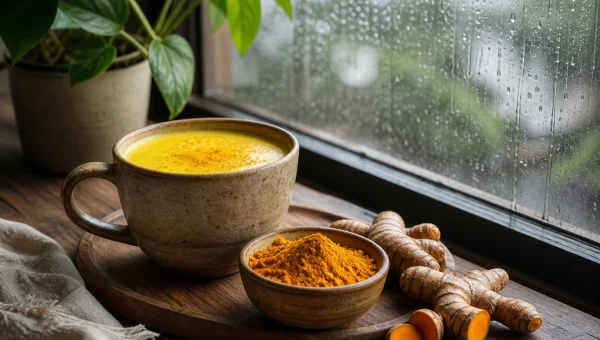
Haridra (Curcuma longa, turmeric) is listed in the Ayurvedic Pharmacopoeia of India with Katu-Tikta Rasa, Ruksha Guna, Ushna Virya, Katu Vipaka, and Kaphapittanut action, with classical indications including Shitapitta and Pinasa. It is best understood in allergy patterns where itching, Kapha-Pitta involvement, skin disturbance, or rhinitis-like symptoms are present, while its heating quality should be considered in very high-Pitta individuals.
Guduchi (Tinospora cordifolia) is described with Tikta-Kashaya Rasa, Laghu Guna, Ushna Virya, Madhura Vipaka, Rasayana action, and Tridoshashamaka effect. In Pitta-type allergy care it is often selected not because it is cold, but because it supports resilience, digestion, and immune balance without being as sharply heating as pungent Kapha-reducing formulas.
Nimba (Azadirachta indica, neem leaf) is Tikta, Ruksha, Shita, Katu in Vipaka, and Pittanashaka in the Ayurvedic Pharmacopoeia of India. It belongs most naturally to hot, itchy, inflamed skin patterns, especially when Pitta and Rakta involvement are prominent. Because it is drying and bitter, it can aggravate Vata-type dryness if used casually.
The Kapha Allergy Pattern
The Kapha-dominant allergy pattern is marked by mucus, heaviness, swelling, congestion, dampness, and slow resolution. It is common in spring aggravation, chronic rhinitis, post-nasal drip, productive cough, sinus heaviness, and food-triggered mucus after dairy, sweets, cold drinks, or heavy meals. Management focuses on lightening Kapha, kindling Agni, clearing Pranavaha Srotas, and reducing damp, cold, heavy inputs.
- Chronic nasal congestion, post-nasal drip, sinus heaviness, or thick mucus
- Slow onset and slow resolution, with symptoms lingering for days or weeks
- Spring aggravation, especially during Vasanta when Kapha naturally liquefies and becomes active
- Worse symptoms in cold, damp, cloudy, heavy, or sedentary conditions
- Food-related congestion after dairy, sweets, fried foods, cold drinks, or overeating
- Lethargy, heaviness, dullness, or sluggish mood during allergy episodes
Kapha-oriented care: Warm, light, dry, mildly spiced meals; regular movement; avoidance of day sleep; reduction of dairy, sweets, cold foods, and heavy dinners; and attention to Agni are central. In this pattern, clearing mucus without over-drying the tissues is the practical balance.
Trikatu is the classical three-pungent combination of Pippali, Maricha, and Shunthi. It is used for Agnimandya, Ama-associated heaviness, Pinasa, Kasa, and Kapha-type obstruction. In allergy care it fits mucus-heavy, sluggish, cold, damp Kapha presentations, but it is not suitable for everyone; high Pitta, gastritis, ulcers, pregnancy, and medication use require professional supervision.
Vasa (Adhatoda vasica) is described in the Ayurvedic Pharmacopoeia of India with Tikta-Kashaya Rasa, Laghu Guna, Shita Virya, Katu Vipaka, Kaphapittahara and Kasaghna actions, with uses including Kasa and Shvasa. It fits respiratory patterns where cough, phlegm, and breathing-channel irritation are prominent, especially when chosen by a practitioner according to the full Dosha picture.
Pushkarmoola (Inula racemosa) is traditionally used in respiratory patterns involving cough, dyspnea, chest discomfort, and Kapha-Vata obstruction. It is best kept in the practitioner-supervised category rather than used casually as a home remedy.
Cross-Dosha Tool: Dosha-Allergy Assessment Quick Guide
This quick guide is a practical screening tool, not a diagnosis. Many people show mixed patterns: Vata-Pitta skin allergy, Pitta-Kapha urticaria with swelling, or Kapha-Vata asthma-like congestion with spasmodic cough. The dominant quality during the flare is more important than the person’s lifelong constitution alone.
| Characteristic | Vata Pattern | Pitta Pattern | Kapha Pattern |
|---|---|---|---|
| Primary quality | Dry, variable, sensitive, shifting | Hot, red, burning, sharp | Heavy, damp, swollen, mucus-forming |
| Common location | Dry skin, nerves, colon, dry airways | Skin, eyes, blood-heat patterns, small intestine | Nose, sinuses, lungs, throat, respiratory mucosa |
| Onset and course | Irregular, unpredictable, often stress-linked | Rapid, intense, inflamed | Slow, persistent, lingering |
| Typical triggers | Cold, dry wind, stress, travel, fasting, poor sleep | Heat, sun, spicy food, sour food, fermented food, alcohol | Damp weather, spring, dairy, sweets, cold food, overeating |
| Diet focus | Warm, cooked, moist, regular, grounding | Cooling, simple, non-spicy, not overly sour or fermented | Light, warm, dry, mildly spiced, low in dairy and sweets |
| Common herbal direction | Rasayana and Vata-calming support such as Ashwagandha when appropriate | Guduchi, Haridra, Nimba when matched to heat and skin signs | Trikatu, Vasa, Pushkarmoola when matched to mucus and respiratory signs |
Ama, Agni, and Srotas as the Underlying Driver
Across all three Dosha patterns, Ayurveda gives central importance to Agni. When digestion is weak, irregular, overloaded, or disturbed by incompatible combinations, Ama can form and burden the channels. In allergy-pattern care, this means that herb selection alone is incomplete unless meal timing, food quality, bowel regularity, sleep, and seasonal routine are also corrected.
For Vata, the Agni plan is warmth and regularity. For Pitta, it is cooling simplicity and avoidance of excess heat. For Kapha, it is lightening, warming, and reducing heaviness. This is why two people with the same medical label, such as allergic rhinitis, may receive different Ayurvedic advice: one needs Vata calming, another needs Pitta cooling, and another needs Kapha clearing.
Allergies can be serious and sometimes life-threatening. Anaphylaxis, wheezing, throat tightness, facial or tongue swelling, faintness, severe hives, or rapidly worsening symptoms require urgent medical care. Epinephrine prescribed by a physician is first-line emergency treatment for anaphylaxis; herbs, diet, steam, oils, or breathing practices are not substitutes. People with known severe allergies should follow their allergist’s emergency plan and carry prescribed epinephrine.
Disclaimer: This article is educational and does not diagnose, treat, or prevent any disease. Consult a qualified allergist, physician, and Ayurvedic practitioner before starting herbs, supplements, Nasya, detoxification, or therapeutic protocols, especially if pregnant, breastfeeding, treating a child, managing asthma or autoimmune disease, taking medication, or having a history of severe allergy. Herbs can cause allergic reactions or interact with medicines in sensitive individuals.
References
- Genome-wide analysis correlates Ayurveda Prakriti (2015), PubMed
- Whole genome expression and biochemical correlates of extreme constitutional types defined in Ayurveda (2008), PubMed Central
- Prakriti and its associations with metabolism, chronic diseases, and genotypes: Possibilities of new born screening and a lifetime of personalized prevention (2014), PubMed Central
- NCBI
- NCBI
- Intestinal Barrier Permeability in Allergic Diseases (2022), PubMed Central
- NCBI
- Neuroimmune connections between corticotropin-releasing hormone and mast cells: novel strategies for the treatment of neurodegenerative diseases (2021), PubMed Central
- Ritucharya: Answer to the lifestyle disorders (2011), PubMed Central
- Ayurveda Management of Allergic Rhinitis: Protocol for a Randomized Controlled Trial (2024), PubMed Central
- A comparative study on efficacy of Bharangyadi Avaleha and Vasa Avaleha in the management of Tamaka Shwasa with reference to childhood asthma (2011), PubMed Central
- Ayurvedic Pharmacopoeia of India
- Anti-inflammatory effect of curcumin on mast cell-mediated allergic responses in ovalbumin-induced allergic rhinitis mouse (2015), PubMed
- Efficacy of Tinospora cordifolia in allergic rhinitis (2005), PubMed
- Ayurvedic Pharmacopoeia of India
- Exploring the pharmacological and chemical aspects of pyrrolo-quinazoline derivatives in Adhatoda vasica (2024), PubMed Central
- Mail (mail.greenpharmacy.info)
- Phytoestrogenic effect of Inula racemosa Hook f – A cardioprotective root drug in traditional medicine (2018), PubMed
- Acaai (acaai.org)
- Ayush (ayush.delhi.gov.in)
anaphylaxis risk is not adequately addressed. for people with known severe allergies, the article’s framing could lead to dangerous delays in epinephrine use.
the Pitta-type allergy (hives, eczema-pattern) does antihistamine use conflict with the Ayurvedic cooling protocol or can they run in parallel?
from what I understand, antihistamines reduce histamine response without necessarily conflicting with the internal cooling approach — they’re working on different mechanisms. but I’d be cautious about combining topical Pitta-cooling applications with certain antihistamine creams. has the article addressed the topical side at all?
finally an Ayurvedic allergy framework that explains why I get skin rashes (Pitta pattern) while my husband gets respiratory symptoms (Kapha pattern) from the same allergen.
for food allergies vs environmental allergies, does the dosha vitiation pattern differ? my food allergies feel more Pitta-pattern than my environmental ones.
the dosha-allergy mapping is a conceptual framework that doesn’t change clinical management. the article should be clearer that it doesn’t replace allergen testing. ✨
the gut-allerhy link section matches what my allergist has been saying about leaky gut and allergy sensitization. the Triphala + digestive support approach makes cross-system sense. tbh
are there any Ayurvedic approaches that address the sensitization phase (IgE formation) rather than just symptom management? ✨
the gut-allergy link section matches what my allergist has been saying about leaky gut and allergy sensitization. the Triphala + digestive support approach makes cross-system sense. 🌿
is the Nasya protocol for Kapha-type allergic rhinitis safe year-round or should it be paused in certain seasons?
the Vata-Kapha allergy pattern (sneezing, watery eyes, airway hypersensitivity) matches my seasonal symptoms exactly. the Sitopaladi + Trikatu protocol has reduced my spring antihistamine use. ❤️
The breakdown of how Pitta drives histamine release really clarified why my summer hives feel more intense.
@Sanjay the dosha-allergy mapping is a conceptual framework that doesnt change clinical management. the article should be clearer that it doesnt replace allergen testing. 💯
@Manish is the Nasya protocol for Kapha-type allergic rhinitis safe year-round or should it be paused in certain seasons?
@Geeta anaphylaxis risk is not adequately addressed. for people with known severe allergies, the article’s framing could lead to dangerous delays in epinephrine use.
@Mark finally an Ayurvedic allergy framework that explains why I get skin rashes (Pitta pattern) while my husband gets respiratory symptoms (Kapha pattern) from the same allergen.
I never considered that dry, shifting rashes could be linked to Vata’s nervous system sensitization.
The Kapha section made me rethink my constant spring congestion as more than just seasonal pollen.
@Nicole the Pitta-type allergy (hives, eczema-pattern) does antihistamine use conflict with the Ayurvedic cooling protocol or can they run in parallel? ✨
@Andrew the Pitta-type allergy (hives, eczema-pattern) does antihistamine use conflict with the Ayurvedic cooling protocol or can they run in parallel?
the Prakriti genomics study mentioned here is something I’d been curious about since it came out — has anyone found the full text accessible? I want to understand how they operationalized constitutional typing for the genomic analysis.
allergy panel matching to dosha is interesting, but IgE numbers still need a normal allergy doctor too
It’s interesting to see Ama described as a hapten like trigger that worsens any dosha based reaction.
Good one.
@Mahesh the dosha-allergy mapping is a conceptual framework that doesnt change clinical management. the article should be clearer that it doesnt replace allergen testing. ✨
I tested Kapha-type allergy patterns against my own history and the match was surprisingly accurate — persistent congestion, slow-to-clear reactions, worse in damp weather. had never connected those to dosha vitiation before reading this.
Has anyone tried Shatavari in warm milk for dry nasal irritation and noticed a difference?
the Pitta-type allergy (hives, eczema-pattern) does antihistamine use conflicr with the Ayurvedic cooling protocol or can they run in parallel? tbh
The herb dosage table for Guduchi seems practical; I wonder if the 500 mg extract works for ragweed symptoms.
Interesting.
Reading about CRH activating mast cells independently of IgE helped explain my stress induced flare ups.
I’m curious whether the Th2 bias mentioned for Pitta types shows up in standard IgE blood tests.
The cross dosha quick guide is handy for spotting whether my eye burning fits Pitta or something else.
It’s reassuring that the article stresses consulting an allergist before relying solely on herbal approaches.
The link between leaky gut and Ama accumulation makes me want to look deeper into my digestion.
Seeing the 2015 Prakriti genomics study cited gives the dosha allergy idea a stronger scientific footing.
Helpful.