
Riya walked into the clinic on a Tuesday morning looking thoroughly exhausted. She was thirty-four, a schoolteacher, and she had been sneezing since she got out of bed. Her eyes were watering, her nose was alternately stuffed and running, and she had the hollow, tired look that many people with seasonal allergies recognise immediately. “I have been like this every spring and autumn for years,” she said. “Antihistamines help for a few hours, but I do not like feeling drowsy in the classroom.” What stood out was not just the sneezing, but the pattern: repeated bouts of sneezing in the morning, thin watery nasal discharge, a sensation of dryness in the nose and throat, blocked nasal passages, headache, and fatigue. In Ayurvedic language, this pattern points toward Vatika or Vataja Pratishyaya.
Understanding that distinction matters. A watery, dry, sneezy, fatigue-heavy presentation is managed differently from a thick, heavy, mucus-dominant Kaphaja presentation. The Ayurvedic aim is not merely to stop the discharge for a few hours, but to calm disturbed Vata in the upper channels, keep Kapha from obstructing the nose, protect the nasal mucosa from dryness, and strengthen the patient’s overall resilience through diet, seasonal routine, nasya, and appropriate herbs.
What Pratishyaya Means in the Classical Texts
Pratishyaya is the Ayurvedic term used for rhinitis-like disorders of the nose and upper respiratory passages. Classical authors describe doshic varieties such as Vataja, Pittaja, Kaphaja, and Sannipataja Pratishyaya, while later and parallel traditions also discuss Raktaja and chronic or complicated forms such as Dushta Pratishyaya. The doshic classification is clinically useful because it directs treatment: Vataja Pratishyaya calls for soothing, warming, lubricating, and channel-regulating care, while Kaphaja Pratishyaya needs stronger drying and Kapha-clearing measures.
The Vataja pattern is associated with symptoms such as repeated sneezing, thin watery nasal discharge, nasal obstruction, headache, dryness of the throat, palate, or lips, voice disturbance, and debility. This is why a patient who has both watery discharge and dryness should not be treated as though the condition were simply “excess mucus.” In Vatika Pratishyaya, aggressive drying can give short-term relief but may worsen the underlying dryness and sensitivity.
The Ayurvedic Mechanism: Vata, Kapha, and Ojas
In Ayurvedic physiology, allergic rhinitis can be understood through the interaction of Prana Vata, Kapha, and the upper respiratory channels. Prana Vata governs movement in the head, breath, sensory activity, and the reflexes of the nose. When it becomes unstable, sneezing, variable obstruction, dryness, and sensitivity become prominent. Kapha contributes the mucus component; when displaced or liquefied, it may appear as thin watery discharge.
The deeper goal is to stabilise the terrain rather than suppress every symptom in isolation. Good digestion, regular sleep, warm food, suitable seasonal routine, and properly chosen herbal support help maintain Ojas, the Ayurvedic concept of constitutional strength and resilience. In this approach, the nose is treated locally through nasya and protected systemically through diet, herbs, and rhythm.
Haridra Khanda: Classical Support for the Allergic Terrain
Haridra Khanda is an important classical formulation built around Haridra (Curcuma longa, turmeric). The Ayurvedic Pharmacopoeia of India identifies Haridra as having katu and tikta rasa, ruksha guna, ushna virya, and katu vipaka, with traditional actions that include Kapha-Pitta regulation and use in conditions such as Pinasa and Shitapitta. This makes Haridra relevant when rhinitis is part of a broader allergic or hypersensitive pattern.
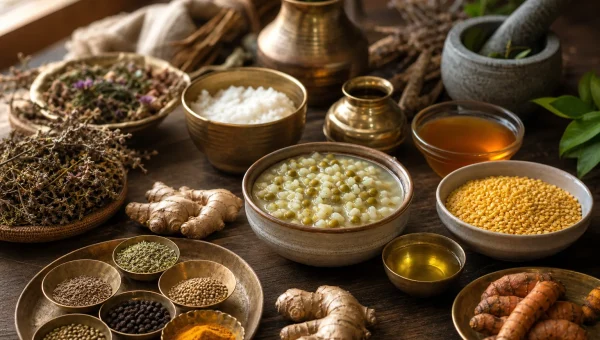
The classical Haridra Khanda listed in the Ayurvedic Formulary of India is referenced to Bhaiṣajyaratnāvalī in the context of Shitapitta, Udarda, and Kotha. Its ingredients include Haridra, ghee, cow’s milk, sugar, Shunthi, Maricha, Pippali, Tvak, Ela, Patra, Vidanga, Trivrit, Haritaki, Bibhitaka, Amalaki, Nagakesara, Musta, and Lauha Bhasma. The ghee, milk, and sugar base is important because Haridra and the pungent spices are heating and drying; the base helps carry the herbs while softening their sharpness.
For a Vatika Pratishyaya patient, Haridra Khanda is most suitable when sneezing and watery discharge are accompanied by itching, urticarial tendency, recurrent allergic sensitivity, or Kapha obstruction. It should not be treated as a casual household sweet for everyone. Because it contains sugar and may include mineral preparation depending on the manufacturer, it is best used under the guidance of a qualified Ayurvedic practitioner.
Classical adult reference dose: 6 grams per dose with water or milk, as directed by a practitioner. In practice, many clinicians give it after food with warm milk or warm water when the patient’s digestion and constitution are suitable. Children, pregnant people, diabetic patients, and anyone taking regular medication should use it only with professional advice.
Riya’s treatment centred on Haridra Khanda, warm food, avoidance of cold drinks and chilled dairy, and daily nasal oiling. Over the following weeks, her morning sneezing became less forceful, the dry irritation in her throat settled, and she no longer felt that the day began with an uncontrollable allergic episode.
Anu Taila Nasya: Oiling the Channels
Nasya is one of Ayurveda’s most direct therapies for disorders of the nose, head, and upper respiratory passages. The traditional statement “Nasa hi shiraso dwaram” presents the nose as the doorway to the head. In a Vatika presentation, this is especially relevant because the patient needs lubrication, steadiness, and local nourishment, not only mucus-clearing.
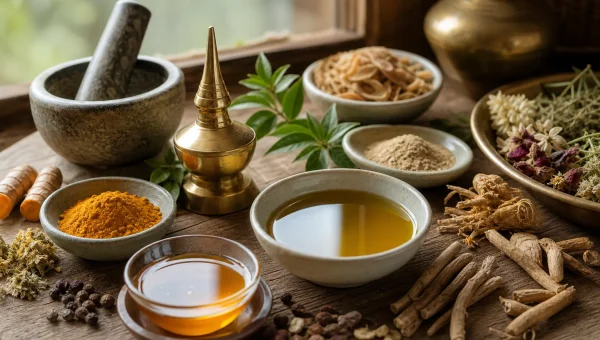
Anu Taila is a classical nasya oil listed in the Ayurvedic Formulary of India with reference to Aṣṭāṅgahṛdaya Sūtrasthāna. Its ingredients include sesame oil, goat’s milk, and herbs such as Jivanti, Devadaru, Musta, Tvak, Ushira, Sariva, Chandana, Daruharidra, Yashti, Shatavari, Bilva, Brihati, Kantakari, Rasna, Shalaparni, Prishniparni, Vidanga, Tejapatra, Sukshmaila, and others. This is a more accurate description than the common mistake of listing Tulsi as a standard Anu Taila ingredient.
The classical formulary dose for Anu Taila nasya is 5 to 10 drops, which is best done as a formal therapy under professional supervision. For home care, many practitioners use a gentler pratimarsha-style approach with 1 to 2 drops per nostril when appropriate. The purpose is to keep the nasal mucosa soft, reduce Vata dryness, and support clearer nasal breathing without over-stimulating the passages.
During Active Symptoms
During an active allergy phase, a gentle home routine may involve warming the Anu Taila bottle in warm water, lying on the back with the head slightly tilted, placing 1 to 2 drops in each nostril, and sniffing gently. The oil should be comfortably warm, never hot. It should not be forced upward, and it should be stopped if it causes burning, bleeding, marked irritation, or worsening congestion. Formal nasya with larger doses should be performed only by a trained practitioner.
Before Allergy Season
For predictable seasonal allergies, nasya is often started two to four weeks before the expected season. In a suitable patient, gentle daily or near-daily nasal oiling can prepare the mucosa before pollen or dust exposure increases. This preventive approach works best when combined with warm meals, regular sleep, avoidance of cold drinks, and early management of digestive heaviness.
Nasya should not be done immediately after meals, during fever, during acute infection with heavy congestion, after alcohol intake, or when the patient is extremely exhausted. Pregnant people, young children, frail patients, and people with serious medical conditions should use nasal therapies only after professional assessment.
Supporting Herbs and Measures
Haridra Khanda and Anu Taila are the centre of this protocol, but supporting herbs and lifestyle measures can make the treatment more balanced. In Vatika Pratishyaya, the key is to clear obstruction without increasing dryness. The wrong combination of pungent herbs, fasting, cold exposure, and poor sleep can aggravate the same Vata instability that drives the sneezing cycle.
Haridra as a Standalone
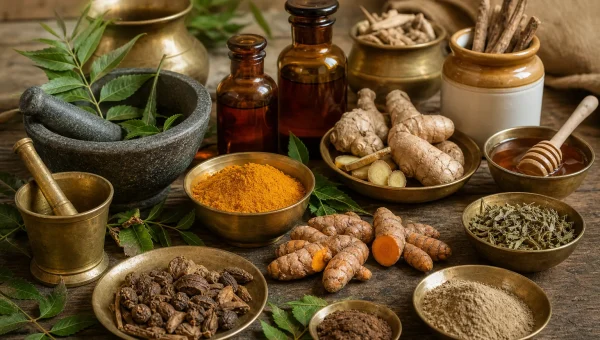
Haridra may also be used separately when a full compound such as Haridra Khanda is not suitable. The Ayurvedic Pharmacopoeia of India gives Haridra powder a dose range of 1 to 3 grams. In a dry Vata-predominant person, it is better taken with warm milk, ghee-containing food, or another suitable vehicle rather than as a harsh dry powder on an empty stomach. High-dose extracts or combinations with strong absorption enhancers should be used cautiously in people with liver disease, gallbladder disease, bleeding risk, or multiple medications.
Pippali and Trikatu
Pippali and Trikatu are useful when Kapha obstruction, sluggish digestion, heaviness, or coated tongue accompanies the rhinitis picture. Trikatu combines Shunthi, Maricha, and Pippali, making it warming, sharp, and Kapha-reducing. In a dry Vatika patient, it should be used sparingly and usually as a support, not as the main treatment. Excess pungent therapy may worsen dryness, burning, or throat irritation.
Yashtimadhu for Dryness
Yashtimadhu or Madhuka (Glycyrrhiza glabra, liquorice root) is useful when throat dryness, irritation, and voice strain accompany sneezing and nasal discharge. It is traditionally valued for its soothing quality, but it requires caution. Regular or high intake of liquorice can contribute to raised blood pressure, fluid retention, low potassium, and heart rhythm problems in susceptible people. Patients with hypertension, kidney disease, heart disease, oedema, low potassium, or diuretic use should avoid self-prescribing it.
Seasonal Preventive Regimen: Ritucharya Principles
Seasonal prevention is central to Ayurvedic management of recurrent Pratishyaya. In spring, accumulated Kapha tends to loosen and move, making sneezing, nasal discharge, and heaviness more likely. In autumn and windy-dry weather, Vata becomes more prominent, and patients may notice dryness, sensitivity, variable blockage, and fatigue. The best protocol changes slightly with the season and the patient’s constitution.
For spring allergy patterns, the routine should be warm, light, and Kapha-clearing without becoming excessively drying. Warm water, freshly cooked meals, moderate spices, light evening food, and avoidance of cold drinks, ice cream, chilled yoghurt, and daytime sleep are often helpful. For autumn and dry-wind patterns, the emphasis shifts toward Vata-calming: warm oiling, sufficient sleep, cooked foods, and avoiding excessive fasting, raw foods, and late nights.
Gentle breathing practices such as Nadi Shodhana and Bhramari may be included when the nose is not severely blocked. They should be practised softly, without strain, and stopped if they increase pressure, dizziness, or breathlessness. In Ayurveda, prevention is not a single herb taken at the last moment; it is the steady correction of diet, sleep, nasal care, digestion, and seasonal exposure before the allergic pattern becomes severe.
When to Seek Medical Attention
Ayurvedic treatment works best when integrated thoughtfully into overall care. Please consult a qualified Ayurvedic practitioner and healthcare provider before starting herbs or nasya if you are pregnant, breastfeeding, diabetic, taking anticoagulants, immunosuppressants, blood pressure medicines, diuretics, or other prescription drugs, or if you have liver, kidney, gallbladder, heart, or bleeding disorders. Haridra Khanda contains sugar and is not appropriate for diabetic patients in standard doses without supervision. Seek prompt medical evaluation if symptoms include fever, facial pain or pressure, thick foul-smelling discharge, blood in nasal discharge, wheezing, difficulty breathing, severe headache, or symptoms that do not improve.
Key Protocol Summary
The following summary is a practical overview, not a substitute for individual diagnosis. The exact dose, duration, and combination should be adjusted according to constitution, age, digestion, season, medications, and the balance of Vata, Kapha, and Pitta in the patient.
- Haridra Khanda: classical adult reference dose 6 g per dose with warm water or milk, used under practitioner guidance when the allergic terrain and digestion are suitable.
- Anu Taila formal nasya: 5 to 10 drops as a classical nasya dose, best performed under trained supervision.
- Gentle home nasal oiling: 1 to 2 drops per nostril may be used in a pratimarsha-style routine when advised by a practitioner.
- Haridra powder: 1 to 3 g as a pharmacopoeial powder dose; in dry Vata patterns, take with a suitable warm, nourishing vehicle rather than as a harsh dry dose.
- Pippali or Trikatu: use only when Kapha heaviness or sluggish digestion is present; avoid overuse when dryness, burning, or throat irritation dominates.
- Yashtimadhu: useful for dryness and throat irritation, but avoid self-use in hypertension, oedema, kidney disease, heart disease, low potassium, or diuretic use.
- Diet: favour warm, freshly cooked, light meals; reduce cold drinks, chilled dairy, ice cream, and heavy late dinners during allergy season.
- Seasonal preparation: begin nasal care, diet correction, and practitioner-guided herbal support two to four weeks before the usual allergy season.
Vatika Pratishyaya is one of those conditions where careful Ayurvedic pattern recognition can change the whole strategy. If your allergies come with repeated sneezing, watery discharge, dryness, variable obstruction, and fatigue, consult a BAMS-qualified practitioner or other qualified clinician who can assess whether a Vata-Kapha protocol, Haridra Khanda, Anu Taila nasya, or a different treatment plan is appropriate for you.
References
- NHS
- Mayoclinic (mayoclinic.org)
- Mayoclinic (mayoclinic.org)
- Ijcrt (ijcrt.org)
- Jaims (jaims.in)
- LWW Journals
- Ayurvedic Pharmacopoeia of India
- Dravyaguna notes
- Ijam (ijam.co.in)
- Medsafe (medsafe.govt.nz)
- Licorice induced pseudohyperaldosteronism, severe hypertension, and long QT (2019), PubMed Central
- NCCIH
- Tga (tga.gov.au)
Riya is my name and this article describes my experience so accurately I did a double take. Schoolteacher, spring and autumn allergies, antihistamines causing drowsiness in the classroom. The Nasya protocol changed my experience of allergy season within three weeks.
The Vatika Pratishyaya classification is interesting because it implies a Vata-dominant causation for what most allergists would describe as an IgE-mediated response. Are these describing the same mechanism from different angles or genuinely different disease subtypes?
The alternating stuffed-and-running nose with clear watery mucus is classic Vata presentation. I’ve had this diagnosed as vasomotor rhinitis by one doctor and allergic rhinitis by another. The Ayurvedic Vata-dominant framing covers both without requiring the distinction.
Started anu taila Nasya two months ago for chronic sinus congestion. The results were slow the first three weeks and then significant improvement in week four. The daily practice is more time-consuming than taking a pill but the duration of relief is longer.
How long does the Nasya procedure take and is it something that can realistically be done before work? The morning routine addition is the part that creates compliance challenges in practice.
I’ve tried Nasya for six months for allergic rhinitis with moderate improvement. The practice itself became a pleasant morning ritual. What I found is that skipping even two days causes the symptoms to return, suggesting it requires consistent maintenance rather than a cure.
The anti-drowsiness advantage over antihistamines is the main reason I pursued the Ayurvedic route. I teach, like Riya in the article, and being drowsy from medication while managing 30 children is not an option.
What’s the correct technique for Nasya at home? I’ve read conflicting instructions about head position and the number of drops per nostril. Getting this wrong seems like it could be counterproductive.
The thin watery discharge paired with a dry feeling inside the nostrils really captures the Vatika Pratishyaya picture.
My allergist said my rhinitis was non-allergic and there’s essentially nothing conventional medicine can do beyond nasal steroids which I use daily with significant side effects. The Vatika Pratishyaya framing covers the non-allergic rhinitis presentation that IgE testing misses.
The hollow look behind the eyes that the article mentions is something anyone with chronic seasonal allergies recognizes. It’s not just the sneezing, it’s the constant low-grade exhaustion of living with inflammation for weeks. Effective treatment addresses that aspect too.
How often do practitioners adjust the Haridra Khanda dosage when a patient reports increased fatigue?
I appreciate the emphasis on avoiding cold foods during the nasya course.
I tried Nasya for a week and found the sensation uncomfortable enough to stop. Is there a milder oil that can be used initially before building up to anu taila? The intensity of the draining sensation was more than I expected.
The preventive nasya routine, starting a few weeks before pollen season, seems like a practical way to lessen symptoms.
Does the combination of Tulsi leaf tea with ginger and pippali actually reduce the need for antihistamines in practice?
Learning that sesame oil in Anu Taila is both warming and nourishing makes the nasal oil therapy easier to understand.
I’ve read that Yasthimadhu can help with sleep disruption, but I would like to know more about its long term safety.
The mention of forty percent of allergy cases fitting the Vatika pattern caught my attention.
Practicing alternate nostril breathing each morning could complement the herbal protocol nicely.
the eliminating cold foods during allergy season advice sounds simple but made a real difference for me
It’s helpful that the article outlines clear contraindications for nasya, such as avoiding it right after meals.
the article mentions Haridra khand but doesn’t give dosage. how much daily for adult seasonal rhinitis
I tried Nasya oil for a month and my congestion actually worsened at first. the adjustment period should be mentioned
the article mentions Haridra khand but doesn’t give dosage. how much daily for adult seasonal rhinitis asked this just now
seasonal allergy has been my issue for 15 years. the Vatika Pratishyaya approach with Triphala neti and diet changes has helped more than antihistamines
for people on immunotherapy (allergy shots), please note the interaction question with these herbs asked this recently
🙏 i tried Nasya oil for a month and my congestion actually worsened at first. the adjustment period should be mentioned
I tried Nasya oil for a month and my congestion actually worsened at first. the adjustment period should be mentioned asked this earlier
for people on immunotherapy (allergy shots), please note the interaction question with these herbs
I tried Nasya oil for a month and my congestion actually worsened at first. the adjustment period should be mentioned asked this just now
does the treatment protocol here apply to food allergies too or specifically airborne allergens
for severe dust mite allergy specifically, does the Nasya protocal help if it’s a year-round trigger not seasonal
the eliminating cold foods during allergy season advice sounds simple but made a real difference for me asked this recently
for severe dust mite allergy specifically, does the Nasya protocol help if it’s a year-round trigger not seasonal
seasonal allergy has been my issue for 15 years. the Vatika Pratishyaya approach with Triphala neti and diet changes has helped more than antihistamines asked this last week
Any side effects?
the Nasya oil protocol described for allergic rhinitis. 3 weeks in, my morning sneezing reduced significantly
for severe dust mite allergy specifically, does the Nasya protocol help if it’s a year-round trigger not seasonal asked this recently
unrelated question but has anyone found a good Ayurvedic practitioner in Hyderabad
the article mentions Haridra khand but doesn’t give dosage. how much daily for adult seasonal rhinitis asked this last week
does the treatment protocol here apply to food allergies too or specifically airborne allergens asked this earlier
I tried Nasya oil for a month and my congestion actually worsened at first. the adjustment period should be mentioned asked this last week
for people on immunotherapy (allergy shots), please note the interaction question with these herbs asked this last week
for people on immunotherapy (allergy shots), please note the interaction question with these herbs asked this earlier
for severe dust mite allergy specificaly, does the Nasya protocol help if it’s a year-round trigger not seasonal
The safest part of the Allergic Rhinitis in Ayurveda advice is keeping it simple. I appreciate that it does not oversell the result.
i tried Nasya oil for a month and my congestion actually worsened at first. the adjustment period should be mentioned asked this recently
What dose?
धन्यवाद! seasonal allergy has been my issue for 15 years. the Vatika Pratishyaya approach with Triphala neti and diet changes has helped more than antihistamines the timing matters here
for severe dust mite allergy specifically, does the Nasya protocol help if it’s a year-round trigger not seasonal asked this just now