
Monsoon is difficult because it is not simply a “Vata season” in the practical sense. Classical Ritucharya places Vata in prakopa during Varsha Ritu, while Pitta is in sanchaya and Agni is especially vulnerable. Kapha is not classically in its seasonal accumulation phase during Varsha, yet dampness, heaviness, poor digestion, day sleep, reduced movement, and ama can still create Kapha-like congestion and lethargy. This is the monsoon dosha challenge: Vata must be calmed, Pitta must not be provoked, Kapha-ama must not be allowed to settle, and Agni must be protected first.
The Three-Dosha Reality of Monsoon
The classical seasonal cycle in Ayurveda is precise: every dosha passes through accumulation, aggravation, and pacification in relation to the seasons. In Varsha Ritu, the formal cycle gives first place to Vata aggravation and Pitta accumulation, while the rainy environment and weak digestion make all three doshas clinically relevant.
Vata: Actively Aggravated
Vata accumulates in summer and becomes aggravated in the rainy season. Cold winds, rain, unstable weather, irregular routines, poor appetite, excessive fasting, and exposure to dampness can all intensify Vata. Common Vata-leading signs in monsoon include joint pain, stiffness, gas, bloating, variable appetite, anxiety, restlessness, disturbed sleep, dry skin, and sensitivity to cold.
Pitta: Accumulating, Not Yet at Its Seasonal Peak
Pitta classically accumulates during Varsha Ritu and becomes aggravated in Sharad Ritu, when the body habituated to rain and cold is suddenly exposed to stronger sunlight. During monsoon, Pitta may still show early signs when digestion is disturbed or when excess sour, salty, pungent, fried, fermented, or spicy food is used without discretion. Burning acidity, sour belching, loose stools with heat, skin redness, irritability, and excessive thirst suggest that Pitta needs attention even while Vata remains the main seasonal concern.
Kapha: Not the Formal Varsha Accumulation, but Still Clinically Relevant
Kapha accumulates in late winter and aggravates in spring according to the classical dosha cycle. In monsoon, however, kleda or excessive moisture, weak Agni, day sleep, heavy foods, curd, damp rooms, and reduced movement can create Kapha-ama patterns. These may appear as sinus congestion, coating on the tongue, heaviness after meals, sluggish bowels, water retention, sleepiness, low motivation, and a feeling of being “stuck.”
Why Treating Only One Dosha Fails in Monsoon
A single-dosha approach can work in simpler seasonal patterns, but Varsha Ritu requires more precision. If a monsoon plan calms Vata by becoming too heavy and oily, Kapha-ama may increase. If it cools Pitta with raw, cold, or watery foods, Vata and weak Agni may worsen. If it dries Kapha too aggressively, Vata can become unstable.
- Overdoing Vata care: Excess ghee, cream, heavy sweets, milk at night, long naps, and very rich meals may soothe dryness temporarily but can increase heaviness, mucus, coating, and sluggish digestion.
- Overdoing Pitta care: Iced drinks, salads, raw foods, excessive bitter foods, and cooling smoothies may reduce heat briefly but can weaken Agni and aggravate Vata in the rainy season.
- Overdoing Kapha care: Excess fasting, intense exercise, dry crackers, raw vegetables, and too many pungent spices may reduce heaviness briefly but can provoke Vata, acidity, restlessness, or insomnia.
The Prioritization Strategy: What to Address First
The safest monsoon strategy is not to chase whichever symptom is loudest. Start with Agni, then calm Vata, then adjust Pitta and Kapha-ama without undoing the first two steps. This sequence keeps the article’s practical focus: monsoon care is a balancing act, not a one-dosha protocol.
Priority 1: Protect Agni
Charaka describes Agni as weak in the rainy season and further disturbed by Vata and other doshas. Therefore, the first monsoon rule is simple: do not overload digestion. When Agni improves, Vata becomes easier to ground, Pitta has less tendency to burn upward, and Kapha-ama has less opportunity to accumulate.
- Use warm, freshly cooked meals. Prefer soups, thin dals, cooked grains, lightly spiced vegetables, and simple one-pot meals over raw salads, leftovers, cold smoothies, heavy fried foods, and excessive snacking.
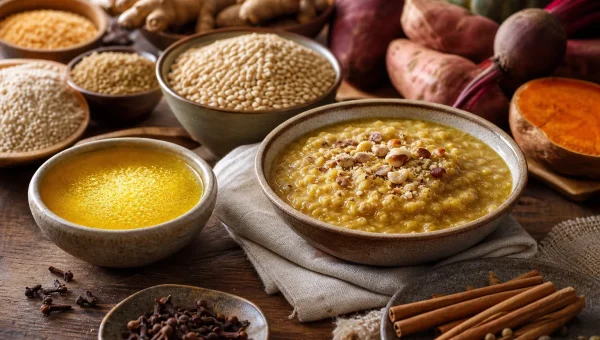
- Use old grains and light soups. Classical Varsha guidance allows old barley, wheat, and shali rice, along with well-prepared soups. For a vegetarian kitchen, moong dal soup, rice with thin dal, and vegetable yusha-style preparations are practical choices.
- Drink boiled and cooled water. Sip warm water through the day rather than chilled water. Ajwain, cumin, or dry ginger may be used in small culinary amounts when suitable, but strong spices should be reduced if burning, acidity, ulcers, or strong Pitta signs are present.
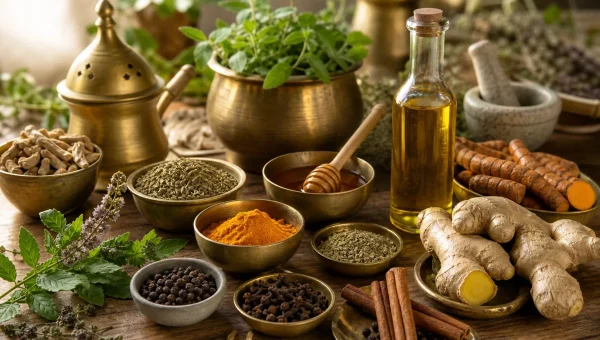
- Use Trikatu carefully. Trikatu is the classical combination of Shunthi, Maricha, and Pippali. It is useful in Kapha-ama and low appetite patterns, but it is heating and should be used in physician-directed quantities, especially for people with acidity, pregnancy, bleeding tendency, liver disease, or medication use.
- Avoid habits that weaken Agni. Day sleep, excess liquid gruels, unboiled unsafe water, eating without hunger, overeating at night, and repeatedly mixing incompatible heavy foods make monsoon digestion more unstable.
Priority 2: Calm Vata Without Feeding Dampness
Vata is the primary seasonal aggravation in Varsha Ritu, so it must be addressed. The key is to use warm, cooked, grounding measures without making the diet excessively heavy, oily, or mucus-forming.
- Choose warm and lightly unctuous food. A bowl of moong dal soup with cumin, ginger, and a small amount of ghee is more monsoon-appropriate than a very rich paneer curry with cream and excess oil.
- Use sour and salty tastes with discretion. Classical Varsha guidance recommends sour, salty, and unctuous foods on cold, windy, rainy days for Vata pacification. If acidity, burning, or loose stools are present, reduce sour and salty intensity and emphasize warmth, simplicity, and portion control.
- Keep a stable daily rhythm. Regular wake time, meal time, bowel routine, and sleep time are among the simplest Vata-pacifying measures. Irregular meals and late nights are especially disturbing in monsoon.
- Use warmth externally. Warm bathing, keeping the body dry, wearing clean light clothing, and avoiding damp rooms help Vata without increasing internal heaviness. If joint pain is prominent, physician-advised local oil application may be used, but avoid heavy oiling when congestion, fever, skin infection, or strong Kapha-ama signs are present.
- Avoid overexertion. Classical Varsha regimen advises avoiding exertion. Gentle mobility, light stretching, and easy walking can be chosen according to strength, but intense workouts, overheating, and exhaustion are not ideal in this season.
Priority 3: Manage Pitta as Accumulation
Pitta is not at its main seasonal aggravation point during Varsha, but it is accumulating. This means the goal is prevention: do not let the Vata protocol become too sour, salty, spicy, fermented, or oily, and do not let Agni care become excessive heating.
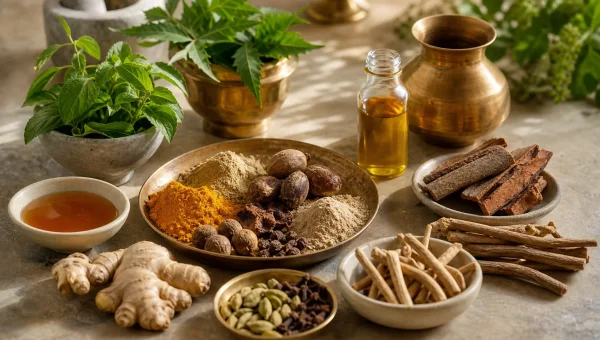
- Use Amalaki when appropriate. Amalaki is described with cooling potency, sweet post-digestive effect, and Tridoshajit action in the Ayurvedic Pharmacopoeia of India. It is traditionally useful when heat, burning, sourness, or Pitta tendency is present, but dose and form should be decided by a qualified practitioner.
- Reduce sharp aggravators. When acidity, skin heat, burning stools, or irritability appears, reduce excess chili, vinegar, fried snacks, alcohol, fermented foods, sour curd, pickles, and very salty foods.
- Do not use cold as the only answer. Iced drinks, raw salads, and cold smoothies may seem Pitta-pacifying, but in Varsha they can weaken Agni and aggravate Vata. Prefer warm meals with mild cooling supports such as coriander, fennel, or Amalaki when suitable.
Priority 4: Prevent Kapha-Ama From Settling
Kapha is not the classical seasonal dosha in monsoon, but Kapha-ama is common when moisture, heaviness, and weak digestion combine. The right approach is gentle drying and lightening without harsh fasting or excessive pungency.
- Keep portions moderate. Eat until comfortably satisfied, not full. Leave space in the stomach so Agni can work.
- Use honey carefully. Classical Varsha guidance mentions food and drinks prepared with a small amount of honey to counter moisture. Honey should not be heated or cooked; use it only in small amounts and only when appropriate for the individual.
- Use dry massage when heaviness dominates. Udvartana and friction massage are recommended in rainy-season regimen. They are more suitable for heaviness and dampness than repeated heavy oiling.
- Keep the living space dry. Damp bedding, wet clothes, moldy rooms, and sitting long hours in humidity aggravate the monsoon burden on Agni and Kapha-ama.
- Use Sitopaladi only when appropriate. Sitopaladi Churna contains sugar candy, Vamshalochana, Pippali, Ela, and Twak. It is traditionally used in cough and respiratory Kapha patterns, but it contains sugar and heating spices, so it is not a casual daily supplement for everyone.
The Weekly Monsoon Dosha Check-In
Monsoon balance changes week by week. Use symptoms as a guide, but interpret them through Agni first. If digestion is weak, even correct herbs and foods can behave incorrectly.
| Current Pattern | Likely Lead | Adjustment |
|---|---|---|
| Joint pain, gas, bloating, coldness, anxiety, disturbed sleep | Vata leading | Increase warmth, routine, cooked meals, gentle local warmth, and earlier sleep |
| Acidity, burning, loose stools, skin redness, irritability | Pitta rising within Varsha | Reduce excess sour, salty, pungent, fried, and fermented foods; use practitioner-guided Pitta support |
| Congestion, tongue coating, heaviness, lethargy, water retention | Kapha-ama pattern | Reduce portions, avoid day sleep, use light warm meals, dry massage, and gentle movement |
| Mixed symptoms after most meals | Agni is unstable | Return to simple cooked food, warm water, regular meals, and minimal combinations |
A Practical Monsoon Plate
A balanced monsoon meal should be warm, cooked, digestible, and lightly spiced. It should calm Vata without becoming heavy, protect Agni without overheating Pitta, and avoid the damp stagnation that feeds Kapha-ama.
- Best base: rice or old grain with moong dal, vegetable soup, or thin khichari.
- Best texture: soft, warm, moist, but not oily or creamy.
- Best spices: cumin, coriander, small amounts of ginger, ajwain, black pepper, or long pepper according to constitution and symptoms.
- Best fats: small amounts of ghee or suitable oil, not heavy frying.
- Foods to limit: curd at night, cold drinks, raw salads, leftovers, street food in poor hygiene conditions, excess fried snacks, heavy sweets, and repeated tea-coffee snacking.
The monsoon dosha challenge is not solved by choosing one dosha and ignoring the rest. The better sequence is: protect Agni first, calm Vata second, prevent Pitta from accumulating into heat, and keep Kapha-ama from settling. For the Agni-focused foundation of this approach, read our guide on Trikatu and Agni management. For seasonal movement choices, see our monsoon exercise guide. To understand which imbalance you personally tend to express first, read our dosha constitution guide.
This post provides general Ayurvedic education and does not diagnose, treat, cure, or prevent disease. Individual dosha management should ideally be supervised by a qualified Ayurvedic physician or healthcare provider who can assess your Prakriti, Vikriti, digestion, age, medicines, pregnancy status, and medical history. Persistent acidity, fever, severe pain, breathing difficulty, chronic sinus symptoms, diarrhea, swelling, skin eruptions, or sleep disturbance require professional evaluation.
References
- Charaka Samhita — Tasyashiteeya Adhyaya
- Miracledrinksclinic (miracledrinksclinic.com)
- Miracledrinksclinic (miracledrinksclinic.com)
- Dsiij (dsiij.dsvv.ac.in)
- Physico-chemical standardization of Sitopaladi churna (2012), PubMed Central
- Trachyspermum ammi (2012), PubMed Central
- Betterhealth (betterhealth.vic.gov.au)

The single-dosha monsoon protocol mistake is one I have made every year. Following the Vata advice and letting the Pitta run unchecked explains why I always had acid reflux from August through October. This is the first article that gave me a genuinely three-dosha monsoon approach.
As someone new to Ayurveda, the monsoon triple-dosha challenge is genuinely confusing. I understand dosha-specific diet in principle but navigating three simultaneous imbalances in opposite directions seems to require practitioner guidance rather than DIY protocol following.
The haritaki-adjusted Vata management that doesn’t aggravate Pitta is the key differentiation. My Ayurvedic physician made exactly this distinction last monsoon and the result was significantly better than previous years where I was using standard warming Vata herbs that were making my Pitta worse.
What is the priority order when all three doshas are elevated simultaneously? If I can only address one at a time with dietary changes, which dosha takes precedence in Varsha Ritu and why?
The bitter gourd for both Pitta and Kapha management in monsoon while also being appropriate for Vata-appropriate digestive support is the kind of triple-function food choice this protocol needs more of. Can you identify the top 5 foods that are safe across all three dosha considerations in monsoon?
The explanation of why a Vata only diet left the patient with joint pain and sinus trouble really clicked for me.
The advice around The Monsoon Dosha Challenge is specific enough to be useful. The timing advice is the part I would start with.
Been following Ayurveda for 5 years and this article still taught me something new
The advice around The Monsoon Dosha Challenge is specific enough to be useful. This would be easier to follow with a one-week sample plan.
I never realized that summer Pitta could linger into monsoon and cause acid reflux despite cooling foods.
The monsoon aggravation of my joint pain has been a yearly pattern for 7 years. My rheumatologist attributed it to barometric pressure changes. My Ayurvedic doctor attributed it to Vata aggravation from monsoon humidity and cold. This article says both can be true simultaneously and that is the right framing.
Reading about the three dosha collision made me reconsider how I approach seasonal routines.
The light, soup-based Varsha diet is genuinely difficult to maintain socially in India where monsoon is festival season and the food is often heavy and celebratory. Is there a compromise protocol for maintaining some seasonal protection while participating in festival eating?
The idea of fixing Agni first before touching any dosha makes practical sense.
I have been skeptical of the seasonal dosha shift claims because the timelines feel arbitrary. Why does Vata peak early monsoon and not later? The meteorological data for monsoon onset varies 3-6 weeks year to year in most of India. How does a fixed Ritucharya calendar account for climate variability?
Using Trikatu before meals seems like a simple step that could ease bloating during rainy weeks.
Last monsoon was the first year I didn’t just focus on Vata, and the difference was real. I added bitter foods and light digestives alongside the Vata-pacifying routine and the reflux I usually get in August didn’t appear at all. It took about six weeks before I trusted the approach was actually working, so I understand the patience part completely.
I tried a similar approach last year but without the specific sequencing. Wonder if that’s why it didn’t work
The patient story at the beginning is genuinely useful framing. What I keep running into in practice is people who correctly identify all three doshas are aggravated but then try to address them all with equal intensity at the same time and end up with a contradictory protocol. Is there a sequencing principle in classical Ayurveda for which dosha to address first when they’re all elevated during monsoon?
I wonder if fresh ginger with lime before lunch would actually help my morning stiffness.
Are there clinical studies backing the specific herb combination you mentioned?
The suggestion to massage joints with Bala oil before a warm shower sounds soothing for achy knees.
Useful post
tbh wasnt expecting much from this but the specifics are actually helpful
The ghee + bitter vegetables combination for monsoon unusual pairing but intriguing
I appreciate how specific the instructions are compared to most Ayurveda articles
What’s the typical duration of the treatment before reassessing?
Will try
This explains my last monsoon completely. I had textbook Pitta symptoms — irritability, reflux, burning sensations — while also dealing with joint stiffness I kept blaming on the humidity. I was so focused on the Pitta piece that I ignored the Vata entirely. Is there a rough prioritization guide for when two doshas are flaring at similar intensity and you can’t address both simultaneously?
The seasonal variation angle is underused in most health content. Good to see it here
The contraindications section was important and often missing from similar articles
Boiling and cooling water before drinking in monsoon is basic but often skipped. Good reminder
It’s interesting that Guduchi can balance all three doshas while boosting immunity.
Doing this
Does this protocol change if someone is pregnant or breastfeeding?
The connection between gut health and this condition is the angle most allopathic doctors miss
The avoiding heavy oily food in monsoon vs traditional deep-fried monsoon snacks contradiction how to handle?
Amalaki’s ability to cool Pitta without aggravating Vata or Kapha is exactly what I need for my occasional heartburn.
I always get sick in first week of monsoon. Following the protocol this year to test it
Sitopaladi Churna with honey twice daily could be a gentle way to clear sinus congestion without upsetting digestion.
Where do you recommend sourcing the herbs mentioned here in India?
This explains something I’ve experienced but couldn’t name. Good validation
Good information on this topic. ❤️
The section on dosage was the most practically useful for me
Would love a follow-up article going deeper on the herb preparation methods
A weekly check in to see which dosha is leading helps keep adjustments from becoming overwhelming.
Can this be combined with modern medication or is it better standalone? 🙏
Does the monsoon protocol change based on region? Heavy monsoon in Kerala vs light in Rajasthan
Shared this with my Ayurveda practitioner. She agreed with most points
The triple-dosha problem in monsoon is real. I get Vata anxiety AND Kapha heaviness simultaneously
Is this suitable for elderly patients or does the dosage need adjustment?
good info, sharing with my father who has been looking for something like this
Not skeptical about Ayurveda generally but some claims here need stronger evidence
My doctor dismissed this as pseudoscience. Going to try it anyway and report back
This helped me understand The Monsoon Dosha Challenge without too much jargon. This feels more usable than a long list of herbs.
Does this apply to children or only adults?
Did this for 6 weeks exactly as described, going to update here with results
The herbs section mentions guduchi how much is a safe daily dose during monsoon?
The dosage range given is wide. Is there a way to determine where in the range I should start?
The Vata aggravation in monsoon explains why I get joint pain every July-August
The traditional context helps understand why it’s done this way. Not just ‘eat this herb’
started this 3 weeks ago, too early to say but the process itself feels right
Anyone else tried this for longer than 6 months? Wondering about long-term effects
Managing three doshas at once sounds theoretically impossible. What’s the priority order?
How long typically before seeing results with this approach?
Thanks!
The Ayurvedic framing made this topic much easier to understand than the Western medical version
Same here
Is the morning or evening timing more important for this protocol overall?
Helpful article, thank you.
Tried this, results were good.
Interesting perspective here.