
Perioral Dermatitis Ayurvedic Treatment: When Facial Heat Reflects Pitta-Rakta Irritation
Perioral dermatitis, often grouped under periorificial dermatitis, is a chronic inflammatory eruption that clusters around the mouth, chin, nose folds, and sometimes the eyes. It commonly appears as small red papules, papulovesicles, or papulopustules on a dry, tight, burning, or itchy base, with the immediate lip border often spared. Its cause is not reduced to one factor, but common associations include topical corticosteroid use on the face, inhaled or nasal steroids that contact facial skin, cosmetics, heavy occlusive emollients, toothpaste or other irritants, hormonal shifts, heat, wind, and ultraviolet exposure. Steroid creams may suppress redness briefly, but they are not a durable treatment for perioral dermatitis, and the rash may flare when they are stopped.
The Ayurvedic approach preserves the central clinical observation: the face is reacting with heat, redness, sensitivity, and recurrent eruptions. Rather than forcing perioral dermatitis into one exact classical disease name, it can be assessed through the broader kushtha framework for skin disorders, where manifestation varies by dosha, site, color, sensation, and tissue involvement. Redness, burning, heat sensitivity, irritation, and inflamed papules point toward pitta with rakta and tvak involvement; bumps, pustules, stickiness, or recurrent clogged texture may add a kapha component. Treatment therefore focuses on nidana-parivarjana—removing aggravating causes—along with very gentle local care, pitta-rakta pacification, digestive regularity, and avoidance of harsh suppression or over-treatment.
The Steroid-Rebound Phase: Do Less, Cool More, Taper Safely
If facial steroids, steroid-containing combination creams, or steroid exposure from inhalers or nasal sprays are involved, the first step is not aggressive herbal application; it is medically supervised withdrawal from the aggravating input. Abrupt discontinuation of potent or long-used facial steroids can trigger a rebound flare, so a dermatologist may advise gradual weaning or a transition to a safer anti-inflammatory option. Medically necessary inhaled, nasal, or oral steroids should not be stopped without the prescribing clinician; instead, reduce facial contact by rinsing or wiping the skin after use and using correct inhaler technique.
During the flare, the Ayurvedic principle is shamana without irritation. This is the time for minimalism: stop fragranced cosmetics, exfoliating acids, scrubs, masks, steroid-mixed fairness or rash creams, heavy facial oils, and occlusive ointments. Wash with plain lukewarm water or a clinician-approved non-soap cleanser if needed, pat dry, and use only a bland, non-occlusive moisturizer when dryness is severe. The skin should not be steamed, scrubbed, peeled, or treated with warming lepas during this phase. Mild cases may settle with this “zero-therapy” approach; more persistent cases may still require dermatologist-directed topical or oral treatment.
The Internal Ayurvedic Strategy: Pitta-Rakta, Agni, and Bowel Regularity
Classical Ayurvedic skin management does not treat the face as isolated from digestion, diet, heat exposure, bowel rhythm, and blood-tissue irritation. In pitta-dominant skin presentations, bitter and astringent measures, pitta-rakta pacification, and suitable internal and external cooling support are emphasized. The aim is not to overload the patient with many herbs, but to remove triggers, settle heat, support digestion without creating dryness, and rebuild tolerance over several weeks.
| Phase | Focus | Ayurvedic Rationale | Typical Practitioner Choices |
|---|---|---|---|
| 1. Rebound and barrier calming | Remove aggravating inputs and avoid over-treatment | Nidana-parivarjana, zero-therapy, protection of irritated tvak | Steroid taper with prescriber, minimal skincare, avoidance of occlusive cosmetics and heating applications |
| 2. Pitta-rakta pacification | Soothe redness, burning, sensitivity, and inflamed eruptions | Bitter, astringent, and pitta-rakta balancing measures for skin disorders | Sariva, Tamalaki or Bhumyamalaki, Guduchi, and carefully selected external cooling washes |
| 3. Kapha-pitta texture support | Address recurrent papules, pustules, itching, and congestion without drying the barrier | Kapha-pitta balancing while keeping pitta heat controlled | Manjistha when suitable, mild bowel support, pathya diet, and topical herbs only when tolerated |
| 4. Maintenance | Prevent relapse after the face is calm | Seasonal pitta care, digestive regularity, and continued trigger avoidance | Minimal skincare, individualized diet, stress and sleep regulation, and occasional practitioner-guided herbs |
Core Herbs Used by Ayurvedic Practitioners
Internal herbs for perioral dermatitis should be selected by constitution, digestive strength, pregnancy status, medicines, bowel pattern, and the amount of heat or dryness present. The following herbs are traditionally relevant to pitta-rakta and skin presentations, but they are not a self-prescription and should be dosed by a qualified Ayurvedic practitioner.
- Sariva (Hemidesmus indicus): Sariva is a key pitta-rakta herb when burning, redness, itching, and heat are prominent. The Ayurvedic Pharmacopoeia of India lists Sariva as madhura in rasa, guru and snigdha in guna, shita in virya, and madhura in vipaka, with actions including raktashodhaka, tridoshanashana, dipana, amanashana, vishaghna, and jvarahara. Its listed therapeutic uses include kandu, kushtha, and raktavikara.
- Guduchi (Tinospora cordifolia): Guduchi is used when recurrent skin irritation is linked with weak resilience, digestive disturbance, and systemic pitta-rakta imbalance. The Ayurvedic Pharmacopoeia of India lists Guduchi as tikta and kashaya in rasa, laghu in guna, ushna in virya, and madhura in vipaka, with actions including rasayana, dipana, tridoshashamaka, raktashodhaka, jvaraghna, and balya. Because its virya is listed as ushna, it should be combined and dosed carefully when facial heat is intense.
- Tamalaki or Bhumyamalaki (Phyllanthus fraternus, syn. Phyllanthus niruri Hook. f. non Linn.): This herb is relevant when heat, acidity, thirst, and pitta irritation accompany skin symptoms. The Ayurvedic Pharmacopoeia of India lists it as madhura, tikta, and kashaya in rasa, laghu and ruksha in guna, shita in virya, and madhura in vipaka, with actions including pittashamaka and dahanashani. Its listed therapeutic uses include amlapitta, kushtha, pandu, prameha, trishna, and mutraroga.
- Manjistha (Rubia cordifolia): Manjistha is chosen when discoloration, inflammation, swelling, or stubborn kapha-pitta skin involvement is present. The Ayurvedic Pharmacopoeia of India lists the official drug as the dried stem of Rubia cordifolia, with madhura, tikta, and kashaya rasa, guru guna, ushna virya, and katu vipaka. Its actions include kaphapittashamaka, shothaghna, kushthaghna, varnya, shonitasthapana, and rasayana. Since its virya is ushna, it is not used as a simple cooling herb in every hot, reactive face.
Topical Applications for Active Perioral Dermatitis
The central topical rule is to avoid occlusion, friction, fragrance, heat, and excess activity. Heavy petroleum or paraffin-based ointments, thick cosmetic layers, strong herbal pastes, essential-oil blends, frequent clay masks, and facial oil massage can keep the area warm, congested, and irritated. In active perioral dermatitis, more topical treatment often means more irritation; fewer products are usually safer.
Simple cleansing: During the acute phase, cleanse with plain lukewarm water or a mild non-soap cleanser only when needed. Avoid scrubbing, washcloth friction, exfoliating acids, retinoids, steroid-mixed creams, and fragranced face washes. Pat the area dry and keep the skincare routine minimal.
Non-occlusive moisture support: If tightness or flaking becomes uncomfortable, use a bland, non-occlusive moisturizer recommended by a clinician. Avoid heavy occlusive balms around the mouth during active rash, especially petrolatum or paraffin-rich products.
Practitioner-guided herbal wash: Classical pitta-dominant skin care includes external and internal use of cooling or pitta-pacifying decoctions such as yashtyāhva, lodhra, padmaka, patola, pichumarda, and chandana. In practice, a qualified practitioner may prescribe a very mild, well-filtered herbal wash, but it should be stopped if stinging, dryness, scaling, or redness increases. Active POD skin is too reactive for strong decoctions, abrasive powders, or daily drying masks.
Dietary Adjustments That Directly Affect Pitta and Skin Reactivity
Diet matters because pitta-rakta skin flares are commonly worsened by heat, indigestion, sourness, heaviness, and irregular eating. During active treatment, favor simple, freshly cooked, easy-to-digest meals: old rice or other tolerated grains, mudga or mung preparations, cooked bitter vegetables, patola-type gourds, and moderate amounts of gentle spices that do not create flushing. Eat only after the previous meal is digested, avoid overeating, and keep the evening meal light.
Classical kushtha pathya-apathya guidance supports avoiding heavy-to-digest foods, excess sour foods, curd, fish, jaggery, sesame, and incompatible or digestion-disrupting combinations during active skin disease. For a pitta-dominant face, also reduce any personal triggers that reliably create heat, flushing, acidity, sweating, or burning around the rash. The broader pitta-cooling framework used in the rosacea pitta cooling protocol can be adapted for perioral dermatitis when redness and burning are prominent.
Hormonal or Cyclical Flares
Perioral dermatitis may flare with oral contraceptive changes, pregnancy, or premenstrual shifts. In Ayurveda, this pattern calls for careful tracking of cycle timing, sleep loss, stress, acidity, constipation, and heat exposure rather than automatic use of hormone-directed herbs. Pregnancy, lactation, fertility treatment, oral contraceptive use, and estrogen-sensitive conditions require coordinated care between a qualified healthcare provider and an Ayurvedic practitioner before any internal herbs are used.
For cyclical POD, the safest foundation is steady routine: regular meals, bowel regularity, adequate sleep, reduced heat exposure, and minimal skincare during vulnerable days. Dermatology-directed treatment may still be needed, especially if the rash spreads toward the eyes, becomes painful, crusted, infected, or fails to settle with trigger removal.
Medical Disclaimer: This content is for educational purposes only. Perioral dermatitis should be diagnosed and managed by a qualified healthcare provider or dermatologist. Do not stop, taper, or replace prescribed topical, inhaled, nasal, or oral steroids without medical guidance. Internal herbs and topical Ayurvedic preparations should be used only under a qualified Ayurvedic practitioner, especially during pregnancy, lactation, childhood, chronic illness, or prescription medication use. Patch test any topical preparation before wider use and seek medical care promptly for eye involvement, severe swelling, pain, pus, fever, or rapidly worsening rash.
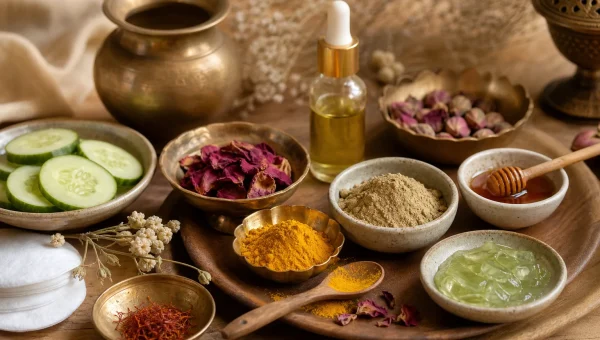
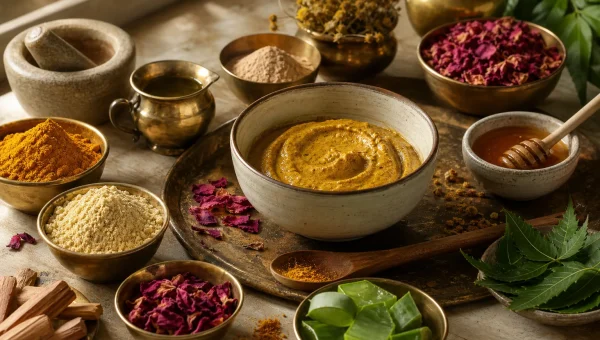
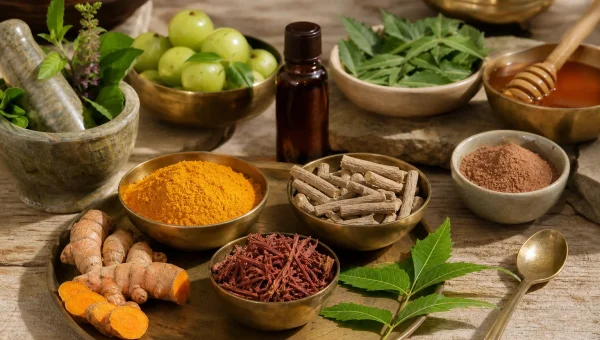
Perioral dermatitis triggered by topical steroids. Stopping fluoride toothpaste plus the Pitta-cooling routine cleared about 80 percent in six weeks.