
A 30-day Sattvic meal plan is best understood as a disciplined kitchen practice: warm food, fresh preparation, regular mealtimes, moderate portions, gentle spices, and calm eating. The aim is to cultivate steadiness, clarity, digestive ease, and a quieter mind without making the food austere or joyless.
Classically, this way of eating draws from two streams: the Bhagavad Gita’s description of food through sattva, rajas, and tamas, and Ayurveda’s detailed ahara-vidhi principles on what to eat, how much to eat, when to eat, and how to eat. In Ayurveda, the same meal can behave differently depending on freshness, preparation, quantity, season, digestive strength, and the individual who eats it.
The Classical Definition of Sattvic Food
In Bhagavad Gita 17.8, foods dear to sattvic temperament are described as promoting ayu, sattva, bala, arogya, sukha, and priti, and as rasya, snigdha, sthira, and hrdya — life-supporting, clarity-supporting, strengthening, healthful, satisfying, juicy, unctuous, stable, nourishing, and pleasing to the heart. A Sattvic diet therefore emphasizes food that is fresh, warm, clean, naturally pleasant, gently prepared, and easy for the body and mind to receive.
- Freshly prepared meals, ideally eaten the same day
- Warm, cooked food rather than cold, stale, or lifeless food
- Gentle unctuousness from suitable fats such as ghee, when tolerated
- Grains, mung dal, vegetables, fruits, milk preparations, and simple vegetarian meals suited to digestion
- Moderate quantity, eaten after the previous meal has digested
- Calm eating, without hurry, distraction, agitation, or overeating
Rajasic food, as described in Bhagavad Gita 17.9, is excessively bitter, sour, salty, hot, pungent, dry, or burning; in practice, this means reducing meals that are too sharp, salty, chilli-heavy, sour, or overstimulating. Tamasic food, as described in Bhagavad Gita 17.10, includes stale, tasteless, putrid, leftover, polluted, or impure food; in the kitchen, this means avoiding old leftovers, repeatedly reheated meals, poor-quality ingredients, and food eaten in a dull or careless state.
The 30-Day Framework: Four Weeks of Intentional Eating
This plan keeps the original spirit of a traditional household Sattvic experiment: the first week establishes simple meals, the second week adds timing discipline, the third week reduces overstimulation, and the fourth week brings the full routine together with optional Rasayana support where appropriate.
Week 1: Foundation Meals
The first week is about making the food warm, fresh, simple, and repeatable. Do not begin with harsh restriction; begin by replacing cold, processed, irregular food with cooked meals that the stomach can understand.
Every morning this week: Choose a warm, cooked breakfast. Avoid cold leftovers, packaged breakfast foods, and eating in a rush.
- Oatmeal cooked with water or diluted milk, cardamom, a few raisins, and honey added only after the bowl has cooled from hot to warm
- Poha made from flattened rice, gently cooked with ghee, cumin, turmeric, curry leaf, and fresh coconut
- Semolina upma cooked with ghee, mild spices, and soft seasonal vegetables
- Soft rice porridge with a little ghee and a pinch of rock salt when digestion feels delicate
Lunch as the main meal: Build a simple plate with two or three components, freshly cooked and eaten without rushing.
- Well-cooked rice, preferably a traditional shali-type rice where available, with a small amount of ghee
- Yellow mung dal, known as mudga, cooked soft with turmeric, cumin, coriander, and a small ghee tempering
- One seasonal cooked vegetable, prepared gently rather than fried heavily
- A small serving of fresh curd or thin takra only when it suits season, digestion, and constitution
Dinner: Keep dinner lighter than lunch. Khichadi made from rice and split mung dal, cooked with ghee and gentle spices, is the central dinner for this plan because it is warm, soft, simple, and easy to adapt.
Week 2: Adding Timing Discipline
The second week keeps the same foods but gives them a steadier rhythm. Ayurveda gives great importance to eating after the previous meal has digested, in proper quantity, and with attention; this plan uses practical clock anchors to make that discipline easier.
Eat breakfast by about 8 AM, take lunch as the main meal near midday, and finish dinner by about 7 PM. Avoid grazing through the day. If hunger is genuine between meals, choose a small Sattvic snack such as a ripe seasonal fruit, warm milk if tolerated, or a few soaked nuts. If there is no real hunger, take warm water or a mild herbal infusion and wait for the next meal.
Week 3: Deepening Sattvic Purity
The third week reduces the remaining foods and habits that make the mind restless, the stomach heavy, or the senses overstimulated. The goal is refinement, not punishment.
- Reduce very spicy, very sour, very salty, deep-fried, and heavily sauced foods
- Reduce coffee and other stimulants if they disturb sleep, appetite, or mental steadiness
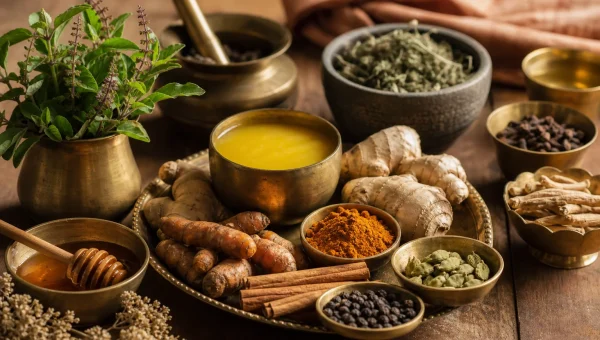
- Use gentle flavour from cumin, coriander, fennel, cardamom, fresh ginger in small amount, curry leaf, coconut, and fresh herbs
- Use asafoetida, cumin, and coriander for savoury depth in stricter Sattvic kitchens
- Avoid stale leftovers, repeated reheating, and eating late at night
For drinks, choose warm water, coriander-cumin-fennel infusion, tulsi infusion, or warm milk when it suits digestion. If honey is used in a drink, add it only after the liquid has cooled from hot to warm.
Week 4: Complete Sattvic Protocol
The fourth week brings the whole practice together: fresh cooking, regular timing, calm meals, light dinner, gentle spices, and a small amount of nourishing sweetness where appropriate. This is also the week to add Rasayana only when it is suitable, cleanly sourced, and guided by a qualified practitioner.
- Keep lunch as the strongest meal and dinner light, warm, and early
- Include ghee in small amounts when it suits digestion and dietary needs
- Use milk only when tolerated; take it warm and separately from sour or salty foods
- Include a small Sattvic sweet at midday when desired, such as ripe fruit, a little jaggery, or a small portion of rice kheer
- Use Chyavanaprasha or any herb-in-milk preparation only when it suits your constitution, health status, and practitioner guidance
Sattvic Meal Plan Quick Reference
The following table gives a simple daily structure. Adjust grains, vegetables, dairy, and portions according to appetite, season, constitution, and medical needs.
| Meal | Primary Options | Always Include | Reduce or Avoid |
|---|---|---|---|
| Breakfast by about 8 AM | Oatmeal, poha, upma, soft rice porridge | Warm, freshly cooked, simple seasoning | Cold food, packaged food, rushed eating |
| Morning hydration | Warm water, tulsi infusion, coriander-cumin-fennel infusion | Gentle sipping before meals | Iced drinks and sweetened packaged drinks |
| Lunch near midday | Rice, mung dal, cooked vegetable, small ghee serving | Main meal of the day; proper quantity | Heavy fried food, excess sourness, excess salt, overeating |
| Afternoon snack, only if hungry | Fresh fruit, soaked nuts, warm milk if tolerated | Small quantity and genuine hunger | Constant grazing, coffee with sweets, processed snacks |
| Dinner by about 7 PM | Khichadi, light dal, vegetable soup, soft rice gruel | Lighter than lunch; warm and fresh | Large portions, heavy dairy, cold food, late meals |
| Before bed | Warm milk if tolerated, or warm water | Only if it supports sleep and digestion | Heavy food close to sleep |
What to Notice During the 30 Days
Use the month as a quiet observation practice. Track appetite, bowel regularity, bloating, afternoon energy, cravings, sleep depth, morning mood, and mental steadiness. The most important sign is not dramatic intensity but a gradual sense that meals are easier to digest and the mind is less pulled by stimulation.
By the end of the month, the Sattvic kitchen should feel simple rather than restrictive: fresh food, gentle taste, adequate nourishment, regular timing, and a mind that is given fewer reasons to swing between agitation and heaviness.
This meal plan is intended for generally healthy adults seeking a Sattvic dietary routine for clarity, steadiness, digestion, and wellbeing. People with diabetes, kidney disease, eating disorders, pregnancy, breastfeeding, chronic illness, special nutritional needs, or prescription medications should adapt the plan only with guidance from a qualified healthcare provider and a qualified Ayurvedic practitioner. Rasayana products, herb powders, and classical formulations should be chosen carefully and used with professional guidance.
Useful 🌿
The adaptations for office workers on day 8-14 saved me. Most of us can’t cook from scratch every meal.
The 30-day structure here is actually what convinced me to try it seriously rather than just picking out individual recipes. The grandmother challenge framing made it feel real rather than clinical. I’m on day six and the mid-morning energy drop I’ve had for years is noticeably less dramatic.
This comment section might not be the right place for the hair loss question since the post is specifically about the Sattvic 30-day plan. That said, there’s some overlap — Sattvic eating is sometimes recommended as a foundation for hair health too, so it’s not completely unrelated.
The meal plan looks genuinely interesting but I’m curious how it handles digestive issues — I tend to bloat heavily on legume-based diets. The post’s emphasis on mental clarity and calm energy is exactly what I’m after, but I want to make sure the food itself won’t become a problem.
❤️ Same here
धन्यवाद for explaining this so clearly
🙏 This meal plan changed my meditation practice. Correlation but meaningful.
नमस्ते, longtime reader first comment. This post finally convinced me to start.
Done 30 days sattvic diet twice now. Mental clarity is real, social eating is hard.
The meal plan is well-structured but inaccessible for people who work full time. Most sattvic recipes take 1 hour.
is ghee in every meal really sattvic for Kapha people? Feels contradictory.
The section explaining why certain proteins are excluded from Sattvic diet is clearer than any book I’ve read.
The classical references you include make this more credible than most Ayurveda blogs.
Just found this. Really helpful for my situation.
After 2 weeks I’m craving protein more than ever. The legume-heavy diet isn’t meeting my needs as a weight trainer.
That’s a real tension with this plan. Urad dal and paneer show up more in later weeks if I’m reading the structure right, and those are higher protein than the early lentil-heavy days. Might also be worth thinking about how much protein you actually need on your training load versus what you’ve been told — Sattvic dal cooked with ghee is denser than it looks.
My Ayurvedic doctor recommended the same thing last month. Good to find it confirmed here.
Late to this post, found it via Google. Is this still the recommended approach in 2027?
Will try
Found this helpful. The The Sattvic Kitchen section was particularly useful for my situation. (asking as someone dealing with this since 2021)
The idea of eating only what grandmother cooked for a month sounds both nostalgic and challenging.
Found this helpful. The The Sattvic Kitchen section was particularly useful for my situation. 🙌 (asking as someone dealing with this since 2022)
Which week did you find most challenging? I’m on week two and the adjustment to eating the main meal at midday instead of evening has been harder than I expected — my work schedule just doesn’t cooperate easily with that timing. 🙌
🌿 Found this helpful. The The Sattvic Kitchen section was particularly useful for my situation.
✨ Found this helpful. The The Sattvic Kitchen section was particularly useful for my situation.
Found this helpful. The The Sattvic Kitchen section was particularly useful for my situation. 🌿 (asking as someone dealing with this since 2020)
A simple question about ingredient availability: where can one find fresh, unprocessed mung dal year round?
❤️ Found this helpful. The The Sattvic Kitchen section was particularly useful for my situation.
Found this helpful. The The Sattvic Kitchen section was particularly useful fpr my situation.
It seems the plan avoids nightshades early on, which could be tough for those who love tomatoes.
Found this helpful. The The Sattvic Kitchen section was particularly useful for my situation. ✨ (asking as someone dealing with this since 2021)
Perhaps the gradual elimination of onion and garlic is the hardest part for many cooks.
Found tjis helpful. The The Sattvic Kitchen section was particularly useful for my situation.
found this helpful. The The Sattvic Kitchen section was particularly useful for my situation. ❤️ (asking as someone dealing with this since 2022)
One thing that stands out is the emphasis on fresh same day cooking for maximum sattva.
Found tjis helpful. The The Sattvic Kitchen section was particularly useful for my situation. (asking as someone dealing with this since 2024)