
At a glance
| Ayurvedic name | Madhumeha, a Vata-dominant form of Prameha |
| Primary dosha(s) | Kapha-predominant Tridoshaja pathology in early Prameha; Vata involvement becomes prominent in Madhumeha |
| Affected system / srotas | Mutravaha srotas, Medovaha srotas, Rasavaha srotas; with involvement of meda, mamsa, kleda, mutra and ojas |
| Key herbs | Meshashringi / Gudmar, Jambu bija, Vijayasara, Haridra, Daruharidra, Amalaki, Guduchi, Methi, Karela |
| Supportive therapies | Nidana parivarjana, pathya ahara, regular exercise, udvartana, physician-guided shodhana or shamana, glucose monitoring and modern diabetic care when needed |
Overview
Diabetes mellitus is a chronic metabolic condition marked by high blood glucose due to impaired insulin secretion, insulin action, or both. Ayurveda discusses a broad group of urinary and metabolic disorders under the term Prameha, whose cardinal features include excessive and abnormal urination. Madhumeha is described as a severe form in which the urine becomes sweet like honey; in practical Ayurvedic writing it is often discussed alongside diabetes mellitus, especially long-standing diabetes with metabolic weakness. This comparison is useful but not exact: Prameha includes a wider spectrum of urinary, metabolic, obesity-related and tissue-depletion states, so diagnosis and treatment must be individualized.
The Ayurvedic view
Classical texts present Prameha as a Tridoshaja disorder with strong Kapha involvement at the beginning. Excess sweet, heavy, unctuous and sedentary patterns aggravate Kapha and increase kleda and meda. These disturbed fluids and tissues affect the urinary channels and bladder region, leading to frequent, excessive or turbid urination. Charaka describes ten Kaphaja, six Pittaja and four Vataja types of Prameha. Madhumeha is counted among the Vataja types, but Ashtanga Hridaya also explains that neglected Prameha can gradually move toward Madhumeha. The samprapti may therefore be understood in two broad ways: obstruction of Vata by Kapha, meda and kleda in a well-nourished or overweight person; or depletion of dhatus with aggravated Vata in a lean, weak or long-standing case. This distinction is clinically important because aggressive reducing therapies are not suitable for every patient.
Causes & triggers
- Frequent intake of very sweet, heavy, oily, cold and excessively nourishing foods.
- Excess curd, dairy sweets, jaggery preparations, refined carbohydrates, fried foods and overeating.
- Sedentary routine, lack of exercise, prolonged sitting and sleeping during the day.
- Weight gain, central obesity and long-standing metabolic sluggishness.
- Family tendency or congenital susceptibility, described classically under sahaja or kulaja patterns.
- Chronic stress, disturbed sleep and irregular meals, which can worsen appetite, cravings and glycaemic control.
- Neglect of early symptoms such as excessive thirst, frequent urination, fatigue, heaviness and recurrent infections.
Symptoms & dosha types
Common features include frequent urination, excessive quantity of urine, thirst, fatigue, heaviness, excessive sweating, itching, sweet taste in the mouth, dryness, blurred vision, slow wound healing, recurrent urinary or skin infections and unexplained weight change. Kaphaja Prameha tends to show heaviness, lethargy, obesity, coldness, excess sleep, sticky or turbid urine and sluggish digestion. Pittaja Prameha may show burning urination, intense thirst, heat, yellowish or reddish urine, irritability, inflammation and infection tendency. Vataja Prameha, including Madhumeha, is usually more chronic and serious, with dryness, weakness, tissue depletion, weight loss, numbness, tingling, pain, insomnia and signs of diabetic complications. In modern practice, these dosha patterns should be assessed along with blood glucose, HbA1c, kidney function, lipid profile, blood pressure, eye examination and foot assessment.
Recommended herbs
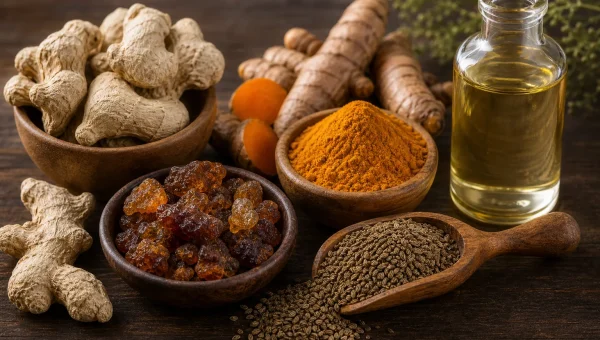
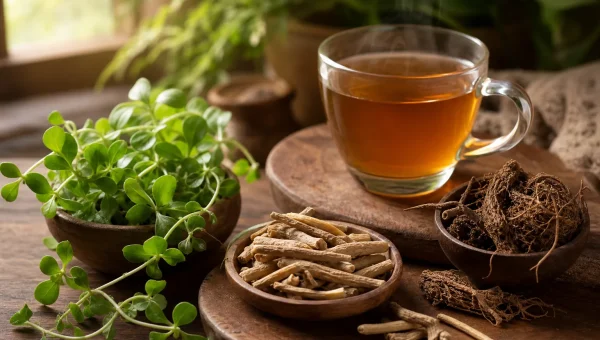
Commonly used Ayurvedic herbs and foods for Prameha-Madhumeha include Meshashringi or Gudmar (Gymnema sylvestre), Jambu bija (Syzygium cumini seed), Vijayasara (Pterocarpus marsupium), Haridra (Curcuma longa), Daruharidra (Berberis aristata), Amalaki (Phyllanthus emblica), Guduchi (Tinospora cordifolia), Methi (Trigonella foenum-graecum) and Karela (Momordica charantia). These should not be treated as casual substitutes for prescribed diabetes medicine. Several can lower blood glucose and may increase the risk of hypoglycaemia when combined with insulin, sulfonylureas or other glucose-lowering drugs. The correct herb, form, dose and duration depend on prakriti, digestive strength, body weight, kidney status, pregnancy status, medications and the stage of disease.
Diet & lifestyle
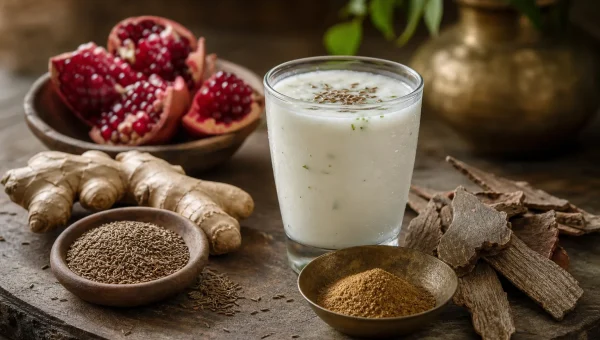
The Ayurvedic diet for Kapha-dominant Prameha favours light, high-fibre, low-glycaemic meals: barley, millets, old rice in modest quantity, green gram, lentils, bitter vegetables, leafy greens, gourds, methi leaves, amla, spices such as turmeric and cumin, and adequate protein according to constitution. Avoid or strictly limit sugar, sweets, fruit juices, sweetened drinks, refined flour, deep-fried snacks, excess rice, excess wheat products, heavy dairy sweets, overeating and late-night meals. A practical plate is half non-starchy vegetables, one quarter protein, and one quarter whole grain or millet, adjusted to medical advice. Lifestyle is central: walk after meals, exercise most days, build muscle through safe strength training, maintain regular sleep, avoid day sleep when Kapha is high, reduce abdominal fat gradually, and monitor fasting, post-meal glucose and HbA1c as advised by a doctor.
Therapies & home remedies
Ayurvedic management begins with nidana parivarjana, the removal of causative diet and lifestyle patterns. In strong, overweight, Kapha-dominant patients, physicians may consider reducing measures such as langhana, rukshana, udvartana, structured exercise and, when appropriate, supervised vamana or virechana. In lean, elderly, weak or long-standing Vata-dominant Madhumeha, harsh depletion may worsen dryness and weakness; treatment is gentler, with nourishment that does not raise glucose, Vata-pacifying routines, careful oil use and rasayana under supervision. Safe home supports include daily walking, warm water instead of sugary drinks, methi seeds soaked overnight if tolerated, bitter vegetables such as karela as food, and turmeric in cooking. Home remedies should be stopped and reviewed if glucose falls too low, digestion worsens, rashes occur, or prescribed medicines are being adjusted.
What the research says
Modern research supports the importance of diet, weight management, exercise, glucose monitoring and evidence-based medication for diabetes. For Ayurvedic herbs, evidence is promising but uneven. A systematic review and meta-analysis on Gymnema sylvestre in type 2 diabetes reported improvements in fasting glucose, post-meal glucose and HbA1c, but the included studies were relatively small and showed high heterogeneity. A 2023 systematic review and meta-analysis of randomized trials on fenugreek found reductions in fasting glucose, two-hour post-load glucose and HbA1c, with mainly mild gastrointestinal adverse effects, but also noted limitations in study quality. Evidence for bitter melon is mixed: older Cochrane review evidence was insufficient for firm conclusions, while later reviews suggest possible benefit but still require better standardized trials. Overall, these herbs may be considered adjuncts under professional care, not replacements for insulin, metformin or other prescribed treatment when those are indicated.
When to see a doctor
- New symptoms of diabetes: frequent urination, excessive thirst, unexplained weight loss, fatigue or blurred vision.
- Blood glucose repeatedly above your target range or HbA1c not improving despite diet and treatment.
- Very high glucose, ketones in urine or blood, vomiting, abdominal pain, deep or rapid breathing, fruity breath, severe weakness or confusion.
- Sweating, tremors, hunger, palpitations, dizziness, confusion or fainting suggestive of hypoglycaemia.
- Non-healing wounds, foot ulcers, numbness, burning feet, blackening skin, swelling or signs of infection.
- Pregnancy, planning pregnancy, breastfeeding, kidney disease, heart disease, liver disease or use of insulin or multiple diabetes medicines.
- Before starting strong Ayurvedic formulations, detox therapies, fasting plans or concentrated herbal extracts.
FAQ
No. Madhumeha has strong overlap with diabetes mellitus, especially chronic high-sugar states with excessive urination, but Prameha is a broader Ayurvedic category that includes several urinary and metabolic disorders. Modern diagnosis still requires blood tests.
Ayurvedic herbs may support glucose metabolism in selected patients, but diabetes is usually a chronic condition requiring long-term monitoring. Do not stop prescribed medicine unless your treating doctor adjusts it based on glucose readings and overall health.
A light, high-fibre, low-glycaemic diet is generally preferred: vegetables, pulses, barley or millets in moderation, adequate protein and minimal sugar or refined flour. The exact plan should be individualized for body weight, activity level, medicines and kidney function.
It may help selected Kapha-dominant, strong, overweight patients when done by a qualified physician, but it is not suitable for everyone. Lean, weak, elderly, pregnant, kidney-compromised or poorly controlled diabetic patients need special caution.
References
- Charaka Samhita, Nidana Sthana, Chapter 4: Prameha Nidana. https://www.carakasamhitaonline.com/index.php/Prameha_Nidana
- Charaka Samhita, Chikitsa Sthana, Chapter 6: Prameha Chikitsa. https://www.carakasamhitaonline.com/index.php/Prameha_Chikitsa
- Sushruta Samhita, Nidana Sthana, Chapter 6: Prameha Nidana. https://www.wisdomlib.org/hinduism/book/sushruta-samhita-volume-2-nidanasthana/d/doc142864.html
- Ashtanga Hridaya, Nidana Sthana, Chapter 10: Prameha Nidana. https://www.easyayurveda.com/ashtanga-hridayam-nidanasthanam-chapter-10-prameha-nidanam-adhyaya-diagnosis-of-diabetes-polyuria/
- Ashtanga Hridaya, Chikitsa Sthana, Chapter 12: Prameha Chikitsa. https://www.easyayurveda.com/ashtanga-hridaya-chikitsa-12-prameha-chikitsitam-treatment-ofdiabetes/
- Ayurvedic Pharmacopoeia of India, Part I, Vol. V, Government of India, Ministry of AYUSH. https://www.ayurveda.hu/api/API-Vol-5.pdf
- Devangan S, Varghese B, Johny E, Gurram S, Adela R. The effect of Gymnema sylvestre supplementation on glycemic control in type 2 diabetes patients: A systematic review and meta-analysis. Phytotherapy Research. 2021;35(12):6802-6812. https://pubmed.ncbi.nlm.nih.gov/34467577/
- Kim J, Noh W, Kim A, Choi Y, Kim YS. The Effect of Fenugreek in Type 2 Diabetes and Prediabetes: A Systematic Review and Meta-Analysis of Randomized Controlled Trials. International Journal of Molecular Sciences. 2023;24(18):13999. https://www.mdpi.com/1422-0067/24/18/13999
- Ooi CP, Yassin Z, Hamid TA. Momordica charantia for type 2 diabetes mellitus. Cochrane Database of Systematic Reviews. 2012. https://www.cochrane.org/evidence/CD007845_momordica-charantia-type-2-diabetes-mellitus
- American Diabetes Association Professional Practice Committee. Standards of Care in Diabetes—2026. https://professional.diabetes.org/standards-of-care
- Centers for Disease Control and Prevention. Diabetic Ketoacidosis. https://www.cdc.gov/diabetes/about/diabetic-ketoacidosis.html
Interesting how you connect Madhumeha with Kapha early on and then Vata later. That progression makes the Prameha explanation a lot easier to follow.
Didn’t realize Gudmar, amla, and karela were all discussed together like that. The reminder that these are support tools and not a replacement for diabetes medicine feels important.
Makes sense that diet and daily movement are treated as part of the therapy instead of an afterthought. The focus on heaviness, kleda, and sedentary habits feels pretty practical.
The distinction between an overweight Kapha pattern and a lean Vata pattern was the clearest part for me. That nuance gets missed in a lot of diabetes writing.
appreciate that glucose monitoring and modern diabetic care are included alongside Ayurveda. That balance matters a lot for something as serious as diabetes.
How do practitioners usually decide between shodhana and shamana for someone with Madhumeha? It sounds very individualized and maybe depends on the person’s strength and weight.
Would it make sense to start with diet changes first, or do some people begin the herbs only after checking A1C and kidney function?
Curious what a real pathya ahara meal plan looks like for a U.S. reader. Any examples of breakfast or snacks that fit this approach?
Some of these herbs sound promising, but the evidence and dosing still seem pretty uneven to me. Easy for people to assume natural means automatically safe.
The interaction warning is the part I would want highlighted even more. Gymnema and karela could push blood sugar too low if someone is already on medication.