
Weekend Warrior Syndrome: Ayurvedic Injury Prevention for Occasional Athletes
Weekend warrior syndrome is the familiar pattern of doing little movement during the workweek and then asking the body for two intense hours of cricket, football, badminton, basketball, tennis, running, or gym training on Saturday or Sunday. The goal is not to stop weekend sport. The goal is to make the body less shocked by it: warm the tissues, respect capacity, distribute some movement through the week, and recover deliberately afterward.
Concentrated weekend activity can still support health when total activity is sufficient. The injury concern is different: sprains, strains, tendon irritation, back spasms, joint flare-ups, and overuse pain are more likely when intensity rises faster than the tissues are conditioned to tolerate. Ayurveda approaches this through vyayama shakti or exercise capacity, abhyanga or oil massage, ardha-shakti or working within capacity, ritu or seasonal adjustment, and proper recovery.
Why Weekend Warriors Get Hurt: The Ayurvedic Lens
Classical Ayurveda praises vyayama for lightness, strength, stability, digestive support, and work capacity, but it never treats exercise as “more is always better.” Exercise is meant to be matched to strength, age, constitution, diet, season, conditioning, and current health. The weekend warrior mistake is a sudden jump from weekday stillness to competitive intensity.
- Sudden load on unprepared tissues: Long sitting encourages stiffness, reduced range of motion, and poor readiness in the hips, hamstrings, calves, shoulders, and lower back. In Ayurvedic language, coldness, dryness, and rigidity aggravate vata in the moving structures such as mamsa (muscle), snayu (tendons and ligaments), and sandhi (joints).
- Skipping abhyanga and warm-up: Classical daily routine places oiling, movement, and massage in a disciplined sequence. For an occasional athlete, even a short oil massage and dynamic warm-up help bring warmth, attention, and gradual movement into areas that have been inactive all week.
- Exceeding ardha-shakti: Ayurvedic texts advise exercise according to capacity, with stronger people exercising to about half their strength in favorable seasons and less in other conditions. Weekend games often override this limit because competition, excitement, and social pressure make the body’s warning signs easier to ignore.
- Recovering as if nothing happened: After a hard game, showering and rushing into errands is not recovery. Ayurveda advises gentle post-exercise care, and modern injury prevention also emphasizes gradual conditioning, rest, and not returning to play through pain.
The Injury Pattern by Ayurvedic Constitution
The table below is not a diagnosis and does not mean that one constitution can only get one kind of injury. It is a prevention lens: each doshic pattern points to the weakness that should be watched most carefully before, during, and after sport.
| Constitutional Pattern | Weak Link to Watch | Why It Matters | Prevention Focus |
|---|---|---|---|
| Vata | Ankles, knees, lower back, calves, cramps, quick twisting injuries | Vata is dry, cold, light, mobile, and irregular. Cold weather, poor sleep, dehydration, and sudden movements can make tissues feel stiff and unstable. | Warm oil massage if suitable, longer warm-up, steady hydration, layered clothing in cold wind, and avoiding sudden maximum-effort starts. |
| Pitta | Hamstrings, calves, shoulders, elbows, knees, tendon irritation, heat-related fatigue | Pitta is hot, sharp, and intense. Pitta-dominant athletes often compete hard, ignore early pain, and push through discomfort. | Intensity moderation, shaded breaks, cooling down properly, not playing through sharp pain, and reducing effort in hot weather. |
| Kapha | Knees, ankles, hips, sluggish warm-up, heavy-leg fatigue, slow-onset overuse pain | Kapha is heavy, stable, cold, soft, and slow. Kapha types often need a longer ramp-up before speed, jumping, and directional changes feel safe. | Weekday conditioning, longer progressive warm-up, lower-impact cross-training, supportive footwear, and gradual increase of game intensity. |
The Pre-Game Ayurvedic Protocol
This 20-minute routine translates classical Ayurvedic principles into a practical preparation sequence. It is meant for prevention, not for masking pain or allowing someone to play through an existing injury.
1. Quick Abhyanga and Tissue Check (6-8 minutes)
Apply a small amount of warm sesame oil if it suits your skin, or a practitioner-advised medicated oil such as Mahanarayana Taila for vata-type stiffness. Skip oil application if you have known sesame allergy, skin irritation, fever, indigestion, fresh swelling, open skin, or if oil could make footwear or equipment slippery.
- Cricket and badminton players: Shoulders, elbows, wrists, lower back, knees, calves, and ankles.
- Football and basketball players: Quadriceps, hamstrings, calves, groin, knees, ankles, and hips.
- Runners: Calves, hamstrings, quadriceps, hip flexors, lower back, and ankles.
- Tennis and squash players: Dominant shoulder, elbow, wrist, lower back, knees, calves, and ankles.
Massage toward the trunk with firm but comfortable strokes. The aim is warmth, softness, and awareness, not painful deep-tissue pressure. Wipe off excess oil before wearing shoes, gripping a bat or racket, or stepping onto a court.
2. Dynamic Warm-Up (10 minutes)
After the tissue check, move the joints through sport-specific ranges. Before sprinting, jumping, bowling, smashing, or heavy lifting, dynamic movement is preferable to long passive holds. Longer static stretching fits better after activity or in separate mobility sessions.
- Leg swings forward and backward: 10 each leg.
- Leg swings side to side: 10 each leg.
- Arm circles from small to large: 15 each direction.
- Walking lunges: 10 each side.
- High knees: 20 each side.
- Butt kicks: 20 each side.
- Sport-specific movements at about half speed for 2-3 minutes.
3. Joint Protection and Load Control (2 minutes)
For joints that have been injured before, protection begins with pacing, equipment, and awareness. Braces, taping, knee sleeves, or ankle supports should be used only when already familiar and comfortable; they should not be introduced for the first time during a competitive game.
- Check footwear grip, laces, and playing surface before the first sprint.
- Begin the first game or first over at controlled intensity rather than maximum effort.
- Do not apply strong balms, hot oils, or pastes immediately before play if they irritate skin, impair grip, or hide pain signals.
- Use the first 10 minutes to assess tightness, breath, and coordination before pushing harder.
During the Game: Injury Prevention Principles
Ayurvedic injury prevention during play means watching bala (strength), thirst, breath, fatigue, coordination, and pain while still enjoying the game. The best session ends with energy preserved, not with heroic exhaustion.
- Hydrate with electrolytes when sweating heavily: For long sessions, hot weather, or heavy sweating, use water with a small amount of lemon or juice, a pinch of salt such as saindhava lavana, and honey or sugar if needed. Add honey only to cool or room-temperature water, not boiling water.
- Take breaks every 20-30 minutes: Walk, breathe, and check the ankles, knees, lower back, shoulders, and calves. Breaks are load management, not weakness.
- Stop at sharp pain: Dull effort, warmth, and general muscle fatigue are different from sudden sharp pain in a joint, tendon, or localized muscle area. Sharp pain means the session should stop or be medically assessed.
- Adjust for weather: In cold or windy weather, extend the warm-up and keep the body covered until play begins. In hot weather, reduce intensity, hydrate more, and seek shade during breaks. In humid weather, shorten the session if coordination or grip begins to decline.
The Post-Game Recovery Protocol
Recovery is where many weekend athletes lose the benefit of good preparation. The first two hours after play should move the body from exertion toward calm, circulation, hydration, and rest.
Immediate Post-Game (0-30 minutes)
Do this before a long drive home, before sitting again for hours, or before starting another demanding activity. The aim is to bring the heart rate down gradually and notice early warning signs.
- Cool-down walk: Walk for 5-10 minutes to reduce exertion gradually.
- Gentle static stretching: Hold comfortable stretches for the muscles used most in your sport. Do not force painful ranges.
- Rehydration: Replace fluids and sodium when sweating has been heavy. Sip steadily rather than drinking a large amount all at once.
- Simple meal: Eat a digestible meal with protein, complex carbohydrates, and warm cooked food rather than skipping food after intense activity.
Later Recovery (30 minutes – 2 hours)
Once sweating has settled and there is no sharp injury pain, major swelling, or suspected tear, use warmth and oil cautiously. Acute swelling, deformity, numbness, or inability to bear weight should be assessed medically before massage or heat.
- Post-game abhyanga: Use warm sesame oil or a practitioner-advised oil such as Mahanarayana Taila on stiff areas. Keep pressure gentle and avoid direct massage over fresh swelling, bruising, or sharp pain.
- Warm bath or shower: A warm bath, shower, or soak can ease fatigue and calm vata after exertion. Optional Epsom salt may be used for comfort, but it should not replace assessment of real injury.
- Turmeric milk: Warm milk with turmeric, a small amount of ghee, and black pepper can be used as a traditional post-activity drink if it suits digestion. Concentrated curcumin extracts are not the same as kitchen turmeric and should be used with professional guidance.
- Sleep: Early sleep after intense weekend sport is part of recovery. Late nights after hard play increase the next day’s stiffness, irritability, and poor coordination.
Herbs and Oils for Weekend Warrior Recovery
The herbs and oils below are supportive options to discuss with a qualified Ayurvedic practitioner. They are not a substitute for diagnosis, physiotherapy, emergency care, or a gradual conditioning plan, and they should not be self-prescribed if you take medicines, have chronic disease, are pregnant, or are preparing for surgery.
| Herb or Oil | Traditional Role | Best Fit | Important Caution |
|---|---|---|---|
| Ashwagandha (Withania somnifera) | Balya and rasayana support for strength, resilience, and rebuilding. | Weekday training support when fatigue, low recovery, and poor strength are the main issues. | Use with practitioner guidance, especially with thyroid disorders, sedatives, autoimmune conditions, pregnancy, or liver concerns. |
| Turmeric / Haridra (Curcuma longa) | Kitchen-level support for post-activity comfort and inflammatory tendency. | Food-level use after games, especially as turmeric milk or in warm meals. | Concentrated extracts may interact with medicines and may not suit gallbladder disease, bleeding risk, or surgery plans. |
| Guggulu preparations, including Yogaraja Guggulu | Classical vata-kapha support for joint stiffness and chronic musculoskeletal discomfort. | Practitioner-supervised use when stiffness and old joint discomfort dominate. | Not for casual self-dosing; avoid unsupervised use in pregnancy, bleeding risk, thyroid disease, liver disease, or when taking regular medication. |
| Shallaki (Boswellia serrata) | Joint-support herb used for stiffness, discomfort, and inflammatory tendency. | Knee, ankle, or shoulder discomfort where a practitioner considers it appropriate. | May still cause digestive upset or interact with medicines; standardized extracts should be selected carefully. |
| Mahanarayana Taila | External medicated oil used in vata-type stiffness and musculoskeletal care. | Pre-game or post-game massage when stiffness, coldness, and tightness are the main complaints. | Patch test first; avoid open skin, acute swelling, suspected fracture, infection, or sesame/oil allergy. |
The Weekday Maintenance Plan
The safest way to reduce weekend warrior risk is to stop being inactive Monday to Friday. Small regular inputs build the chronic capacity that makes weekend sport less shocking to the body.
- Monday and Wednesday: 20-30 minutes of moderate strength work such as bodyweight squats, push-ups, lunges, rows, calf raises, and planks.
- Tuesday and Thursday: 15-20 minutes of yoga or mobility focused on hips, hamstrings, calves, thoracic spine, shoulders, and ankles.
- Friday: 10 minutes of light sport-specific movement and dynamic stretching. Sleep early and avoid heavy late meals if you are playing the next morning.
- Saturday or Sunday: Use the full pre-game and post-game protocols instead of arriving cold and leaving abruptly.
- Daily: Spend 5 minutes on ankle circles, knee circles, hip circles, shoulder rolls, wrist circles, and gentle neck movements. This is the minimum maintenance dose for desk-bound athletes.
When an Injury Has Already Happened
Once pain is sharp, swelling appears, weight-bearing changes, or movement is lost, prevention has ended and assessment begins. Ayurvedic care may support rehabilitation, but serious injuries need medical evaluation and a graded return to activity.
- Muscle strain: Stop play immediately. Protect the area, avoid hard massage, and use cold compresses in short intervals during the early hot or swollen stage. Once acute pain and swelling settle, gentle warmth and oil may be considered around the area, not directly over a painful tear.
- Ankle sprain: Rest, protect, compress, elevate, and seek medical assessment if you cannot bear weight, swelling is significant, or the joint feels unstable. Gentle range-of-motion work should begin only when pain allows or when advised by a clinician.
- Lower back spasm: Stop the activity and avoid forcing stretches. Warm oil and heat may help simple stiffness, but pain after a fall, pain radiating down the leg, numbness, weakness, fever, or bowel/bladder symptoms needs urgent medical care.
- Tendon pain: Reduce the aggravating movement rather than numbing the pain and continuing to play. Tendon problems usually need load management, rehabilitation exercise, and patience; herbs or oils are only adjuncts.
For a fuller exercise-capacity framework, see Vyayama Shakti: Exercise Capacity Framework. For understanding post-exercise heat therapy from an Ayurvedic perspective, see Sauna vs Steam Room: Ayurvedic Heat Therapy.
Medical Disclaimer: This article is for educational purposes only. Sports injuries can include ligament tears, fractures, dislocations, tendon ruptures, head injuries, and cardiovascular emergencies. Severe pain, visible deformity, significant swelling, numbness, inability to bear weight, chest pain, fainting, head injury, or loss of normal movement requires prompt medical evaluation. Consult a qualified healthcare provider and a qualified Ayurvedic practitioner before using herbs, medicated oils, supplements, or exercise protocols, especially if you have a medical condition, take medication, have had surgery, or are returning after injury.
References
- Association of “Weekend Warrior” and Other Leisure Time Physical Activity Patterns With Risks for All-Cause, Cardiovascular Disease, and Cancer Mortality (2017), PubMed
- My (my.clevelandclinic.org)
- Charaka Samhita — Vyayama
- Easyayurveda (easyayurveda.com)
- Wisdomlib — classical text
- Charaka Samhita — Guna
- Charaka Samhita — Dosha
- Does pre-exercise static stretching inhibit maximal muscular performance? A meta-analytical review (2013), PubMed
- Effect of acute static stretch on maximal muscle performance: a systematic review (2012), PubMed
- Hopkinsmedicine (hopkinsmedicine.org)
- Easyayurveda (easyayurveda.com)
- CCRAS
- Examining the effect of Withania somnifera supplementation on muscle strength and recovery: a randomized controlled trial (2015), PubMed
- Curcumin supplementation likely attenuates delayed onset muscle soreness (DOMS) (2015), PubMed
- Link (link.springer.com)
- A double blind, randomized, placebo controlled study of the efficacy and safety of 5-Loxin for treatment of osteoarthritis of the knee (2008), PubMed Central
- Hopkinsmedicine (hopkinsmedicine.org)
- NCCIH
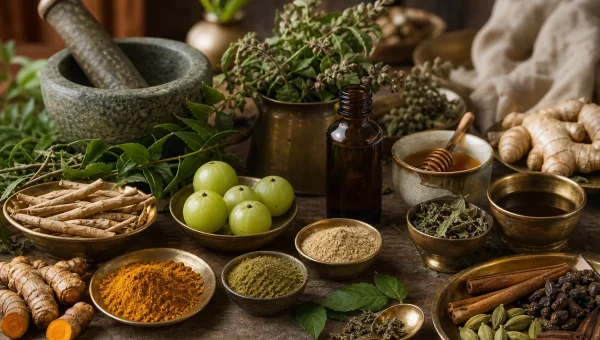
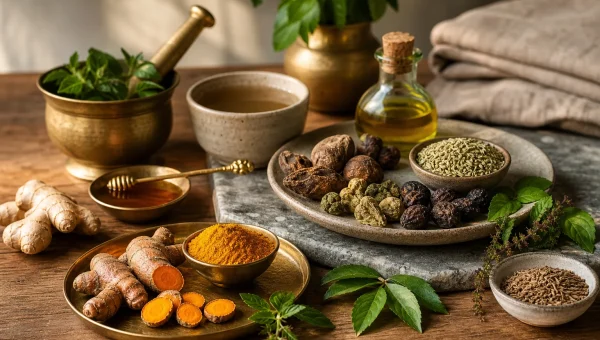
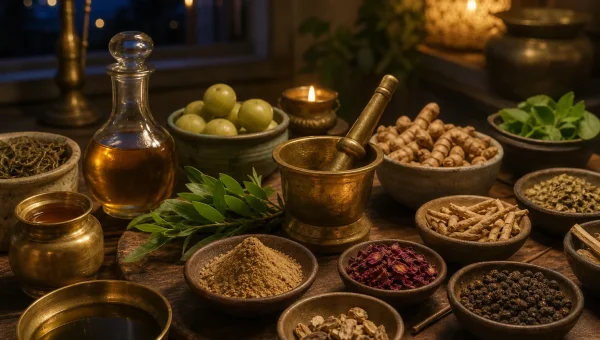
how do I source quality herbs for this? most local shops sell low-grade material.
For the injury-prevention herbs specifically, I’ve had decent results ordering from Himalaya and Kerala Ayurveda directly — at least the supply chain is more traceable than random local shops. For raw herbs like turmeric or ginger you’re adding to food, organic grocery stores are often fine. The more potent things like bala or ashwagandha I’d buy only from a known brand or a licensed practitioner.
Agreed, a month is pretty reasonable. The ashwagandha oil massage alone takes at least two weeks before you notice any difference in muscle recovery after a weekend game.
Exactly this. I almost quit after two weeks because my hamstrings still felt tight, but by week four the Monday stiffness had noticeably reduced. Consistency really does matter with Ayurvedic protocols.
Constitution matters for which herbs to prioritize, but for sourcing quality in general it’s less about prakriti and more about supplier reputation. Certified Ayurvedic pharmacies or direct brand websites are much safer than whatever’s sitting on the shelf at a general store. Worth the extra cost for the consistency.
That’s true, but for injury prevention timing matters as much as constitution — the article’s point about doing the pre-activity prep even on weeks you feel fine is the part I keep ignoring and keep paying for. Have you been consistent with the warm sesame oil application before sport? Curious if it actually helps with the next-day stiffness.
great to see peer-reviewed studies referenced alongside classical texts. makes it easier to trust.
not disputing Ayurveda has value but articles like this sometimes overstate efficacy.
good point, the article doesn’t address that
does this protocol change during monsoon season? I’ve heard Ayurvedic timing is seasonal
very practical protocol. tried a modified version for a week and already feeling a difference.
is this appropriate for elderly patients above 70 or should the dosages be reduced
implemented the morning routine from this article for 3 weeks. energy is much steadier throughout the day. 🙏
weekend warrior syndrome is me exactly, gym only saturday then pain till tuesday
does this protocol change during monsoon season? ive heard Ayurvedic timing is seasonal
u mention this is safe but what about drug interactions with common meds like bp tablets
The breakdown of vyayama shakti really clarified why my Saturday basketball leaves me sore.
finally an article that explains the classical text basis rather than just listing herbs.
the weekend warrior injury prevention protocol is practically useful. I implemented the pre-activity oil massage tip and no cramping since.
thanks for sharing that, useful to know
the injury prevention for occasional athletes is the abhyanga timing before or after warming up
what’s the source text for this recommendation Charaka Samhita or Ashtanga Hridayam
Good question, I would also like to know. My guess is Ashtanga Hridayam since it has more detailed snayu (ligament/tendon) references, but the author would know better than me.
Do you think the warm sesame oil massage works just as well with coconut oil for pitta types?
shared this with my Ayurveda practitioner and she confirmed the approach is sound. 🙌
great to see peer-reviewed studies referenced alongside classical texts. makes it easier to trust. 🙏
yes but results vary a lot from person to person
warmup section could be stronger. most occasional athletes skip it and blame vata later
i would add shoes and surface also, not only oiling and stretching
@Indira Worth trying for a month at least before giving up
tried a similar protocol 6 months back. results were modest at best and I was consistent.
not disputing Ayurveda has value but articles like this sometimes overstate efficacy. 🌿
is there a simplified version for beginners who dont have access to all these herbs
@Tim Thanks for sharing that, useful to know
the sequence timing is impractical for most working people. 15 min before breakfast means rising very early.
This article really hit home for me. I play badminton every Sunday and then spend Monday hobbling around the office. The part about Pitta aggravation from sudden intense effort after a sedentary week makes a lot of sense when I think about how my body reacts.
@Jason my practitioner said something similar
I tried the dynamic warm up routine before my badminton match and felt noticeably looser.
what’s the source text for this recommendation Charaka Samhita or Ashtanga Hridayam 💯
the preparation method described here is exactly what my grandmother used to make. brings back memories.
shared this with my Ayurveda practitioner and she confirmed the approach is sound.
the article would be stronger with a clear ‘when to see a doctor’ section. some of these conditions need medical clearance. 🌿
respectfully, most of these claims need larger RCTs before we can say they’re validated. ठीक है
can someone with a strong Pitta constitution follow this or are modifications needed
It’s interesting how the article links desk stiffness to vata imbalance before intense play.
how long before results become noticeable with this protocol? my patience has limits tbh
my practitioner said something similar
Has anyone actually used dashanga lepa on their knees and seen a difference?
yeah same
The suggestion to hydrate with rock salt lemon honey makes a lot of sense for cramp prevention.
is there a simplified version for beginners who don’t have access to all these herbs
the injury prevention part is useful but a 10 min pre game version would help
I’m skeptical about stopping at the first sign of sharp pain; sometimes it’s hard to tell.
i find the dosage guidance vague. ‘appropriate amount’ is not helpful for someone measuring at home.
respectfully, most of these claims need larger RCTs before we can say they’re validated.
@Greg I had the same question
how long before results become noticeable with this protocol? my patience has limits tbh 💯
Desk job all week and then two hours of cricket on Saturday is basically my life story. Pulled a hamstring last month doing exactly this. Wondering if the mahanarayana oil warm-up mentioned in the article is something I can do myself at home before the game. 💯
Applying mahanarayan taila after the game helped reduce my next day stiffness.