
When a newborn cries inconsolably in the evening, a breastfeeding mother may naturally wonder whether something in her milk is troubling the baby. Modern lactation care rightly begins with practical assessment: latch, milk transfer, feeding frequency, weight gain, urine and stool output, maternal breast health, and paediatric red flags. Ayurveda adds another layer to this assessment by describing Dushta Stanya — breast milk whose normal qualities are altered by dosha involvement and whose intake is associated with specific infant disturbances.
This does not mean that breast milk is fragile or that every episode of crying reflects a fault in the mother. Human milk is generally resilient, and its major nutrients remain broadly protective across a wide range of maternal diets. At the same time, milk is a living biological fluid: fatty-acid patterns, some vitamins, immune factors, hormones, microbial features, and oligosaccharide-related patterns can vary with maternal diet, health, stage of lactation, stress, and feeding dynamics. This makes the classical Ayurvedic emphasis on maternal ahara (diet), vihara (daily routine), agni (digestion), and manas (mental state) clinically meaningful when used with proper medical and lactation assessment.
What Is Dushta Stanya?
Dushta Stanya or Stanya Dushti means vitiation of breast milk. Classical Ayurvedic texts describe healthy breast milk as sweet, clear, pleasant, nourishing, and able to mix evenly with water. When doshas disturb its normal qualities, the milk may show changes in taste, colour, smell, texture, temperature, or behaviour in water, and the infant may develop digestive, respiratory, skin, sleep, growth, or comfort-related disturbances.
Ayurveda does not treat the breast milk as separate from the mother’s physiology. Stanya is closely linked with rasa dhatu, maternal nourishment, digestion, emotional steadiness, and postpartum recovery. For this reason, classical management focuses on correcting the mother’s dosha imbalance and digestion rather than blaming the mother or abruptly stopping breastfeeding.
Doshic Patterns of Stanya Dushti
The doshic pattern is assessed through the mother’s diet, digestion, health, mood, activity level, breast condition, the sensory qualities of the milk, and the infant’s presentation. These categories are not a substitute for paediatric diagnosis; they are an Ayurvedic framework for practitioner-led evaluation.
| Pattern | Classical Milk Features | Infant Features Classically Associated | Maternal Clues to Assess |
|---|---|---|---|
| Vata-dushta Stanya | Astringent tendency, thinness or roughness, unsatisfying quality, and floating behaviour in water are described in classical summaries. | Aversion to feeding, poor satisfaction after feeds, constipation, gas-like discomfort, poor growth, wasting, or other Vata-type disturbances. | Irregular meals, fasting, excessive activity, exhaustion, grief, anxiety, poor rest, dryness, and depleted postpartum strength. |
| Pitta-dushta Stanya | Yellowish, reddish, bluish, dark, warm, sour, bitter, pungent, salty, or unpleasant-smelling qualities are described. | Feverishness, heat, thirst, vomiting, loose stools, skin irritation, burning-type discomfort, or Pitta-type digestive disturbance. | Maternal fever, breast inflammation, excess heat, anger, sharp hunger, and frequent intake of very sour, salty, pungent, fermented, or heating foods. |
| Kapha-dushta Stanya | Excessively white, thick, sticky, thread-like, heavy, oily, sweetish or salty aftertaste, and sinking behaviour in water are described. | Sleepiness, heaviness, sluggish feeding, salivation, cough, coryza, mucus tendency, coldness, itching, eruptions, or Kapha-type obstruction. | Sluggish digestion, heaviness after meals, excess sleep, low activity, and frequent intake of heavy, cold, sweet, oily, stale, or poorly digested foods. |
Stanya Shodhana: Purifying Milk Through the Mother
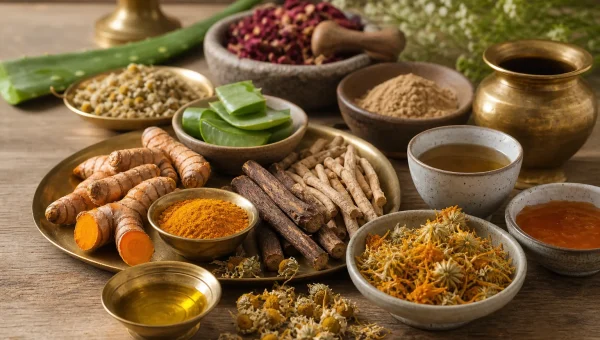
Stanya Shodhana means restoring the clarity and suitability of breast milk by treating the mother. Charaka describes a group of herbs known as Stanyashodhana Mahakashaya, including Patha, Shunthi, Devadaru, Musta, Murva, Guduchi, Vatsaka, Kiratatikta, Katurohini, and Sariva. Classical management also includes diet correction, digestion support, dosha-specific herbs, and practitioner-directed purification measures where appropriate.
In household practice, the safest starting point is not strong purification. It is careful assessment, fresh warm food, adequate fluids, rest, regular feeding support, correction of maternal digestion, and prompt medical care when mother or baby shows signs of illness. Panchakarma-style procedures, emesis, purgation, medicated enemas, or strong herbal regimens should be used only under qualified Ayurvedic supervision, especially during lactation.
For Vata-Dominant Stanya Dushti
The priority is stabilising the mother. Regular warm meals, adequate rest, reduced overexertion, oiliness in food when digestion allows, emotional reassurance, and protection from excessive fasting or irregular routines are central. A qualified practitioner may consider Vata-pacifying preparations such as Dashamoola-based decoctions or milk preparations with nourishing herbs such as Draksha, Madhuka, or Sariva, depending on the mother’s strength, digestion, and symptoms.
When the infant has poor weight gain, persistent constipation, weak feeding, dehydration signs, or unusual crying, paediatric assessment should come before attributing the problem to Vata-dushta milk. Lactation review is also important because shallow latch, low transfer, tongue restriction, oversupply, fast let-down, and feeding timing can all mimic or aggravate Vata-like infant discomfort.
For Pitta-Dominant Stanya Dushti
The priority is cooling and reducing inflammatory heat while protecting milk supply. Maternal fever, breast pain, redness, mastitis symptoms, infant fever, vomiting, diarrhoea, rash, or signs of dehydration require medical care. Diet is usually adjusted away from excess chilli, very sour foods, heavy fermentation, alcohol, and excessive salty or heating foods, while favouring simple freshly cooked meals, adequate fluids, and gentle cooling foods that suit the mother’s digestion.
Classical Pitta-oriented Stanya Shodhana discussions include herbs such as Yashtimadhu, Draksha, Madhuka, Guduchi, Shatavari, Patola, Nimba, Chandana, Sariva, and Triphala in specific contexts. These are not interchangeable home remedies. Licorice-containing preparations require particular caution during lactation and should be used only with professional guidance, especially in anyone with hypertension, kidney disease, electrolyte issues, or medication use.
For Kapha-Dominant Stanya Dushti
The priority is lightening heaviness and improving maternal digestion without drying the mother or reducing milk supply. Warm freshly cooked food, regular mealtimes, moderate spices such as ginger or cumin when tolerated, and avoidance of heavy, cold, stale, excessively sweet, oily, and poorly digested meals are commonly used. The aim is to kindle agni gently, not to impose a harsh diet on a recovering mother.
Classical Kapha-oriented approaches mention herbs such as Musta, Patha, Shunthi, Devadaru, Abhaya, Vacha, Pippali, and Panchakola-type combinations in selected situations. These should be chosen by a qualified practitioner because pungent and heating herbs may aggravate Pitta, disturb sensitive digestion, or be unsuitable for some breastfeeding mothers. If the baby has cough, breathing difficulty, fever, poor feeding, or marked lethargy, seek paediatric care promptly.
Where Shatavari, Shatapushpa, and Other Galactagogues Fit
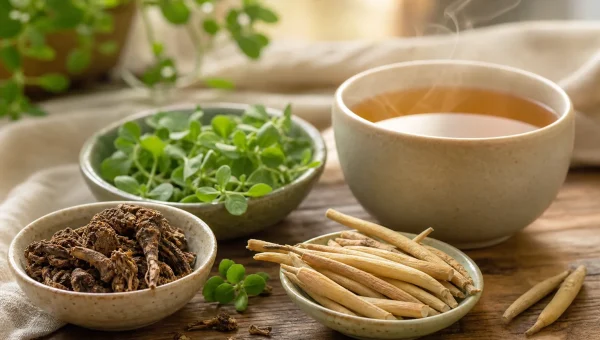
Shatavari is one of Ayurveda’s best-known lactation-support herbs and is traditionally used as a nourishing stanyajanana herb. It is more appropriate when the mother shows depletion, dryness, low nourishment, or low milk supply patterns, and less appropriate as a blanket remedy for every crying or gassy baby. Milk supply concerns should first be assessed through latch, milk transfer, feeding frequency, infant weight, and maternal health.
Shatapushpa, commonly identified with dill in many modern Ayurvedic contexts, is used traditionally in food and postpartum digestive support. Food-level use of dill, cumin, fennel, ajwain, ginger, and similar kitchen spices may be appropriate for many mothers when tolerated, but concentrated herbal dosing during lactation should be individualised. Ashwagandha should not be self-prescribed while breastfeeding a newborn or preterm infant because lactation safety data are limited and caution is advised.
Duration and Monitoring
A Stanya Shodhana plan should be monitored by both maternal and infant markers. Ayurveda looks for improved maternal digestion, steadier appetite, better rest, reduced heat or heaviness, calmer feeding, and more normal stooling and comfort. Modern monitoring adds weight gain, wet diapers, feeding effectiveness, hydration, maternal breast health, and signs of illness.
| What to Monitor | Reassuring Direction | Escalate Care If |
|---|---|---|
| Feeding | Baby latches well, transfers milk effectively, settles after some feeds, and feeds with normal alertness. | Baby refuses feeds, becomes weak or sleepy at the breast, feeds poorly, or shows signs of dehydration. |
| Growth and Output | Weight gain, wet diapers, and stool pattern are appropriate for age. | There is poor weight gain, fewer wet diapers, persistent vomiting, blood in stool, or persistent diarrhoea. |
| Maternal Health | Digestion, rest, mood, breast comfort, and appetite gradually improve. | Mother develops fever, breast redness, severe pain, flu-like symptoms, severe anxiety, depression, or exhaustion. |
| Doshic Signs | Heat, heaviness, dryness, irregularity, mucus tendency, or digestive discomfort become less pronounced. | Symptoms intensify, new symptoms appear, or the baby seems unwell rather than merely unsettled. |
When to Seek Medical Care
Infant colic is usually described as repeated, prolonged crying in an otherwise healthy baby, often beginning in the first weeks and improving by three to four months. Before calling it colic or Dushta Stanya, rule out medical causes. Seek urgent paediatric care for fever, lethargy, poor feeding, poor weight gain, dehydration, breathing difficulty, repeated forceful vomiting, green vomit, blood in stool, abdominal distension, persistent rash, or a sudden cry that is very different from the baby’s usual pattern.
Breastfeeding should not be stopped abruptly unless a healthcare professional identifies a specific contraindication or temporary reason to pause. In most common breastfeeding challenges, the better path is skilled lactation support, maternal care, and medical evaluation where needed. Ayurveda’s contribution is to refine maternal diet, digestion, recovery, and dosha balance while preserving the central value of breast milk.
For the companion article on building optimal milk quantity and quality simultaneously, see our detailed Dhatri Kalpa guide. The broader postpartum context is covered in the Sutika Paricharya month-by-month protocol.
Safety disclaimer: Infant crying, feeding disturbance, rash, vomiting, diarrhoea, cough, poor sleep, or poor weight gain can have many causes and should not automatically be attributed to Dushta Stanya. Never give herbs, honey, medicated ghee, decoctions, or Ayurvedic preparations directly to an infant without paediatric guidance. Consult a lactation consultant for feeding problems and seek paediatric care promptly if the baby appears unwell.
This article is educational and does not diagnose or treat any medical condition. Breastfeeding mothers should consult a qualified Ayurvedic practitioner and a healthcare provider before using herbs, supplements, detoxes, Panchakarma procedures, or therapeutic protocols, especially when nursing a newborn, managing illness, or taking medication.
References
- Frontiersin (frontiersin.org)
- NCBI
- Frontiersin (frontiersin.org)
- Nature (nature.com)
- Charaka Samhita — Stanya (Breast Milk
- Easyayurveda (easyayurveda.com)
- Easyayurveda (easyayurveda.com)
- Easyayurveda (easyayurveda.com)
- NCBI
- NCBI
- Abm (abm.memberclicks.net)
- ACOG
- NCBI
- NCBI
- NHS
- Approach to infantile colic in primary care (2019), PubMed Central
- CDC
- Healthychildren (healthychildren.org)
Is Shatavari Kalpa safe to take alongside iron supplements for postpartum anemia?
Will try 🙏
Late to this post, found it via Google. Is this still the recommended approach in 2027?
नमस्ते, longtime reader first comment. This post finally convinced me to start.
The classical references you include make this more credible than most Ayurveda blogs.
The experience you describe with Kavitha’s baby sounds exactly like what happened with my sister — evening colic that nobody could explain until diet came into the picture. Are there specific foods mentioned in the Stanya Shodhana protocols that nursing mothers should prioritise eliminating first?
New mother here. The Shatavari dosage for improving milk supply you mentioned, 500mg or 5g powder? Those are very different.
My Ayurvedic doctor recommended the same thing last month. Good to find it confirmed here.
skipped the Virechana recommendation since I’m breastfeeding. is there a gentler alternative?
Yes, the post mentions Shatavari-based preparations as a gentler option that supports milk quality without the purgative action of Virechana. Definitely worth asking an Ayurvedic practitioner about that specifically for the lactation period.
Stanya Shodhana should be written carefully. mothers already get blamed for everything around breastfeeding
Same here
My lactation consultant had never heard of Stanya Shodhana. Would love to share this article with her.
Used Dhanvantaram Kashayam during third trimester. Midwife approved. Milk came in well on day 3.
Useful
Just found this. Really helpful for my situation.
Any guidance for mothers who had C-sections? The recovery timeline and herb timing must be different.
धन्यवाद for explaining this so clearly
Doing this ❤️
Found this helpful. The Stanya Shodhana section was particularly useful for my situation. (asking as someone dealing with this since 2020)
Found this helpful. The Stanya Shodhana section was particularly useful for my situation.
The breakdown of Pitta dushta stanya really clarified why spicy meals seemed to upset my baby’s tummy.
My daughter had evening fussiness for weeks and nothing the paediatrician suggested made a dent. After reading this I cut raw onion and fermented foods from my diet and within about four days she was noticeably calmer. Still can’t say for certain it was causal but the timing was hard to ignore.
After reading about Kapha dushta milk, I cut back on cold yogurt and noticed less mucus in my infant’s nose.
The part about which maternal emotions are thought to alter milk composition was new to me. I knew about diet but not the emphasis on mental state during feeding. Has anyone else found that stress visibly affected how their baby fed or settled?
Same here — especially that angle about maternal digestion affecting milk quality upstream. I always assumed the issue was the baby’s gut, not what I was eating. Glad you found it useful too.
Found this helpful. The Stanya Shodhana section was particularly useful fpr my situation.
It’s interesting that modern research links maternal stress to higher cortisol in milk, matching the Vata dushta description.
Three weeks postpartum I was so focused on supply that quality never crossed my mind. This reframed the whole thing for me. The bit about warming spices supporting Agni without being too stimulating for the infant was genuinely practical advice.
Found this helpful. The Stanya Shodhana section was particularly useful fpr my situation. (asking as someone dealing with this since 2022)
Reading about Kavitha’s situation felt very close to home. My own midwife also dismissed the idea that my milk could be the issue. I wish I’d had this framework during those early weeks rather than just being told to wait it out.
Really appreciate that this doesn’t just list herbs but explains the reasoning behind them. The distinction between herbs that purify milk directly versus those that work by improving maternal digestion first makes the whole protocol make sense.
Shatavari taken with cool milk twice a day helped calm the evening fussiness described in the article.
I appreciate the caution to consult a lactation specialist before attributing infant colic solely to milk quality.
Found tjis helpful. The Stanya Shodhana section was particularly useful for my situation.
Found this helpful. The Stanya Shodhana section was particularly useful fpr my situation. ❤️ (asking as someone dealing with this since 2020)