
Heel pain that is sharpest with the first few steps after getting out of bed is a familiar pattern in plantar fasciitis. Ayurveda discusses a closely matching heel-pain condition called Vatakantaka, a name that evokes the feeling of a thorn-like Vata pain in the foot. In practice, Ayurvedic physicians commonly correlate Vatakantaka with plantar fasciitis when the presentation includes localized heel pain, morning start-up pain, stiffness after rest, and aggravation from prolonged standing or walking.
Vatakantaka belongs to the broader field of Vatavyadhi, disorders dominated by aggravated Vata. Classical descriptions connect the condition with strain on the foot, improper placement of the foot on the ground, excessive walking, and localization of Vata in the foot or ankle region. This makes the Ayurvedic approach practical as well as classical: reduce mechanical strain, soften and nourish the local tissues, apply warmth, support Vata-pacifying digestion and routine, and use stronger procedures such as Agnikarma only under trained supervision.
Why the Heel Hurts in Vatakantaka and Plantar Fasciitis
The plantar fascia is a strong band of connective tissue under the foot that connects the heel to the front of the foot and supports the arch. Too much pressure, repetitive impact, tight calf muscles, prolonged standing on hard surfaces, high arches, flat feet, obesity, or a sudden increase in activity can irritate or damage this tissue. Typical symptoms include pain under the heel, pain with the first steps in the morning or after rest, and pain after activity.
In Ayurvedic language, this pattern is read through Vata qualities: dryness, lightness, roughness, irregular movement, stiffness, and sharp pain. When the foot is repeatedly strained, Vata may lodge in the structures around the heel, ankle, snayu (ligamentous or fibrous tissues), asthi (bone), and sandhi (joint region). The result is a piercing, thorn-like pain that often feels worse after inactivity and improves somewhat after gentle movement.
The Ayurvedic Treatment Framework for Vatakantaka
The classical treatment logic is not a single remedy but a layered plan. For Vata affecting snayu, sandhi, and asthi, traditional references include sneha or oleation, upanaha or warm poultice, swedana or fomentation, bandhana or supportive bandaging, unmardana or firm local massage, and Agnikarma in selected cases. A modern Vatakantaka plan should therefore combine local oil therapy, warmth, load management, stretching, suitable footwear, diet and routine changes, and practitioner-guided medicines when needed.
Pillar 1: Padabhyanga and Local Oleation
Padabhyanga, or foot massage with oil, is one of the most useful daily practices for Vatakantaka because it directly addresses Vata qualities in the foot: dryness, stiffness, roughness, fatigue, and sharp pain. It is best done gently at first, then more firmly as pain reduces. Use warm oil, not hot oil, and avoid aggressive pressure over severe tenderness.
Simple home method: warm 1-2 tablespoons of sesame oil, Mahanarayana Taila, Kshirabala Taila, or another practitioner-recommended Vata-pacifying oil. Massage the sole, arch, heel border, calf, and ankle for 10-15 minutes. Cover the foot with a loose cotton sock afterward, especially at night. Stop if there is burning, rash, increased swelling, numbness, open skin, infection, or unexplained worsening pain.
- Tila Taila (sesame oil): a practical base oil for Vata-type dryness and stiffness when medicated oils are not available.
- Mahanarayana Taila: traditionally used as a musculoskeletal Vata oil, especially where stiffness and restricted movement accompany pain.
- Kshirabala Taila: prepared around Bala, milk, and sesame oil; often chosen in Vata presentations with sensitivity, weakness, or nerve-like discomfort.
- Nirgundi Taila or Nirgundi-based local application: useful where the presentation has pain and swelling qualities and is selected by the practitioner according to the patient.
Pillar 2: Warm Soaks, Swedana, and Upanaha
Warmth is central in Vatakantaka because cold and dryness aggravate Vata. A warm foot soak before massage can soften the fascia, relax the calf and sole, and prepare the area for oil application. A simple option is warm water with rock salt. When herbs are available, a decoction of Rasna and Nirgundi may be used externally under guidance.
Upanaha, a warm poultice, is a classical form of localized fomentation. In the heel, it may be prepared with Vata-pacifying herbs, oil, and a suitable binding medium, then applied warm over the painful area for a limited period. This should be done carefully because excessive heat or tight wrapping can irritate the skin or worsen swelling.
Pillar 3: Internal Medicines Under Supervision
Internal Ayurvedic medicines are chosen according to the person, not just the diagnosis. The physician considers chronicity, digestion, bowel pattern, body weight, occupation, footwear, sleep, associated back or knee pain, and whether the case is dry-Vata dominant or Vata-Kapha dominant. The following herbs and formulas are commonly considered in Vatakantaka-like presentations, but dosing and duration should be individualized.
| Herb / Formula | Classical Relevance | Typical Use Context | Safety Note |
|---|---|---|---|
| Rasna (Pluchea lanceolata) | Described with Kaphavatahara and Amapachana actions; used in Vatavyadhi, Shotha, Amavata, and Vatarakta. | Decoctions and external applications where Vata pain is associated with stiffness or heaviness. | Use correct botanical source and practitioner-guided preparation. |
| Nirgundi (Vitex negundo) | Described with Vata-shamaka, Kapha-shamaka, and Shothahara actions; used in Shula, Shotha, Vatavyadhi, and Amavata. | External oil, leaf application, or decoction-based local care in pain and swelling presentations. | Avoid self-application on broken skin or inflamed lesions. |
| Guggulu (Commiphora wightii) | Listed in Ayurveda for Vatavyadhi, Amavata, and Shopha; included in formulations such as Yogaraja Guggulu. | Chronic Vata or Vata-Kapha musculoskeletal pain when digestion and elimination can tolerate it. | Use purified, quality-tested preparations; avoid unsupervised use with thyroid medicines, blood thinners, pregnancy, liver disease, or multiple medications. |
| Ashwagandha (Withania somnifera) | Described as Rasayana, Balya, and Vatakaphapaha; used in Vataroga and weakness. | Chronic Vata presentations with fatigue, low strength, poor recovery, and dryness. | Avoid unsupervised use in pregnancy, thyroid disorders, autoimmune disease, liver disease, or with sedatives and other regular medicines. |
| Shallaki (Boswellia serrata) | Traditionally used for inflammatory and painful joint disorders. | Heel pain with broader joint discomfort, stiffness, or inflammatory features when suitable for the patient. | May cause digestive discomfort in some people; use standardized products only under guidance. |
Pillar 4: Agnikarma for Selected Chronic Cases
Agnikarma is a classical thermal procedure used in Ayurveda for pain-dominant disorders, especially where Vata affects deeper tissues such as snayu, sandhi, and asthi. In Vatakantaka, it is considered only when the case is suitable and conservative care has not been enough. It must be performed by a trained Ayurvedic surgical or para-surgical practitioner using sterile technique, correct site selection, and appropriate aftercare.
Agnikarma should not be attempted at home. People with diabetes, neuropathy, poor wound healing, vascular disease, active infection, bleeding disorders, pregnancy, or impaired sensation in the feet need careful medical evaluation before any heat-based procedure.
Five Herbs Often Used Around the Vatakantaka Protocol
The following herbs are not a replacement for diagnosis, footwear correction, stretching, or load management, but they are important in the Ayurvedic understanding of heel pain and Vata-related musculoskeletal disorders.
- Rasna (Pluchea lanceolata): a key Vata-Kapha herb used in decoctions and oils for pain, stiffness, and swelling-type presentations.
- Nirgundi (Vitex negundo): used externally and internally in practitioner-guided care for Shula, Shotha, Vatavyadhi, and Amavata.
- Guggulu (Commiphora wightii): a resin used after proper purification in many Vata and Vata-Kapha musculoskeletal formulas.
- Ashwagandha (Withania somnifera): a strengthening and Vata-pacifying herb used when chronic pain is accompanied by weakness, poor recovery, and depletion.
- Shigru (Moringa oleifera): used in Ayurveda in different parts and preparations; warm external applications are sometimes selected where Vata-Kapha stiffness is prominent.
Diet and Daily Routine for Vata-Type Heel Pain
Diet alone will not correct plantar fasciitis, but it can either support or disturb Vata. A Vatakantaka recovery plan favors regular meals, warm cooked foods, adequate healthy fats, and a steady routine. Skipping meals, cold drinks, excessive dry snacks, late nights, and overexertion tend to aggravate the same Vata qualities that produce dryness, stiffness, and pain.
- Favor warm meals such as soups, khichadi, cooked vegetables, ghee in moderation, sesame, and well-spiced digestible foods.
- Reduce cold, dry, and rough foods such as refrigerated meals, excessive raw salads, crackers, dry fasting, and carbonated cold drinks.
- Keep the feet warm and avoid walking barefoot on cold tiles, especially first thing in the morning.
- Use cushioned, supportive footwear indoors if hard floors trigger pain.
- Reduce prolonged standing where possible; change posture often and use a mat if standing for work.
- Do not suddenly increase walking, running, hill climbing, or barefoot exercise while the heel is painful.
Stretching, Footwear, and Load Management
Ayurvedic oil therapy works best when combined with sensible mechanical care. The calf muscles and plantar fascia should be stretched gently and consistently. A simple routine is to stretch the calf with the heel on the ground, then sit and pull the toes back until the plantar fascia feels taut but not sharply painful. Supportive footwear, gradual activity changes, and weight management where relevant reduce repeated strain on the heel.
Do not force stretches into severe pain. Morning stretching before the first steps can be especially helpful: move the ankle, flex and extend the toes, massage the arch briefly, then stand slowly with support.
Realistic Expectations
Recent heel pain may improve with consistent care over several weeks, while chronic cases often need longer and may require assessment for footwear, calf tightness, training errors, body weight, metabolic factors, or inflammatory disease. The goal is not only to quiet the pain but also to prevent recurrence by restoring better load tolerance in the foot.
Seek medical evaluation if heel pain follows trauma, is associated with marked swelling or warmth, occurs with fever, numbness, night pain, unexplained weight loss, inability to bear weight, diabetes-related foot changes, or symptoms in multiple joints. Heel pain can sometimes come from stress fracture, Achilles tendinopathy, nerve entrapment, arthritis, inflammatory enthesitis, or other conditions that need a different plan.
Safety Disclaimer
This article is for educational purposes only and should not replace diagnosis or treatment from a qualified healthcare professional. Consult a licensed physician, physiotherapist, or qualified Ayurvedic practitioner before starting herbal medicines, Agnikarma, strong heat therapies, or any treatment plan, especially during pregnancy, with diabetes, kidney or liver disease, autoimmune disease, thyroid disease, bleeding disorders, neuropathy, or when taking prescription medicines.
The most practical first step is simple: tonight, warm a small amount of sesame oil, massage the heel, arch, ankle, and calf for 10 minutes, cover the foot, and avoid cold-floor walking in the morning. Continue gentle stretching and footwear support daily while arranging proper assessment if pain persists or worsens.
References
- Orthoinfo (orthoinfo.aaos.org)
- NCBI
- Ijrap (ijrap.net)
- Globalagnikarma (globalagnikarma.com)
- Ijam (ijam.co.in)
- Ijrap (ijrap.net)
- Ayurvedic Pharmacopoeia of India
- Ayurvedic Pharmacopoeia of India
- Ayurvedic Pharmacopoeia of India
- Impactfactor (impactfactor.org)
- Natural Ingredient Resource Center
- Ayurvedic Pharmacopoeia of India
- Boswellia serrata: an overall assessment of in vitro, preclinical, pharmacokinetic and clinical data (2011), PubMed
- NCCIH
- Rxlist (rxlist.com)
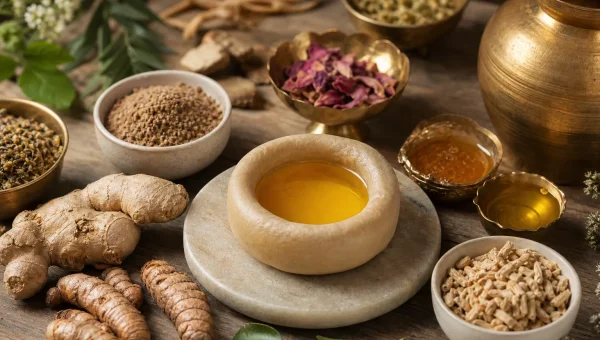
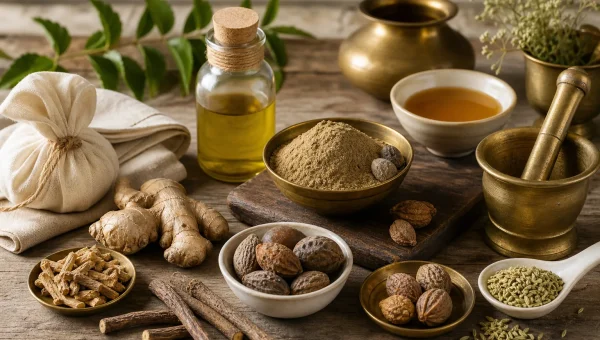
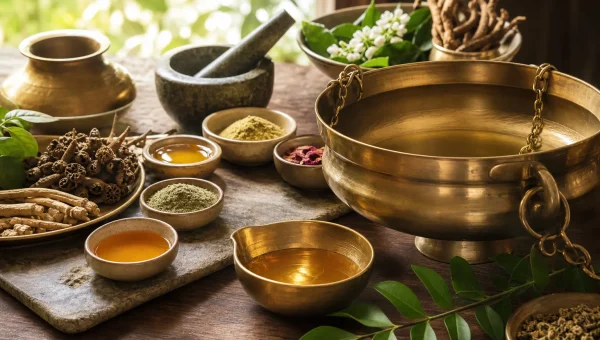
Glass shards in the heel at 6 weeks that is the exact description every plantar fasciitis patient uses. I had it for 18 months and the conventional approach gave me 40% improvement maximum. The Vatakantaka protocol with sesame oil and Castor packs over 8 weeks gave me pain-free mornings. First time in over a year.
Is the castor oil compress applied warm? And how often daily or every other day? The article describes the approach but I’d want the exact protocol before starting given the severity of my symptoms.
The advice around Plantar Fasciitis (Vatakantaka) is specific enough to be useful. This feels more usable than a long list of herbs.
Why does the first-step pain pattern in plantar fasciitis happen specifically? The Vatakantaka explanation contracted tissue on weight bearing after overnight Vata accumulation is more satisfying than the ‘just inflammation’ explanation I got from my podiatrist.
The claim that the schoolteacher was pain-free in 6 weeks is an impressive outcome. I’d like to know what her adherence level was and whether she maintained other conventional treatments in parallel.
Tried the sesame oil rolling a glass bottle warm sesame oil on the plantar surface for 10 minutes morning and night. Three weeks and the morning pain has gone from a 7 to a 3. I’m genuinely surprised because I’d written off Ayurvedic approaches for something this structural.
Does this protocol work for haglund’s deformity (bony heel spur) as well, or only for the soft tissue component of plantar fasciitis? My podiatrist says I have both and the structural component may limit how much the soft tissue treatment can help.
My wife had cortisone shots 3 times with temporary relief each time. The recurrence pattern exactly as the article describes finally convinced her to try the Ayurvedic approach. 4 months in and the shots are not needed.
The Plantar Fasciitis (Vatakantaka) angle is useful here. Small daily changes are easier to follow than a perfect plan.
The Agnikarma option for stubborn cases is interesting. How does one find a practitioner qualified to perform this? I’m in Bangalore and would want a proper recommendation before proceeding.
The story of the schoolteacher who felt glass shards in her heel really resonates; it’s interesting how Vatakantaka matches modern plantar fasciitis description.
I wonder if using warm sesame oil before bed could help reduce morning stiffness for anyone dealing with heel pain.
Padabhyanga with Mahanarayan Taila twice daily seems like a practical step that could improve circulation in the fascia.
The three pillar approach makes sense, especially the herbal foot soak with Rasna and Nirgundi leaves before massage.
Agnikarma sounds intense, but the warm castor oil pack alternative could be a gentler way to try heat therapy at home.
Incorporating ghee and root vegetables while avoiding raw salads aligns with the Vata pacifying diet suggested for chronic heel discomfort.
Shigru leaf poultices combined with castor oil caught my eye as a simple home remedy worth exploring for stubborn heel pain.
I appreciate that this does not pretend the condition resolves overnight. My plantar fasciitis has been on and off for two years and every treatment I have tried gives partial improvement then I go back to standing all day and it returns. The dietary angle is one I had not considered at all — is the Vata-aggravating food list you mention the same across most Ayurvedic sources or does it vary by practitioner?
Six weeks to get a schoolteacher walking without pain after seven months of failed orthotics is remarkable. My heel pain started after I increased my morning walk distance too quickly. The first-step-in-the-morning glass-shard feeling is exactly right. Is the castor oil packing something you do daily from the start or only in the acute phase? ❤️
for those of us with Pitta-Vata combined type is the protocol different from pure Vata
after reading the sleep architecture section I changed my dinner to 7pm instead of 9pm. my deep sleep percentage on my tracker went up
the article mentions Abhyanga before bed but doesnt specify oil. sesame or coconut for Vata type asked this recently
after reading the sleep architecture section I changed my dinner to 7pm instead of 9pm. my deep sleep percentage on my tracker went up asked this last week
💯 the article is very confident about Vata being the cause of 3am waking. but many people wake then due to glucose crashes too
warm spiced milk with nutmeg at bedtime sounds basic but it genuinely works for early morning waking
for those of us with Pitta-Vata combined type is the protocal different from pure Vata
after reading the sleep architecture section I changed my dinner to 7pm instead of 9pm. my deep sleep percentage on my tracker went up asked this recently
after reading the sleep architecture section I changed my dinner to 7pm instead of 9pm. my deep sleep percentage on my tracker went up asked this earlier
Any side effects?
warm spiced milk with nutmeg at bedtime sounds basic but it genuinely works for early morning waking asked this just now
the article is very confident about Vata being the cause of 3am waking. but many people wake then due to glucose crashes too asked this last week
the article mentions Abhyanga before bed but doesn’t specify oil. sesame or coconut for Vata type
brahmi oil on the head before bed leaves a mess on the pillow. not practical for most people, should mention that 🙏
which specific ashwagandha preparation works better for sleep quality, the root powder or the extract
which specific ashwagandha preparation works better for sleep quality, the root powder or the extract asked this recently
which specific ashwagandha preparation works better for sleep quality the root powder or the extract
the lifestyle changes in section 3 about screen time and Vata aggravation saved my sleep. medication-free now
Too expensive
the article mentions Abhyanga before bed but doesnt specify oil. sesame or coconut for Vata type
how does the 3am cortisol spike theory align with modern HPA axis research, any citations
🙌 after reading the sleep architecture section I changed my dinner to 7pm instead of 9pm. my deep sleep percentage on my tracker went up
warm spiced milk with nutmeg at bedtime sounds basic but it genuinely works for early morning waking asked this earlier
💯 for those of us with Pitta-Vata combined type is the protocol different from pure Vata
🌿 which specific ashwagandha preparation works better for sleep quality, the root powder or the extract
how does the 3am cortisol spike theory align with modern HPA axis research, any citations asked this last week