
At a glance
| Elements | Fire with water; classically described as agneya, with a liquid medium |
| Main qualities | Hot, sharp, light, slightly oily, liquid, spreading, penetrating, and sometimes strong-smelling |
| Governs | Digestion, metabolism, appetite, body temperature, vision, complexion, discrimination, courage, and transformation |
| Main seats | Small intestine, stomach region, liver-spleen area, blood, sweat, eyes, and skin |
| Season | Accumulates in the rainy season and is commonly aggravated in autumn and hot climates |
| Balancing principle | Cool, calm, nourish, soften intensity, and avoid excess heat, acidity, anger, overwork, and sharp spices |
Understanding
Pitta dosha is the principle of heat, digestion, transformation, colour, clarity, and intelligent discrimination in the body and mind. In classical Ayurveda it is understood through qualities such as ushna hot, tikshna sharp, laghu light, drava liquid, sara spreading, and sasneha slightly oily. Physiologically, Pitta supports appetite, enzymatic digestion, metabolism, body temperature, visual perception, complexion, and the ability to understand and decide. Mentally, balanced Pitta gives focus, courage, orderliness, leadership, and precise speech. Because it is hot and sharp by nature, it is easily disturbed by heat, anger, competition, alcohol, sour-fermented foods, too much chilli, lack of sleep, and prolonged overwork.
When balanced vs aggravated
When Pitta is balanced, digestion is steady, appetite is healthy without being excessive, the skin has a clear glow, the eyes are bright, the mind is sharp but patient, and emotions are guided by intelligence rather than reactivity. A balanced Pitta person can plan well, speak clearly, take responsibility, and act with courage. When aggravated, the same fire becomes excessive: hunger may become intense, acidity and burning sensations may appear, stools may become loose, the skin may become red or inflamed, sweat may increase, and the mind may become irritable, critical, impatient, or easily angered. The Ayurvedic approach is not to suppress Pitta completely, but to keep its heat useful, steady, and well-contained.
Balancing diet
Favour
- Sweet, bitter, and astringent tastes, as these traditionally pacify excess Pitta.
- Cooling grains such as rice, wheat, barley, and oats when well tolerated.
- Milk, ghee, and mild dairy in suitable individuals, especially when digestion can handle them.
- Cooling vegetables such as cucumber, bottle gourd, ridge gourd, pumpkin, leafy greens, asparagus, and bitter gourd.
- Sweet fruits such as ripe mango, pomegranate, pear, grapes, melon, figs, dates, and sweet apples.
- Moong dal and other easy-to-digest legumes, prepared with mild spices.
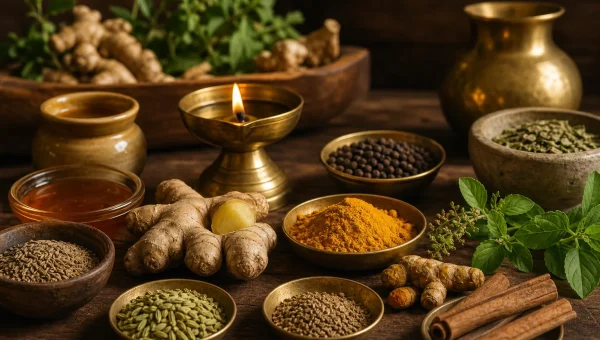
- Coconut, coriander, fennel, cumin, mint, rose, and small amounts of cardamom.
- Meals taken at regular times, with lunch as the main meal when digestive fire is naturally stronger.
Reduce
- Excess chilli, black pepper, mustard, garlic, hing, and very pungent spice mixtures.
- Sour, fermented, and acidic foods in excess, including vinegar, pickles, sour curd, and very tangy chutneys.
- Deep-fried, overly oily, stale, reheated, and very salty foods.
- Alcohol, smoking, and stimulants, which increase heat and sharpness.
- Excess tea, coffee, energy drinks, and late-night work.
- Very hot foods and drinks, especially during summer or when acidity, burning, rashes, or irritability are present.
- Skipping meals, fasting aggressively, or delaying food when there is strong hunger.
- Eating while angry, arguing, rushing, or working intensely.
Daily routine
A Pitta-balancing routine should be steady, cooling, and emotionally spacious. Wake before the day becomes hot, cleanse gently, and avoid beginning the morning with screens, arguments, or competitive pressure. Abhyanga may be done with cooling oils such as coconut oil in hot weather or medicated oils advised by a physician; very heating oils and aggressive massage are not ideal during Pitta aggravation. Exercise should be moderate rather than punishing: walking, swimming, moon salutations, gentle strength training, and cooling pranayama are often better than intense midday workouts. Avoid excessive sun, sauna, hot yoga, and working through hunger. Keep meals regular, sleep before late-night Pitta hours, and cultivate practices that cool the mind, such as time in nature, devotional practice, quiet breathing, journaling, and reducing perfectionism. For aggravated Pitta, the medicine is often simplicity: less heat, less hurry, less argument, and more rest.
Best herbs
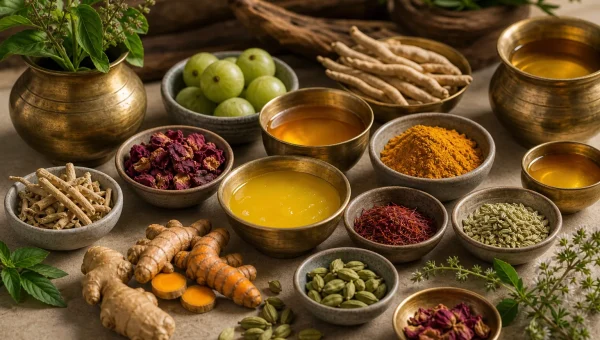
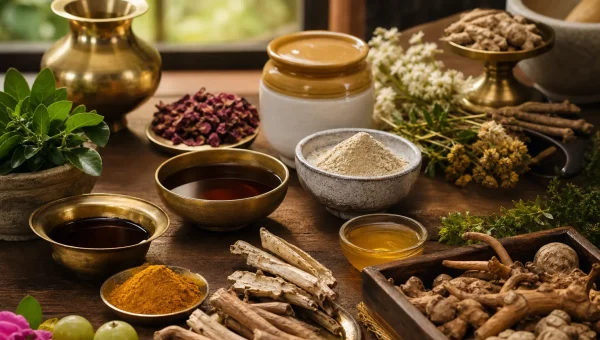
Classically used Pitta-pacifying herbs include Amalaki, Guduchi, Shatavari, Yashtimadhu, Musta, Usheera, Chandana, Sariva, Bhringaraja, and Draksha, selected according to the person, tissue involved, strength of digestion, and associated doshas. Amalaki is especially valued as a cooling rasayana that supports digestion without increasing heat in the way many sharp digestive herbs can. Guduchi is widely used in Pitta-related heat, inflammatory tendency, and disturbed metabolism, while Shatavari and Yashtimadhu are more nourishing and soothing when dryness, burning, or depletion accompanies Pitta. These herbs should not be self-prescribed for serious disease, pregnancy, breastfeeding, liver or kidney disease, autoimmune conditions, diabetes medication use, anticoagulant use, or long-term medication use without professional guidance.
Signs of imbalance
- Acidity, sour belching, heartburn, nausea with heat, or burning in the stomach region.
- Excessive hunger, irritability when meals are delayed, or feeling shaky and angry when fasting.
- Loose stools, frequent stools, yellowish stools, or burning during evacuation.
- Skin redness, rashes, acne with inflammation, hives, heat eruptions, or sensitivity to sun.
- Excess sweating, strong body odour, heat intolerance, or feeling hot at night.
- Red, burning, dry, or light-sensitive eyes.
- Premature greying or hair thinning when associated with heat, stress, and Pitta constitution.
- Anger, impatience, criticism, perfectionism, jealousy, competitiveness, or harsh speech.
- Disturbed sleep due to heat, work intensity, late meals, or overthinking plans and responsibilities.
- Inflammatory tendency, bleeding tendency, or burning sensations that require medical assessment if persistent or severe.
FAQ
Foods with sweet, bitter, and astringent tastes are traditionally used to calm Pitta. Simple meals with rice, moong dal, ghee, cooling vegetables, coriander, fennel, coconut, pomegranate, and sweet fruits are usually more suitable than spicy, sour, salty, fried, or fermented foods.
No. Pitta is essential for digestion, metabolism, vision, courage, and intelligence. The aim is not to destroy Pitta but to keep it balanced. Balanced Pitta gives clarity and strength; aggravated Pitta produces burning, inflammation, anger, acidity, and excess sharpness.
Common aggravating habits include working under pressure for long hours, skipping meals, eating very spicy or sour foods, drinking alcohol, sleeping late, exercising in the hot sun, suppressing emotions, and living with constant competition or anger. Cooling routine, regular meals, rest, and emotional moderation are key.
References
- Ashtanga Hridaya, Sutrasthana — classical description of dosha qualities, including the qualities of Pitta such as hot, sharp, light, liquid, spreading, and slightly oily.
- Charaka Samhita, Sutrasthana — classical discussion of dosha, agni, dietetics, taste, seasonal regimen, and the role of Pitta in digestion and transformation.
- Sushruta Samhita, Sutrasthana — classical teaching on dosha, seasonal influence, bodily heat, blood, skin, and Pitta-related physiological functions.
- Bhavaprakasha Nighantu — traditional materia medica references for herbs such as Amalaki, Guduchi, Yashtimadhu, Draksha, and other cooling or Pitta-pacifying dravyas.
- Ayurvedic Pharmacopoeia of India, Government of India — official monographs for selected Ayurvedic herbs, including botanical identity, part used, and pharmacopoeial standards.
Makes a lot of sense that Pitta gets worse in hot weather and during overwork. The focus on cooling food and a steadier routine feels practical, not extreme.
The way you tied digestion, sharp thinking, and irritability together was helpful. It explains why Pitta feels so connected to both the body and the mind.
Refreshing to see lunch treated as the main meal instead of snacking all day. That part fits real life better than a lot of wellness advice.
The list of cooling foods is easy to picture using in everyday meals. Cucumber, moong dal, mint, and ghee is a pretty manageable combination.
This article makes the balancing approach sound sensible. Less heat, less hurry, more rest is simple enough to remember.
Appreciated the reminder that Pitta is not something to crush, just keep useful and steady. That feels like a healthier way to think about temperament too.
How would you suggest handling Pitta balance in a really busy workday when lunch is late and the schedule keeps changing?
Curious about the oil massage part. Is coconut oil the usual choice for most people, or does that depend on the season and skin type?
The food list is clear, but what would a simple one day meal plan look like for someone who runs hot and gets acid reflux easily?
Would love more detail on the herbs mentioned here, especially which ones are commonly used for everyday support versus only when Pitta is clearly aggravated.
Some of this lines up with common sense, but I would still want to see stronger evidence before assuming every hot temperament or skin flare is a Pitta issue.
The advice to avoid chilli, coffee, and late nights is practical, though the article makes it sound broader than it may be for every person. Digestion and tolerance seem pretty individual.
The cooling routine sounds nice, but in real life it can be hard to follow if someone works outside or has limited food options. A few lower cost examples would make it easier to apply.