
Rosmarinic Acid in Ayurvedic Herbal Practice: Tulsi and Mint for Allergy-Season Support, with Brahmi as Medhya Support
When allergic rhinitis patients ask about “natural antihistamine-style” herbs, rosmarinic acid is a useful modern phytochemical lens, but it should be placed correctly within Ayurvedic practice. Rosmarinic acid is a caffeic-acid ester first isolated from rosemary and now recognized in many aromatic plants, especially Lamiaceae herbs. For Ayurveda-informed allergy-season support, tulsi and mint are the practical rosmarinic-acid-containing herbs; brahmi is better understood as medhya and rasayana support for the mind rather than as a primary rosmarinic-acid carrier.
Ayurveda does not treat allergy merely as a histamine problem. Seasonal sneezing, nasal heaviness, watery discharge, cough, wheeze, throat irritation, and foggy concentration are assessed through doṣa, agni, āma, prāṇavaha srotas, and the strength of the person. Rosmarinic acid adds a modern explanatory layer for why tulsi and mint may be helpful as part of a broader, constitution-sensitive plan, especially when kapha-type congestion and respiratory irritation are prominent.
How Rosmarinic Acid Supports the Allergy Response
Rosmarinic acid is not simply a plant version of a conventional antihistamine. Human and experimental work places it closer to a multi-pathway anti-inflammatory compound: it has been evaluated for nasal inflammatory-cell infiltration, eosinophil recruitment, mast-cell degranulation, complement activation, and inflammatory signaling that can amplify allergic symptoms beyond the first histamine surge.
| Mechanism | Verified Context | Practical Meaning | Reference |
|---|---|---|---|
| Nasal inflammatory-cell modulation | Seasonal allergic rhinoconjunctivitis trial using rosmarinic-acid-enriched Perilla frutescens extract | Reduced eosinophils and neutrophils in nasal lavage are relevant to sneezing, itching, watery eyes, and nasal irritation | Takano et al., 2004; PMID: 14988517 |
| Eosinophil and Th2-pathway modulation | Mite-allergen mouse model using perilla extract containing rosmarinic acid | Lower eotaxin, IL-4, IL-5, airway eosinophils, and allergen-specific IgG1 fit the inflammatory pattern seen in allergic airways | Sanbongi et al., 2004; PMID: 15196288 |
| Mast-cell degranulation control | IgE-triggered mast-cell models | Reduced degranulation is relevant to histamine-linked itching, sneezing, swelling, and immediate irritation | Kim et al., 2024; PMID: 38270683 |
| Complement-pathway moderation | Complement C3-convertase and activated C3b models | Complement moderation may reduce inflammatory amplification after immune activation | Englberger et al., 1988; PMID: 3198307; Sahu et al., 1999; PMID: 10353266 |
| Skin-allergy pathways | Allergic contact dermatitis and mast-cell-mediated pruritus models | Relevant to the itch-inflammation link, while not replacing dermatologic care for eczema or dermatitis | Li et al., 2023; PMID: 36931000 |
This multi-pathway profile is why rosmarinic-acid-rich herbs are best viewed as supportive allergy-season botanicals rather than as direct substitutes for prescribed antihistamines, inhalers, intranasal steroids, or emergency allergy medication. In Ayurvedic terms, tulsi is particularly suited when kapha and vāta are involved in cough, breathlessness, heaviness, and mucus, while mint is a lighter aromatic companion when the digestive and respiratory channels feel dull, heavy, or congested.
Ayurvedic View: Tulsi First, Mint as an Aromatic Ally, Brahmi for the Mind
The original comparison of tulsi, mint, and brahmi needs a classical correction. Tulsi has a clear Ayurvedic respiratory place and contains measurable rosmarinic acid. Mint contains rosmarinic acid and is widely used as an aromatic digestive-respiratory herb, but its Ayurvedic use should not be overstated with unsupported classical labels. Brahmi is an important Ayurvedic medhya rasayana, but it should not be presented as a major rosmarinic-acid delivery herb.
| Herb | Botanical Name | Verified Ayurvedic / Phytochemical Position | Best Use in Allergy-Season Support |
|---|---|---|---|
| Tulsi | Ocimum sanctum / Ocimum tenuiflorum | API describes tulasi as katu, tikta, kaṣāya in rasa; laghu, rukṣa, tīkṣṇa in guṇa; uṣṇa in vīrya; katu in vipāka; with kaphahara and vātahara karma and uses including śvāsa, kāsa, hikkā, and chardi. Modern phytochemical profiling detects rosmarinic acid in tulsi. | Primary Ayurveda-aligned herb for kapha-vāta respiratory support, cough tendency, seasonal throat irritation, and mucus-heavy nasal symptoms. |
| Pudina / Mint | Mentha species; peppermint is Mentha × piperita | Mint species contain rosmarinic acid, with content varying by species, plant part, harvest, drying, and extraction method. Peppermint leaf tea is commonly used as a gentle aromatic beverage. | Useful as a light aromatic addition to tulsi tea when congestion, heaviness, bad taste, or digestive dullness accompanies seasonal symptoms. |
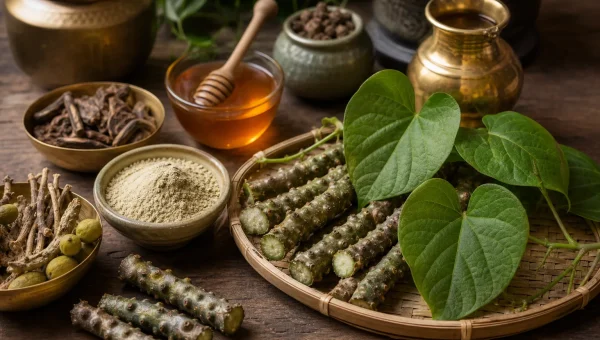
| Brahmi | Bacopa monnieri | API describes brahmi as madhura, tikta, kaṣāya in rasa; laghu and sara in guṇa; śīta in vīrya; madhura in vipāka; with medhya, rasayana, kaphahara, vātahara, svarya, and viṣahara karma. API dose for brahmi powder is 1–3 g. | Supportive when allergy season is accompanied by poor concentration, stress, disturbed sleep, or mental fatigue; not the main herb for delivering rosmarinic acid. |
For a rosmarinic-acid-focused approach, tulsi and mint carry the central role. For a classical Ayurvedic approach, the practitioner also considers whether the person needs kapha-reducing respiratory support, agni correction, rasayana support, sleep support, or a gentler plan because of pitta aggravation, pregnancy, medication use, or chronic disease.
Rosmarinic Acid-Rich Preparation: What Is Practical and What Is Not
Rosmarinic acid content varies widely across species, chemotypes, soil, harvest time, drying method, storage, and extraction conditions, so fixed milligram estimates from ordinary household tea are unreliable. A practical plan should avoid pretending that one cup of tulsi tea provides the same dose used in a standardized rosmarinic-acid extract trial.
| Preparation | How to Use | Ayurvedic Rationale | Important Boundary |
|---|---|---|---|
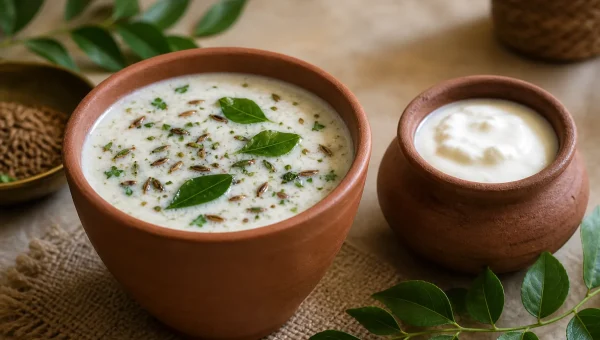
| Tulsi leaf infusion | Steep dried tulsi leaf in freshly boiled water for about 7–10 minutes, then strain. Use as a warm seasonal beverage, usually once or twice daily depending on constitution and tolerance. | Warm, aromatic, kapha-vāta-aligned support for nasal heaviness, cough tendency, throat irritation, and cold-season respiratory dullness. | Do not equate household tea with a standardized rosmarinic-acid dose. |
| Tulsi-mint infusion | Use about 2 parts tulsi to 1 part dried mint leaf. Steep briefly and drink warm. This is most suitable when congestion is joined with a coated tongue, bad taste, or sluggish digestion. | Tulsi provides the stronger Ayurveda respiratory profile; mint adds aromatic lightness and improves palatability. | Avoid very strong mint preparations in reflux-prone individuals if they worsen burning or regurgitation. |
| Standardized rosmarinic-acid extract | Use only under professional guidance when a defined rosmarinic-acid dose is desired. | This belongs more to phytotherapy than classical household Ayurveda. | The best human allergy data used perilla extract enriched for rosmarinic acid, not tulsi tea. |
| Brahmi powder | Use according to constitution and practitioner guidance; API lists 1–3 g powder as the dose. | Medhya rasayana support for mental clarity, stress load, and concentration. | Not a primary rosmarinic-acid strategy. |
Hot-water infusion is a reasonable household delivery method for tulsi and mint because rosmarinic acid is water-extractable, and herbal-tea polyphenols are influenced by brewing temperature and time. Short infusion is preferable to unnecessary prolonged boiling, especially when the goal is an aromatic, pleasant, daily-use preparation rather than a heavy decoction.
Human Allergy Trial: The Best Clinical Fit for Rosmarinic Acid
The clearest human allergy model for rosmarinic acid used Perilla frutescens extract enriched for rosmarinic acid in people with mild seasonal allergic rhinoconjunctivitis. The study was a 21-day randomized, double-blind, placebo-controlled, parallel-group trial using 50 mg or 200 mg rosmarinic acid from perilla extract, compared with placebo, during pollen season.
- Participants receiving the active extract had improved responder rates for itchy nose, watery eyes, itchy eyes, and total symptoms.
- Nasal lavage findings included reduced eosinophils and neutrophils.
- The trial reported no adverse events and no abnormal routine blood-test changes.
- The study used a defined extract dose and should not be translated into exact milligram promises from ordinary tulsi or mint tea.
The practical takeaway is supportive rather than exaggerated: rosmarinic acid is a credible anti-allergy phytochemical, but whole-herb Ayurvedic use depends on the herb, the person, the preparation, and the severity of symptoms. Mild seasonal discomfort may be supported with tulsi-mint preparations, while severe allergic rhinitis, asthma, wheezing, anaphylaxis risk, or medication-dependent allergy needs medical supervision.
Practical Allergy-Season Protocols
These protocols keep the original practical intent but remove unsupported dosage promises. They are best suited for mild, seasonal, kapha-type allergy patterns and should be adjusted for prakṛti, vikṛti, digestion, pregnancy status, age, and medications.
Tulsi-Mint Seasonal Infusion
Combine 2 parts dried tulsi leaf with 1 part dried mint leaf. Steep in freshly boiled water for 7–10 minutes, strain, and drink warm. This is most appropriate when sneezing, watery discharge, nasal heaviness, throat irritation, and mild cough tendency are accompanied by kapha-type heaviness or sluggish digestion.
Tulsi-Haridra-Pippali Honey Linctus
For adults with kapha-type throat coating, mucus, and cough tendency, a practitioner may use a small linctus of tulsi powder, haridra powder, a very small amount of pippali, and honey. This is a traditional-style combination rather than a named classical formulation: tulsi supports the respiratory channel, haridra is widely used for inflammatory skin and mucosal tendencies, pippali is warming and respiratory-oriented, and honey acts as a yogavāhī-style carrier in kapha conditions. Honey should not be heated or given to infants.
Brahmi for Allergy-Season Brain Fog
When allergy season is accompanied by poor focus, irritability from poor sleep, or a dull mental state, brahmi may be used separately as medhya support. API lists brahmi as medhya and rasayana, with a powder dose of 1–3 g. Because brahmi is śīta and can be unsuitable for some people with weak digestion, excess kapha, pregnancy, or medication concerns, it should be introduced with practitioner guidance rather than treated as a universal allergy remedy.
Beyond the Nose: Airways, Skin, and the Gut-Immune Boundary
Rosmarinic acid has also been evaluated in experimental allergic airway and skin-inflammation models. These models are relevant to the broader allergy picture because eosinophils, mast cells, pruritus, cytokines, and inflammatory amplification can appear across the nose, lungs, skin, and gut-associated immune system.
- Airways: In a mite-allergen model, perilla extract containing rosmarinic acid reduced airway eosinophils and allergy-associated mediators such as IL-4, IL-5, and eotaxin.
- Skin: Rosmarinic acid has been evaluated in allergic contact dermatitis and mast-cell-mediated itch models, making it relevant to the itch-inflammation link.
- Gut-immune boundary: Digestive strength, food tolerance, mucus formation, and immune reactivity are assessed together in Ayurveda, but true food allergy and anaphylaxis require strict medical management and emergency planning.
This broader view supports the original theme without overstating it: rosmarinic acid is useful as a bridge between Ayurvedic herb selection and modern allergy biology, but it should remain one part of a complete plan that includes diet, sleep, environment, nasal hygiene, agni support, and appropriate medical care.
Bioavailability and Delivery
Human perilla-extract work indicates that orally consumed rosmarinic acid appears in the body mainly as conjugated or methylated metabolites, with plasma appearance over the first few hours and only a small fraction recovered in urine as measured metabolites. In another human study using lemon-balm extract standardized to rosmarinic acid, serum total rosmarinic acid peaked about one hour after a fasted dose, while food delayed and increased overall exposure.
For household Ayurveda, this supports a simple rule: use tulsi and mint regularly and gently rather than chasing exact milligram numbers from tea. Warm infusions are suitable for daily seasonal support, while standardized extracts belong under practitioner or clinician supervision, especially if the person is taking medication or has a chronic allergic condition.
Safety and Drug Interactions
Rosmarinic-acid-containing herbs are not automatically risk-free because they are natural. Culinary use, household tea, concentrated extracts, essential oils, and multi-herb formulas have different safety profiles. People with asthma, severe allergy, pregnancy, bleeding risk, diabetes medication, sedating medication, thyroid disease, slow heart rate, reflux, ulcers, or chronic illness should be especially careful.
- Severe allergy and asthma: Herbs should never replace rescue inhalers, prescribed allergy medication, epinephrine, or urgent medical care.
- Pregnancy and fertility: Avoid large therapeutic doses of tulsi during pregnancy or when trying to conceive unless supervised. Moderate peppermint leaf tea is generally treated as safer than concentrated peppermint oil, but medicinal amounts still need caution.
- Blood sugar and bleeding risk: Tulsi may affect blood sugar and may have clotting-related cautions in concentrated use; people using diabetes medication, anticoagulants, antiplatelets, or preparing for surgery should consult a clinician.
- Brahmi: Brahmi can cause digestive side effects in some people and needs caution in pregnancy, breastfeeding, thyroid disease, slow heart rate, urinary obstruction, intestinal obstruction, ulcers, and medication use.
- Peppermint: Peppermint may worsen reflux in some individuals, and peppermint essential oil should not be used internally without professional guidance.
Medical Disclaimer: This article is for educational purposes only and does not constitute medical advice. Allergic conditions range from mild to life-threatening. Severe allergies, anaphylaxis, severe asthma, wheezing, facial swelling, breathing difficulty, or widespread hives require urgent medical care. Consult a qualified Ayurvedic practitioner or healthcare provider before starting herbs, supplements, extracts, detoxes, or therapeutic protocols, especially if pregnant, trying to conceive, managing a medical condition, or taking medication.
References
- Mdpi (mdpi.com)
- Foodb (foodb.ca)
- Phytochemical and antioxidant profiling of Ocimum sanctum (2020), PubMed Central
- Phenol-explorer (phenol-explorer.eu)
- Phenol-explorer (phenol-explorer.eu)
- Ayurvedic Pharmacopoeia of India
- Extract of Perilla frutescens enriched for rosmarinic acid, a polyphenolic phytochemical, inhibits seasonal allergic rhinoconjunctivitis in humans (2004), PubMed
- SAGE Journals
- Rosmarinic acid in perilla extract inhibits allergic inflammation induced by mite allergen, in a mouse model (2004), PubMed
- Inhibitory effect of rosmarinic acid on IgE-trigged mast cell degranulation in vitro and in vivo (2024), PubMed
- Rosmarinic acid: a new inhibitor of complement C3-convertase with anti-inflammatory activity (1988), PubMed
- Inhibition of complement by covalent attachment of rosmarinic acid to activated C3b (1999), PubMed
- Rosmarinic acid ameliorates skin inflammation and pruritus in allergic contact dermatitis by inhibiting mast cell-mediated MRGPRX2/PLCγ1 signaling pathway (2023), PubMed
- Invariant object recognition with trace learning and multiple stimuli present during training (2007), PubMed
- Synaptic changes in the brain of subjects with schizophrenia (2011), PubMed
- Absorption, metabolism, degradation and urinary excretion of rosmarinic acid after intake of Perilla frutescens extract in humans (2005), PubMed
- Journals (journals.plos.org)
- Mdpi (mdpi.com)
- NCCIH
- Bsh (bsh.ahpa.org)
- Webmd (webmd.com)
- Msdmanuals (msdmanuals.com)
is there a difference in Rosmarinic Acid content between Rama Tulsi and Krishna Tulsi varieties?
for seasonal rhinitis specifically, what dose of Rosmarinic Acid via food sources would be clinically meaningful vs requiring a concentrated extract? 💯
the article conflates anti-allergic lab evidence for Rosmarinic Acid with clinical outcomes from consuming Tulsi. the concentration gap is significant.
the anti-allergic mechanism of Rosmarinic Acid in Tulsi explains why my seasonal allergy response to Tulsi tea has been more consistent than antihistamines for mild symptoms.
does drying or cooking significantly reduce Rosmarinic Acid content? fresh Tulsi vs dried powder would have very different therapeutic polyphenol content.
the comparison of Tulsi vs Mint vs Brahmi Rosmarinic acid content helps with practical dosing decisions. Tulsi being highest content is why I prioritize fresh Tulsi daily.
That’s a practical question and building on what you said about prioritizing fresh Tulsi, I’ve found that the form really matters for bioavailability too. A tulsi infusion held in the mouth briefly before swallowing seems to work differently for me than capsules, especially for throat irritation during allergy season.
does drying or cooking signifucantly reduce Rosmarinic Acid content? fresh Tulsi vs dried powder would have very different therapeutic polyphenol content. tbh
is there a difference in Rosmaeinic Acid content between Rama Tulsi and Krishna Tulsi varieties? tbh
@Michael is there a difference in Rosmarinic Acid content between Rama Tulsi and Krishna Tulsi varieties?
Good one. 🙌
Rosmarinic acid sounds promising for allergy season
is there a difference in Rosmarinic Acid content between Rama Tulsi and Krishna Tulsi varieties? 💯
Doing this.
@Chris the article conflates anti-allergic lab evidence for Rosmarinic Acid with clinical outcomes from consuming Tulsi. the concentration gap is significant.
I tried tulsi tea last spring and noticed less nasal itching
Same here.
The fact that rosmarinic acid is present across Tulsi, Brahmi, and pudina makes me rethink how I was approaching these herbs separately. I’ve been using Brahmi mainly for cognitive support and pudina for digestion, but it sounds like they’re both contributing to my seasonal allergy relief in a way I hadn’t connected before.
Question: does the rosmarinic acid content vary between fresh and dried leaves?
@Suresh does drying or cooking significantly reduce Rosmarinic Acid content? fresh Tulsi vs dried powder would have very different therapeutic polyphenol content.
@Anna the comparison of Tulsi vs Mint vs Brahmi Rosmarinic acid content helps with practical dosing decisions. Tulsi being highest content is why I prioritize fresh Tulsi daily.
The mechanism explanation here around mast cell stabilization is the part I found most useful. I have students who ask why Tulsi tea seems to help more during high-pollen days and now I have a more precise answer to give them than just saying it’s an adaptogen.
The multi target approach described makes sense compared to regular antihistamines