
When my father had his hip replacement surgery three years ago, the hospital discharge instructions said: “Eat normally as tolerated.” That was it. No practical explanation of how appetite, nausea, constipation, swallowing, or the operation might change what “normally” meant at home.
My grandmother would have approached the kitchen differently. When anyone in our family was recovering from illness or physical trauma, there was usually a pot of thin rice gruel on the stove: warm, freshly cooked, lightly seasoned, and easy to adjust from almost-clear liquid to a soft meal. My father ate ordinary hospital food by day five and developed severe constipation, a common post-surgical problem whose frequency varies widely by operation, mobility, medicines, and how constipation is defined. Opioid pain medicines can slow gastrointestinal movement, but constipation after surgery is not near-universal.
These six recipes are now in my kitchen playbook. They are not substitutes for a hospital diet, prescribed oral nutrition supplements, a bowel regimen, or procedure-specific restrictions. They are simple household preparations that can be adapted only after the surgical team has confirmed that oral feeding is safe.
Understanding Post-Surgical Agni
Ayurveda does not provide one universal modern post-operative menu. The classical literature does, however, discuss thin gruels such as Peya and Yavagu, and Sushruta includes gruel and carefully selected diets in several contexts involving wounds, blood loss, and traumatic injury. The familiar progression from thin Peya to thicker Vilepi, pulse soup, and more substantial food belongs specifically to Samsarjana Krama, the graduated diet used after strong purification procedures. Applying that sequence after surgery is therefore a modern clinical analogy, not a direct quotation. Samsarjana Krama is detailed classically in Charaka Siddhi Sthana, not in Charaka Chikitsa Sthana Chapter 15 (the related peya-krama does appear in Jwara and Grahani contexts within the Chikitsa Sthana).
Modern perioperative guidance also favours re-establishing oral feeding as early as the operation and the patient’s condition safely allow. The 2025 ESPEN guideline says food should match the procedure and individual tolerance, with careful assessment when delayed gastric emptying or ileus is a concern. In other words, there is no safe universal promise that everyone should drink within two hours, eat dal on day three, or return to a full diet on day ten.
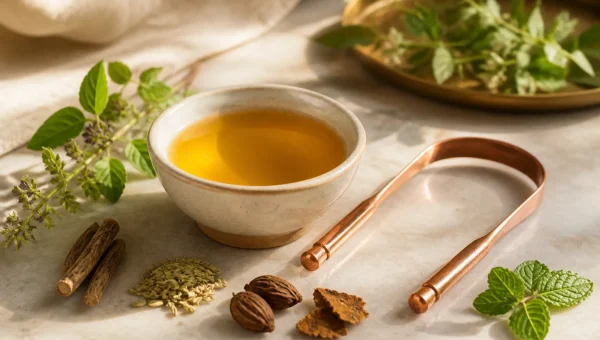
Recipe 1: Basic Shali Peya (First Oral Stage)
This is the foundation: a thin rice preparation for the point at which the team has allowed oral fluids or soft intake. Classical descriptions distinguish Peya from thicker gruels by using much more water; a commonly cited preparation ratio is about one part rice to fourteen parts water.
Ingredients:
- 50 grams white rice, washed thoroughly
- 700-800 mL water
- A small pinch of dry ginger powder (Shunthi), optional
- A small pinch of rock salt (Saindhava lavana), only if salt is not restricted
- 1/2-1 teaspoon ghee at serving, only if dietary fat is permitted
Method: Combine rice and water, bring to a boil, and simmer gently until the grains are completely soft and the liquid is starchy. Strain for a thinner preparation or blend for a smooth one. Add only the seasonings already approved for the patient. Serve warm rather than very hot. Begin with the amount advised by the ward, surgeon, or dietitian instead of following a fixed 150-200 mL schedule.
Therapeutic rationale: Its value is adjustable texture and simplicity, not treatment of a surgical complication. Dry ginger is included in a very small culinary amount and may be omitted if it worsens reflux, burning, nausea, or mouth irritation. Ghee is optional; it should not be presented as a proven prevention for opioid-induced constipation.
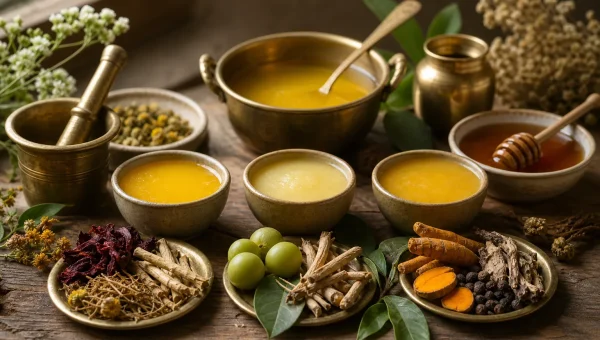
Recipe 2: Protein-Supporting Mudga Peya (After Thin Peya Is Tolerated)
For a more substantial preparation, use split green gram (Mudga) rather than black gram. Classical descriptions of graduated diet specifically include green-gram soup after the thinner rice stages. This makes Mudga a more defensible classical choice than calling Masha the first post-operative protein food.
Ingredients:
- 40 grams split yellow mung dal, washed and soaked if desired
- 30 grams white rice
- 700-800 mL water
- A pinch of dry ginger, optional
- A pinch of cumin powder, optional
- Rock salt to taste, if permitted
- 1 teaspoon ghee, if permitted
Method: Pressure-cook or simmer the rice and dal until both are completely soft. Blend to the texture approved for the patient and thin with boiled hot water as needed. Add salt and ghee only after checking fluid, sodium, and fat restrictions.
Therapeutic rationale: Mung dal contributes protein, while rice and pulses have complementary amino-acid patterns. The combination should not be described as a guaranteed “complete protein” treatment for wound healing, and one bowl may still fall short of post-operative energy and protein needs. A dietitian may recommend larger portions or a formulated oral nutrition supplement.
Recipe 3: Gentle Ksheera Peya (When Dairy Is Allowed)
This is a modern household milk-and-rice preparation, not a specific post-surgical tissue-regeneration recipe from Ashtanga Hridaya Uttara Tantra. It is deliberately simpler than the earlier turmeric-Ashwagandha-Shatavari version because concentrated herbal powders should not be started immediately after surgery without checking interactions, bleeding risk, liver or kidney issues, and the medicines being used.
Ingredients:
- 300 mL milk
- 300 mL water
- 2 tablespoons white rice
- 1/4 teaspoon cardamom powder, optional
- 4-6 saffron threads, optional
- 1 teaspoon sugar, only if suitable for the patient’s glucose plan
Method: Simmer the rice in the milk-water mixture until completely soft. Blend or strain to the required texture. Add cardamom and saffron only for flavour, not as medicinal doses. Serve warm and do not use when dairy is restricted.
Therapeutic rationale: Milk can add energy and protein when tolerated, but this peya is food, not a wound-healing drug. Use a dietitian-approved substitute when dairy is unsuitable.
Recipe 4: Constipation-Conscious Lauki Peya (As Needed)
Post-operative constipation is common, especially with opioid analgesics, reduced mobility, low intake, and unfamiliar routines, but food alone may not correct it. This recipe is a soft, fluid-rich meal that can accompany the bowel plan prescribed by the clinical team.
Ingredients:
- 50 grams white rice
- 100 grams peeled bottle gourd (Lauki), diced
- 800 mL water
- A pinch of cumin powder
- Rock salt to taste, if permitted
- 1 teaspoon ghee, optional
Method: Cook the rice and bottle gourd together until collapsing-soft. Blend until smooth and thin to the prescribed consistency. Serve warm. Stop and seek advice if there is increasing abdominal pain, vomiting, marked distension, inability to pass gas, or concern for ileus or obstruction.
Note: Castor oil has a genuine stimulant-laxative mechanism through its metabolite ricinoleic acid, but that does not make it an appropriate home remedy immediately after surgery. Do not add it to post-operative food unless the surgeon or prescribing clinician has explicitly approved it. Use the prescribed laxative plan instead. For traditional background on Eranda, see our guide to Eranda beyond its laxative uses.
Recipe 5: Shali-Mamsa Rasa Peya (For Orthopedic Recovery)
This version replaces the unsupported claim that vinegar-extracted bone broth accelerates bone healing. Sushruta’s wound and trauma discussions include gruel, rice, and meat soup in selected circumstances, but the recipe below is a modern kitchen adaptation rather than a classical formula for hip replacement, spinal fusion, or fracture repair.
Ingredients:
- 700 mL unsalted lean chicken stock
- 80-100 grams cooked skinless chicken, finely shredded
- 40 grams white rice
- A pinch of dry ginger or cumin, optional
- Rock salt to taste, if permitted
- 1 teaspoon ghee, optional
Method: Cook the rice in the stock until very soft. Add the cooked chicken and simmer until it can be blended to a smooth soup. Thin as needed. A vegetarian version can use a well-cooked Mudga broth, although the final protein content will differ.
Therapeutic rationale: The purpose is to make a more protein-containing meal once the patient is allowed that texture. It should not be advertised as a source of fixed amounts of collagen, calcium, magnesium, or phosphorus, because homemade broth composition varies greatly. Orthopedic recovery still depends on the operation, rehabilitation, prescribed medicines, overall energy and protein intake, and correction of any documented nutrient deficiency.
Recipe 6: Low-Appetite Laja Peya (For Neurological or Spinal Surgery)
This replaces the unsupported claim that a Brahmi preparation rebuilds nerves through nerve growth factor or myelin synthesis after surgery. No specific “Majja Dhatu Poshaka” recipe matching the earlier formula was verified in Sushruta Samhita Uttara Tantra. Laja Peya is simply a light gruel made from parched or puffed rice and can be useful when a patient wants a mild flavour and thin texture.
Ingredients:
- 2 cups plain puffed rice or parched rice (Laja)
- 700 mL water
- A very small pinch of dry ginger, optional
- Rock salt to taste, if permitted
- 1/2 teaspoon ghee, optional
Method: Simmer the puffed rice in water for 15-20 minutes, mash thoroughly, and strain if a clear, thin texture is required. Add only approved seasonings. For anyone with coughing while drinking, a wet voice, drowsiness, facial or throat weakness, or a known swallowing problem, do not guess the correct thickness: follow the speech-and-swallow team’s instructions.
Therapeutic rationale: This is a gentle food option, not a nerve-regeneration treatment. After neurological, head-and-neck, or spinal procedures, safe swallowing and adequate total nutrition matter more than adding Brahmi, Shatavari, saffron, or other powders. Herbal products can interact with medicines and should be restarted only after the treating team has reviewed them.
A Tolerance-Based Post-Surgical Diet Progression
| Recovery Stage | Suitable Preparation | What to Confirm First |
|---|---|---|
| Oral intake newly permitted | Basic Shali Peya or strained Laja Peya | Allowed fluid volume, swallowing safety, nausea and aspiration risk |
| Thin liquids tolerated | Blended rice gruel or Lauki Peya | No worsening vomiting, distension, pain or ileus concern |
| Full liquids or soft puree permitted | Mudga Peya or Ksheera Peya | Dairy tolerance, glucose plan, renal limits and protein target |
| Soft protein foods permitted | Thicker Mudga Peya or Shali-Mamsa Rasa Peya | Procedure-specific restrictions and dietitian advice |
| Normal textures returning | Progressively thicker gruels, khichari, soups and usual foods | Individual tolerance rather than a fixed post-operative day |
After abdominal, bowel, oesophageal, gastric, pancreatic, head-and-neck, or bariatric surgery, the progression must follow the operation-specific plan. Even a thin peya can be inappropriate when the patient is nil by mouth, has an unsafe swallow, is fluid-restricted, or has suspected ileus. If oral energy and protein intake is expected to remain very low, current surgical nutrition guidance supports early assessment for formal nutritional therapy rather than relying on homemade broth alone.
What My Father’s Recovery Looked Like the Second Time
My father had a knee scope procedure two years after his hip replacement. This time, I prepared simple rice gruel, then a soft rice-and-mung meal after he was comfortable eating. His constipation did not recur, and he described the food as easier to tolerate. That is an anecdote, not proof that Peya prevented constipation or accelerated healing; the operation, anaesthetic, opioid dose, mobility, hydration, and bowel plan were also different. The lesson I kept was simpler: recovery food should be deliberate, tolerable, and coordinated with the clinical plan. For broader Ayurvedic dietary context, see our guide to how Ayurveda nourishes each tissue sequentially.
These recipes are supportive food ideas, not medical treatment. All post-surgical dietary changes should be coordinated with the surgical team and, when available, a registered dietitian and qualified Ayurvedic physician. Do not use castor oil or concentrated herbal powders after surgery without explicit clinical clearance. Follow prescribed restrictions for swallowing, fluids, sodium, potassium, glucose, allergies, kidney disease, liver disease, and bowel surgery. Seek urgent medical advice for repeated vomiting, worsening abdominal distension or pain, inability to pass gas, choking, breathing difficulty, fever, wound discharge, confusion, or poor oral intake.
ESPEN surgical nutrition guideline | Sushruta Samhita wound and blood-loss diet passages | Charaka Samsarjana Krama food progression | FAO cereal-pulse protein guidance | Castor oil mechanism, PubMed | ASA supplement-and-surgery guidance | NHS laxative guidance | Post-operative constipation literature
References
- Constipation Risk in Patients Undergoing Abdominal Surgery (2015), PubMed Central
- Opioid-related side effects: Postoperative ileus, urinary retention, nausea and vomiting, and shivering. A review of the literature (2017), PubMed
- Espen (espen.org)
- Charaka Samhita — Upakalpaniya Adhyaya
- Wisdomlib — classical text
- Wisdomlib — classical text
- Fao (fao.org)
- Castor oil induces laxation and uterus contraction via ricinoleic acid activating prostaglandin EP3 receptors (2012), PubMed
- NHS
- Madeforthismoment (madeforthismoment.asahq.org)
- Asha (asha.org)
- MedlinePlus
- Guysandstthomas (guysandstthomas.nhs.uk)
Nothing in this article diagnoses or treats a medical condition. Use it as educational information and consult a qualified Ayurvedic practitioner or physician before starting herbs, supplements, detoxes, or therapeutic protocols, especially if pregnant, managing a condition, or taking medication.
for the Kanji recipe, can I substitute black carrot with regular carrot? black carrot is hard to find in Chennai.
is this protocol appropriate for someone on Metformin for Type 2 diabetes honestly
That is a really important question. The glucose impact of even a thin moong peya could potentially interact with Metformin dosing. I would check with your physician specifically about the timing relative to meals, since some of these broths are designed to be consumed very frequently in small amounts across the day.
i know two people who tried this approach and neither had the results described here.
The prep time for home formulations is significant. Most working people can’t commit to that.
tried this herb for 2 weeks with zero noticeable change. Might just not work for my constitution tbh
section 3 and section 5 seem to contradict each other on the timing. Which is correct?
the healing broth for surgical recovery mentions adding Shatavari. is this appropriate for male patients too or primarily for women?
the Tulsi-ginger broth for post-op recovery in the peya recipe article made it for my mother after her hip surgery and she found it genuinely comforting and easy on the stomach.
The section on drug interactions is too short. my cardiologist had concerns i had to research separately ngl
Completely agree — I ran into the same problem. My husband is on a beta blocker and I had to cross-check the sesame oil and certain spice quantities separately before we felt comfortable. Would be helpful if there was at least a general note flagging which ingredients are most likely to interact with cardiac medications.
For children in that age range after surgery I would assume smaller, more frequent servings rather than reducing the recipe directly. Maybe half portions every two hours instead of full portions three times a day? Worth asking a Vaidya since the post-op Agni situation in kids can be different from adults.
I remember my mom making rice water after my tonsillectomy, it felt soothing.
Same question about the ashwagandha peya — it says ‘ashwagandha powder’ but doesn’t mention whether to simmer it into the broth or stir it in at the end. The method changes the taste quite a bit, and for a post-op patient palatability really matters.
does the protocol differ for someone who has already done Shodhana (purification therapy) recently? ❤️
The post is organized by dosha which is more useful than most single-protocol articles.
is this safe for someone who has had kidney stones? The herb list mentions some diuretics tbh
@Divya The article mentions benefits for Vata-Pitta types but doesn’t address what to do when it doesn’t work.
The ginger-ajwain broth proportions also felt a bit strong on the first try — I halved the ajwain and it was much gentler on my father’s stomach in the first week after his procedure. Might be worth noting these are adjustable.
My mother-in-law just had knee surgery and I’m preparing the first peya for her this week. The mung dal broth sounds manageable even for someone with a very weak appetite right after the operation. Thank you for this.
The dashamoola broth recipe doesn’t specify whether to use the ready-made kwath or boil the raw roots. For a post-surgery patient who can’t wait long, knowing whether the premade version is acceptable would really help.
My husband had his gallbladder removed last month and I wish I had found this post sooner. The tridoshic broth in particular looks exactly like what he needed in those first few days when hospital food was just not working for him.
the section on drug interactions is too short. My cardiologist had concerns I had to research separately honestly
Is this protocol appropriate for someone on Metformin for Type 2 diabetes?
The article gives a range, is the lower end sufficient for mild presentations?
i have been asking my Vaidya about this exact approach for years and she disagrees with the sequence.
is there seasonal guidance for when to start this protocol for best results?
Good info.
what’s the difference between the formulation for acute versus chronic presentations?
the claims about cellular repair here need much better sourcing to be credible.
My doctor is skeptical about combining this with my current prescription. Who takes responsibility?
Do any of these recipes work if you’re on a low sodium diet after surgery?
The recipe in the fourth section is something I can actually prepare at home with pantry ingredients.
Expected more from the genomics section. It’s superficial compared to what the title promises r u?
I don’t see how this is different from generic Ayurveda advice you can find anywhere.
The preparation method you described, can it be adapted for someone who can’t tolerate ghee? 🙌
what would be the first signs that someone’s constitution is shifting after following this protocol?
Same here.
moong peya sounds gentle. can it be made thinner for the first day when appetite is almost zero?
Yes, definitely — the article actually touches on this. For the very first day you can cook it with even more water and almost strain out the solids, so it is more like a light liquid than a broth. The warming effect from the spices still carries through even when it is very thin.
My mother recovered from a knee replacement last year and we had no idea what to feed her. The hospital said soft foods and that was the extent of it. Wish I had found this post then. The concept of depleted Agni after anaesthesia makes so much sense looking back — she had almost no appetite for two weeks and we kept pushing regular food on her. धन्यवाद
i would avoid making ginger too strong after surgery. nausea is already bad for many people.
this protocol would be easier to follow with actual product recommendations, not just herb names honestly
tried this herb for 4 months with zero noticeable change. Might just not work for my constitution.
Anyone combined this with intermittent fasting? Any interactions to be aware of?
I wonder how much of the constipation relief comes from the extra fluid versus the ginger.
The section on Healing dosage, is that daily or divided into two doses?
the dosage range is too wide to be useful. From 750mg to another amount with no explanation of how to choose.
the prep time for home formulations is significant. Most working people can’t commit to that tbh
How does the Doshic imbalance from this condition typically present in blood work?
The article is useful as a starting point but needs more referencing before I’d act on it.
The mung dal peya recipe caught my attention immediately. I made it for my husband after his appendix surgery and he actually finished the whole bowl on day two, which was the first time he wanted to eat anything. The fennel and rock salt combination is surprisingly comforting.
The section on why Agni gets suppressed during surgery was genuinely new information for me. I always assumed recovery diet was just about being gentle on the stomach, not that the digestive fire itself shuts down. It reframes everything about what to offer someone in those first days.
Really appreciate that the recipes are arranged by day post-surgery rather than just listed randomly. That structure helped me figure out where to start for my father who came home after a bypass. The rice water peya on days one and two felt almost too simple but he said it was the only thing that didn’t feel heavy.
nice list, but please add which recipes are ok after abdominal surgery. family members get very confused.
The ratio of one part rice to fourteen parts water seems like a good starting point for a very thin gruel.
the 250mg dosage here is quite different from what my Ayurvedic doctor prescribed. Contradictory honestly
bought a well-known brand of this herb and noticed no effect. Quality standardization is inconsistent.
the seasonal adjustment angle here is something most websites skip entirely. Good detail. 🌿
the diet restrictions here are extensive. Most people can’t maintain this alongside a work schedule.
Quick question, is the 750mg dose you mentioned for the extract form or the raw powder?
the this herb you recommend, is it available at standard Ayurveda stores or is it specialty sourced tbh नमस्ते
The Pitta-aggravating foods list in this article finally explains why my symptoms peaked in summer ngl
Will look into this.
I tried the Lauki Peya last week when I had a mild stomach bug and it was easy on my throat.
Quick question on the ashwagandha broth — the recipe calls for ashwagandha powder but doesn’t say whether it should be sifted before adding. Last time I made a similar preparation it left a gritty texture at the bottom. Is simmering longer the fix or should the powder go in at the very end? tbh ❤️
reading this in 2027, is the dietary protocol still the same or has it been updated tbh
@Steve the this herb + ghee combination approach you described aligns with what my practitioner suggested honestly
can the Trikatu bar recipe be adapted for someone with acid reflux? the ginger and black pepper combination worries me.
That’s a fair concern with acid reflux. From what I know, the post-op peyas here use much smaller quantities of those spices than typical Trikatu doses, and they’re diluted in the broth liquid, which should reduce the irritation. Still worth checking with your doctor before the surgery if possible so you have a plan ready for those first days.
@Vikram same here.
Not everyone responds the same way to this herb. The article could use more nuance on individual variation.
saying ‘research supports’ without linking a single study doesn’t help readers verify anything.
Can children below 8 use a milder version of this or should they avoid it entirely? ❤️
Good one.
Been looking for exactly this kind of resource ever since my sister had her gallbladder removed and the discharge nurse just said avoid fried food for a week. Nothing about Agni, nothing about tissue-building nutrition. The trikatu broth on day four sounds like a careful way to start rekindling digestion without shocking the system.
How does the dosage vary between male and female patients for this specific condition ngl
the homemade preparation method here is simpler than I expected. Made my first batch yesterday tbh
@Greg does this protocol require a complete break from coffee and black tea tbh
The prepartion method described requires equipment most people don’t have. Not practical r u?
The specific mention of Mangala and this herb avoiding combination was new information for me.
the section on drug interactions is too short. My cardiologist had concerns I had to research separately.
rice water with little cumin was what my grandmother gave after fever. same logic seems to fit recovery food.
After reading this I am thinking about how post-surgical nutrition is so underaddressed in general. My uncle came home after abdominal surgery last year and was eating roti within two days because nobody told him otherwise. The idea of a structured peya progression for the first week would have been so valuable for him.
The timing breakdown in this post is what sets it apart from other recovery diet articles. Most just say eat light, but specifying which peya works on day one versus day five actually gives you something practical to follow. Made the thin rice peya for my aunt after her cataract surgery and she said it felt like being looked after properly. tbh
what’s the shelf life of the home-prepared version if stored in a cool dry place?
would appreciate a clearer explanation of why the Kapha constitution adjustment is so different.
This filled a gap I did not even know I had. The idea that depleted Agni after surgery requires its own nutritional logic — not just soft foods, but specifically these thin, warming broths — is something I will be sharing with my sister who has a spinal procedure coming up.
the article reads like an ad for Ayurveda generally, not a balanced assessment of this specific condition.
used this as a reference for my mother’s post-surgical recovery. The Peya approach helped tbh
The explanation of Vipaka (post-digestive effect) here is the clearest I’ve seen on any website r u?
Can this be taken during a juice fast or does it need solid food to absorb properly?
What struck me reading this is how the author frames Agni depletion after anaesthesia — it explains why so many people feel worse after eating normally too soon post-surgery. I always assumed the tiredness was just from the procedure itself, not from the body struggling to digest regular food on a compromised digestive fire.
Switched to taking this herb with honey based on this article, digestion noticeably smoother.
six weeks on this, no improvement. Might be a diet issue but the article doesn’t address that.
Does this protocol require a complete break from coffee and black tea?
Spoke to two Vaidyas and neither confirmed this exact protocol. Where does it come from?
can this protocol be followed alongside standard medication for hypothyroidism?
does the protocol change during the summer Pitta season versus the winter Vata season tbh
can broth alone give enough protein? healing needs more than light digestion, especially after bigger operations.
Noted.
Glad to hear it. Did you end up trying the recipe as written or did you adjust anything? Curious whether the consistency worked for early days or if you had to thin it out.
my liver function slightly elevated after starting this protocal. Stopped and normalized. Worth warning.
The section on diet modifications, is that specific to this condition or general Ayurvedic eating?
Tried the shatavari milk broth from recipe four last night for my sister who had a hysterectomy ten days ago. She said it was the first thing that felt genuinely nourishing rather than just filling. The cardamom and saffron made it feel less like medicine and more like something someone actually made for her.
the seasonal adjustment angle here is something most websites skip entirely. Good detail tbh
Will try.
Same concern here honestly. I tried asking a pharmacist and got a very vague answer. It would help to have even a short section on which specific herbs in these broths are most likely to raise flags for people on anticoagulants or blood pressure medication before going into surgery.
The lifestyle recommendations here are quite specific. Which elements are most critical?
the third section mentions a specific oil preparation. Is this available commercially or only homemade honestly
good to see the contraindication list included. Knew about 3 of them but not the this herb one honestly
tried this herb for 6 months with zero noticeable change. Might just not work for my constitution.
how long should someone stay on the maintenance dose before considering a full stop? 🙌
These preparations aren’t regulated. How do we know the label matches what’s inside?
the Ayurvedic classification of this condition, is it consistent across Charaka and Sushruta texts?
The this herb you recommend, is it available at standard Ayurveda stores or is it specialty sourced?
Can this protocol run concurrently with a Panchakarma session or should there be a gap?
The 500mg dosage here is quite different from what my Ayurvedic doctor prescribed. Contradictory.
How does the dosage vary between male and female patients for this specific condition?
the traditional vs modern standardization point you made is something practitioners argue about a lot.
can children below 8 use a milder version of this or should they avoid it entirely tbh 🙌
The homemade preparation method here is simpler than I expected. Made my first batch yesterday.
Quick question, is the 250mg dose you mentioned for the extract form or the raw powder?
the Tulsi-ginger broth for post-op recovery in the peya recipe article made it for my mother after her hip surgery and she found it genuinely comforting and easy on the stomach. 💯
the peya idea is good because it feels like food without forcing digestion. hospital meals are usually too heavy.
i like this but salt advice should be clearer for BP patients. post surgery families add salt randomly.
is there specific guidance for the post-menopause phase of life with this protocol? ❤️
my doctor is skeptical about combining this with my current prescription. Who takes responsibility r u?
Realistically, most people can’t source high-quality this herb at affordable prices. Article ignores this.
The language of ‘balancing doshas’ is hard to evaluate without measurable outcomes.
Curious whether the recipes scale down easily for someone who has no appetite at all post-surgery. My father could only manage a few spoonfuls at a time after his procedure. Would halving the batch and just reheating portions work, or does the peya lose something once it sits?
my Vaidya in Chennai suggested a slightly different sequence. Regional variation in practice?
The specific mention of seasonal Ritucharya adjustments here adds a layer of depth I appreciate.
simple recipes are best here. nobody recovering from surgery wants 14 spices and long cooking steps.
The anupana (carrier) detail you included here is what most online resources miss completely.
The this herb + ghee combination approach you described aligns with what my practitioner suggested.
@Lakshmi Late to this discussion but wanted to ask, does the herb quality brand matter as much as you suggest?
The explanation of how anaesthesia specifically suppresses Agni is the most useful context I have read on this subject. I always thought post-surgical digestive trouble was just from the medications. Understanding it as a deeper disruption of digestive fire changes how seriously I take the gentle refeeding approach in these recipes.
can the Trikatu bar recipe be adapted for someone with acid reflux? the ginger and black pepoer combination worries me.
my practitioner suggested this herb but didn’t specify the form. What would you recommend based on this tbh
How do you store the medicated oil after preparation? Refrigerated or at room temperature?
several claims here contradict what I’ve read from AYUSH-published guidelines tbh
is there a specific time of day that works best for this herb for sleep versus energy benefits tbh
how does the dosage vary between male and female patients for this specific condition honestly
does the post-surgical recovery timeframe mentioned here apply to laparoscopic procedures too honestly 🌿
Does this protocol need to be paused during menstruation or can it continue?
would be useful to say when to move from peya to khichdi. that transition is where people overdo it.
Where is the evidence that the specific sequence matters versus using the herbs individually?
good to see the contraindication list included. Knew about 3 of them but not the this herb one.
The side effects section is too brief. I had insomnia on this herb that isn’t mentioned here.
Is there a maintenance dose after the initial 6 weeks course finishes?
can someone with Pitta-dominant constitution take the full dose or should it be halved?
The theory is interesting but the practical protocol is too vague to actually implement.
how does this compare to the Charaka Samhita recommendations for the same condition honestly
anyone combined this with intermittent fasting? Any interactions to be aware of honestly
The practical preparation note about ghee quality saved me from using a substandard brand.
Can this be taken during a juice fast or does it need solid food to absorb properly r u?
Makes sense.
Following this for 6 weeks now. My Agni feels stronger, confirmed by my Vaidya at last visit.
Some of these herb interactions aren’t well studied. Feels like we’re being used as test subjects r u?
can someone combine this protocol with a standard multivitamin without interaction tbh
what would be the signs that this protocol isn’t suitable for a particular individual honestly
anyone here tried this for a family member with Parkinson’s? Any specific considerations?
Would these peya recipes work for someone recovering from abdominal surgery specifically, where even gentle pressure from eating causes discomfort? Wondering if the warmth and the liquid consistency are enough to make them manageable in that situation. ✨
What’s the minimum duration before someone can realistically evaluate whether the protocol is working?
does the post-surgical recovery timeframe mentioned here apply to laparoscopic procedures too? 💯
Been following the Healing Broths for Surgical Recovery approach for 2 weeks and genuinely notice the difference.
My grandmother swore by thin rice kanji after any illness but no one in our family ever knew the reasoning behind it. Reading the section on post-surgical Agni here finally explained what she was doing intuitively. Planning to make the mung-ginger peya for my brother when he comes home from his procedure next week. 💯
how many Panchakarma sessions would complement this oral protocol typically?
i have been asking my Vaidya about this exact approach for years and she disagrees with the sequence tbh
the article mentions combining with ghee. Can I use any quality brand or is there a specific one honestly
my aunt could only take thin dal water after gallbladder surgery. this kind of gentle food makes sense.
Eight weeks in, no change. The article should mention that individual variation is significant.
i don’t see how this is different from generic Ayurveda advice you can find anywhere tbh
the dosage range is too wide to be useful. From 250mg to another amount with no explanation of how to choose tbh
the section on circadian timing, is that strictly necessary or is approximate timing sufficient?
the specific preparation method for this herb described here is different from general churna usage, helpful tbh
following the 6 weeks course you described, finished last week and planning to continue maintenance.
not every post op patient should take herbs right away. surgeon instructions should come first, esp with blood thinners.
is this suitable for someone who is vegetarian and avoids dairy entirely?
The article mentions benefits for Vata-Kapha types but doesn’t address what to do when it doesn’t work.
Never thought about the fact that hospitals give you the same meal tray whether you had a minor procedure or major surgery. The point about Agni being in a completely different state after surgical trauma makes it obvious that a standard diet plan cannot apply. These recipes feel like the missing piece from every post-op discharge sheet I have ever seen.
followed the protocol as described and had digestive upset for the first three weeks.
the section on recognizing overdose signs was useful, most articles don’t include safety warnings. ❤️
saying ‘research supports’ without linking a single study doesn’t help readers verify anything tbh 🌿
The protocol is well-documented but the expected timeline is unrealistic for a chronic condition.
The herb quality problem in India is real. You can’t assume readers have access to authentic preparations.
Does the shatavari broth work for men recovering from surgery as well, or is it specifically suited for women? The description focuses on tissue-building which seems applicable either way but I wanted to check before making it for my father.