
Ayurvedic One-Pot Dal Recipes for Every Dosha: 15 Balancing Lentil Preparations
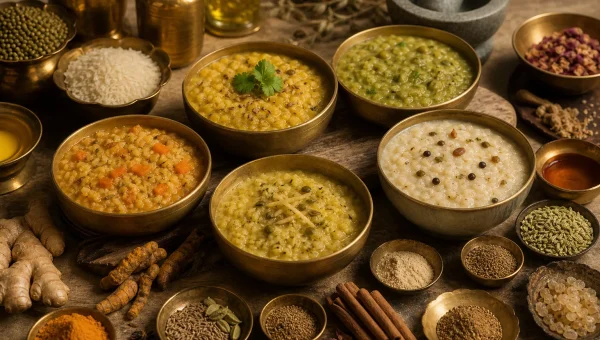
In my grandmother’s kitchen, dal was never just “dal.” It was comfort, nourishment, and practical wisdom simmered in a single pot. She knew that yellow moong made a light recovery meal, urad made a heavier winter dal for strength, and kulthi was not the same as masoor or chana. She may not have spoken in tables, but she understood the Ayurvedic idea that the lentil, the amount of water, the fat, the spice, the season, and the eater’s digestion all decide whether a dal truly supports balance.
In Ayurveda, pulse soups are part of the broad family of yusha preparations. A dal is not judged only by protein or calories; it is also understood through rasa taste, guna qualities, virya potency, vipaka post-digestive effect, and its action on vata, pitta, and kapha. The same moong dal can become more grounding for vata with ghee and hing, softer for pitta with coconut and coriander, or lighter for kapha with ginger and black pepper.
Understanding Lentils Through the Ayurvedic Lens
The table below gives a practical cooking view of common dals. It is not a prescription; it is a kitchen map. Use it together with your appetite, stool pattern, climate, age, strength, and the guidance of a qualified practitioner when using food therapeutically.
| Lentil Type | Ayurvedic Name | Classical Profile | Best Kitchen Use | Use Caution When |
|---|---|---|---|---|
| Yellow Moong Dal, split | Mudga | Sweet-astringent, light, dry, cooling, sweet post-digestive effect; kapha-pitta reducing and strength-supporting | Gentle everyday dal, recovery meals, pitta-friendly soups, and vata meals when prepared with ghee and digestive spices | Very dry vata states if cooked thin without fat or digestive seasoning |
| Green Moong, whole | Mudga | The same pulse family as moong, but the whole form is more fibrous and needs more cooking | Kapha and pitta meals, sprout soups, and light lunches when well soaked and cooked | Weak digestion, bloating, or undercooked sprouts |
| Masoor Dal, red lentil | Masura | Sweet-astringent, light, dry, cooling, sweet post-digestive effect; kapha-pitta reducing and vata-provoking when used dry or often | Quick pitta and kapha dal, or a vata meal only when softened with ghee, ginger, hing, and adequate water | Dry constipation, gas, or marked vata aggravation |
| Toor / Arhar Dal | Adhaki / Tuvari | Sweet-astringent, light, dry, cooling, pungent post-digestive effect; kapha-reducing and potentially vata- or pitta-increasing in excess | Kapha-leaning meals, rasam-style broths, and moderate everyday cooking when balanced with ghee or vegetables | Dry vata, acidity, burning, or very hot weather if cooked with chilli, tamarind, and garlic |
| Chana Dal | Chanaka | Dry, light, cooling, and vata-provoking; kapha-reducing when well cooked and spiced | Kapha meals, drier preparations, and sturdy lunches for people with strong digestion | Gas, constipation, weak agni, or vata sensitivity |
| Urad Dal / Black Gram | Masha | Heavy, unctuous, warming, sweet, strengthening, and building; strongly vata-grounding when digested well | Vata meals, winter meals, strength-building preparations, and small portions with ghee and spices | Kapha heaviness, ama, sluggish digestion, congestion, or excess weight gain tendencies |
| Kulthi / Horse Gram | Kulattha | Astringent, light, mobile, hot, pungent post-digestive effect; kapha-vata reducing and penetrating | Cold, damp, kapha-heavy meals and occasional strong digestive preparations | Pitta heat, acidity, burning, ulcers, pregnancy, or attempts to self-treat urinary stones without supervision |
5 Vata-Grounding Dal Recipes
Vata is dry, light, mobile, and cold, so vata-friendly dal should be warm, soft, moist, lightly oily, and easy to digest. The main principles are generous water, enough ghee, good cooking, and digestive spices such as hing, ginger, cumin, and ajwain.
1. Classic Vata-Pacifying Moong Dal
This is the simplest grounding dal for a sensitive stomach. Moong is naturally light and dry, so the vata-balancing part comes from cooking it soft and finishing it with ghee, hing, cumin, and ginger.
- Yellow moong dal: 1 cup, washed
- Water: 3.5 to 4 cups
- Turmeric: 1/4 teaspoon
- Ghee: 2 tablespoons
- Cumin seeds: 1 teaspoon
- Hing: a generous pinch
- Fresh ginger: 1 teaspoon, grated
- Rock salt or mineral salt: to taste
- Fresh coriander: for garnish
Cook the dal with turmeric until it is soft and slightly creamy. In a small pan, warm the ghee, add cumin and hing, then add ginger for a few seconds without burning it. Pour the tadka into the dal, add salt, simmer for two minutes, and garnish with coriander. For vata, serve warm and slightly soupy, not dry.
2. Urad Dal with Garlic and Fenugreek
Urad is the most building dal in this list. It is best for vata when the eater has enough digestive strength, the dal is soaked, and the final dish is made warm, creamy, and well-spiced.
- Split white urad dal: 1 cup, soaked 2 to 4 hours
- Water: 3.5 cups
- Ghee: 2 tablespoons
- Garlic: 3 to 4 cloves, sliced
- Fenugreek seeds: 1/4 teaspoon
- Cumin seeds: 1 teaspoon
- Fresh ginger: 1 teaspoon, grated
- Turmeric: 1/4 teaspoon
- Black pepper: 1/4 teaspoon
- Rock salt or mineral salt: to taste
Cook the soaked urad dal with turmeric until very soft. Warm ghee, add fenugreek first, then cumin, garlic, ginger, and pepper. Add the tadka to the dal and simmer until creamy. Keep the portion moderate; urad is nourishing, but it becomes heavy when taken in excess or with weak digestion.
3. Quick Masoor Dal with Ghee and Ginger
Masoor is light, dry, and cooling, so it is not naturally the most vata-grounding lentil. This version makes it more suitable for vata by using ghee, ginger, hing, a soft texture, and a little sourness from tomato.
- Red masoor dal: 1 cup
- Water: 3.5 cups
- Tomato: 1 medium, chopped
- Fresh ginger: 1 inch, grated
- Ghee: 2 tablespoons
- Cumin seeds: 1 teaspoon
- Hing: a pinch
- Turmeric: 1/4 teaspoon
- Coriander powder: 1 teaspoon
- Rock salt or mineral salt: to taste
Cook masoor with water, turmeric, and tomato until soft. Temper ghee with cumin, hing, ginger, and coriander powder, then add it to the dal. Simmer until the texture is smooth. This is a useful quick dal, but people with strong vata dryness, gas, or constipation usually do better with moong or well-spiced urad.
4. Sweet Moong Dal Payasam
This is an occasional nourishing dessert-style dal, especially when vata feels depleted and restless. It is warm, sweet, soft, and unctuous, but it is not suitable when kapha, ama, or sluggish digestion is present.
- Yellow moong dal: 1/2 cup, dry roasted lightly until fragrant
- Water: 1.5 cups
- Milk: 2 cups
- Jaggery: 2 to 3 tablespoons, adjusted to taste
- Ghee: 2 tablespoons
- Cardamom: 3 pods, crushed
- Cashews: 8 to 10, halved
- Raisins: 1 tablespoon
Cook the roasted moong in water until soft. Add milk and simmer gently. Add jaggery only after the dal is cooked, then add cardamom. Fry cashews and raisins in ghee and stir them in. Serve warm in a small bowl, preferably as part of an early evening meal rather than late at night.
5. Moong-Urad Mixed Dal with Ajwain
This recipe combines the lightness of moong with the building quality of urad. Ajwain, hing, and ginger make the mixture more digestible and are especially helpful when urad tends to feel heavy.
- Yellow moong dal: 1/2 cup
- Split urad dal: 1/2 cup, soaked 1 to 2 hours
- Water: 3.5 to 4 cups
- Ghee: 2 tablespoons
- Ajwain: 1/2 teaspoon
- Cumin seeds: 1/2 teaspoon
- Hing: a pinch
- Fresh ginger: 1 teaspoon, grated
- Curry leaves: 8 to 10
- Rock salt or mineral salt: to taste
Cook both dals together until soft and creamy. Warm ghee, add ajwain, cumin, hing, ginger, and curry leaves, then pour into the dal. Simmer briefly and serve warm. This dal is best at lunch or an early dinner, not as a very late meal.
5 Pitta-Soothing Dal Recipes
Pitta is hot, sharp, and oily, so pitta-friendly dal should be mild, not overly sour, not chilli-heavy, and not cooked with excessive garlic or mustard oil. Moong and masoor are especially useful here because classical descriptions place both among kapha-pitta reducing pulses.
6. Moong Dal with Coconut and Coriander
This is a gentle pitta dal built around moong, coconut, coriander, and a mild tadka. It avoids chilli, garlic, and excessive pungency while still remaining flavorful.
- Yellow moong dal: 1 cup
- Water: 3 cups
- Fresh grated coconut: 3 tablespoons
- Fresh coriander: 1/4 cup, chopped
- Ghee or coconut oil: 1 tablespoon
- Cumin seeds: 1/2 teaspoon
- Fennel seeds: 1/2 teaspoon
- Curry leaves: 6 to 8
- Turmeric: 1/4 teaspoon
- Rock salt or mineral salt: to taste
Cook the moong with turmeric until soft. Warm ghee or coconut oil, add cumin, fennel, and curry leaves, then pour into the dal. Stir in coconut and coriander at the end and simmer briefly. Keep the texture medium-thin and serve at lunch.
7. Green Moong Soup with Mint
Whole green moong is more fibrous than split moong, so soaking and complete cooking are important. Mint and coriander make this a fresh, light lunch soup for warm days.
- Whole green moong: 1 cup, soaked 4 to 6 hours
- Water: 4 cups
- Fresh mint: 2 tablespoons, chopped
- Fresh coriander: 2 tablespoons, chopped
- Ghee: 1 tablespoon
- Cumin seeds: 1/2 teaspoon
- Coriander powder: 1 teaspoon
- Lime juice: 1 teaspoon, added after cooking
- Rock salt or mineral salt: to taste
Cook soaked moong until tender. Blend partially, leaving a little texture. Add a mild ghee tempering of cumin and coriander powder. Stir in mint, coriander, and lime juice only after turning off the heat. Avoid making it very sour.
8. Moong Dal with Bottle Gourd and Kokum
This recipe replaces the sharpness of tamarind-heavy dal with a gentler sour note from kokum and the softness of bottle gourd. It is best when pitta needs a simple, mild, vegetable-rich dal.
- Yellow moong dal: 3/4 cup
- Bottle gourd: 1.5 cups, peeled and cubed
- Kokum: 1 to 2 pieces, rinsed
- Water: 3.5 cups
- Ghee or coconut oil: 1 tablespoon
- Cumin seeds: 1/2 teaspoon
- Fennel seeds: 1/2 teaspoon
- Curry leaves: 6 to 8
- Turmeric: 1/4 teaspoon
- Jaggery: 1/2 teaspoon, optional
- Rock salt or mineral salt: to taste
Cook moong, bottle gourd, turmeric, and kokum until soft. Temper ghee or coconut oil with cumin, fennel, and curry leaves. Add the tadka, salt, and a tiny amount of jaggery if the sourness needs rounding. Remove the kokum pieces before serving if they are too strong.
9. Masoor Dal with Bottle Gourd
Masoor is light and kapha-pitta reducing, but it is also dry. Bottle gourd, a soft texture, and modest ghee keep this preparation gentler for pitta and less drying than a plain masoor dal.
- Red masoor dal: 3/4 cup
- Bottle gourd: 1 cup, cubed
- Water: 3 cups
- Ghee: 1 tablespoon
- Cumin seeds: 1/2 teaspoon
- Coriander powder: 1 teaspoon
- Fennel powder: 1/2 teaspoon
- Turmeric: 1/4 teaspoon
- Rock salt or mineral salt: to taste
Cook masoor, bottle gourd, and turmeric together until soft. Temper ghee with cumin, coriander powder, and fennel powder, then add it to the dal. Keep the dish mild and avoid chilli. This works best as a lunch dal with rice or soft chapati.
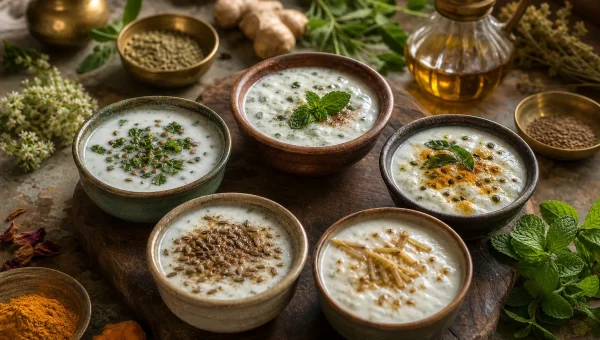
10. Room-Temperature Moong-Takra Soup
This is a thin, takra-style moong soup for hot weather. It should be served at room temperature or gently warm, not ice-cold, and the buttermilk should be added only after the dal has cooled down from boiling.
- Yellow moong dal: 1/2 cup, cooked very soft and blended
- Thin buttermilk: 1 cup
- Water: as needed for a drinkable consistency
- Roasted cumin powder: 1/2 teaspoon
- Fresh coriander: 2 tablespoons, chopped
- Fresh mint: 1 tablespoon, chopped
- Rock salt or mineral salt: to taste
- Raw sugar or jaggery: a small pinch, optional
Blend cooked moong with water until smooth. Let it cool to warm or room temperature, then whisk in buttermilk, roasted cumin, herbs, salt, and a tiny pinch of sweetener if desired. Drink it fresh; do not boil the buttermilk vigorously after adding it.
5 Kapha-Lightening Dal Recipes
Kapha is heavy, cold, slow, and moist, so kapha-friendly dal should be lighter, warmer, more stimulating, and less oily. Use smaller portions, more spices, less ghee, and drier or broth-like textures rather than creamy heavy dals.
11. Horse Gram Kulthi Dal with Pepper
Kulthi is hot, astringent, penetrating, and kapha-vata reducing. It is powerful food, so it should be used occasionally and avoided when pitta heat, burning, pregnancy, or fragile digestion is present.
- Kulthi / horse gram: 1 cup, soaked overnight
- Water: 4 cups
- Sesame oil: 1 tablespoon
- Mustard seeds: 1/2 teaspoon
- Black pepper: 1/2 teaspoon, freshly cracked
- Dry red chilli: 1 to 2, optional
- Garlic: 3 cloves, crushed
- Fresh ginger: 1 teaspoon, grated
- Curry leaves: 8 to 10
- Turmeric: 1/4 teaspoon
- Rock salt or mineral salt: to taste
Pressure cook soaked horse gram with turmeric until tender. Temper sesame oil with mustard seeds, pepper, chilli if using, garlic, ginger, and curry leaves. Add the tadka to the cooked dal and simmer. Keep the serving modest and avoid combining it with heavy dairy or large amounts of rice.
12. Chana Dal with Spinach and Cumin
Chana dal is dry and kapha-reducing but can increase vata and gas. Soaking, cooking until tender, and using hing, ginger, and cumin make it more suitable for a kapha lunch.
- Chana dal: 1 cup, soaked 3 to 4 hours
- Spinach: 2 cups, chopped
- Mustard oil or sesame oil: 1 tablespoon
- Cumin seeds: 1 teaspoon
- Hing: a pinch
- Fresh ginger: 1 inch, grated
- Green chilli: 1, optional
- Turmeric: 1/4 teaspoon
- Amchur: 1/2 teaspoon
- Rock salt or mineral salt: to taste
Cook soaked chana dal with turmeric until tender but not mushy. Add spinach for the last few minutes of cooking. Temper oil with cumin, hing, ginger, and chilli if using. Add the tadka and finish with amchur. Serve with roti, millet roti, or a small portion of rice.
13. Moong Sprout Soup with Black Pepper
Sprouted moong is lighter than a creamy dal, but sprouts should still be cooked for good digestibility. This soup is warm, peppery, and suitable when kapha feels sluggish.
- Sprouted green moong: 2 cups
- Water: 3 cups
- Ghee or sesame oil: 1 teaspoon
- Black pepper: 1/2 teaspoon, freshly cracked
- Turmeric: 1/4 teaspoon
- Fresh ginger: 1 inch, grated
- Lemon juice: 1 teaspoon, added after cooking
- Rock salt or mineral salt: to taste
Cook the sprouts until soft, then partially blend. Warm a small amount of ghee or sesame oil with pepper, ginger, and turmeric, then add it to the soup. Finish with lemon juice after cooking. Do not serve this raw when digestion is weak.
14. Dry Moong Dal, Sukhi Dal Style
A dry moong preparation is better for kapha than a heavy, creamy, oily dal. The grains should be soft but separate, with minimal oil and a bright spice finish.
- Yellow moong dal: 1 cup, soaked 30 minutes
- Sesame oil: 1 tablespoon
- Mustard seeds: 1/2 teaspoon
- Cumin seeds: 1/2 teaspoon
- Green chilli: 1, slit, optional
- Curry leaves: 8 to 10
- Turmeric: 1/4 teaspoon
- Water: just enough to cook the dal
- Rock salt or mineral salt: to taste
- Lemon juice: 1 teaspoon, optional
Cook soaked moong with turmeric and just enough water so the grains become soft without turning soupy. Temper oil with mustard seeds, cumin, chilli if using, and curry leaves. Fold the tadka into the dal, add salt, and finish with lemon juice if desired. Serve with roti rather than a large rice portion.
15. Peppery Toor Dal Rasam
Toor dal can be useful in kapha-style cooking when used in a small amount as a thin broth. This rasam is light, hot, and aromatic rather than thick and heavy.
- Toor dal: 1/4 cup, cooked and mashed
- Tomato: 1, chopped
- Tamarind water: 1 teaspoon, or use less if pitta is sensitive
- Rasam powder: 1 tablespoon, preferably pepper-forward
- Mustard seeds: 1/2 teaspoon
- Curry leaves: 8 to 10
- Ghee: 1/2 teaspoon
- Garlic: 2 cloves, crushed, optional
- Water: 3 cups
- Rock salt or mineral salt: to taste
Simmer the cooked toor dal with water, tomato, tamarind, rasam powder, and salt until aromatic. Temper a very small amount of ghee with mustard seeds, garlic if using, and curry leaves, then add it to the rasam. Drink as a soup or take with a small portion of rice.
The Tadka Principle: Why Tempering Matters
The tadka is the steering wheel of dal. The same lentil changes direction when cooked with different fats and spices. Ghee gives warmth, softness, and unctuousness for vata; mild ghee or coconut oil with coriander, fennel, and herbs keeps pitta dal gentle; minimal oil with mustard, pepper, ginger, hing, and ajwain makes kapha dal lighter and sharper.
- Vata tadka: generous ghee, cumin, hing, ginger, ajwain, and a soft soupy texture
- Pitta tadka: moderate ghee or coconut oil, cumin, fennel, coriander, curry leaves, coconut, and little or no chilli
- Kapha tadka: minimal oil, mustard seeds, black pepper, ginger, garlic, hing, ajwain, and a thinner or drier texture
Do not burn the spices. A burnt tadka adds sharpness and bitterness without improving digestion. Warm the fat, bloom the seeds until aromatic, add powders briefly, and pour the tadka into the cooked dal while it is still warm.
General Dal Cooking Tips
Good dal begins before the pot reaches the flame. Washing, soaking, cooking time, texture, and portion size matter as much as the lentil variety.
- Wash dal thoroughly. Rinse until the water runs mostly clear, especially for split dals.
- Soak heavier dals. Urad, chana, whole moong, and kulthi benefit from soaking because it shortens cooking time and makes the final texture softer.
- Cook until fully soft. Undercooked dal is more likely to feel rough, gassy, or heavy.
- Use turmeric modestly. Turmeric is pungent, bitter, dry, and warming, so a small cooking amount is enough for most dals.
- Adjust fat by dosha. Vata needs more ghee; pitta needs moderate, mild fat; kapha needs only a small amount for tadka.
- Adjust water by dosha. Vata usually benefits from soupy dal, pitta from medium-thin dal, and kapha from thin broths or drier preparations.
- Cook fresh when possible. Classical food preparations are generally best taken fresh; if dal is stored, keep it safely refrigerated and reheat it thoroughly with a little water.
- Do not use dal as a stand-alone cure. Food can support balance, but fever, kidney stones, ulcers, severe digestive disease, pregnancy concerns, and chronic illness require qualified care.
Medical Disclaimer: This article provides educational dietary guidance based on Ayurvedic principles. It does not diagnose, treat, or cure any medical condition. Individual needs vary with constitution, digestion, age, season, pregnancy, medications, kidney function, metabolic disease, and other health factors. Consult a qualified Ayurvedic practitioner, physician, or registered nutrition professional before using food therapeutically, changing a medical diet, or relying on any dal preparation for a health condition.
does this protocol change during monsoon season? I’ve heard Ayurvedic timing is seasonal
Yes, seasonal adjustment is definitely a factor. From what I’ve read, dal preparations during monsoon tend to favor lighter lentils like moong and less heavy tempering, since digestive fire is considered weakened in that season — would be curious if the article’s recipes already account for that or if they’re written for a general baseline.
does this protocol change during monsoon season? ive heard Ayurvedic timing is seasonal
yes actually! from what I understand, monsoon (varsha ritu) is when Vata aggravates, so heavier dals like moong with more warming spices are typically recommended then. the article’s Vata-pacifying recipes would probably be the go-to during that season specifically
yes but results vary a lot from person to person
is there a simplified version for beginners who dont have access to all these herbs
honestly for beginners I’d just start with basic moong dal and focus on the tempering — cumin, turmeric, a little ghee. those three alone cover a lot of ground without needing a fully stocked spice cabinet. you can build from there as you get more comfortable
true, which is exactly why these recipes are structured the way they are — different lentils and spice combinations for Vata vs Pitta vs Kapha types. once you know your prakriti it actually makes the choice a lot easier
good point, the article doesn’t address that
one-pot dal is actually realistic for weekdays. separate dosha tweaks make it easier
the preparation method described here is exactly what my grandmother used to make. brings back memories.
same here — the part about slow-cooking the tarka until the cumin just starts to darken, that’s exactly how my nani did it too. she said rushing the tempering was the one thing that could ruin an otherwise perfect dal
Same here!
not disputing Ayurveda has value but articles like this sometimes overstate efficacy.
how do I source quality herbs for this? most local shops sell low-grade material.
the sattvic grief nourishment idea is sweet but grief is complex. food can support healing but let’s not oversimplify.
the mung dal khichdi for all three doshas with the tarka variations is exactly what I was looking for. made the Vata version yesterday.
for the comfort food recipes, are these meant to replace regular meals or supplement them during grief episodes
I think the article suggests these work best as regular meals rather than something you only pull out during hard times — the idea being that consistent sattvic eating builds a steadier baseline, so when grief does hit, your system is already supported
what’s the source text for this recommendation Charaka Samhita or Ashtanga Hridayam नमस्ते
what’s the source text for this recommendation Charaka Samhita or Ashtanga Hridayam
for kapha dal, less oil is fine but it still needs enough flavor or nobody eats it
can someone with a strong Pitta constitution follow this or r modifications needed
really enjoyed the section on moong dal for Vata types — the explanation of why split yellow moong is so much easier to digest than whole green made a lot of sense to me. been using the whole version for years without realizing I might be making it harder on myself
some of these recipes r quite time-consuming for weeknight cooking. a quick-prep version would be helpful. धन्यवाद
respectfully, most of these claims need larger RCTs before we can say they’re validated.
@reply good point, the article doesn’t address that
Thanks for sharing that, useful to know
how do I source quality herbs for this? most local shops sell low-grade material. ✨
The story about the grandmother assessing each family member’s state and picking the right lentil reminded me of how food can feel like a personal prescription.
I find the dosage guidance vague. ‘appropriate amount’ is not helpful for someone measuring at home.
Makes sense.
how long before results become noticeable with this protocol? my patience has limits tbh
is there a simplified version for beginners who don’t have access to all these herbs
A pot of urad dal tempered with garlic and fenugreek turned out rich and grounding exactly as the article describes for vata balance.
@reply i think it depends on your constitution tbh
same experience here actually
can someone with a strong Pitta constitution follow this or are modifications needed 🙌
shared this with my Ayurveda practitioner and she confirmed the approach is sound.
My first try at the cooling moong dal with coconut and coriander gave a light refreshing bowl that felt perfect for a warm afternoon.
finally an article that explains the classical text basis rather than just listing herbs. ✨
is this appropriate for elderly patients above 70 or should the dosages be reduced
u mention this is safe but what about drug interactions with common meds like bp tablets
the dal recipe for Pitta uses less asafoetida but I react badly to even small amounts. substitute?
very practical protocol. tried a modified version for a week and already feeling a difference.
the article would be stronger with a clear ‘when to see a doctor’ section. some of these conditions need medical clearance.
tried a similar protocol 6 months back. results were modest at best and I was consistent. ❤️
After reading about the tadka principle I noticed how the hot ghee draws out the spice flavors and makes the dal more aromatic.
the dal recipe for Pitta uses less asafoetida but I react badly to even small amounts. substitute? ❤️
One detail that stood out was the advice to use rock salt instead of table salt because it is considered tridoshic and aids digestion.
@reply yes but results vary a lot from person to person
can someone with a strong Pitta constitution follow this or are modifications needed