Ayurveda for Actors: A Performance System for Voice, Skin, and Energy
Ayurveda for actors is a practical framework for the repeated demands of rehearsal, stage lighting, camera work, makeup, vocal projection, emotional intensity, travel, irregular meals, and shifting sleep schedules. Its value is not in replacing acting craft, vocal training, dermatology, or medical care, but in giving performers a daily system for protecting the voice, supporting skin clarity, and maintaining steady energy through dosha balance, nourishment, rasayana, breath discipline, and recovery.
A fixed “actor dosha” is too simplistic. The more accurate Ayurvedic view is pattern-based: irregular calls, travel, skipped meals, nervous activation, and overuse tend to disturb Vata; heat, intensity, lights, irritation, and redness reflect Pitta involvement; mucus, heaviness, sluggish mornings, and congested skin reflect Kapha involvement. A performer may move through all three patterns during one production season, so the protocol below is designed around observation rather than a permanent label.
The Actor’s Triple Asset: Voice, Skin, Energy
Three assets determine an actor’s readiness: a clear voice, responsive skin, and stable performance energy. In Ayurvedic language, speech is connected with Udana Vata and Svara; skin radiance is connected with Bhrajaka Pitta, Rasa-Rakta nourishment, and varnya dravyas; steadiness and stamina depend on balanced Prana, Agni, Dhatu nourishment, and Ojas, the refined essence associated with vitality, strength, and luster.
| Asset | Ayurvedic Focus | Common Performance Vulnerabilities | Core Support |
|---|---|---|---|
| Voice | Udana Vata, Svara, throat moisture | Dryness, hoarseness, over-projection, shouting, whisper strain | Warm hydration, vocal rest, gentle humidity, Yashtimadhu when appropriate |
| Skin | Bhrajaka Pitta, Rasa/Rakta, Varnya support | Heat, redness, clogged pores, makeup irritation, rough cleansing | Gentle cleansing, suitable makeup, Manjistha, Amalaki, Shatavari when appropriate |
| Performance Energy | Ojas, Prana Vata, Agni, Dhatu nourishment | Pre-show agitation, post-show depletion, hunger, poor sleep, emotional fatigue | Warm regular meals, sleep recovery, Nadi Shodhana, Brahmi or Ashwagandha under guidance |
Vocal Protocol for Actors: Protect Udana Vata and Svara
Classical Ayurveda links the initiation of speech with Udana Vayu and recognizes excessive or loud speaking as a cause of voice disturbance. Modern vocal hygiene supports the same practical direction: hydration, voice rest, humidity, good breathing habits, and avoiding shouting or screaming help protect vocal function. For actors, voice care should begin before the first line and continue after the final call.
Before rehearsal or performance:
- Drink warm water or a mild, non-irritating herbal tea through the call period. From an Ayurvedic perspective, warm fluids are especially useful when Vata signs such as dryness, roughness, or fatigue are present.
- Use gentle humidified air or a short warm vapor session when the throat feels dry. Keep the vapor comfortably warm rather than hot; the aim is moisture, not heat.
- Do 3-5 minutes of soft humming, lip trills, and easy resonance work at a comfortable pitch before full projection. This should feel like awakening the voice, not rehearsing at performance volume.
- Use Yashtimadhu only when appropriate for your constitution and health status. The Ayurvedic Pharmacopoeia of India lists Yashtimadhu for Svarabheda and describes it as madhura, guru, snigdha, shita, balya, varnya, raktaprasadana, and vatapittajit. Because licorice can affect blood pressure, potassium, and medication safety, frequent use should be supervised.
After performance:
- Take a short period of true vocal quiet before interviews, socializing, loud travel, or phone calls.
- Use warm water or a mild tea and avoid smoke exposure, repeated throat clearing, and unnecessary shouting after the show.
- If the voice feels rough, dry, or tired, choose rest and humidity before adding more vocal load. Persistent hoarseness or voice change needs clinical evaluation.
Skin Radiance Under Stage and Camera Conditions
Ayurveda connects complexion with Bhrajaka Pitta in the skin, the nourishment of Rasa and Rakta, and the use of varnya substances that support natural skin clarity. Stage makeup, lights, sweat, and repeated cleansing do not suit every skin type. Acne-prone performers should favor non-comedogenic or oil-free products, remove makeup before sleep, cleanse gently, and avoid scrubbing. The Ayurvedic skin plan therefore combines internal support with a simple outer routine that protects the skin barrier.
Internal skin support during production:
- Manjistha: The Ayurvedic Pharmacopoeia of India lists Manjistha as kaphapittashamaka, varnya, shothaghna, kushtaghna, rasayana, and shonitasthapana. It is a classical choice for Rakta and complexion support, especially when Pitta-Kapha patterns show as heat, redness, blemish tendency, or congestion. Use it with practitioner guidance.
- Amalaki: The Ayurvedic Pharmacopoeia of India describes Amalaki as rasayana, tridoshajit, vrishya, and chakshushya, and notes ascorbic acid among its constituents. It is a useful food-herb for performers needing gentle Pitta support and recovery nourishment.
- Shatavari: The Ayurvedic Pharmacopoeia of India lists Shatavari as guru, snigdha, shita, pittahara, balya, medhya, rasayana, and vrishya. It is better suited to dryness, heat, depletion, and Vata-Pitta strain than to heavy Kapha presentations.
- Unctuous food in moderation: Small amounts of well-tolerated ghee or another appropriate cooking fat may support Vata dryness when digestion is strong. Excess fat, heavy late meals, or eating beyond digestive capacity can increase heaviness and dullness.
Pre-makeup preparation: Keep preparation simple. Cleanse gently, apply a light moisturizer suited to your skin, and use makeup labeled non-comedogenic or oil-free when breakouts are a concern. Aloe gel or rose water may be used only if the skin tolerates it and the product is clean, patch-tested, and free of irritating fragrance.
Post-makeup cleansing: Remove makeup before sleep. Use a makeup remover suited to your skin type; acne-prone performers generally do better with oil-free removers, while dry Vata skin may tolerate a small amount of appropriate cleansing oil followed by a gentle cleanser. Avoid rough wipes, aggressive scrubbing, and repeated exfoliation after long makeup days.
The Ojas Performance Diet
Performance energy is not sustained by stimulants alone. In Ayurveda, Ojas is the refined essence of the Dhatus and is associated with vitality, strength, stamina, and luster. It is disturbed by hunger, overexertion, excessive thinking, grief, anger, impaired nourishment, and depletion. For actors, the practical aim is to build reserve on non-performance days and avoid draining behaviors on performance days.
- Use regular warm meals: Favor freshly prepared, easy-to-digest meals at consistent times. Rice, mung preparations, seasonal vegetables, mild spices, and suitable fats are more reliable during production than erratic grazing or heavy late meals.
- Do not perform hungry: Long hunger aggravates Vata and weakens steadiness. If a full meal is not possible, take a small, familiar, easy-to-digest snack before the call rather than experimenting with new foods.
- Use milk only when it suits you: Warm milk with mild spices may suit some Vata-Pitta depleted performers, but it is not appropriate for everyone. Avoid it when it creates mucus, heaviness, acne flares, indigestion, or congestion.
- Keep caffeine and alcohol from becoming the routine: Caffeine and alcohol can increase dehydration pressure on the voice and disturb recovery when used to replace food, water, and rest.
- Protect sleep after performance: Post-show socializing, screens, alcohol, and late heavy meals can turn one demanding night into a multi-day depletion pattern. Recovery is part of the performance system.
Pre-Show Anxiety and Prana Vata Management
Pre-show arousal can sharpen presence, but when it becomes shaking, breath-holding, dry mouth, racing thoughts, irritability, or freezing, Ayurveda reads the pattern mainly as Prana Vata and Udana Vata disturbance, often with Pitta heat. The goal before performance is not sedation; it is calm alertness.
- 60-90 minutes before call: Eat lightly if hunger is present. Avoid first-time herbs, heavy formulas, unfamiliar supplements, and very heavy foods before performance.
- 20 minutes before call: Practice 5-7 minutes of Nadi Shodhana. Sit upright, keep the breath soft, inhale and exhale through alternate nostrils, and avoid breath retention unless trained by a qualified teacher.
- 5 minutes before entrance: Place one hand on the lower ribs or abdomen, hum gently for a few breaths, and speak the first line softly once. Keep the routine grounding rather than forceful.
- Daily support: Brahmi may be considered when the pattern is scattered attention, mental overload, or excessive thinking. Ashwagandha may be considered when the pattern is fatigue, depletion, and Vata strain. Both should be used with practitioner guidance, not as last-minute experiments before performance.
Herbal Support for Production Seasons
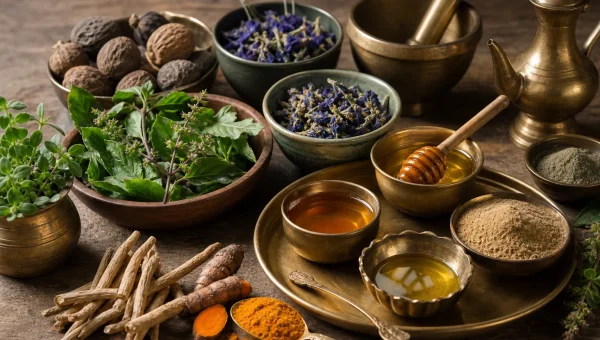
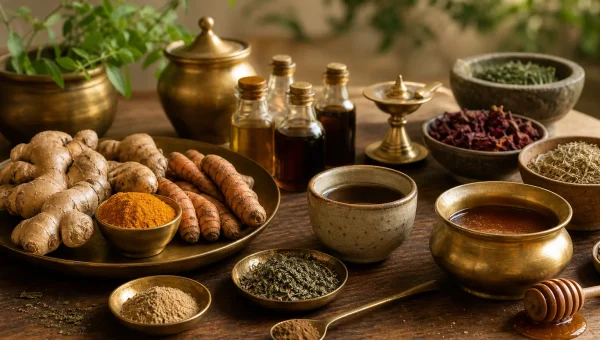
Herbs are best chosen by pattern, not by profession. Actors with a dry, depleted Vata pattern need a different plan from actors with Kapha mucus or Pitta skin heat. The following herbs are classical options, but form, dose, duration, and suitability should be decided with a qualified Ayurvedic practitioner.
| Herb | Classical Ayurvedic Role | Actor Use Pattern | Safety Note |
|---|---|---|---|
| Yashtimadhu | Madhura, snigdha, shita, vatapittajit, used for Svarabheda | Dry, rough, strained voice | Caution with hypertension, kidney disease, low potassium, pregnancy, and interacting medicines |
| Brahmi | Medhya, rasayana, svarya, vatahara | Mental overload, scattered focus, learning lines, pre-show mental noise | Use cautiously with sedatives or complex medication routines |
| Ashwagandha | Rasayana, balya, vata-kapha-apaha | Depletion, fatigue, Vata strain, strength rebuilding | Avoid during pregnancy and breastfeeding; discuss use with a clinician if you have liver, thyroid, autoimmune, or medication concerns |
| Manjistha | Varnya, shonitasthapana, kaphapittashamaka | Pitta-Kapha skin congestion, redness, complexion support | Use with practitioner guidance, especially with medicines or bleeding-risk concerns |
| Shatavari | Snigdha, shita, pittahara, balya, rasayana | Dryness, heat, depletion, Vata-Pitta recovery | Avoid self-prescribing if Kapha heaviness or congestion is dominant |
| Amalaki | Rasayana, tridoshajit, chakshushya | Pitta support, recovery nourishment, skin and eye strain support | Use food-like forms when tolerated; adjust if it aggravates acidity or bowel sensitivity |
Production-Day Checklist
A production-day routine should be simple enough to repeat under pressure. The best Ayurvedic support for actors is not an elaborate ritual but a set of reliable actions that protect Vata, prevent Pitta overload, and avoid Kapha stagnation.
- Carry warm water and sip through the day instead of waiting until the throat is dry.
- Eat at predictable times; do not let rehearsal anxiety replace meals.
- Warm up the voice gently before projection and give it short rest periods between heavy scenes.
- Remove makeup fully before sleep and cleanse without scrubbing.
- Use Nadi Shodhana before call time when breath, attention, or nerves become unsteady.
- Do not start a new herb, supplement, facial product, or intense detox during an active production week.
Medical Disclaimer: This article provides educational wellness guidance for performing artists. Persistent hoarseness, voice change lasting more than 2-3 weeks, pain when speaking or swallowing, difficulty breathing, coughing blood, a lump in the neck, or complete voice loss for more than a few days requires evaluation by a qualified healthcare provider, ENT specialist, or laryngologist. Skin conditions with infection, severe acne, allergic reaction, pain, spreading rash, or scarring should be assessed by a dermatologist. Discuss herbs and supplements, including Yashtimadhu, Ashwagandha, Brahmi, Manjistha, Shatavari, and Amalaki, with a qualified Ayurvedic practitioner or healthcare provider, especially if pregnant, breastfeeding, managing a medical condition, or taking medication. Use only quality-assured Ayurvedic products.
Nothing in this article diagnoses, treats, or cures a medical condition. Use it as educational information and consult a qualified Ayurvedic practitioner or physician before starting herbs, supplements, detoxes, or therapeutic protocols.
References
- Charaka Samhita — Dosha
- Charaka Samhita — Uttar Basti Siddhi
- Charaka Samhita — Ojas
- Charaka Samhita — Dhatu
- Charaka Samhita — Rasa dhatu
- Charaka Samhita — Shadvirechanashatashritiya Adhyaya
- Charaka Samhita — Nitya sevaniya – asevaniya dravya
- Ayurvedic Pharmacopoeia of India
- Ayurvedic Pharmacopoeia of India
- Ayurvedic Pharmacopoeia of India
- Ayurvedic Pharmacopoeia of India
- Nidcd (nidcd.nih.gov)
- Nidcd (nidcd.nih.gov)
- Hopkinsmedicine (hopkinsmedicine.org)
- Aad (aad.org)
- Yogainternational (yogainternational.com)
- NCCIH
- NCCIH
- NCCIH