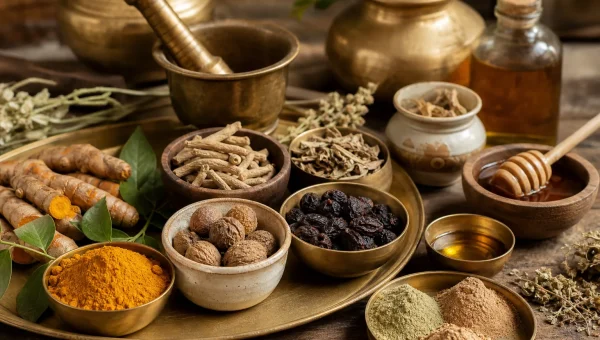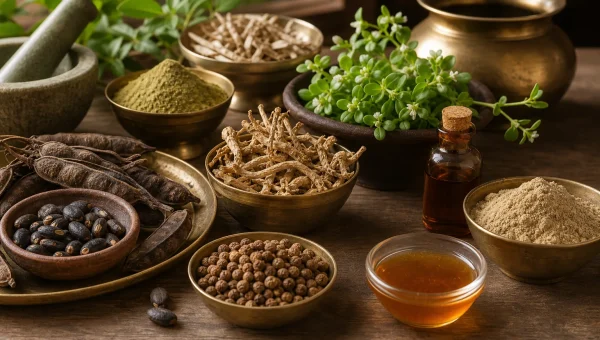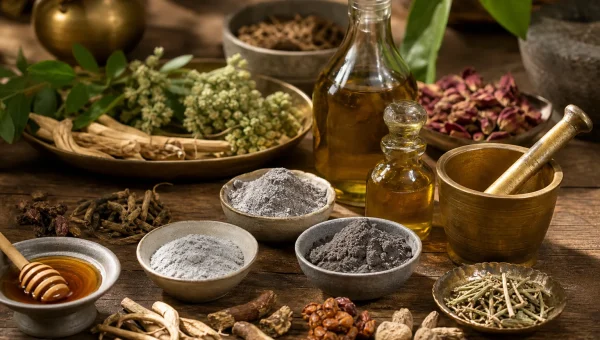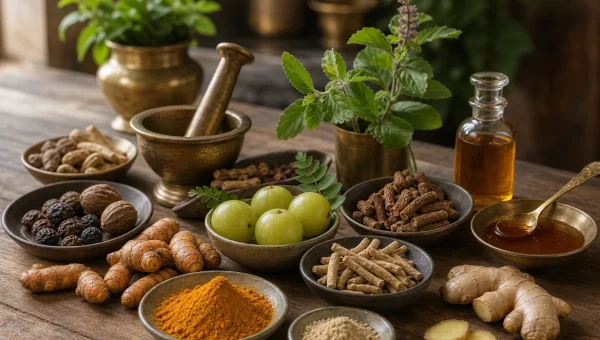
Insulin Sensitizing Effects of Ayurvedic Herbs: AMPK Activation and GLUT4 Translocation Studies
Insulin-Sensitizing Effects of Ayurvedic Herbs: AMPK, GLUT4, and Prameha Support Type 2 diabetes commonly develops through a long phase of...

PhD in Pharmacognosy with a focus on Ayurvedic botanicals. Has published peer-reviewed research on herbal medicine efficacy. Bridges traditional Ayurveda and modern biomedical research with rigorous evidence-based analysis.
Insulin-Sensitizing Effects of Ayurvedic Herbs: AMPK, GLUT4, and Prameha Support Type 2 diabetes commonly develops through a long phase of...
Synergy vs Polypharmacy: Why Classical Multi-Herb Ayurvedic Formulas Are More Than Supplement Stacking In modern medicine, polypharmacy usually means a...
Ayurvedic Herbs in Parkinson’s Disease: Beyond Kapikacchu to Jyotishmati, Brahmi, and Bala Ayurvedic discussions of Parkinson’s disease often begin with...
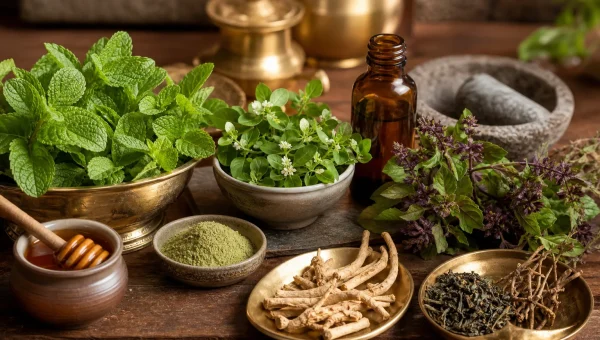
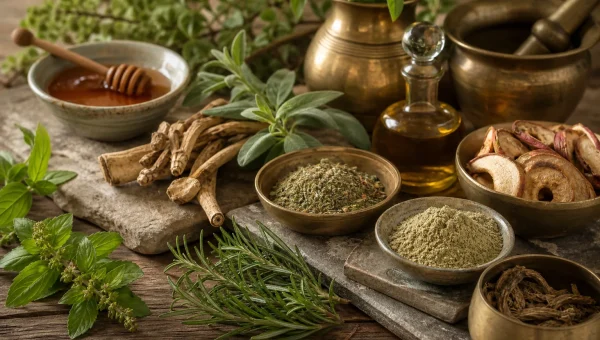
Rosmarinic Acid in Ayurvedic Herbal Practice: Tulsi and Mint for Allergy-Season Support, with Brahmi as Medhya Support When allergic rhinitis...
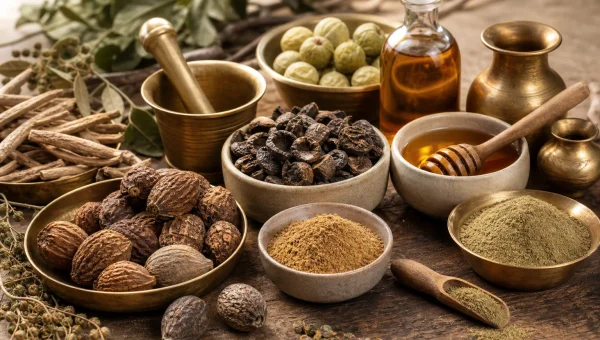
Oleanolic Acid in Triphala: A Liver and Glucose-Metabolism Lens on a Classical Formula Triphala is the classical three-fruit formulation made...
Heavy Metal Content in Bhasma Preparations: Safety Data from Modern Analytical Studies Few topics in Ayurvedic medicine generate as much...
Ayurvedic Herbs and Gut Barrier Integrity: Zonulin, Tight Junctions, and Mucosal Repair Increased intestinal permeability refers to a loss of...
Ursolic Acid in Ayurvedic Herbs: A Triterpene Link Between Tulsi, Strength, and Metabolic Support Ursolic acid is a naturally occurring...
The Molecular Logic Behind Ayurveda’s Kashaya Rasa Kashaya rasa, the astringent taste, is one of the six tastes described in...
When Ancient Constitutional Classification Meets Modern Genomics Pharmacogenomics studies how a person’s DNA can influence medication response, including differences in...