
If I were to describe the most common summer lunch mistake for a Pitta-dominant person, it would sound like this: a spicy dal, sour pickle, tomato-heavy sabzi, raw onion, extra salt, and a bowl of curd eaten in the hottest part of the day. Each item may feel ordinary on its own, but together they bring too much heat, sharpness, sourness, salt, and fermentation into a constitution that already runs hot. A well-built Pitta lunch should be satisfying, cooling, mildly oily, gently spiced, and steady enough to carry the mind and body through the afternoon without acidity, irritability, heaviness, or an overheated feeling.
Understanding Pitta’s Relationship with the Midday Meal
Ayurveda gives lunch special importance because appetite and digestive capacity are commonly strongest around the middle of the day. For Pitta-dominant people, this is useful because they often have a sharp appetite and can tolerate a substantial meal better at lunch than late at night. The risk is that a strong appetite can lead to a plate that is too spicy, sour, salty, oily, fried, or fermented.
Pitta is traditionally associated with hot, sharp, light, oily, liquid, and spreading qualities. When aggravated, it is commonly linked in Ayurveda with heat signs such as hyperacidity, burning digestion, loose stools, inflamed skin, redness, impatience, irritability, and intolerance of hot weather. The balancing direction is not starvation or raw salads alone, but a cooked, nourishing lunch that emphasizes sweet, bitter, and astringent tastes while keeping pungent, sour, and salty tastes moderate.
The Pitta Lunch Framework
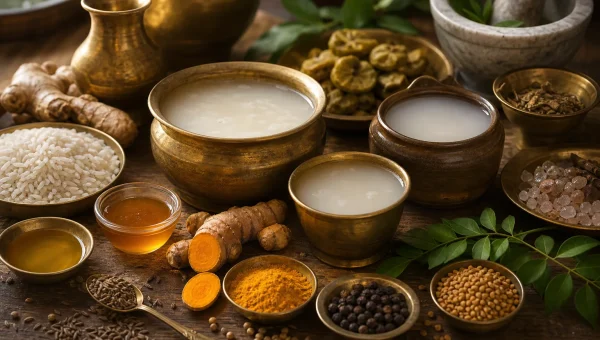
A good Pitta lunch begins with a calm base: rice or another gentle grain, a well-cooked pulse, one or two vegetables, a small amount of ghee or coconut, and aromatic spices that support digestion without adding harsh heat. The meal should be warm or room-temperature, not ice-cold, and it should be eaten without rushing.
Moong dal or other light pulses
Cooked cooling vegetables
Coconut or a small amount of ghee
Bitter greens in moderation
Fresh coriander and mint
Fennel and coriander seed
Raw onion and garlic
Excess tomato or tamarind
Sour pickle and vinegar
Deep-fried foods
Very salty foods
Sour curd in hot weather
Fennel seed
Cardamom
Fresh mint
Curry leaves
Small cumin amounts
Small turmeric amounts
The Cooling Spice Toolkit for Pitta
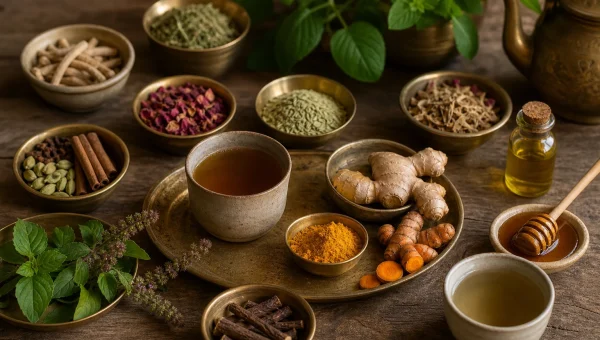
Coriander is one of the most useful everyday spices for Pitta cooking because both the seed and fresh leaf bring aroma without the heavy heat of chili, garlic, or mustard-heavy tempering. In practical lunch cooking, coriander can be used three ways: crushed seed in the tempering, coriander powder in the dal or sabzi, and fresh leaf at the end. This gives flavour, digestive support, and freshness without turning the meal sharp.
Fennel is the second key spice for this style of cooking. Its sweet aromatic profile makes it especially useful when a dish needs digestive support but not more fire. It works well in moong dal, coconut vegetable curries, cucumber preparations, and herb rice. Turmeric may be used in small culinary amounts, but because it is traditionally hot in potency, it is best kept as a pinch or quarter teaspoon in Pitta lunches rather than used heavily.
Three Complete Pitta Lunch Recipes
These recipes keep the original aim simple: a complete, tasty lunch that feels cooling and satisfying without becoming bland. They avoid heavy chili, sour pickle, excess tomato, vinegar, and sour curd, while keeping enough spice and texture to make the meal enjoyable.
Recipe 1: Coconut Coriander Moong Dal with Basmati Rice
This is a dependable Pitta lunch because moong dal is light compared with heavier pulses, basmati rice gives a gentle base, coriander and fennel keep the seasoning soft, and coconut adds soothing richness. It is filling enough for the main meal of the day without depending on chili heat for flavour.
Ingredients (serves 2): 3/4 cup split yellow moong dal, soaked 30 minutes; 2 cups water; 1/2 cup coconut milk; 1 tsp ghee or coconut oil; 1/2 tsp cumin seeds; 1 tsp lightly crushed coriander seeds; 1/4 tsp fennel powder; 1/4 tsp turmeric; 8-10 curry leaves; 1/2 tsp rock salt or to taste; 3 tbsp chopped fresh coriander leaves; a few drops of lime only if desired. Serve with about 1 cup cooked aged basmati rice per person.
Method: Cook the soaked moong dal with water and turmeric until completely soft. In a separate pan, warm ghee or coconut oil on low to medium heat. Add cumin seeds, crushed coriander seeds, curry leaves, and fennel powder, stirring briefly without burning the spices. Add this tempering to the cooked dal. Stir in coconut milk and salt, then simmer gently for 5-8 minutes on low heat. Do not boil vigorously after adding coconut milk. Finish with fresh coriander. Serve over basmati rice with a small spoon of ghee if digestion is strong and there is no medical restriction on fat intake.
Recipe 2: Pitta-Pacifying Karela, Peas, and Coconut Sabzi
Bitter taste is one of the classic taste directions used to balance Pitta, and karela brings that taste clearly. In this recipe, the bitterness is softened with peas, coconut, coriander, and fennel so the dish remains practical for lunch rather than medicinally harsh.
Ingredients (serves 2): 2 medium bitter gourds, halved, seeded, sliced, lightly salted for 15 minutes, then rinsed; 1 cup fresh or frozen green peas; 3 tbsp fresh grated coconut; 1 tbsp coconut oil or ghee; 1/2 tsp cumin seeds; 1 tsp coriander powder; 1/2 tsp fennel seeds; 8-10 curry leaves; 1/4 tsp turmeric; 1/4 tsp rock salt or to taste; 1 tsp jaggery if needed to soften bitterness; 1 tbsp fresh coriander leaves.
Method: Warm the oil or ghee on medium-low heat. Add cumin seeds, fennel seeds, and curry leaves. Add the sliced karela and stir well. Add turmeric and coriander powder, cover, and cook on medium-low heat for about 10 minutes, stirring occasionally. Add peas and 1/4 cup water, then cook for another 5-7 minutes until the karela is tender. Add grated coconut, salt, and a small amount of jaggery if desired. Cook for 2-3 minutes more and finish with fresh coriander. Serve with rice, soft roti, or the moong dal above.
Recipe 3: Cooling Green Herb Rice
This rice is built around coriander, mint, fennel, and cardamom. Mint creates a clear cooling sensation through its menthol content, while coriander and fennel keep the flavour bright without relying on chili. It is lighter than a rich pulao but more satisfying than plain rice.
Ingredients (serves 2): 1 cup aged basmati rice, soaked 20 minutes and drained; 1 cup fresh coriander leaves and tender stems; 1/2 cup fresh mint leaves; 1/2 tsp fennel seeds; 1 tbsp ghee; 1/2 tsp cumin seeds; 2-3 cardamom pods; 1 small bay leaf; 1/2 tsp salt or to taste; 1.75 cups water; 2 tbsp soaked cashews, optional.
Method: Blend coriander, mint, and fennel seeds with a little water to make a smooth green paste. Warm ghee in a heavy pot. Add cumin, cardamom, bay leaf, and soaked cashews if using. Add drained rice and stir gently so the grains are coated. Add the green herb paste, water, and salt. Bring to a boil, reduce to the lowest heat, cover tightly, and cook for about 15 minutes. Turn off the heat and let it rest covered for 5 minutes before fluffing. Serve with a cucumber-coconut side or a thin, freshly prepared buttermilk seasoned with roasted cumin and coriander if curd is suitable for the person and season.
Nutrient and Pitta-Rasa Comparison
The ingredients below are useful not because they are exotic, but because they help build the correct taste and quality profile for a Pitta lunch: cooling, aromatic, cooked, moist, and satisfying without excess sourness, salt, or pungency.
| Ingredient | Useful Food Quality | Best Lunch Use | Pitta Note |
|---|---|---|---|
| Moong dal | Light pulse, protein-containing, gentle when well cooked | Dal, khichdi, thin soup | Useful when appetite is strong but digestion feels hot |
| Coriander | Aromatic seed and fresh leaf | Tempering, powder, garnish, chutney | Adds flavour without strong chili heat |
| Fennel seeds | Sweet aromatic spice | Dal, rice, vegetable curry, post-meal chew | Helpful when a meal needs digestive support without sharpness |
| Bitter gourd | Strong bitter vegetable | Small cooked sabzi with coconut or peas | Use moderately; excessive bitterness can be difficult for Vata |
| Turmeric | Pungent-bitter rhizome, traditionally hot in potency | Small culinary pinch in dal or sabzi | Better in modest amounts for Pitta lunches |
| Mint | Fresh aromatic herb with a cooling sensory effect | Herb rice, chutney, garnish | Best used fresh and not overloaded with chili or sourness |
The deeper principle behind a Pitta lunch is that food should steady the afternoon, not inflame it. A plate that is very spicy, sour, salty, fermented, and fried may taste exciting in the moment, but it often leaves a Pitta-dominant person feeling hot, acidic, impatient, or mentally sharp in an uncomfortable way. A lunch based on rice, moong, cooked vegetables, coriander, fennel, mint, coconut, and a small amount of ghee gives substance without unnecessary heat.
Nothing in this article diagnoses or treats a medical condition. Use it as educational information and consult a qualified Ayurvedic practitioner or healthcare provider before making therapeutic dietary changes, using herbs medicinally, starting supplements, or changing care for acidity, reflux, inflammatory conditions, pregnancy, chronic illness, or prescription medication use.
References
- Ayurveda (ayurveda.com)
- Banyanbotanicals (banyanbotanicals.com)
- Banyanbotanicals (banyanbotanicals.com)
- Ayurveda (ayurveda.com)
- Banyanbotanicals (banyanbotanicals.com)
- Easyayurveda (easyayurveda.com)
- Easyayurveda (easyayurveda.com)
- Coriander (Coriandrum sativum) Polyphenols and Their Nutraceutical Value against Obesity and Metabolic Syndrome (2023), PubMed Central
- Foeniculum vulgare Mill: a review of its botany, phytochemistry, pharmacology, contemporary application, and toxicology (2014), PubMed Central
- Beneficial effects of Foeniculum vulgare on ethanol-induced acute gastric mucosal injury in rats (2007), PubMed Central
- Ahalia Ayurveda Medical College
- Easyayurveda (easyayurveda.com)
- Mung Bean (Vigna radiata L.): Bioactive Polyphenols, Polysaccharides, Peptides, and Health Benefits (2019), PubMed Central
- Suppression of Inflammatory Cytokines Expression with Bitter Melon (Momordica Charantia) in TNBS-instigated Ulcerative Colitis (2020), PubMed
- Momordica charantia, a Nutraceutical Approach for Inflammatory Related Diseases (2019), PubMed Central
- TRPM8 is the principal mediator of menthol-induced analgesia of acute and inflammatory pain (2013), PubMed Central
- NCCIH
Been using pitta for about 3 months now and the difference in how I feel is real. My practitioner said the same things this article covers so good to have it spelled out.
The point that individual Pitta-aggravating foods chosen in good faith combine into a Pitta disaster on a plate is the insight I needed. I eat each of these foods thinking they are healthy choices. Spicy dal: protein. Pickle: digestive. Tomato sabzi: vegetables. Curd: probiotic. None individually seem problematic but the cumulative Pitta load is the issue.
I want to know how specific the anti-Pitta lunch protocol is. Can I still eat dal if it is prepared with less tamarind and more cooling spices? Or is the pulse itself a Pitta problem regardless of preparation? The article implies preparation matters but doesn’t clarify whether certain foods are categorically wrong or just usually prepared wrong.
I run a canteen at a tech company in Bangalore and have been thinking about this for our employees who regularly report the afternoon burning, headaches, and irritability that sound exactly like Pitta lunch problem. Is there a practical way to adapt a commercial kitchen menu toward Pitta-appropriate lunches without individual customization?
I made the cooling dal described here for the first time this week. My husband, who has severe GERD, asked what I had done differently. He didn’t have the heartburn that usually follows dal meals. I have not made any other changes to his diet this week. The Pitta-adjusted preparation made a measurable difference on the first trial.
is the Pitta lunch problem seasonal, meaning worse in summer when ambient Pitta is higher, or is it a year-round pattern for Pitta types? I find my afternoon burning is significantly worse June through September but present in milder form throughout the year. Should the lunch protocol be more aggressive in summer or consistent throughout?
Three years of trying to get my digestion right and finally something that addressed the root. The pitta protocol described here is essentially what turned things around for me.
My father-in-law has been on this approach for four months. His joints are better than they were at 55. He credits pitta and the diet changes together.
I need some help: if I am at the office and cannot control my lunch preparation, what are the Pitta-emergency adjustments for a meal that is already cooked? Things I can do at the table with ingredients available in a typical canteen or restaurant to reduce the Pitta impact of an otherwise aggravating meal.
How do you distinguish between a genuine healing response and placebo when monitoring progress with pitta? What objective markers should I track?
Has anyone tried the bitter gourd curry with peas and found the bitterness too strong at first?
My practitioner wants to use lunch alongside pitta. Is this a common combination or is the article’s protocol more commonly used in isolation?
I added a pinch of fennel powder to my usual dal and noticed the acidity drop by midday.
The advice to keep lunch relaxed and not rush makes sense; eating quickly always leaves me feeling hot.
Using lime juice instead of vinegar dressing might reduce the sharp taste.
One practical tip from the article is to soak moong dal for thirty minutes before cooking.
Good read
the ginger for inflammation bit is understated. fresh ginger in morning tea reduced my wrist stiffness better than dry powder
The explanation about agni peaking at noon helped me understand why I can handle a big lunch without bloating.
I was looking for a plain explanation of The Pitta Lunch. This is the kind of detail readers can test slowly.
been doing this for 6 months, amazing difference in energy levels
The combination of tomatoes, pickle, and curd at the same meal being collectively problematic is something I never would have identified on my own. I thought curd was cooling so it would balance a spicy meal. The incompatible food combinations section is the most practically useful part for me. Is there a straightforward rule for how long to wait between incompatible foods, or does it depend on individual Agni strength?
the basic concepts here match what I learned in my yoga teacher training 🙌
tried combining all three, turmeric boswellia and ginger, for 2 months. inflammatory markers in bloodwork came down
I tried something similar on my own without guidance and had side effects. really recommend consulting a vaidya first
does the approach differ for someone with multiple doshas elevated at once?
boswellia at 300mg twice daily helped my knee more than NSAIDs and without the stomach issues. 6 weeks to notice it ✨
started this protocol 2 weeks ago. nothing notable yet but will report back in a month
❤️ my vaidya in Pune recommended exactly this. nice to see it confirmed here
does anyone know if these herbs are safe while on blood thinners? would really appreciate a response
would prefer more citations in the text itself ✨
same question as above, any substitute for herbs not available outside India?
Will try
the mandagni vs vishmagni distinction is what I was missing. I thought all slow digestion was the same
tried 3 of the suggestions here. 2 worked well, 1 made no difference. good enough ratio for me
has anyone noticed IBS symptoms getting worse on high hing doses? I had that reaction
My nutritionist sent me this link 🌿
This makes sense for The Pitta Lunch. I appreciate that it does not oversell the result.
will try and report back. fingers crossed
same here
takradhara changed my life for psoriasis. three sessions and the patches reduced. doing maintenance monthly
I would like more detail on The Pitta Lunch. The safety notes could be expanded a little.
reading this in 2027, has anything changed about the dosage recommendations since this was published?
been following this blog for 6 months and this is one of the more grounded posts
Useful post on The Pitta Lunch. I would like to know how long to try it before judging results.
For The Pitta Lunch, consistency seems like the hard part. Small daily changes are easier to follow than a perfect plan.
the translation of Sanskrit terms throughout helps a lot for those of us learning this system
not sure about some of the claims here. would like to see proper citations for the traditional references
sharing with my mom
नमस्ते, this is exactly what I was looking for 🙏
useful
just found this via Google search, is the protocol here still the current recommendation?
would love a follow-up article on the same topic but for elderly patients
useful info but hard to find a practitioner who does this type of treatment outside major cities
kitchari fast for 3 days reset something in my gut. hard to describe but lighter and clearer
Doing this
Thanks!
following this from UK, hard to find some of these herbs here
the seasonal rotation idea is something I had never considered before