Ayurvedic Tooth Decay Prevention: Krimidanta Protocol and the Science of Remineralization
Ayurvedic tooth decay prevention through a Krimidanta-oriented protocol combines classical daily oral care with the chemistry of enamel remineralization. Krimidanta is commonly correlated with caries-like decay and is described with features such as discoloration, cavity formation, tooth looseness, swelling, discharge, and pain. The preventive aim is to act before pain and cavitation: keep the mouth clean, reduce sticky sweet residues, protect saliva, and avoid oral-care methods that injure the gums or abrade enamel.
Enamel is the hardest substance in the human body, but its surface is chemically active. Plaque bacteria use sugars and starches to produce acids; when plaque pH stays near or below the enamel critical range of about 5.5, calcium and phosphate are lost from tooth mineral. When saliva buffers the mouth and supplies calcium and phosphate, and when fluoride is present, very early mineral loss can be repaired. A true cavity or dentin-level decay requires dental care; herbs, oils, tooth powders, and rinses are preventive adjuncts, not replacements for fillings or other restorative treatment.
The Remineralization Chemistry and How Ayurvedic Practices Align
The protocol rests on three matched aims: cleanse plaque without trauma, reduce the number of daily acid attacks, and preserve saliva as the mineral carrier. Classical practices such as Kavala/Gandusha, Dantadhavana, and tongue cleansing fit the clean-mouth side of prevention; modern prevention adds fluoride toothpaste, interdental cleaning, and professional dental examination.
Sesame oil Kavala/Gandusha: Ayurveda includes holding or moving liquid in the mouth as part of the daily regimen, including oil-based mouth holding. Use one to two teaspoons of sesame oil for 3-10 minutes before brushing, then spit and rinse. Keep the practice gentle; the purpose is morning cleansing, salivation, and loosening the plaque film before brushing. Do not swallow the used oil.
Neem, Khadira, or Karanja Dantadhavana: Classical Dinacharya favors twigs with bitter, pungent, or astringent taste and instructs that gum tissue should not be hurt. Khadira and Karanja are named in the classical daily regimen; neem is a common bitter twig in Ayurvedic oral care. If using a twig, chew the end into soft bristles and brush lightly. If a clean fresh twig is not available, use a soft toothbrush rather than a hard stick.
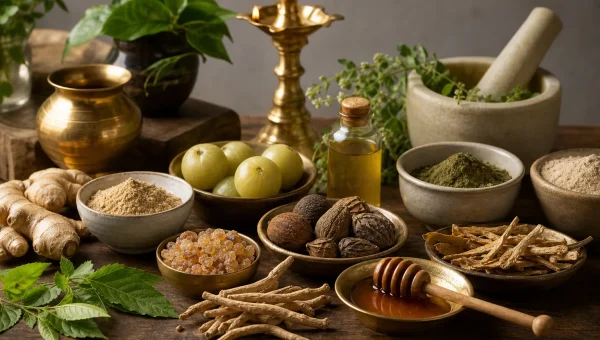
Triphala rinse: Triphala is a three-fruit Ayurvedic preparation made from Haritaki, Bibhitaki, and Amalaki. Use a cooled, filtered, unsweetened decoction as a rinse after meals or as an occasional gum-support rinse. Rinse and spit; internal Triphala is not necessary for this tooth-decay protocol unless a practitioner prescribes it for your broader constitution.
Mineral support: The main remineralizing reservoir is saliva, supported by dietary calcium-phosphate availability and fluoride. Herbal powders should be used only in very fine, tiny amounts and never as hard scrubs. Coarse salt, charcoal, acidic lemon-vinegar mixtures, and aggressive brushing can work against the protocol by irritating gums or increasing surface wear.
The Krimidanta Daily Protocol
This routine keeps the Ayurvedic order of cleansing while integrating standard dental prevention. Adjust the protocol for children, braces, sensitivity, receding gums, restorations, dry mouth, diabetes, pregnancy, or any dentist-prescribed care plan.
| Time | Practice | Duration / Amount | Key Benefit |
|---|---|---|---|
| Morning, before food | Gentle tongue cleansing, then sesame oil Kavala/Gandusha if suitable | Tongue: gentle passes; oil: 3-10 minutes | Clears morning coating, encourages salivation, prepares for brushing |
| Morning | Brush with fluoride toothpaste; use a twig only when clean, soft, and properly prepared | 2 minutes | Plaque removal and fluoride-supported early remineralization |
| After meals or snacks | Plain water rinse; optional filtered Triphala decoction rinse | 30-60 seconds | Clears fermentable residues and shortens acid exposure |
| Diet rhythm | Keep sweets and refined starches with meals rather than grazing; avoid sweetened chai, juice, soda, and sticky snacks between meals | Daily habit | Fewer repeated pH drops around enamel |
| After a main meal, if suitable | Small portion of unsweetened cheese or plain yogurt | Small portion | Supports saliva and plaque calcium-phosphate availability |
| Evening | Brush with fluoride toothpaste and clean between teeth | 2 minutes, plus interdental cleaning | Reduces plaque before the long overnight interval |
| Optional, a few times weekly | Very fine Triphala-Haridra powder massage only if gums and enamel tolerate it | 30-60 seconds | Gentle astringent adjunct; not a fluoride substitute |
The Gentle Danta Churna for the Clean-Mouth Side of Remineralization
A tooth powder can support the clean-mouth side of remineralization by reducing the sticky coating that feeds acid production, but it should not be treated as the main mineral therapy. The powder must be fine, mild, and used without force; fluoride toothpaste remains the daily remineralization base.
Triphala-Haridra Danta Churna:
- Triphala churna: 4 parts
- Haridra (turmeric) powder: 0.5 part
Sieve the powders through fine cloth, mix thoroughly, and store in a dry airtight jar. To use, wet a clean fingertip or soft brush, touch it to a small pinch, massage lightly for 30-60 seconds, and rinse. Use it before normal fluoride brushing or at a separate time. Do not add lemon juice, vinegar, charcoal, coarse salt, ash, or hard mineral powders. Avoid this powder during mouth ulcers, active gum bleeding, severe sensitivity, recent dental surgery, braces, aligner wear, veneers, crowns, or if your dentist has restricted abrasive products.
Dietary Remineralization Support
Food choices matter because they determine how often plaque bacteria receive fermentable carbohydrate and how much time saliva has to restore minerals after a meal. The goal is not only less sugar, but fewer sugar-and-starch exposures across the day.
Reduce grazing on sweets and starches: Choose structured meals over frequent snacks. Sweets, sweetened chai, juice, soda, biscuits, candies, and sticky refined carbohydrates are most damaging when they repeatedly feed plaque bacteria throughout the day.
Use mineral-rich meal endings when compatible: A small amount of unsweetened cheese or plain yogurt after a meal can support saliva and plaque calcium-phosphate availability. Use this only if dairy suits your digestion, dietary practice, and medical needs; sweet dairy desserts do not serve the same purpose.
Choose unsweetened green tea instead of sweet chai between meals: Plain green tea provides catechins such as EGCG, a compound with activity against S. mutans biofilm formation and acid production. Do not add sugar or honey for this purpose, and avoid caffeine when your clinician has advised limiting it.
Protect saliva: Sip plain water after meals and during long talking, travel, or mouth dryness. Chronic dry mouth, night mouth-breathing, or medicine-related dryness should be discussed with a dentist or physician because saliva is central to enamel mineral balance.
The same daily rhythm can be paired with the Agni foundation article for a broader view of meal timing and digestive steadiness.
For gum bleeding, swelling, bad breath, gum recession, or loose teeth, combine decay prevention with the Danta Mula Chikitsa article, because caries prevention and gum care overlap but are not the same problem.
Dental Safety: This protocol supports oral hygiene and may help the mouth favor remineralization of very early enamel mineral loss. It cannot close an established cavity, rebuild lost dentin, treat pulpal infection, or replace fillings, root-canal care, extraction, antibiotics when indicated, or professional cleaning. See a dentist promptly for tooth pain, swelling, pus, fever, facial swelling, a broken tooth, bleeding gums, persistent sensitivity, or visible holes. Continue regular dental examinations and follow your dentist’s fluoride, sealant, restoration, and gum-care advice.
Nothing in this article diagnoses or treats a medical condition. Use it as educational information and consult a qualified Ayurvedic practitioner, dentist, or healthcare provider before starting herbs, supplements, detoxes, mineral powders, or therapeutic protocols, especially if pregnant, managing a condition, taking medication, caring for a child, or undergoing dental treatment.
References
- A clinical study on Krimidanta with reference to dental caries and its management with Jatipatradi Gutika and Yavanadi Churna (2010), PubMed Central
- NIH
- Nidcr (nidcr.nih.gov)
- Dentalcare (dentalcare.com)
- The Remineralization of Enamel from Saliva: A Chemical Perspective (2024), PubMed Central
- Nidcr (nidcr.nih.gov)
- The Biology of Streptococcus mutans (2019), PubMed Central
- Biology of Streptococcus mutans-derived glucosyltransferases: role in extracellular matrix formation of cariogenic biofilms (2011), PubMed Central
- Easyayurveda (easyayurveda.com)
- Easyayurveda (easyayurveda.com)
- Sanskritgurukul (sanskritgurukul.in)
- Ayurvedic Pharmacopoeia of India
- Dravyaguna notes
- Effect of oil pulling on Streptococcus mutans count in plaque and saliva using Dentocult SM Strip mutans test: a randomized, controlled, triple-blind study (2008), PubMed
- A randomized clinical trial to evaluate and compare the efficacy of triphala mouthwash with 0.2% chlorhexidine in hospitalized patients with periodontal diseases (2014), PubMed
- Jpis (jpis.org)
- Nidcr (nidcr.nih.gov)
- Ada (ada.org)
- NCBI
- World Health Organization
- Effect of cheese and casein phosphopeptide-amorphous calcium phosphate on erosive lesions of primary teeth enamel following exposure to amoxicillin and ibuprofen syrups: An in vitro study (2024), PubMed Central
- Comparative evaluation of enamel remineralization potential of processed cheese, calcium phosphate-based synthetic agent, and a fluoride-containing toothpaste: An in situ study (2017), PubMed
- The tea catechin epigallocatechin gallate suppresses cariogenic virulence factors of Streptococcus mutans (2011), PubMed Central
- Inhibition of acid production in dental plaque bacteria by green tea catechins (2006), PubMed
- Nidcr (nidcr.nih.gov)
- Ada (ada.org)
- Ada (ada.org)
- Abrasion Behavior of Different Charcoal Toothpastes on Human Dentin When Using Electric Toothbrushes (2022), PubMed Central
- Hopkinsmedicine (hopkinsmedicine.org)