Menopause Weight Gain Ayurveda: The Three-Factor Metabolic Model
Menopause weight gain ayurveda analysis is most useful when it treats midlife weight gain as a combined metabolic pattern rather than a simple failure of willpower. Ayurveda views this pattern through three overlapping factors: kapha-meda accumulation, agni decline, and prameha tendency. In practical terms, these correspond to easier fat storage around the abdomen and hips, sluggish digestion and energy, and increased concern about waist size, fasting glucose, triglycerides, and blood pressure.
During the menopausal transition, many women notice that the same food and activity pattern no longer produces the same body response. From an Ayurvedic view, this is a shift in the state of the dhatus and srotas: meda dhatu increases, medovaha srotas can become obstructed, vata becomes more irregular, and kapha heaviness may coexist with sleep disturbance, hot flashes, dryness, and mood changes. A complete reset therefore has to work on digestion, movement, sleep, stress, muscle preservation, and blood-sugar rhythm together.
Factor One: Kapha-Meda Accumulation and the Thermogenic Strategy
The kapha-meda side of menopausal weight gain calls for warm, light, regular and channel-clearing habits. This does not mean aggressive fasting or harsh stimulants. It means using food timing, digestive spices, walking, and suitable medohara formulations to reduce heaviness, improve appetite rhythm, and prevent ama formation.
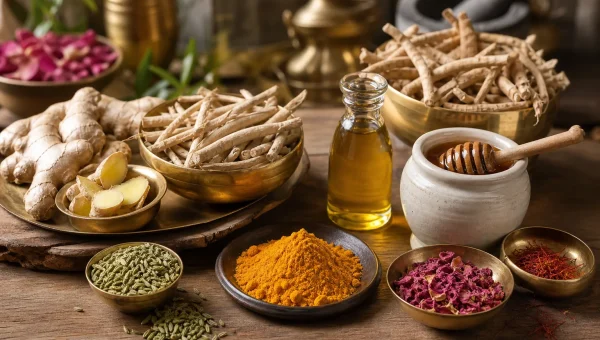
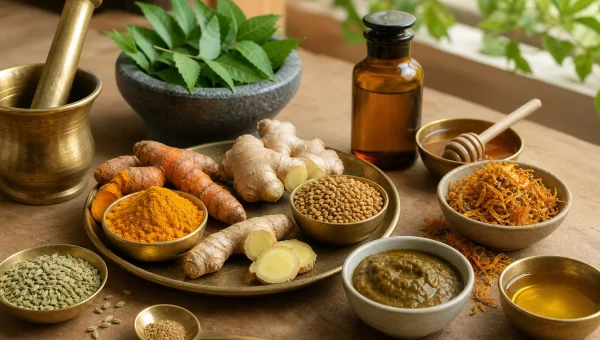
Trikatu churna: Trikatu is the classical combination of shunthi, maricha and pippali. It is best understood as a deepana-pachana support for low agni, heaviness after food, coated tongue, sluggish bowels and kapha-type congestion. In a menopausal woman with hot flashes, acidity, gastritis, ulcers, burning sensations or marked pitta aggravation, Trikatu may be too heating and should be avoided or used only under supervision. When appropriate, it is usually used in small practitioner-selected doses with warm water or honey rather than as a long-term self-prescribed weight-loss stimulant.
Guggulu-based formulations: Properly purified guggulu is described in the Ayurvedic Pharmacopoeia of India with katu, tikta and kashaya rasa, laghu-sara-vishada guna, ushna virya, katu vipaka and medohara karma. This makes guggulu-based formulations appropriate to consider when the pattern is medoroga, kapha heaviness and srotorodha. The choice between Triphala Guggulu, Navaka Guggulu, Medohara Guggulu, Kanchanara Guggulu or another preparation should be made by a qualified Ayurvedic practitioner because each formula has a different direction and heating strength.
Food rhythm: The kapha-meda plan is built around cooked, warm, high-fiber meals; adequate protein; less grazing; earlier dinners; and a short walk after meals. Barley, millets used according to digestion, green gram, cooked vegetables, soups, spices such as cumin, coriander, ginger and black pepper, and reduced intake of sweets, fried snacks, refined flour and late-night dairy are typical choices when kapha and meda are dominant. The goal is not extreme restriction but steadier agni and fewer insulin spikes.
Factor Two: Thyroid-Agnimandya Overlap
Fatigue, constipation, cold intolerance, low mood, dry skin and weight gain can look like kapha-agni imbalance in Ayurveda, but they can also overlap with thyroid dysfunction. Subclinical hypothyroidism is defined by elevated TSH with normal thyroxine, and it becomes more common with age and in women. For that reason, menopausal weight gain with persistent fatigue, coldness, constipation, hair fall or resistant weight gain should not be managed only with herbs; TSH and free T4 testing should be discussed with a physician.
Ashwagandha: Ashwagandha is an Ayurvedic rasayana and balya herb with tikta-kashaya rasa, laghu guna, ushna virya, madhura vipaka and vatakaphapaha karma. It may be useful when the menopausal pattern includes low strength, poor sleep, stress load, vata-kapha fatigue and loss of resilience. It is not a universal thyroid herb and should be used carefully in anyone with hyperthyroidism, thyroid medication, autoimmune thyroid disease, liver disease, pregnancy, sedative use or hormone-sensitive conditions.
Kanchanara and guggulu combinations: Kanchanara Guggulu is often used by Ayurvedic physicians in glandular, granthi and kapha-vata patterns, but it should not be treated as a substitute for thyroid diagnosis or thyroid medication. If thyroid symptoms are present, the correct sequence is medical evaluation first, then individualized Ayurvedic support alongside monitoring.
Factor Three: Insulin Resistance, Prameha Tendency and Waist Gain
The third factor is the prameha-like metabolic direction: abdominal fat, heavier post-meal sleepiness, sugar cravings, elevated fasting glucose, high triglycerides or increasing waist circumference. Ayurveda addresses this through medovaha srotas correction, agni regulation, kapha reduction, and daily movement after meals. Waist circumference, fasting glucose, HbA1c and lipid profile are useful objective markers for this part of the reset.
Vijayasar or Asana: Vijayasar is the Hindi name used for Asana, the heartwood of Pterocarpus marsupium. The Ayurvedic Pharmacopoeia lists Asana for prameha and medodosa, with katu-tikta-kashaya rasa, laghu-ruksha guna, ushna virya and katu vipaka. Traditionally it may be used as a decoction or as water kept in contact with the heartwood, but diabetes, prediabetes and high fasting glucose require medical monitoring. It should not be combined casually with glucose-lowering drugs without professional oversight.
Triphala: Triphala is useful when the metabolic pattern includes constipation, heaviness, sluggish bowel clearance, ama tendency and irregular appetite. A small bedtime dose with warm water is often selected by practitioners, but it can cause loose stools or cramping in sensitive people and should be avoided in pregnancy unless specifically advised. In menopausal weight management, Triphala works best as a digestive and bowel-regulating support, not as a stand-alone fat-loss remedy.
| Metabolic Issue | Ayurvedic Interpretation | Core Intervention | Important Caution |
|---|---|---|---|
| Abdominal and hip weight gain | Kapha-meda accumulation, medovaha srotas obstruction | Warm meals, meal timing, walking, selected Trikatu or guggulu formula | Avoid heating herbs in hot flashes, acidity, ulcers or high pitta |
| Fatigue with resistant weight gain | Agnimandya with possible thyroid overlap | TSH/free T4 evaluation, sleep correction, individualized ashwagandha or guggulu support | Do not self-treat suspected thyroid disease with herbs alone |
| High waist, glucose or triglycerides | Prameha tendency with meda and kapha involvement | Post-meal walking, early dinner, Vijayasar or Triphala when suited | Monitor glucose if taking diabetes medicines |
| Hot flashes with stress eating | Vata-pitta disturbance with sleep disruption | Cooling routine, steady meals, Shatavari when appropriate | Avoid forcing pungent thermogenic herbs when heat symptoms dominate |
| Loss of muscle and strength | Dhatu kshaya and declining bala | Resistance training, protein, recovery, rasayana support when suited | Herbs cannot replace progressive strength training |
Hot Flashes, Sleep and the Pitta-Vata Modifier
Not every menopausal woman with weight gain should receive heating herbs. When hot flashes, night sweats, insomnia, irritability, dryness, burning sensations or acidity dominate, the protocol has to be modified toward pitta-vata calming before strong kapha-reducing measures are intensified. Otherwise, an overly heating plan may improve heaviness temporarily while worsening sleep and cravings.
Shatavari: Shatavari is described in the Ayurvedic Pharmacopoeia with madhura-tikta rasa, guru-snigdha guna, shita virya, madhura vipaka, and rasayana, balya, pittahara and vatakaphahara actions. It is more suitable in a dry, depleted, hot-flash-prone menopause pattern than in a heavy, damp, ama-dominant kapha pattern. In women with hormone-sensitive conditions, unexplained bleeding, breast or uterine pathology, or active medical treatment, Shatavari should be used only after professional advice.
The Exercise Prescription: Muscle Mass is the Metabolic Variable
Resistance training is the non-negotiable part of menopausal weight management. Ayurveda can support agni, sleep, digestion and recovery, but it cannot substitute for the mechanical stimulus needed to preserve and rebuild muscle. As muscle and strength decline, the same calorie intake can produce more fat storage and less metabolic flexibility.
A practical starting point is two to three weekly sessions of resistance exercise, with walking on most days. Squats or sit-to-stands, hip hinges, rows, presses, loaded carries, step-ups and core stability work cover the major movement patterns. Beginners can start with body weight, resistance bands or light dumbbells and gradually progress. The goal is not exhaustion; it is repeated, measurable strength stimulus with recovery.
Ashwagandha may be considered when low sleep, stress load and poor recovery are part of the picture, but it works best as supportive rasayana care, not as an anabolic shortcut. Adequate protein, regular training, sunlight, sleep timing and medical evaluation for vitamin D, anemia, thyroid or glucose issues are often more important than adding more herbs.
An Eight-Week Ayurvedic Reset Framework
A structured reset helps menopausal weight gain respond more predictably. The first two weeks should establish rhythm: fixed meal windows, warm breakfast or early lunch according to appetite, early dinner, no late-night snacking, a 10- to 15-minute walk after the largest meals, and sleep before the late-night hunger window opens. This alone often reduces ama, bloating and cravings.
Weeks three to six can add individualized herbal support. Kapha-meda patterns may receive small amounts of Trikatu or a guggulu-based formula. Prameha tendency may receive Vijayasar or Triphala support. Vata-pitta hot-flash patterns may need Shatavari, cooling foods, oil massage, breath practices and less pungent spice. The same herb should not be used for every menopausal woman; prakriti, vikriti, digestion, bowels, heat symptoms, medical history and medicines decide the plan.
Weeks seven and eight should focus on measurable feedback: waist circumference, sleep quality, bowel regularity, hunger stability, strength progression, fasting glucose or HbA1c when relevant, and lipid profile when elevated. If weight is not changing but waist size, strength, energy and glucose markers are improving, the reset is still moving in the right direction.
When to Seek Medical Evaluation
Menopausal weight gain should be medically evaluated when it is rapid, associated with severe fatigue, swelling, shortness of breath, abnormal bleeding, depression, persistent insomnia, high blood pressure, high fasting glucose, high triglycerides, thyroid symptoms, or unexplained pain. Ayurveda is strongest when it is integrated with appropriate screening rather than used to delay diagnosis.
Medical disclaimer: Menopausal weight gain involves hormonal, metabolic, thyroid, sleep, stress and lifestyle factors. Women with significant weight gain, elevated triglycerides, elevated fasting glucose, high blood pressure, abnormal bleeding or symptoms of thyroid dysfunction should seek evaluation by a physician, gynecologist or endocrinologist. Ayurvedic herbs and formulations should be used under a qualified Ayurvedic practitioner, especially if taking thyroid, diabetes, blood pressure, lipid-lowering, sedative, hormone or anticoagulant medicines.
Nothing in this article diagnoses or treats a medical condition. Use it as educational information and consult a qualified Ayurvedic practitioner or healthcare provider before starting herbs, supplements, detoxes or therapeutic protocols, especially if pregnant, managing a condition or taking medication.
References
- Menopause-Associated Lipid Metabolic Disorders and Foods Beneficial for Postmenopausal Women (2020), PubMed Central
- Metabolic Disorders in Menopause (2022), PubMed Central
- NCBI
- Ayurvedic Pharmacopoeia of India
- Efficacy and Safety of Ashwagandha Root Extract in Subclinical Hypothyroid Patients: A Double-Blind, Randomized Placebo-Controlled Trial (2018), PubMed
- Jamanetwork (jamanetwork.com)
- Ijrap (ijrap.net)
- Effects of ginger supplementation on anthropometric, glycemic and metabolic parameters in subjects with metabolic syndrome: A randomized, double-blind, placebo-controlled study (2019), PubMed Central
- Effects of Triphala on Lipid and Glucose Profiles and Anthropometric Parameters: A Systematic Review (2021), PubMed Central
- Therapeutic Uses of Triphala in Ayurvedic Medicine (2017), PubMed Central
- Ayurvedic Pharmacopoeia of India
- Cureus (cureus.com)
- Sleep and Sleep Disorders in the Menopausal Transition (2018), PubMed Central
- Frontiersin (frontiersin.org)
- Sarcopenia in Menopausal Women: Current Perspectives (2022), PubMed Central
- Mayoclinic (mayoclinic.org)