
Ayurvedic Recovery from Overwork: The Karshya Protocol for Burnout-Induced Weight Loss
Two years ago I hit a wall. I was working 14-hour days, training at the gym 5 days a week, sleeping 5 hours a night, and running on caffeine and protein shakes. I thought I was performing at a high level. Then I stepped on the scale and realized I had lost 8 kg in 3 months without trying. My face looked gaunt, my muscles felt flat despite heavy lifting, I was getting sick every few weeks, and I could not sleep even when I had the chance. My body was consuming itself.
An Ayurvedic doctor took one look at the pattern and called it a karshya-type depletion: vata had been driven upward by overwork, irregular food, sleep loss, and excessive exertion, while the body’s capacity to rebuild tissue had fallen behind the demand placed on it. The lesson was simple but humbling: discipline without nourishment eventually becomes depletion.
What Is Karshya?
In Charaka Samhita, Sutra Sthana Chapter 21, the excessively lean person is described under atikrisha or pathological leanness. Charaka lists causative factors such as intake of dry and non-unctuous food and drink, fasting, inadequate food quantity, overuse of cleansing measures, grief, suppression of natural urges, inadequate sleep, continuing illness, old age, and anger. The chapter describes the lean person as having dried or shrunken buttocks, abdomen, and neck, visible vessels, and a “skin and bones” appearance, with poor tolerance for exercise, hunger, thirst, disease, excessive cold, excessive heat, and sexual activity.
In a modern overwork pattern, this does not mean every thin person has the same condition. It means that when unintentional weight loss appears together with exhaustion, dry skin, poor sleep, low appetite, low resilience, and poor recovery from training, Ayurveda would look first at depletion of the nourishing tissues and aggravation of vata. Charaka’s account of extreme leanness connects the condition with depletion of rasa, meda, and mamsa dhatu, and the appropriate therapeutic direction is brimhana: nourishment, building, rest, unction, and restoration.
- Vata aggravation: Overwork, irregular meals, sleep deprivation, excessive exercise, and dryness in diet and lifestyle all push the body toward lightness, dryness, instability, and depletion.
- Dhatu depletion: The first goal is to restore stable digestion and nourishment so food can become tissue rather than passing through a stressed and irregular system.
- Loss of resilience: When recovery is chronically neglected, the person may feel empty, anxious, dry, weak, and easily overwhelmed. In Ayurvedic language, the work is not only to add calories, but to rebuild strength, steadiness, and vitality.
The Modern Stress Link
Burnout is not just a mood state. Long-standing stress can disturb the body’s hypothalamic-pituitary-adrenal rhythm, including the cortisol awakening response. Glucocorticoid excess is also compatible with a catabolic state in skeletal muscle, because glucocorticoids can inhibit protein synthesis and stimulate protein breakdown. Chronic stress can also weaken protective immune responses. This is why a depleted person may lose muscle, recover poorly from training, sleep badly, and fall sick more often even while trying to “push through.”
Ayurveda and modern physiology use different languages, but they point to a practical truth: when the body is already depleted, more intensity is not the answer. Recovery must begin with sleep, regular meals, rest from excess exertion, and a diet and lifestyle that rebuild rather than dry out.
The Brimhana Protocol
Charaka defines brimhana as that which increases bodily bulk and strength. Brimhana substances and practices are described as heavy, soft, unctuous, stable, smooth, and nourishing. This is the opposite of the burnout pattern: light, dry, irregular, overstimulated, and under-rested. The protocol below adapts that classical direction for a modern professional whose weight loss is linked to overwork, irregular food, poor sleep, and excessive training.
Phase 1: Stop the Damage (Weeks 1-2)
Before you rebuild, you must stop the habits that are continuing to deplete you. This phase is intentionally simple. The first treatment is not a rare herb or a complicated detox; it is reducing the daily inputs that keep vata high and tissue recovery low.
| Area | Burnout Pattern | Recovery Protocol |
|---|---|---|
| Sleep | 5-6 hours, irregular timing, poor quality | Prioritize 7-9 hours, keep a consistent sleep-wake schedule, and reduce screens, work, and stimulation before bed |
| Exercise | Intense training 5-6 days/week despite falling weight | Pause heavy training temporarily. Use gentle walking, mobility work, and light yoga until sleep, appetite, and weight stabilize |
| Work hours | 12-14 hours/day, no real shutdown | Create a hard work boundary, take real breaks, and protect at least one full rest day weekly |
| Caffeine | Multiple coffees or stimulants used to override fatigue | Taper gradually and keep caffeine earlier in the day. Replace the evening stimulant habit with warm milk, warm water, or a simple herbal infusion |
| Meals | Skipped, rushed, cold, dry, or eaten while working | Eat three warm, sit-down meals at consistent times. Avoid multitasking while eating |
When I was told to stop heavy training for a short period, I resisted. But the question was obvious: if the training was rebuilding me, why was I losing muscle and sleep? In a depleted state, the same workout that once built strength can become one more stressor. Charaka’s treatment of excessive leanness includes rest from worry, sex, and exercise, along with sleep, mental ease, nourishing food, ghee, milk, oil massage, and restorative measures. That is the spirit of Phase 1.
Phase 2: Nourish and Rebuild (Weeks 3-8)
Once the leak has been slowed, the next step is systematic nourishment. This does not mean force-feeding or eating junk calories. It means warm, digestible, unctuous, protein-containing, and strength-building meals taken at regular times, with enough rest for those meals to become tissue.
The Brimhana Food Pattern
The brimhana diet should feel grounding: warm, moist, mildly spiced, and substantial without overwhelming digestion. Use the following foods according to appetite, digestive capacity, constitution, season, and practitioner guidance.
- Ghee: Add small amounts of ghee to rice, dal, khichadi, chapati, or vegetables. Charaka includes ghee among the key nourishing supports for the lean and depleted. Start modestly, such as 1 teaspoon with meals, and increase only if digestion, lipids, liver, and gallbladder health allow.
- Warm milk: If tolerated, take warm milk in the evening with a small pinch of nutmeg or cardamom. Charaka includes milk and ghee in the brimhana approach. Avoid milk if it causes heaviness, congestion, bloating, or digestive discomfort.
- Rice, wheat, black gram, and nourishing grains: Charaka includes shali rice, wheat, and black gram among building foods for the excessively lean. In practice, use rice, wheat, mung dal, urad dal, khichadi, soft rotis, and soups according to digestive strength.
- Meat soup or broth for non-vegetarians: Charaka specifically includes meat soups and preparations in the brimhana approach for wasting and weakness. A practical version is slow-cooked chicken, mutton, or fish soup with mild digestive spices, taken warm and in a quantity that digests comfortably.
- Dates, raisins, figs, and soaked nuts: These can be useful additions when appetite is low but energy needs are high. Soaked almonds, dates, raisins, and figs provide dense nourishment without relying on cold shakes or dry snack foods.
Key Herbs and Formulations
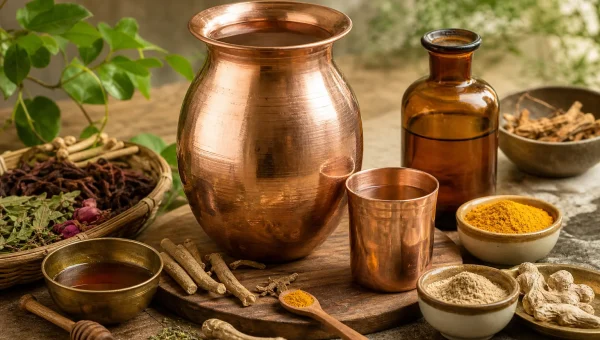
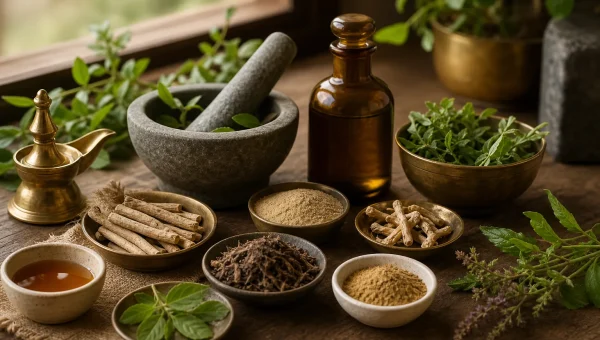
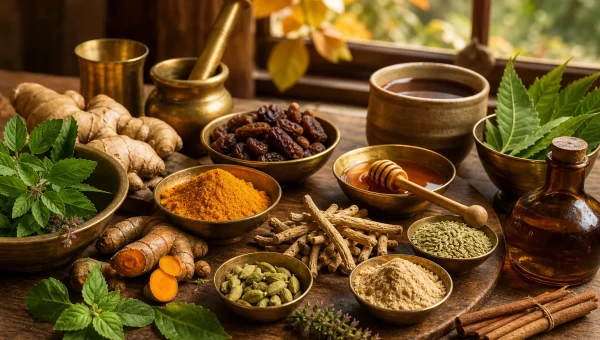
Herbs should support the food-and-rest foundation, not replace it. For burnout-related weight loss, the most useful herbs are usually rasayana, balya, vata-pacifying, and nourishing. Use them with a qualified Ayurvedic practitioner, especially if you take medication or have thyroid, autoimmune, liver, hormonal, psychiatric, digestive, or cardiovascular concerns.
Ashwagandha (Withania somnifera): Ashwagandha is traditionally used in Ayurveda as a rasayana and as support for general debility, stress-related fatigue, restlessness, nervousness, sleep, and aggravated vata. Human trials have used root extract doses such as 300 mg twice daily for stress and cortisol-related outcomes, and another trial used ashwagandha alongside resistance training for strength and muscle outcomes. Traditional powder use is often given with warm milk or ghee, but dose, form, and suitability should be individualized.
Shatavari (Asparagus racemosus): Shatavari is a classical Ayurvedic plant used as a nourishing, moistening, rasayana-type support. In a depleted person with dryness, heat, irritability, or poor tissue hydration, practitioners may use shatavari powder, shatavari ghrita, or milk-based preparations. It is not a substitute for adequate food, sleep, and medical evaluation of unexplained weight loss.
Bala (Sida cordifolia): Bala literally means strength, and Bala-based oils and formulations are used in Ayurvedic practice when weakness, vata aggravation, and neuromuscular depletion are prominent. For self-care, Bala Taila may be used externally for abhyanga when appropriate. Internal use should be practitioner-guided because plant identity, formulation, dose, and safety matter.
Phase 3: Restore and Strengthen (Weeks 9-16)
Once sleep, appetite, digestion, and body weight have stabilized, gradually reintroduce structured training. The goal is not to prove toughness; the goal is to rebuild capacity without returning to the same depleted state.
- Weeks 9-10: Add light resistance training 2-3 days per week using bodyweight exercises, bands, or light weights. Keep sessions short and leave energy in reserve.
- Weeks 11-12: Move toward moderate weight training if sleep, appetite, digestion, mood, and weight remain stable. Avoid personal records and failure training.
- Weeks 13-16: Gradually rebuild volume and intensity while keeping the habits that restored you: regular meals, adequate sleep, weekly rest, and stress boundaries.
If weight starts dropping again, sleep worsens, appetite disappears, resting anxiety increases, or soreness lingers unusually long, reduce intensity and return to the nourishment phase. Brimhana is not a license to overeat while overtraining; it is a complete rebuilding pattern.
Abhyanga: The Non-Negotiable Recovery Practice
Charaka includes oil massage in the management of excessive leanness, and it is especially relevant when vata signs are present: dryness, restlessness, poor sleep, nervous exhaustion, and a sense of being ungrounded. Daily self-abhyanga with warm sesame oil is one of the most practical ways to bring unctuousness, warmth, rhythm, and steadiness back into the body.
- Warm 2-3 tablespoons of sesame oil, or use Bala Taila if prescribed or appropriate for you.
- Massage the whole body with steady strokes on the limbs and circular movements around the joints.
- Spend extra time on the soles of the feet, lower back, shoulders, and scalp if your constitution and routine allow.
- Leave the oil on for 10-20 minutes, then shower with warm water.
- Practice in the morning or early evening, avoiding times immediately after meals.
Abhyanga directly addresses the dry, irregular, overstimulated quality of vata. The warmth of the oil, the regularity of the practice, and the slow rhythmic touch all support a calmer recovery state. Avoid oil massage during fever, acute illness, active skin infection, severe indigestion, or when a practitioner has advised against it. For a complete guide on heat therapies that complement abhyanga, see Sauna vs Steam Room: Ayurvedic Heat Therapy.
Signs of Successful Recovery
Recovery from depletion is usually gradual. Do not judge the protocol only by the scale in the first few days. First the nervous system and digestion settle; then weight stabilizes; then strength and tissue quality return.
| Timeline | Signs of Progress | Ayurvedic Indicator |
|---|---|---|
| Week 1-2 | Better sleep, reduced restlessness, warmer body, more regular appetite | Vata calming and agni becoming steadier |
| Week 3-4 | Weight loss slows or stops, digestion improves, stools become more regular | Rasa dhatu nourishment improving |
| Month 2 | Energy becomes more consistent, skin dryness reduces, mood steadies | Dhatu nourishment moving beyond the first stage |
| Month 3 | Muscle tone and training tolerance begin to return, fewer crashes after work | Mamsa and bala rebuilding |
| Month 4 | Work, training, sleep, appetite, and emotional steadiness feel sustainable together | Brimhana has become a lifestyle rhythm, not a temporary rescue plan |
Preventing Relapse
The hardest part of burnout recovery is not the recovery itself. It is preventing yourself from returning to the same patterns that broke you down. For long-term prevention, keep the practices that preserve nourishment and rhythm.
- Sleep is sacred: Most adults need at least 7 hours of sleep, and many need closer to 8 or 9 during recovery. No deadline or workout is worth chronic sleep deprivation.
- Eat real food at real times: Take warm meals at consistent times. Avoid making caffeine, cold shakes, and desk snacks your main fuel.
- Keep one true rest day weekly: A rest day from both intense training and unnecessary work is maintenance, not laziness.
- Use rasayana support wisely: Ashwagandha, shatavari, bala, ghrita, and other supports should be matched to constitution, season, digestion, and medical context rather than taken blindly year-round.
- Keep abhyanga in the routine: Even if daily massage is not possible, a weekly warm oil massage helps prevent the dry, scattered pattern from returning.
For understanding how your dosha constitution determines your unique stress response pattern and recovery needs, see Doshic Assessment at Home. For a framework on matching exercise intensity to your actual capacity, see Vyayama Shakti: Exercise Capacity Framework.
Medical Disclaimer: This article is for educational purposes only. Unexplained weight loss can be caused by serious medical conditions including hyperthyroidism, diabetes, malignancy, chronic infections, gastrointestinal disease, medication effects, depression, and eating disorders. Unintentional weight loss of more than about 5% of body weight over 6-12 months should be evaluated by a qualified healthcare provider with appropriate history, examination, and testing before attributing it to stress or overwork. The Ayurvedic protocol described here is intended for burnout-related depletion after urgent and serious medical causes have been considered. Do not stop prescribed medications or ignore medical advice based on this article.
Nothing in this article diagnoses or treats a medical condition. Consult a qualified Ayurvedic practitioner and a licensed healthcare provider before starting herbs, supplements, detoxes, or therapeutic protocols, especially if pregnant, trying to conceive, breastfeeding, managing a condition, or taking medication.
References
- Charaka Samhita — Ashtauninditiya Adhyaya
- Charaka Samhita — Langhanabrimhaniya Adhyaya
- Repub (repub.eur.nl)
- Glucocorticoids and muscle catabolism (1999), PubMed
- Effects of stress on immune function: the good, the bad, and the beautiful (2014), PubMed
- Mayoclinic (mayoclinic.org)
- World Health Organization
- Webprod (webprod.hc-sc.gc.ca)
- A prospective, randomized double-blind, placebo-controlled study of safety and efficacy of a high-concentration full-spectrum extract of ashwagandha root in reducing stress and anxiety in adults (2012), PubMed
- Examining the effect of Withania somnifera supplementation on muscle strength and recovery: a randomized controlled trial (2015), PubMed
- NIH Office of Dietary Supplements
- Plant profile, phytochemistry and pharmacology of Asparagus racemosus (Shatavari): A review (2013), PubMed Central
- Herbalgram (herbalgram.org)
- Journalijar (journalijar.com)
- Mayoclinic (mayoclinic.org)
- Merckmanuals (merckmanuals.com)

how do I source quality herbs for this? most local shops sell low-grade material.
good point, the article doesn’t address that
shared this with my Ayurveda practitioner and she confirmed the approach is sound.
Actually this post might be exactly what you’re looking for — the Karshya protocol addresses burnout-driven depletion which often shows up as fatigue alongside the weight loss. The ashwagandha and bala recommendations here overlap a lot with what Ayurveda uses for chronic fatigue.
i find the dosage guidance vague. ‘appropriate amount’ is not helpful for someone measuring at home.
can someone with a strong Pitta constitution follow this or are modifications needed
I’m Pitta-dominant and was wondering the same thing. The heavy, unctuous foods in the protocol — like sesame, ghee, and urad dal — are great for rebuilding Vata but I’d imagine they need moderating for Pitta types to avoid adding heat. Did the article address this somewhere I missed?
Pitta modification is something I’d genuinely want spelled out here. The protocol leans hard on warming, heavy foods which are perfect for Vata depletion but could easily overshoot for a strong Pitta type — especially the nightshade-heavy supplementation side.
Same here!
not disputing Ayurveda has value but articles like this sometimes overstate efficacy.
karshya from overwork is real. when sleep is broken, just eating more doesnt fix weight loss
Worth trying for a month at least before giving up
tried a similar protocol 6 months back. results were modest at best and I was consistent.
respectfully, most of these claims need larger RCTs before we can say they’re validated.
what’s the source text for this recommendation Charaka Samhita or Ashtanga Hridayam
how long before results become noticeable with this protocol? my patience has limits tbh
is the duration different for different doshas? pitta types presumably need less
the preparation method described here is exactly what my grandmother used to make. brings back memories.
the burnout weight loss link made sense, especially agni going weak with constant stress
u mention this is safe but what about drug interactions with common meds like bp tablets
The part about vata aggravation from irregular meals really hit home for me.
is there a simplified version for beginners who dont have access to all these herbs
Finally!
is this appropriate for elderly patients above 70 or should the dosages be reduced
same experience here actually
Yes but results vary a lot from person to person
i had the same question
very practical protocol. tried a modified version for a week and already feeling a difference.
i wish there was a simple day plan for someone who cant take long leave from work
how long before results become noticeable with this protocol? my patience has limits tbh 💯
@reply i think it depends on your constitution tbh
the article would be stronger with a clear ‘when to see a doctor’ section. some of these conditions need medical clearance.
Soaking almonds overnight seems like a small habit that could actually make a difference.
Have u tried adjusting the dose
does this protocol change during monsoon season? ive heard Ayurvedic timing is seasonal
Has anyone tried the warm milk with turmeric and ashwagandha before bed and noticed better sleep?
@Karen have u tried adjusting the dose
great to see peer-reviewed studies referenced alongside classical texts. makes it easier to trust.
@reply my practitioner said something similar
shared this with my Ayurveda practitioner and she confirmed the approach is sound. नमस्ते
not every thin person is vata though. labs and appetite history should be asked first