
The Formulation My Mother Made After Every Birth in Our Family
In my family, there was one preparation every new mother received with reverence: Dasamoola Kashayam. My mother began planning for it before the birth, making sure the ten-root mixture was clean, dry, coarse, and ready for the first weeks after delivery. When the baby arrived, the decoction was served warm, bitter, and steady, as much a part of recovery as rest, oil massage, warm food, and quiet.
“Those ten roots help a woman gather herself again,” my mother would say. In classical Ayurveda, Dashamoola means “ten roots.” In Malayalam and many South Indian households it is commonly called Dasamoolam or Dasamoola. It is not a single herb but a carefully grouped combination of five larger tree roots and five smaller shrub or herb roots, used especially where Vata disturbance, pain, stiffness, swelling, cough, breathlessness, exhaustion, and postnatal depletion are being addressed under proper guidance.
The most secure classical anchor for Dashamoola is Charaka Samhita, Sutra Sthana, Chapter 4, where the ten drugs are grouped together in the Shothahara Mahakashaya, the group used for relieving swelling and oedema. Later practice makes Dashamoola a practical base for kashaya, arishta, taila, ghrita, and other formulations. In postpartum care, it belongs within Sutika Paricharya, the broader Ayurvedic regimen of warm, digestible food, rest, Vata-pacifying care, and practitioner-guided medicines.
The Ten Roots: Five Greater and Five Lesser
Dashamoola is traditionally understood as two sets of five: Brihat Panchamoola, the “greater five roots,” and Laghu Panchamoola, the “lesser five roots.” The botanical identities below follow commonly accepted Ayurvedic pharmacopoeial usage, with one important note: Agnimantha is a well-known identity-sensitive drug, and Clerodendrum phlomidis is the pharmacopoeial source while Premna species appear in trade and regional substitution discussions.
| Group | Sanskrit Name | Botanical Identity | Place in the Formula |
|---|---|---|---|
| Brihat Panchamoola Five greater roots |
Bilva | Aegle marmelos (L.) Corrêa | One of the five larger tree-root drugs |
| Agnimantha | Clerodendrum phlomidis L.f. | One of the five larger root drugs; identity should be checked carefully | |
| Shyonaka | Oroxylum indicum (L.) Benth. ex Kurz | One of the five larger tree-root drugs | |
| Patala | Stereospermum suaveolens (Roxb.) DC. | One of the five larger tree-root drugs | |
| Gambhari | Gmelina arborea Roxb. | One of the five larger tree-root drugs | |
| Laghu Panchamoola Five lesser roots |
Shalaparni | Desmodium gangeticum (L.) DC. | One of the five smaller root drugs |
| Prishniparni | Uraria picta (Jacq.) DC. | One of the five smaller root drugs | |
| Brihati | Solanum indicum L. | One of the five smaller root drugs | |
| Kantakari | Solanum surattense Burm.f. / Solanum xanthocarpum Schrad. & Wendl. | One of the five smaller root drugs | |
| Gokshura | Tribulus terrestris L. | One of the five smaller root drugs |
The genius of Dashamoola is the balance between grounding and movement. The larger roots give the formula its depth and steadiness, while the smaller roots bring a lighter, more channel-clearing quality. This is why practitioners often reach for Dashamoola when Vata is disturbed but Kapha, stiffness, heaviness, swelling, or congestion is also present. It is a Vata-centered formula, yet it is not merely oily or heavy; it has enough clearing quality to be useful in mixed Vata-Kapha patterns.
Why Dashamoola Matters After Birth
After childbirth, the body has undergone stretching, blood loss, uterine contraction, tissue strain, interrupted sleep, digestive weakness, and emotional transition. Ayurveda sees this period as especially vulnerable to Vata aggravation, particularly in the pelvis, lower back, abdomen, joints, nerves, sleep, and digestion. Dashamoola Kashayam is traditionally valued here because it is warming, Vata-pacifying, and suited to pain, stiffness, swelling, and postnatal weakness when prescribed appropriately.
My family’s forty-two-day rhythm was a household tradition, not a universal rule. A qualified practitioner may prescribe Dashamoola for a shorter period, a longer period, in a different form, or not at all depending on bleeding, digestion, lactation, constitution, delivery method, medications, and the mother’s strength. The medicine was never meant to stand alone; it was part of a whole postnatal pattern of warm meals, rest, oiling, abdominal and pelvic care, and careful observation.
Traditional Preparation Method
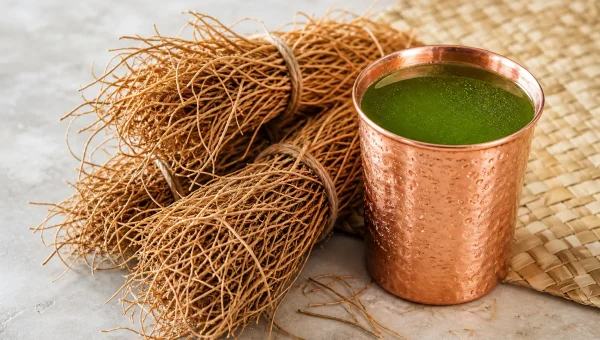
Dashamoola Kashayam is strongest when prepared as a fresh decoction from coarse powder. Fine powder becomes muddy and difficult to strain, while very large pieces may not release enough strength in household cooking. A clean, coarse, barley-grain-like texture is preferred for decoction work.
Step 1: Raw Material Preparation
Take equal parts by weight of all ten drugs. The material should be properly identified, clean, dry, and coarsely crushed. For household use, it is usually more practical to buy a properly labelled Dashamoola Kwath Churna from a reliable manufacturer than to source all ten raw drugs separately. The label should state the ingredients clearly, and the supplier should be able to identify the botanical sources used.
Step 2: Decoction Process
Classical kwatha preparation uses a large volume of water and reduces it by boiling. In household Dashamoola practice, one common method is to use 1 part coarse Dashamoola and 16 parts water, then reduce to one-fourth. Some classical pharmacy instructions use reduction to one-eighth, which produces a stronger decoction. The prescribed method should be followed because the final strength changes with the reduction.
- For one household dose, take 15 g of coarse Dashamoola powder.
- Add 240 ml of clean water.
- Soak for at least 2 hours, or overnight when possible.
- Boil, then reduce to a gentle simmer in an open vessel.
- Reduce to about 60 ml for the one-fourth method, unless your practitioner has instructed a different reduction.
- Strain through a clean cloth or fine strainer while warm.
- Use fresh; do not keep a household decoction sitting for long periods.
The finished Kashayam is deep brown, earthy, bitter, and slightly astringent. A very pale decoction usually means the material was weak, too coarse, under-boiled, or not reduced sufficiently. A burnt smell means the heat was too high or the vessel was left unattended.
Step 3: Administration
For fresh household decoction, many practitioners use roughly 40–50 ml once or twice daily, adjusted to the person. For concentrated bottled Kashayam, a common adult label range is 12–24 ml mixed with an equal quantity of warm water, usually before food or as directed by the Ayurvedic physician. Postpartum use should always be individualized, especially when the mother is breastfeeding, recovering from surgery, experiencing heavy bleeding, taking medicines, or feeling unusually weak.
Clinical Applications
Dashamoola is best understood as a practitioner-guided Vata-Kapha formula rather than a general wellness drink. Its traditional applications cluster around pain, swelling, stiffness, cough, breathlessness, fever patterns, flank or back discomfort, and postnatal recovery. The exact form—fresh kashayam, concentrated kashayam, arishta, taila, ghrita, tablet, or combined formula—depends on the condition and the person.
Postpartum Recovery (Sutika Paricharya)
This is the use that made Dashamoola famous in my family. After delivery, the uterus naturally contracts and returns toward its pre-pregnancy state over several weeks, while lochia is discharged and the abdomen, pelvis, and lower back recover. In Ayurvedic language, this is a time to protect Apana Vayu, kindle gentle digestion, reduce coldness and emptiness in the body, and support the mother without overloading her.
- It is traditionally used to pacify aggravated Vata after delivery.
- It is used for postpartum body ache, lower back discomfort, abdominal cramping, and pelvic heaviness when appropriate.
- It fits naturally with warm food, rest, oil massage, and other Sutika Paricharya measures.
- It should be avoided or modified when digestion is very weak, bleeding is abnormal, fever is present, or medical evaluation is needed.
Musculoskeletal Vata Pain
Dashamoola Kashayam is commonly used in Vata-type musculoskeletal discomfort, especially when pain is accompanied by stiffness, dryness, fatigue, or swelling. Practitioners may consider it in patterns resembling lower back pain, sciatica-like pain, flank pain, neck stiffness, and degenerative joint discomfort. It is not a substitute for diagnosis when pain is severe, traumatic, neurological, inflammatory, or persistent.
Respiratory Vata-Kapha Conditions
The smaller-root group includes Brihati and Kantakari, two drugs widely used in Vata-Kapha respiratory patterns. For this reason, Dashamoola and Dashamoola-based preparations are traditionally used in cough, breathlessness, chest congestion, and post-illness weakness when the pattern suits the patient. Asthma, pneumonia, persistent breathlessness, wheezing, chest pain, or fever should be medically assessed without delay.
| Traditional Use Area | Common Form | General Approach | Important Caution |
|---|---|---|---|
| Postpartum recovery | Fresh Kashayam or physician-selected preparation | Warm, Vata-pacifying, usually combined with diet and rest | Requires supervision, especially after surgery, heavy bleeding, fever, or severe pain |
| Back, flank, joint, or stiffness-dominant Vata pain | Kashayam, tablet, taila, or combined formula | Selected according to dryness, swelling, digestion, and strength | Do not self-treat severe, traumatic, neurological, or worsening pain |
| Vata-Kapha cough and respiratory weakness | Kashayam or Dashamoola-based respiratory formulation | Used when congestion, weakness, and Vata-Kapha features are present | Breathlessness, wheezing, fever, or chest pain needs medical care |
| General depletion with Vata aggravation | Practitioner-selected Dashamoola preparation | Used only when digestion can handle it | Not suitable as a casual tonic for everyone |
Convenience Forms: When Fresh Decoction Is Not Possible
Preparing fresh Kashayam every day is ideal in many traditional homes, but it is not practical for everyone. Convenience forms can be useful when selected carefully and used according to the label or practitioner’s instruction.
- Dashamoola Kwath Churna: This is the ready-to-boil coarse powder. It is the closest household option to fresh preparation because the decoction is still made at home.
- Concentrated Dashamoola Kashayam: This is a bottled decoction concentrate. A common adult label range is 12–24 ml with an equal quantity of warm water, usually before food or as directed.
- Dashamoolarishtam: This is a fermented preparation with a longer shelf life and a more acceptable taste for many people. It is commonly taken after food with an equal quantity of water. Because it contains sugar and self-generated alcohol, it is not ideal for everyone.
- Dashamoola tablets: These are convenient for travel and busy routines, but they should still be treated as medicine rather than a casual supplement.
Sourcing, Identity, and Quality
The most important quality issue in Dashamoola is correct identity. The name on the front label is not enough; the botanical sources matter. Agnimantha is especially important because Clerodendrum phlomidis is the pharmacopoeial source, while Premna species are widely discussed as regional sources or substitutes. Brihati and Kantakari also need correct identification because they are related Solanum drugs.
When buying Dashamoola, choose manufacturers that disclose botanical names, use proper raw-material authentication, and test batches for quality. Prefer products made under recognized manufacturing standards and ask for testing information when using a preparation for postpartum care or chronic disease. Heavy metals, adulterants, microbial contamination, and misidentified plants are not theoretical concerns in herbal medicine; they are practical reasons to buy from accountable sources.
My Mother’s Postpartum Dashamoola Recipe
I will close with the preparation my mother made in our home. This is a family recipe, not a universal prescription. The base is Dashamoola, with Shatavari for maternal nourishment, dry ginger for warmth and digestion, and jaggery to soften the bitterness.
Ingredients: Dashamoola coarse powder, 15 g; Shatavari root, 5 g; dry ginger powder, 1–2 g; jaggery, 5–10 g; water, 300 ml.
Method: Combine Dashamoola and Shatavari in water. Soak for at least 2 hours. Boil and reduce gently to about 75 ml. Strain while warm. Stir in dry ginger and jaggery after straining. Serve warm, not scorching hot.
Shatavari is traditionally used as a nourishing herb for women and lactation support. Dry ginger adds warmth and helps the heavy decoction sit better in the stomach. Jaggery makes the preparation more acceptable, but it should be reduced or avoided when sugar control is a concern. In my family, this was given twice daily during the postnatal period, but in present-day practice the dose and duration should be decided by a qualified practitioner.
Medical Disclaimer: This article is for educational purposes only and does not constitute medical advice. Postpartum recovery, chronic pain, respiratory disorders, fever, heavy bleeding, and lactation concerns require proper assessment. Use Dashamoola Kashayam, Dashamoolarishtam, or any postpartum herbal preparation only under the guidance of a qualified Ayurvedic practitioner and healthcare provider. Consult your healthcare provider before use if you are pregnant, breastfeeding, diabetic, taking blood-thinning, blood-pressure, diabetes, psychiatric, pain, or heart medicines, or recovering from surgery. Postpartum fever of 100.4°F / 38°C or higher, heavy bleeding, severe abdominal pain, foul-smelling discharge, chest pain, breathlessness, fainting, severe headache, vision changes, seizures, or thoughts of self-harm require urgent medical care.
References
- Researchgate (researchgate.net)
- A critical review on two types of Laghupanchamula (2012), PubMed Central
- Charaka Samhita — Shadvirechanashatashritiya Adhyaya
- Ayurmedinfo (ayurmedinfo.com)
- Ayurvedic Pharmacopoeia of India
- Ayurvedic Pharmacopoeia of India
- Botanical identity of plant sources of Daśamūla drugs through an analysis of published literature (2012), PubMed Central
- Ijapr (ijapr.in)
- Natural Ingredient Resource Center
- Ayurpharm (ayurpharm.com)
- Experimental evaluation of analgesic, anti-inflammatory and anti-platelet potential of Dashamoola (2015), PubMed Central
- My (my.clevelandclinic.org)
- 1mg (1mg.com)
- NCBI
- NCCIH
- CDC
where r the studies for vata tho
There’s actually some good work cited in the Charaka Samhita on Vata disorders broadly but I know what you mean about postpartum-specific clinical data being thin. Most of what exists is traditional observational rather than controlled trials.
does brand matter for sesame oil or is generic fine
For the postpartum preparation described, does the water temperature affect the active compounds during the decoction process?
Good point about dashamoola. The quality of the herb makes a huge difference in my experience.
r side effects of vata real
the decoction method for vata conditions is a bit confusing, is there a simpler version
is postpartum ok during pregnancy? asking for my wife who is in second trimester
My mother-in-law prepared Dasamoola Kashayam from scratch after both her daughters’ deliveries and swore by it for the body ache and heaviness that came after childbirth. Didn’t know until reading this post that the ten roots each have distinct roles — always thought it was just one general tonic.
this helped. been confused about warm foods timing for weeks now 🙏
Same experience with sesame oil here. Took me about 6 weeks to notice real change.
That tracks with what the article says about Dasamoola working cumulatively. I think a lot of people give up too early because they expect immediate results. Did you take it with warm water or with milk? I’ve heard both and not sure which is more effective for general Vata issues.
Can children use vata conditions? The post covers adults but my 11-year-old has similar symptoms. 🌿
For children with Vata imbalance I’d check with a pediatric Ayurvedic vaidya first — Dasamoola Kashayam as described here is specifically formulated for postpartum recovery and adult Vata conditions. The root combination and dosage would likely need to be adapted significantly for an 11-year-old. 🌿
been taking warm foods for like 6 weeks and honestly sleep is better. never expected it to work this fast tbh ❤️
The claim about sesame oil reducing inflammation in two weeks seems optimistic. My experience was more like four months before any noticeable change.
way too vague about dosage for constipation. ‘2 to 3 capsules’ covers a huge range depending on body weight
Totally agree on the dosage point. For something like Dasamoola Kashayam the traditional text gives measures by body weight and digestive strength, not a flat capsule count. Would be helpful if the post distinguished between the liquid kashayam form and the tablet version since they behave quite differently.
finally something practical. been reading about lactation for months and this is the first clear how-to 🙏
Dasamoola Kashayam as described here is really meant for postpartum use and general Vata management, not something typically given during pregnancy. For a second-trimester question like that I’d really recommend consulting a qualified vaidya directly rather than going by any blog recommendation.
This is really a question for a vaidya rather than something to decide based on a blog — pregnancy is a very different context from postpartum, which is what this Dasamoola formulation is designed for. Hope your wife gets the right guidance.
can i take constipation wid metformin??
Metformin and constipation is a different concern from what this post is about — Dasamoola Kashayam is specifically a postpartum and Vata-balancing decoction. For drug interactions you really need to ask your doctor, not an Ayurveda blog.
Useful info.
My practitioner said the same thing about warm foods. Results vary by individual constitution.
about 8 weeks for me with dashamoola before any visible change
Does the quality of vata conditions source matter significantly? Organic vs non-organic makes a big cost difference where I live.
bought postpartum from a random brand and got no results. does quality vary that much between suppliers?
Yes, quality varies enormously with Dasamoola. I had the same experience with a local brand that smelled off and did nothing. Switched to an Arya Vaidya Sala preparation and noticed a real difference in the bitterness and the effect. The source and preparation method of the roots matters a lot.
this helped. been confused about dasamoola timing for weeks now
How long does it typically take before the vata effects become measurable in blood markers? My next labs are in three months. ✨
is lactation ok during pregnancy? asking for my wife who is in second trimester
i have high pitta, would the warm foods protocol here work or make things worse ✨
i have pitta excess and postpartum worked fine for me, but started at lower dose
Starting at a lower dose is such good advice for Pitta types. Did you find the bitterness of the kashayam easier to handle when you diluted it, or did you just reduce the frequency?
Agreed, the timeline in the article feels optimistic. I had to take Dasamoola Kashayam for close to ten weeks before the postpartum fatigue really started lifting. Maybe it depends on how depleted you were after delivery.
That makes sense for Pitta constitutions. My vaidya said the same — she suggested half the standard measure for the first two weeks and only increasing once the body settles into it.
any1 tried dasamoola here tell me
my aunt has been doing postpartum for years, finally understand why it actually helps after reading this
The breakdown of the five greater and five lesser roots really clarifies why Dasamoola works for both Vata and Kapha.
dasamoola working for me tbh
How long does it typically take before the sesame oil effects become measurable in blood markers? My next labs are in three months.
Where is the evidence for the vata dosage recommended here? I could not find any peer-reviewed backing in the Indian Journal of Ayurveda for these specific numbers.
That’s a fair challenge. Traditional texts like Ashtanga Hridayam give dosage ranges rather than fixed numbers, and clinical trials on Dasamoola specifically are sparse. Would be genuinely useful if the author could link to the sources they drew from.
Eight weeks is roughly what I have heard too. And yes, the sourcing makes a real difference — I switched from a supermarket brand to one that uses wildcrafted roots and noticed the colour and smell of the decoction were completely different.
anyone here tried sesame oil for the specific issue in the article? what was your experience
r side effects of vata conditions real
From what I have read, Vata-related symptoms — the joint stiffness, the restlessness — can take a few months to respond because you are essentially working to rebuild tissue, not just suppress a symptom. Worth pushing through if you can.
dosw for kids same or diff
first time trying postpartum properly after reading this. fingers crossed it helps with the fatigue
dosage info not clear enuf
i have high pitta, would the sesame oil protocol here work or make things worse
the studies quoted for warm foods are like 10 years old, anything more recent?
My mother took Dasamoola Kashayam after each of her three deliveries and swore by it for the body aches that set in around week two postpartum. This article describes almost exactly the preparation she used — slow reduction over a low flame until it thickens.
The boiling-down ratio for a proper kashayam does take some getting used to. The first time I made it I ended up with something way too concentrated. Does the article specify the water-to-root ratio before reduction? I may have missed it.
the decoction method for dashamoola is a bit confusing, is there a simpler version
Good question about the postpartum dosage — is the amount mentioned here meant for a single serving or split across morning and evening? The text was a bit ambiguous and I want to get this right before my sister-in-law starts her course.
I had a similar experience — the Kashayam felt too heating for my Pitta side, and I needed to add a small amount of mishri to balance it. Have you found anything that helps offset that warming quality?
What did you end up doing instead? My constitution is also Vata-Pitta and I have been hesitant to start the full protocol for exactly that reason.
That is a really valid point the commenter raised. For Dasamoola Kashayam the classical preparation uses the whole root, so the question of extract versus raw decoction is quite relevant — a standardised extract behaves very differently from a traditional brew.
The form really does matter for Dasamoola. The kashayam hits differently from a tablet — you feel the warmth spreading almost immediately, which makes sense since the decoction is already partially processed. Did you notice the same? 🙌
I tried making the decoction once and the color came out pale; now I see I didn’t simmer long enough.
Has anyone prepared this at home versus buying the ready-made liquid from an Ayurvedic pharmacy? Curious whether the efficacy is noticeably different when you make the decoction fresh.
tried the postpartum recipe from section 3 last week, tasted awful but felt lighter the next morning lol 🙏
How long does it typically take before the lactation effects become measurable in blood markers? My next labs are in three months.
Just started the bala protocol this week. A bit early to report results but the article gave me enough confidence to try it properly. 🌿
bought vata from a random brand and got no results. does quality vary that much between suppliers? ❤️
With Dasamoola it is probably brand plus preparation method. A supplier who does the decoction reduction properly will give a very different product from someone just soaking roots briefly. Worth asking whether they follow classical ratios.
Quality varies enormously with Ayurvedic formulations, yes. For kashayam specifically the root sourcing and the drying process affect the active constituents significantly. I once bought Dasamoola from a reputable Kerala pharmacy and the difference compared to a generic brand was obvious just from the aroma. ठीक है
Curious whether Dasamoola Kashayam is traditionally taken warm on an empty stomach or with the first meal. The article describes the preparation in detail but I could not find the timing guidance clearly stated.
is postpartum ok during pregnancy? asking for my wife who is in second trimester ❤️
The dosage section could really use more clarity. A new mother’s body weight and how depleted she is after delivery can vary so much — a fixed measure seems overly simplified. Would appreciate if the author gave at least a per-kg guideline or a range tied to body type.
Anyone given this to a family member during the postpartum period who also had a weak digestive fire? I am wondering if the decoction is too intense in that situation or if it actually helps restore agni as well.
honestly try lactation for at least 3 months before deciding it doesnt work 💯
My grandmother used constipation for decades. Reading the science behind it here connects the dots for me in a satisfying way.
finally smthing useful abt shatavari
Is there a seasonal consideration for postpartum? I read elsewhere that some adaptogens should be paused in summer.
is warm foods ok during pregnancy? asking for my wife who is in second trimester
this helped. been confused about constipation timing for weeks now
Same — I had been second-guessing whether to take it before or after eating, and this finally made the logic clear. The warm-stomach reasoning makes sense for a Vata-pacifying decoction.
Dasamoola Kashayam is quite different from most single-herb formulas — the ten roots together do something that none of them seem to do alone. Worth trying the proper preparation before writing off the whole approach.
Dasamoola Kashayam is not really in the same category — it is a classical postpartum formula, not a standalone herb. Was there something specific about it that was unclear? The timing and dilution guidance can be easy to miss.
That’s a fair concern. I found dashamoola worked better when I also adjusted my diet simultaneously.
I am Vata-Pitta constitution. Would the postpartum protocol here need modification or is it generally dosha-agnostic?
For Vata-Pitta you might actually be well-suited for Dasamoola Kashayam since it primarily pacifies Vata, but the Pitta side is worth watching. I would ask your vaidya whether adding a small amount of ghee to the decoction makes sense to buffer any heating effect on your constitution.
Two months of a postpartum protocol without seeing results is discouraging. Did you take it as a decoction or in tablet form? My vaidya says the kashayam version absorbs differently, especially for Vata imbalance after delivery.
Is the 1:16 herb to water ratio flexible if I only have a smaller pot?
The article glosses over contraindications for lactation. People on blood thinners really need to know this before starting. 🌿 ठीक है
way too vague about dosage for sida. ‘2 to 3 capsules’ covers a huge range depending on body weight
Can Dasamoola Kashayam be given to older children with Vata-type complaints, like chronic joint pain or restlessness? The post focuses on postpartum use but the roots seem relevant for other Vata conditions too. 🙌
i have pitta excess and warm foods worked fine for me, but started at lower dose धन्यवाद
The claim about bala reducing inflammation in two weeks seems optimistic. My experience was more like four months before any noticeable change.
hw mny wks 4 dasamoola 2 work
My grandmother prepared Dasamoola Kashayam from scratch every time there was a new birth in the family. Reading this brought back memories of those roots drying in her courtyard. Did anyone else grow up seeing this made at home, or has it mostly become a bought preparation now?
I asked my vaidya the same question about vata conditions. He said constitution matters more than standard dose.
can i take sesame oil wid metformin??
is vata conditions ok during pregnancy? asking for my wife who is in second trimester
finally smthing useful abt sesame oil
i have high pitta, would the warm foods protocol here work or make things worse 🙌
High Pitta can be tricky with warming formulas like this. From what I understand Dasamoola itself is not overtly heating, but the warm kashayam base and some supporting foods in the postpartum diet could aggravate you. Worth discussing with someone trained in classical Ayurveda before starting. 🙌
any1 tried dashamoola here tell me
That’s a fair concern. I found warm foods worked better when I also adjusted my diet simultaneously.
can you combine vata conditions with dashamoola or is that too much at once
I think combining them is actually quite common in classical practice, since Dasamoola already addresses a wide range of Vata disorders. The question is more about dosage and the specific presentation you are dealing with. What kind of Vata condition are you looking at?
my practitioner told me something different about vata. this article contradicts what i was told
The article mentions starting lactation on an empty stomach. Does this apply even when taking it in ghee form?
any1 tried shatavari here tell me
My doctor actually recommended bala last month, so finding this detailed explanation of the dosing schedule is exactly what I needed.
The article mentions starting sesame oil on an empty stomach. Does this apply even when taking it in ghee form?
I asked my vaidya the same question about dasamoola. He said constitution matters more than standard dose.
tryd sesame oil nothing happend
I asked my vaidya the same question about sida. He said constitution matters more than standard dose. 🙏
My mother used to add a pinch of cardamom to mask the bitterness, though the article doesn’t mention it.
The explanation connecting postpartum with shatavari in Ayurvedic theory here is cleaner than anything I found in the textbooks I have.
i have high pitta, would the shatavari protocol here work or make things worse
Shatavari is cooling by nature so it should generally be fine for Pitta, maybe even beneficial. The Dasamoola Kashayam itself is the main formula here and that one leans Vata-pacifying rather than heating, so you are probably okay. That said everyone’s Pitta presentation is different so I would confirm with a practitioner.
does brand matter for postpartum or is generic fine
The section on vata dosage timing was something I had not seen explained this clearly before. Taking it 30 minutes before meals has made a real difference.
Is there a seasonal consideration for vata? I read elsewhere that some adaptogens should be paused in summer. 💯
tried vata conditions for months, did nothing for me honestly. maybe doesnt work for everyone
The forty two day regimen mirrors the traditional sutika period described in the texts.